




警惕你車?yán)锏摹伴g諜”!
|
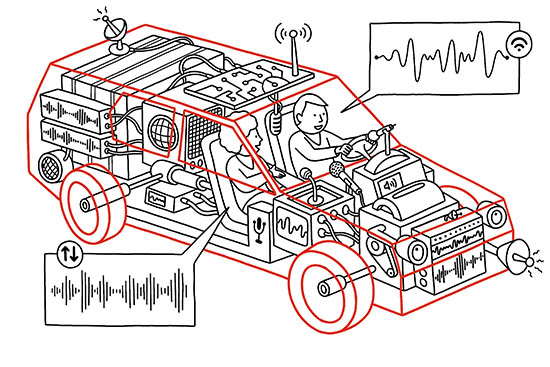
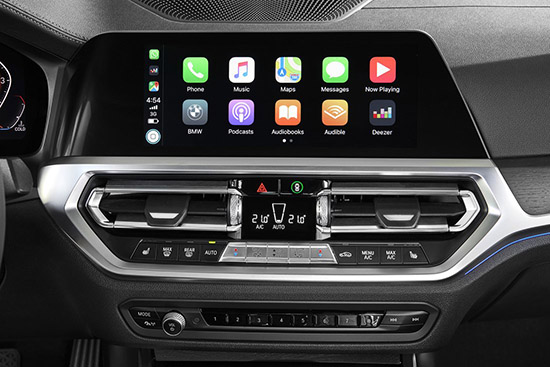
一位司機(jī)正開(kāi)著車子在高速公路上行駛,突然她想到,我這周的周末要干什么來(lái)著?于是她通過(guò)語(yǔ)音助手功能要求車載系統(tǒng)查看一下她的日程安排。幾秒鐘后,汽車?yán)壤飦?lái)傳來(lái)聲音,告訴她系統(tǒng)已經(jīng)自動(dòng)回復(fù)了一個(gè)朋友的生日宴會(huì)邀請(qǐng),并且建議她帶上一件生日禮物——一件底特律雄獅隊(duì)的球衣。 于是,這名司機(jī)要求數(shù)字助手下單訂購(gòu)這件球衣。不到兩分鐘,下單已經(jīng)成功了。與此同時(shí),車內(nèi)的這段對(duì)話已經(jīng)被發(fā)送到了一個(gè)遠(yuǎn)程數(shù)據(jù)中心,用于針對(duì)NFL比賽的廣告分析——即便這位司機(jī)并不喜歡橄欖球。 語(yǔ)音識(shí)別技術(shù)并不是什么新生事物,只不過(guò)以前的語(yǔ)音識(shí)別技術(shù)很不完善,識(shí)別的正確率也不高。但近年來(lái),這項(xiàng)技術(shù)得到了突飛猛進(jìn)的發(fā)展,并且迅速與汽車技術(shù)進(jìn)行融合,使駕駛員能夠使用自然語(yǔ)言發(fā)布更加廣泛的指令。有了人工智能的加持,新的“個(gè)人助理”功能可以執(zhí)行從日程管理到在線網(wǎng)購(gòu)的一系列功能,在這個(gè)過(guò)程中,司機(jī)的眼睛可以始終看著道路,只用語(yǔ)言下達(dá)指令。 與智能家居設(shè)備同步后,語(yǔ)音識(shí)別軟件還可以遠(yuǎn)程控制恒溫器、燈和門(mén)鎖。雖然亞馬遜Alexa、蘋(píng)果Siri、谷歌助手等語(yǔ)音識(shí)別軟件為有車一族帶來(lái)了許多便利,但由此帶來(lái)的隱私問(wèn)題和個(gè)人數(shù)據(jù)采集問(wèn)題也是十分值得關(guān)注的。 位于華盛頓的消費(fèi)者權(quán)益保護(hù)機(jī)構(gòu)電子隱私咨訊中心(Electronic Privacy Information Center)的律師克里斯汀·班南認(rèn)為:“消費(fèi)者有充分的理由擔(dān)心車載語(yǔ)音識(shí)別系統(tǒng)的隱私問(wèn)題。有人說(shuō)消費(fèi)者是歡迎這項(xiàng)新技術(shù)的,這說(shuō)明他們并不擔(dān)心隱私問(wèn)題。這是一種詭辯。” IHS Markit公司的數(shù)據(jù)顯示,到明年,搭載有語(yǔ)音識(shí)別系統(tǒng)的汽車預(yù)計(jì)將達(dá)到1.2億輛,是2018年的4000萬(wàn)輛的3倍。目前,大多數(shù)車載系統(tǒng)都是基于智能手機(jī)的,不過(guò)亞馬遜和谷歌也在開(kāi)發(fā)不需要與手機(jī)綁定的車載模塊。 汽車行業(yè)研究機(jī)構(gòu)AutoPacific的副總裁埃德·金指出:“現(xiàn)在,就連最便宜的車型上也能使用蘋(píng)果的CarPlay和安卓的Android Auto。可以想象,五年之內(nèi),大多數(shù)新車都將搭載某種形式的語(yǔ)音識(shí)別功能。” |
Inching down the freeway, a driver realizes she’s forgotten her weekend plans and asks her digital copilot to check her calendar. Within seconds, a voice emanates from the car’s speakers telling the driver that she has RSVP’d to a friend’s birthday party and then suggesting a gift—a Detroit Lions jersey. The entire process ends less than two minutes after the driver asks the digital assistant to order the jersey. Meanwhile, the dialogue inside the car is sent to a distant data center, ready to be mined for ads pitching an NFL game, even though the driver dislikes football. Once clunky and buggy, voice-recognition technology is improving and quickly spreading to the dashboard, allowing drivers to issue a wider range of commands using natural speech. Designed to keep drivers’ eyes on the road, “personal assistants” powered by artificial intelligence can perform a variety of functions, from managing calendars to placing Amazon Prime orders. When synced with smart-home gadgets, the software can also turn up the thermostat, turn off the lights, and lock the doors from miles away. But if the benefits of bringing Amazon Alexa, Apple’s Siri, or Google Assistant into the car seem endless, so do concerns about privacy and how the information collected will be used. “Consumers have good reasons to be concerned about the use of voice-recognition systems in cars,” says Christine Bannan, an attorney for the Electronic Privacy Information Center, a consumer advocacy group in Washington, D.C. “There is a false narrative that because consumers embrace new technology, that means they are indifferent about privacy.” An estimated 120 million cars will be equipped with voice-recognition systems next year, up from 40 million in 2018, according to IHS Markit. Currently, most in-car systems are smartphone-based, but Amazon and Google are also developing embedded devices that can work in cars without being tethered to a phone. “Apple CarPlay and Android Auto are available in even the cheapest models now,” says Ed Kim, a vice president at automotive research firm AutoPacific. “I would imagine that within five years, the vast majority of new vehicles will have some form of voice recognition.” |
|
這也意味著,當(dāng)附近的商店打折時(shí),司機(jī)通過(guò)語(yǔ)音或屏幕上的提示,可以迅速獲知相關(guān)促銷信息。再舉個(gè)例子,當(dāng)司機(jī)想喝咖啡時(shí),他可以先通過(guò)語(yǔ)音助手下單,這樣等他將車子開(kāi)到星巴克時(shí),他的大杯拿鐵已經(jīng)做好了。 車載語(yǔ)音系統(tǒng)的普及,也給很多制造企業(yè)、營(yíng)銷機(jī)構(gòu)和其他企業(yè)帶來(lái)了利好。一旦人工智能技術(shù)能夠更好地理解各種口音和方言、俗語(yǔ),汽車就可以對(duì)駕駛員的行為產(chǎn)生更深入的見(jiàn)解,并將這些信息與其他企業(yè)進(jìn)行共享。 語(yǔ)音識(shí)別技術(shù)使汽車能夠輕易收集你的購(gòu)物習(xí)慣和你常去的地方的信息,但同時(shí)這些信息也可能被用來(lái)制作有針對(duì)性的視頻或音頻廣告,或是銷售訂閱服務(wù),甚至是被泄露給第三方企業(yè)。對(duì)于亞馬遜、谷歌和蘋(píng)果這種大公司來(lái)說(shuō),他們通過(guò)汽車收集的用戶數(shù)據(jù)越多,就有更多的機(jī)會(huì)將這些數(shù)據(jù)賣給其他客戶。 目前,各大汽車廠商都在加速收割語(yǔ)音識(shí)別技術(shù)的紅利。有些廠商放棄了亞馬遜、蘋(píng)果和谷歌的技術(shù),轉(zhuǎn)而研發(fā)自己的車載語(yǔ)音識(shí)別系統(tǒng)。比如今年,梅賽德斯奔馳和寶馬都將推出自己的獨(dú)家產(chǎn)品。科技公司與汽車廠商圍繞車主數(shù)據(jù)的爭(zhēng)奪必將愈演愈烈。 埃德·金表示:“未來(lái)幾年,用戶數(shù)據(jù)及其可能產(chǎn)生的收益,將成為雙方爭(zhēng)奪的戰(zhàn)場(chǎng)。” 雖然語(yǔ)音識(shí)別系統(tǒng)一般都需要一個(gè)“喚醒詞”才能被喚醒,但這個(gè)過(guò)程也并非是萬(wàn)無(wú)一失的。在全球用戶使用語(yǔ)音識(shí)別系統(tǒng)的過(guò)程中,也曾出現(xiàn)過(guò)許多各種各樣的問(wèn)題和狀況,有些狀況比較搞笑,而有些狀況則只能用恐怖來(lái)形容。最令人擔(dān)憂的是,在某些案例中,系統(tǒng)不小心將人機(jī)對(duì)話發(fā)送給了車主手機(jī)通訊錄中的聯(lián)系人。在個(gè)別案例中,系統(tǒng)意外下單購(gòu)買(mǎi)了大量商品。亞馬遜已經(jīng)采取了一定措施,以避免這些意外狀況的發(fā)生——比如允許用戶針對(duì)語(yǔ)音識(shí)別程序設(shè)置網(wǎng)購(gòu)密碼,在接打電話時(shí)先要求用戶確認(rèn)等。 目前,很多汽車廠商都表示,他們?cè)谑褂糜脩魯?shù)據(jù)進(jìn)行營(yíng)銷,或?qū)⒂脩魯?shù)據(jù)與第三方共享時(shí),會(huì)首先征得用戶的許可。比如沃爾沃在一份聲明中稱,該公司的技術(shù)符合歐盟關(guān)于個(gè)人數(shù)據(jù)收集的相關(guān)法律,并且允許讓用戶來(lái)決定其個(gè)人數(shù)據(jù)的分享方式。 亞馬遜公司的一位發(fā)言人表示,亞馬遜分享的只是“匿名化和匯總后的特性數(shù)據(jù),以幫助汽車制造商改善客戶體驗(yàn)。”亞馬遜不會(huì)向汽車廠商或開(kāi)發(fā)者提供任何個(gè)人身份信息。 寶馬公司表示,該公司雖然會(huì)共享它收集的一些數(shù)據(jù),但不會(huì)直接通過(guò)它賺錢(qián)。寶馬負(fù)責(zé)數(shù)字產(chǎn)品的高級(jí)副總裁迪特爾·梅表示:“假設(shè)某個(gè)人正在車上聽(tīng)一首音樂(lè),而我們發(fā)現(xiàn)最近恰好要開(kāi)一場(chǎng)大型音樂(lè)會(huì),我們可能就會(huì)把這個(gè)信息轉(zhuǎn)給銷售部門(mén),使用戶有機(jī)會(huì)買(mǎi)到一張?zhí)貎r(jià)票。” 雖然政府和企業(yè)已經(jīng)開(kāi)始著手解決車載語(yǔ)音識(shí)別系統(tǒng)的信息安全問(wèn)題了,但目前尚不清楚誰(shuí)將掌握這些收集到的數(shù)據(jù)的控制權(quán)。 市場(chǎng)研究機(jī)構(gòu)Strategy Analytics的汽車業(yè)務(wù)副總監(jiān)羅杰·蘭托特認(rèn)為:“語(yǔ)音識(shí)別是汽車行業(yè)的最新亮點(diǎn),擁有最好的語(yǔ)音識(shí)別技術(shù)的廠商必將勝出。在這個(gè)贏者通吃的世界,贏家的回報(bào)將是相當(dāng)奢侈的。”(財(cái)富中文網(wǎng)) 本文原載于2019年2月刊的《財(cái)富》雜志。 譯者:樸成奎 |
That means more drivers will have access to technology that alerts them to a sale at a nearby store—via an audio cue or an on-screen prompt—or ensures that their grande latte is ready when they swing by their local Starbucks. But manufacturers, marketers, and other businesses may gain even more. Once artificial intelligence becomes better at understanding and interpreting speech across a range of dialects, accents, and colloquialisms, cars will be able to glean even deeper insight into drivers’ behavior and share that information with other companies. While it may be convenient for cars to know your shopping habits and favorite places, that information can also be used to create targeted audio or visual ads, sell subscription services, or tip off third-party businesses. The more data that Amazon, Google, and Apple collect by placing their devices inside cars, the more opportunities they have to serve—or sell to—customers. For now, automakers are gearing up to reap the rewards. Some manufacturers are forgoing technology from Amazon, Apple, and Google to install their own. Proprietary systems from Mercedes-Benz and BMW that are slated to debut this year will let manufacturers compete with the tech giants for driver data. “In the coming years, the battleground will be over user data and the revenue made possible,” Kim says. Although the devices are supposed to listen only when a “wake” phrase like “Hey, Alexa” is used, the process is not foolproof. Anecdotes from users worldwide range from amusing to horrifying. The most worrisome are incidents in which the devices accidentally record and send conversations to contacts in users’ phones, or inadvertently make large purchases. Amazon has begun taking measures to prevent unintended commands, including allowing customers to set a PIN for voice activated purchases and asking for confirmation before placing a call. Currently automakers say they get cus?tomer permission before they use the individual data they collect for marketing or share it with third parties. Volvo said in a statement that its technology “tak ” and complies with a European Union law that lets residents control how t leheir personal data is shared. An Amazon spokesman says that the company merely shares “anonymized, aggregated performance data to help automakers improve the customer experience” and that it doesn’t provide personally identifiable information to car companies or developers. BMW shares the data it collects but says it doesn’t make money from it directly. “Let’s say the person is listening to certain music, and we know there’s a big concert,” says Dieter May, senior vice president of digital products for BMW. “Then we would probably give that to our salespeople to make an offer for a special ticket.” But even as governments and corporations begin to address security questions, it’s unclear who will control the data that is collected. “It’s the latest shiny thing in the car, and the one with the best speech recognition will win,” says Roger Lanctot, associate director for automotive at Strategy Analytics, a market research and consulting firm. “In our winner-take-all world, that win will be very lucrative.” This article originally appeared in the February 2019 issue of Fortune. |


-
熱讀文章
-
熱門(mén)視頻