





盈利創紀錄,經濟一片大好,可是大銀行為什么還要裁人?
|
上個月,華爾街的各大銀行都在慶祝當季各大業務收益全面開花。在幾大主要銀行中,除摩根士丹利的業績相對較差,高盛、摩根大通、花旗集團、美國銀行、富國等幾大銀行2018年四季度的盈利都超過了1億美元。受特朗普減稅政策的利好影響,加之美國目前正處于本輪經濟周期的頂點,雖然去年12月市場出現了較大波動,同時宏觀經濟還出現了一些其他值得擔憂的現象,但華爾街各大銀行的成績依然十分搶眼。
僅僅幾周后,一幅更加復雜的圖景便逐漸展現開來。據悉,剛剛創下2010年以來最高年收入紀錄的高盛銀行正在考慮大幅削減大宗商品交易業務,高盛的新任CEO蘇德巍正在重新評估該業務的成本。同時據稱匯豐銀行和法國興業銀行也在考慮對投行業務進行裁員。去年便已宣布裁員7000人的德意志銀行也在考慮將獎金支出砍掉10%。業績差強人意的法國巴黎銀行也表示,要在去年宣布的減支計劃基礎上,再額外砍掉6億歐元的成本。
這些措施雖然各不相同,其背后的動機也各有不同,但都反映出整個投行行業對市場前景的擔憂。不管是受市場波動還是受監管壓力影響,抑或是二者兼而有之,總之全球各大銀行都在勒緊褲腰帶,即便當前的宏觀經濟前景總體還是樂觀的。
之所以會出現這種變化,在部分行業觀察人士看來,是因為行業的一些深層次問題已經被掩蓋了很多年。埃森哲公司的資本市場高級執行董事邁克爾·斯佩雷斯指出,銀行業當前一輪的戰略收縮“完全符合我們的預期”,它只是“一枚巨大的短效創可貼”,在其表面之下,掩蓋的則是涉及銀行業運營成本結構的大問題。
斯佩雷斯對《財富》雜志表示:“美國有幾家投行的經濟利潤還算相對正常,但他們的成本基礎過于龐大,遠遠超出了正常水平。”他援引埃森哲公司的數據稱,“絕大多數投行”是難以實現盈利的,甚至“沒有任何一家歐洲或亞洲投行”能做到盈利。
斯佩雷西認為,各大銀行將大量資金消耗在了過時低效的業務系統上。“有些投行還在運營復雜的、過時的基礎設施,它們簡直是從洪荒時代遺留下來的。”他還表示,雖然這些銀行都在不同程度地削減開支,但很多銀行都在裁員的事實表明,“根本性的問題并沒有得到解決”。
各大銀行在資產管理領域的競爭也在日益加劇。銀行與資本市場咨詢機構MRV Associates的負責人維拉·羅德里格斯·瓦拉達雷斯指出,美國金融穩定委員會最近發布的統計數據顯示,非銀行實體持有全球金融資產的比例正在加大,已經達到30.5%,約合116.6萬億美元,超過了以往任何時期。
瓦拉達雷斯表示:“各大銀行早就知道這一天會到來了。他們在金融危機期間受到了沉重打擊,而這些非銀行實體則不需要遵守針對銀行的監管規定。”他還舉了貝萊德、先鋒集團等資產管理巨頭的例子。“從2008年到現在,所有這些非銀行機構都實現了難以置信的爆炸式增長,這也意味著銀行必須‘瘦身’,學會精打細算。”
盡管宏觀經濟形勢總體強勁,特別是美國經濟持續穩健,但去年12月的市場動蕩也從金融和心理方面對市場產生了很大影響。市場動蕩不僅損害了一些市場敏感型業務(如固定收入證券)的利潤,還引發了人們對全球經濟總體方向和短期展望的深切擔憂。
當然,雖然大家采取的措施大同小異——比如削減成本和裁員,但每家金融機構面臨的環境卻是各不相同的。比如據《華爾街日報》報道,作為唯一一家正在考慮戰略收縮的美國銀行,高盛正在對其業務進行行政審查,近年來,高盛的大宗商品交易業務的收入出現了下滑。(高盛的一位發言人對《財富》雜志表示,高盛“正在全公司范圍內進行業務審查,但目前尚未得出結論”。)
至于那些重心向歐洲傾斜的銀行,美國經濟強勢增長的利好對他們影響不大,同時他們也各自面臨著不同的挑戰。總部位于倫敦的匯豐銀行著眼于保護股東的分紅。總部位于巴黎的法國興業銀行的業績受到了市場環境影響,同時由于去年11月違反了美國的經濟制裁政策,它還要向美國監管機構繳納13億美元的罰款。受市場環境和監管壓力影響,總部位于法蘭克福的德意志銀行的股價大幅下跌,因此德意志銀行也在謀求控制成本,坊間也有傳言稱,該行有可能與德國商業銀行進行合并。(匯豐銀行的代表沒有回復置評請求,德意志銀行的發言人也拒絕發表評論。)法國興業銀行的一位發言人表示,該行尚未就裁員問題進行討論,目前正在對其業務進行評估。
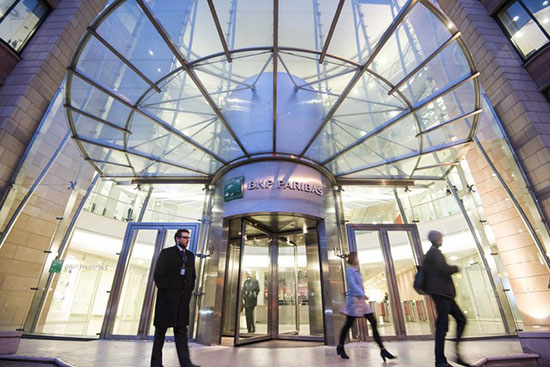
與此同時,總部位于巴黎的法國巴黎銀行也受到了去年年底市場波動的沉重打擊,該行已將2020年前的年度節支計劃提高到了33億歐元。法國巴黎銀行的一名女發言人承認,該行的投行業務“受到了去年年終市場波動的影響”。但她表示,該行尚未考慮以裁員進行應對。
這位發言人還表示,巴黎銀行正在謀求通過“精簡IT部門、利用人工智能強化職能、變現不動產成本”,以及通過對面向消費者的零售銀行業務進行“數字化轉型”來實現節約開支。
與高盛和興業銀行一樣,巴黎銀行也未就下步是否會采取裁員措施發表評論。考慮到業界對全球宏觀經濟前景普遍持擔憂態度和經濟下行的展望,本輪全球各大銀行的戰略收縮也許只是一個開始。(財富中文網) 譯者:樸成奎 |
Last month, Wall Street’s major banks celebrated robust quarterly earnings virtually across the board. Even before Morgan Stanley disclosed comparatively disappointing numbers, the likes of Goldman Sachs, JP Morgan Chase, Citigroup, Bank of America, and Wells Fargo combined to report more than $100 million in earnings for the fourth quarter of 2018. Buoyed by the Trump tax cuts and the crest of the current economic cycle, the big banks shrugged aside December’s topsy-turvy market volatility and other macroeconomic concerns to inform investors and analysts alike that business, for the time being, was booming.
Fast forward a few weeks and a more complicated picture is emerging. Goldman Sachs, fresh off its highest full-year revenues since 2010, is reportedly considering major cuts to its commodities trading operation as new CEO David Solomon seeks to reevaluate costs across the business. HSBC and Société Générale are said to be weighing investment banking job cuts, while beleaguered Deutsche Bank—which last year announced plans to cut more than 7,000 jobs—is reportedly considering slashing its bonus pool by 10%. BNP Paribas, meanwhile, has responded to underwhelming results by eyeing an additional 600 million euros in previously announced annual cost savings.
The moves, while each different and motivated by varying factors, reflect a concerning state of affairs across the investment banking industry at large. Whether influenced by fluctuating market conditions, regulatory pressures, or a confluence of the two, major global banks are now tightening their belts at a time when an altogether positive macroeconomic outlook should bode well for them.
One reason for the shift is a dynamic that some industry observers believe the big banks should have addressed years ago. Michael Spellacy, Accenture’s senior managing director for capital markets, describes the current round of cutbacks as “completely in line with our expectations” and calls them a “short-term, giant Band-Aid” covering up larger issues involving their operational cost structures.
“There are a handful of U.S. investment banks who make a relatively normal economic profit, but their cost base is bloated and far in excess of the norm,” Spellacy tells Fortune. He cites Accenture data showing that “the vast majority of investment banks” struggle to make an economic profit, including “not a single European or Asian investment bank.”
The problem, according to Spellacy, is that banks are by and large burning cash on outdated, archaic business systems that are grossly inefficient. “Some of these investment banks are running complex, legacy infrastructures that haven’t been addressed since Noah boarded the Ark,” he says. Spellacy adds that while banks have moved to cut costs to varying degrees, the fact that many are opting to slash their headcount mean that “the underlying issues are not being addressed.”
The banks also have heightened competition in the realm of asset management to reckon with. Mayra Rodriguez Valladares, managing principal at bank and capital markets consultancy MRV Associates, notes recently published statistics from the Financial Stability Board that show that non-bank entities hold a greater share of global financial assets—30.5%, or $116.6 trillion—than ever before.
“The banks have known for a while that this day was coming; they got so beat up during the [financial] crisis, and all these non-banks didn’t have the same regulations to comply with,” Rodriguez Valladares says, citing asset management giants like BlackRock and the Vanguard Group as examples. “From 2008 to now, there has been unbelievable, explosive growth by all these non-banks, and what that means is banks now have to be leaner and meaner.”
Despite strong macroeconomic conditions overall, especially in the U.S., there have been lingering financial and psychological effects from December’s volatility. Not only did the fluctuating markets hurt the bottom lines of market-sensitive sectors like fixed-income securities (which virtually all investment banks took a hit on in the fourth quarter), but it triggered very real anxieties about the overall direction and near-term outlook for the global economy.
Of course, despite commonalities in the costs cuts and layoffs seen across the investment banking sector, each of the financial institutions that have taken such measures are facing circumstances unique to them. Goldman Sachs—the only major U.S.-headquartered bank to weighing such cutbacks—is in the midst of an executive review of its operations and has seen its commodities-trading revenues decline in recent years, according to the Wall Street Journal, which first reported the news of the commodities trading cuts. (A spokesman for Goldman Sachs tells Fortune that the bank is “conducting business reviews across the firm” but has “reached no conclusions.”)
The other, more Eurocentric banks—which are less insulated by a comparatively soaring U.S. economy—have their own sets of challenges to confront. London-based HSBC reportedly has an eye on protecting its shareholder dividend, while Paris-based Société Générale has been hurt by market conditions as well as the fallout from the more than $1.3 billion in fines it agreed to pay U.S. regulators in November for violating economic sanctions. Frankfurt-based Deutsche Bank is also seeking to control costs as it deals with market headwinds and regulatory scrutiny that have pummeled its stock and prompted fervent speculation of a merger with fellow German lender Commerzbank. (Representatives for HSBC did not return requests for comment and a spokeswoman for Deutsche Bank declined to comment. A spokesman for Société Générale says the bank has yet to discuss layoffs and is currently reviewing its activities.)
Paris-based BNP Paribas, meanwhile, was also hit hard by the end-of-year market volatility and has raised its annual cost savings target to 3.3 billion euro by 2020. A BNP spokeswoman acknowledged that the company’s investment banking business “was impacted by the volatility at the end of the year” but says the bank has yet to consider layoffs as a response.
Rather, she says BNP Paribas is pursuing cost-cutting initiatives focused on “streamlining IT organizations, reinforcing functions by using artificial intelligence and realizing our real estate costs,” as well as a “digital transformation” of its customer-facing retail banking business.
BNP Paribas, like Goldman Sachs and Société Générale, remains noncommittal on whether it will resort to layoffs in the future. Given broader concerns about the macroeconomic picture globally—and a feeling that things will only slow down moving forward—this round of belt-tightening could only be the start for the banking powerhouses of the world. |
?