





設計專家暢談未來汽車設計
|
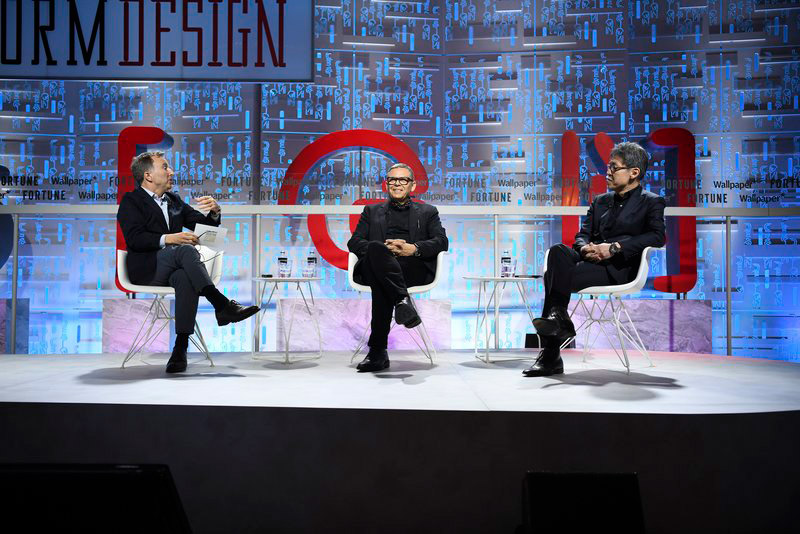
兩周前,《財富》雜志和《墻紙》(Wallpaper*)雜志在新加坡共同舉辦的頭腦風暴設計大會上,兩位全球頂尖的汽車設計師說,汽車世界正在發生重大變化。 前田幾雄和彼得·希瑞爾走上行業巔峰的歷史不盡相同。來自于東京的前田是馬自達傳奇設計師前田又三郎的兒子,他追隨父親的腳步,1982年加入了馬自達,2000年升任設計總監。與此同時,來自于法蘭克福的希瑞爾先后擔任奧迪、大眾、起亞的設計總監,之后成為現代汽車的總裁及設計管理負責人。 他們對汽車技術的進步抱有相似的愿望。但他們也思考過汽車行業或許前景黯淡的想法——有人認為共享經濟導致個人交通出行行業衰落,可能會讓汽車變成“僅僅是為大眾提供代步工具的商品。”前田說,“不過在馬自達,我們相信仍然會有人將汽車視作朋友、伙伴和家人。汽車是特別的,不可替代。” 希瑞爾指出,汽車一直是自由的象征,他回憶了17歲那年一拿到駕照就開車上路的情景,何其快樂。現在,算法和人工智能似乎正在妨礙我們獲得這種自由。“有這么多程序試著了解我們,替我們做決定。”他說,“我們的想象力在流失。” “過去,如果你想從一個地方去另外一個地方,你要看地圖。”他接著說,“你像鴿子一樣,感覺自己在航行。如今你只需要打開車上的導航系統,一邊開車一邊看著顯示器。” 他補充說:“我認為人工智能應該扮演智能輔助的角色。我們需要重新定義自由在這個新時代的意義,而不僅僅是被機器娛樂,被機器統治。它們無法取代人類的創造力[……]包豪斯經常引用希臘哲學家普羅塔哥拉的話,他說:‘人是衡量一切事物的標準。’作為設計師,我們必須牢記這一點。” 前田說:“我害怕的是,我們一旦把注意力放在創新和技術上,就沒有時間去思考美,其實必須兼而有之。”在馬自達,前田的口頭禪是“把汽車作為藝術”,用美學的吸引力加深車主與汽車之間的關系。他舉了馬自達RX Vision Coupe車型的例子。日本人欣賞四季光線變幻的美,他們稱之為Utsuroi(推移變化)。Vision Coupe車型即受此啟發,利用汽車移動時對光線的反射,創造了一種流動的形態,“讓汽車活了起來。”他說,“一輛真正漂亮的汽車可以改變黯淡的城市空間,讓城市煥發生機。” 希瑞爾認為,從更加務實的層面考慮,汽車的美感以及它所包含的情感元素對品牌建設也至關重要。“如果一個品牌想活下來,就要有靈魂,要有故事,要代表某種東西。”他說,“所以我不認為,汽車最后會變成沒有感情色彩的盒子,而我們的設計將繼續以滿足人類真實體驗為中心。”(財富中文網) 譯者:Agatha |
There are big changes afoot in the automotive world, according to two leading car designers who spoke two weeks ago at Brainstorm Design, a conference in Singapore co-organized by Fortune and Wallpaper* magazines. Ikuo Maeda and Peter Schreyer took different paths to the top of their industry. Tokyo-based Maeda is the son of Matasaburo Maeda, a legendary designer at Mazda, and followed his father’s footsteps to the automaker in 1982, rising to his current role as head of design in 2000. Meanwhile, Frankfurt-based Schreyer was design chief for Audi, Volkswagen, and then Kia, before becoming president and head of design management at Hyundai. They share similar hopes for advances in car technology. But they have given thought too to bleaker prophecies—some have suggested that the sharing economy, and thus the decline of individual transport, may transform the car into “a mere commodity, mobility tool for the masses,” said Maeda. “Though at Mazda we believe that there will still be people who see their car as their friend, partner, and a member of their family. That a car is something special and irreplaceable.” Schreyer pointed out that cars have always been symbols of freedom, recalling how he happily drove off at the age of 17 as soon as he earned his license. Now algorithms and artificial intelligence seem to be getting in the way of this freedom. “We have all these programs that learn about us and can make decisions for us,” he said. “So we are losing the culture of fantasy.” “In the olden days, when you wanted to go from one place to another, you looked on the map,” he continued. “You had a sense for navigation like a pigeon. Nowadays you just put on the navigation system in your car and you drive, looking at the screen.” He added: “I think artificial intelligence should be thought of as intelligent assistance. We need to redefine what freedom means in this new era, and not just be entertained and ruled by machines. They cannot replace human creativity […] The Bauhaus would often quote the Greek philosopher Protagoras, who said, ‘man is the measure of all things.’ We as designers must keep this in mind.” “What I’m afraid of,” followed Maeda, “is that once we put our attention to innovation and technology, we don’t have any time to think about beauty. We have to think both ways.” At Mazda, Maeda’s mantra has been “car as art”—using aesthetic allure to reinforce the connection between rider and car. He cited the RX Vision Coupe as an example. In Japan, people have an appreciation for the way light changes throughout the four seasons, which they call Utsuroi. This inspired a flowing form for the Vision Coupe that leverages reflected light while the car is in motion, “to make it come alive,” he said. “A truly beautiful car can transform bleak city spaces and color the city anew.” On a more pragmatic level, Scheyer suggested that the beauty of a car, and thus its emotional charge is essential to brand building too. “If a brand wants to survive, it needs a soul. It needs to tell a story, and it needs to stand for something,” he said. “So I don’t think we’ll ever end up with cars that are neutral boxes. We will continue to design for the human experience.” |