




中國人普遍乳糖不耐受,所以這家公司火了
|
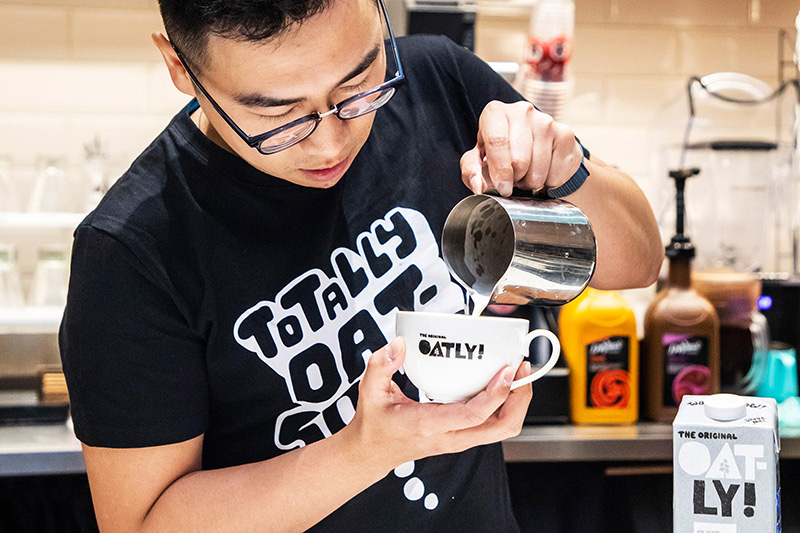
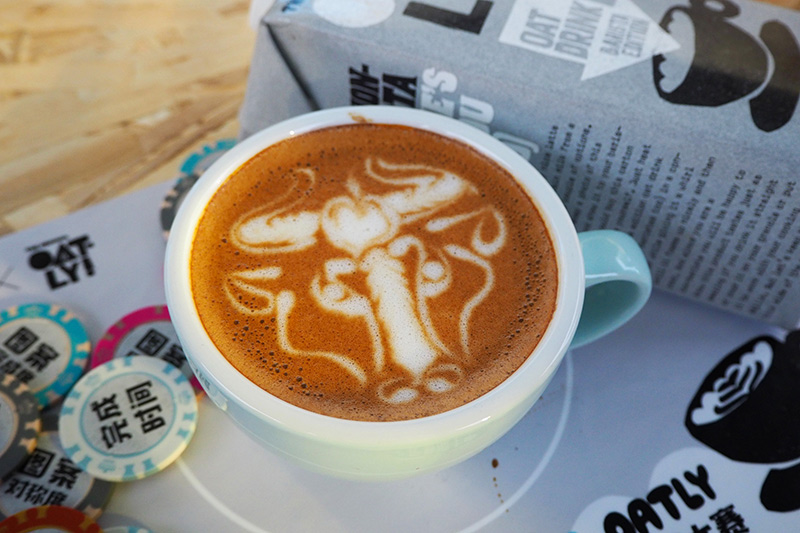
小眾的咖啡師,是來自于瑞典的歐特力(Oatly)切入國際市場的優先選擇。 在中國的“第三次浪潮”下的文青咖啡店,歐特利別具特色的包裝盒的能見度越來越高。歐特力(Oatly)——如其英文名字所指——是用燕麥片造出的像牛奶一樣的飲品,歐特力稱已經與香港80%的文青咖啡店建立了合作關系。歐特力飲品已經大量涌入中國南部港口,現在正在向北拓展,等待它們的是更為巨大的內地市場。 “有些報道說,中國政府希望中國的乳品消費能夠增加兩倍,我想在這方面我們可以提供大力支持。”歐特力的首席執行官托尼·彼得森說。歐特力在上海設立了辦公室,產品鋪進了中國2200家咖啡館和零售店,這家有著25年歷史的公司甚至還造了一個中文字——上面是草字頭,下面是個奶字——用以控制植物基奶的話語權。 這是聰明的一步棋。歐盟的法規不允許燕麥飲品廠家在本土市場上稱歐特利為“牛奶”。乳品業游說人士正在試圖推動美國也出臺類似法規。不過,彼得森堅持認為歐特力不會把其新造的中文字注冊為商標,而是會把它作為開放的源頭,來鼓勵圍繞乳業的各種對話。 |
Niche barista joints are the preferred point of entry into foreign markets for Sweden’s Oatly. In Hong Kong, its stylized cartons are an increasingly common sight in hipster “third wave” coffee shops. Oatly, which—as its name suggests—creates a milk-like product from milled oats, claims to have partnered with 80% of such coffeehouses in the city. Having already stormed into the southern port, Oatly is beginning an expansion north into mainland China, where a much larger market awaits. “Some reports say the Chinese government wants to triple dairy consumption in China, and I think we could be very helpful in supporting that development,” says Oatly CEO Toni Petersson. With an office in Shanghai and sales through more than 2,200 Chinese coffee shops and retailers, the 25-year-old company has even coined a Chinese character—the symbol for grass atop the one for milk—to help control the narrative about plant-based milk. That’s a clever move. EU regulations prevent the oat-drink manufacturer from calling Oatly “milk” in its home market. Dairy lobbyists are pushing for similar restrictions in the U.S. However, Petersson insists Oatly won’t trademark its new Chinese character but will keep it open-source to help encourage dialogue around dairy alternatives. |
|
乳業在中國蓬勃發展。去年乳業的零售總額超過了610億美元,而10年前僅為270億美元,這一數據來自于市場研究機構歐睿國際。(美國乳業市場達650億美元,但最近三年有所下滑。)增長的原因部分是政府在2016年倡議民眾日均牛奶攝入量從100克增加到300克,但主要還是經濟發展的結果。 中國乳業似乎已經克服了一個障礙,那就是乳糖不耐受的問題。據1984年的一份研究,90%的中國人的體內缺少乳糖酶,這是一種能夠在膽內分解乳糖的酶。但隨著中國人在飲食中加入了更多的乳品,他們體內的乳糖酶活性也增強了。而在80年代,很多中國人都不喝牛奶。 “一旦經濟發展了,乳糖消化不良的問題就不再是問題。”荷蘭乳業公司皇家菲仕蘭康柏尼的首席執行官海恩·舒馬赫說。菲仕蘭康柏尼在中國銷售多種品牌的乳品,包括在香港最受歡迎的嬰兒配方乳品Friso。 隨著中國經濟的發展,乳品銷量當然也增長了,不過歐睿國際的數據顯示,低乳糖含量的乳品——奶酪、黃油和奶油——是銷量漲幅最快的產品類別。而且,銷往食品服務業的乳品數量要超過零售,這意味著相當一部分的乳品進入到了加工食品或飲料里。 “芝士茶”是一種暖暖的帶糖茶,上面覆蓋著一層厚厚的類似于奶油芝士的奶泡,這種茶在中國正在風靡起來。菲仕蘭康柏尼已經把它從歐洲市場帶來的一款卡布奇諾咖啡機重新定位成芝士茶機。舒馬赫甚至覺得這種新潮的飲品在西方也會流行起來,或許會,或許不會,但中國人對乳品的需求將以另一種方式影響世界其他地方。 |
Dairy is an exploding business in China. Last year the retail value of its industry passed $61 billion, up from $27 billion 10 years ago, according to market research provider Euromonitor International. (The U.S. dairy market is at $65 billion but has declined in the past three years.) The increase is explained in part by Beijing’s recommendation in 2016 that citizens up their daily dairy intake from 100 grams to 300 grams. But it’s mostly a result of economic development. One hurdle the Chinese dairy industry seems to have overcome is lactose intolerance. More than 90% of China’s population is deficient in lactase, the enzyme that breaks down the milk sugar lactose in the gut, per a 1984 study. But lactase activity increases as people add more dairy to their diet. In 1980s China, not many people were drinking milk. “Once you see societies developing economically, the notion of lactose intolerance seems to become less of a problem,” says Hein Schu?macher, CEO of Netherlands-based dairy firm FrieslandCampina, which sells a number of dairy brands in China, including Hong Kong’s most popular infant formula, Friso. Dairy sales certainly are rising as China’s economy grows, although data from Euromonitor International shows that low-lactose dairy—cheese, butter, and cream—are the fastest-growing segments. Also, sales to the food-service industry outstrip retail sales, suggesting that a significant portion of dairy is going into processed foods or drinks. “Cheese tea,” which is warm sugary chai capped with a thick dairy froth similar to cream cheese, is a growing craze in China. FrieslandCampina has actually repurposed a cappuccino machine from its European market to sell as a cheese-tea machine in China. Schumacher suspects the novelty beverage could even catch on in the West. Maybe, maybe not, but China’s thirst for dairy will impact the rest of the world in another way. |

|
去年荷蘭的瓦赫寧恩大學暨研究中心出了一份報告指,為了滿足中國人日益增長的對牛奶的需求,乳制品造成的全球溫室氣體排放到2050年會增長35%。這種增幅部分原因在于中國國內的乳品制造業效率很低——產出只有美國的一半。 在菲仕蘭康柏尼的全球可持續發展倡議中,有一部分內容是與中國農民合作,提高他們的效率。盡管這一舉措如整個倡議一樣令人尊敬,其效果堪憂。瓦赫寧恩大學報告的聯合作者杰拉德·維爾特霍夫說:“即便中國乳業的效率急劇提升,乳業帶來的全球溫室氣體排放和氮氣排放也將上升20%~25%。因為無論如何,中國對牛奶的需求上升終將帶來全球性的影響。” 于是,歐特力認為自己就是那個拯救者。“我們所做的事有一個奇怪的地方,那就是我們賣得越多,對所有人越有利。”彼得森不無得意地說,他聲稱歐特力的碳排放要比乳業少80%。(2018年牛津大學的一項調查發現,全球平均來看,燕麥基奶產業帶來的排放要比乳業少60%。)這個信息可能引起中國富有的千禧一代和崛起中的Z世代人的共鳴,他們看重產品的環保屬性——即便是用一次性杯在喝著生態環保的燕麥奶。 歐特力計劃在亞洲開一家工廠——這將是全球新開的三家廠之一——明年竣工,用以覆蓋整個區域。彼得森說:“三到五年內,中國將會成為我們真正重要的市場。”(財富中文網) 本文另一版本登載于《財富》雜志2019年8月刊,標題為《中國的燕麥奶》。 譯者:Min |
Last year a report by Netherlands-based Wageningen University & Research found that satisfying China’s increasing demand for cow’s milk could increase global greenhouse-gas emissions from dairy production 35% by 2050. That spike is partly because China’s domestic dairy production is so inefficient—achieving roughly half the yield of the U.S. industry. As part of its global sustainability initiative, FrieslandCampina works with Chinese farmers to help improve their efficiency. But as admirable as that initiative is, its efforts might be moot. Wageningen report coauthor Gerard Velthof says, “Even if the efficiency of the dairy industry in China is drastically increased, global emissions of greenhouse gases and nitrogen produced by this sector will still rise by 20% to 25%. The predicted increase in China’s demand for milk will have major global consequences, whatever the scenario.” Here’s where Oatly considers itself a savior. “The strange thing about what we do is the more we sell, the better it is for everybody,” ?Petersson says, claiming Oatly’s carbon footprint is 80% smaller than the equivalent of dairy. (A 2018 Oxford University study found the global average for oat-milk production was 60% less emissions than those for dairy.) That’s a message that should resonate with China’s wealthy millennials and emergent Generation Z, who value products with environmental positioning—even if they will take their eco-friendly Oatly lattes in disposable cups. Oatly plans to open a factory in Asia—one of three new plants globally—next year to help cover the region. “In three to five years,” Petersson says, “we think China is going to be really, really important for us.”? A version of this article appears in the August 2019 issue of Fortune with the headline “Milking Oats for China.” |