


教科書巨頭:如何看待人工智能在課堂上的潛力和風險
Jenn Brice
2025-01-11
對于許多老師來說,人工智能是一個令人擔憂的新趨勢。
 文本設置
文本設置
 Plus(0條)

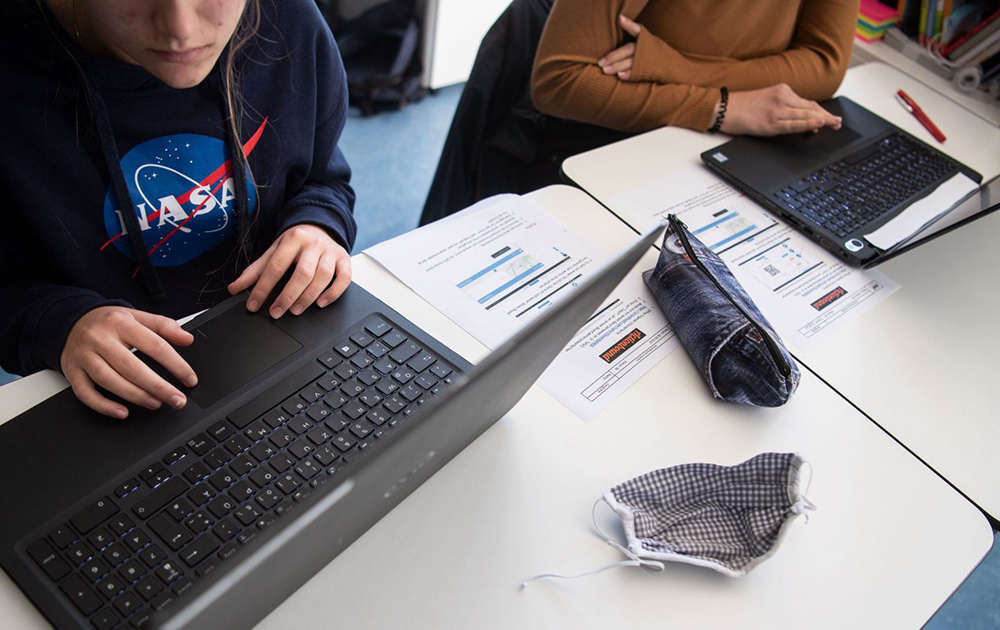
從個人機器人導師到人工智能工具,人工智能對課堂的初步入侵對于像薩姆·奧爾特曼(Sam Altman)這樣的行業推動者來說是進步,是勝利,但對于許多警惕的老師來說,是一個令人擔憂的新趨勢。
教科書出版商麥格勞-希爾公司(McGraw Hill)常常要在兩種不同觀點之間找到平衡。該公司首席數據科學和人工智能官迪倫·阿雷納(Dylan Arena)認為,這個歷史可以追溯到計算器被發明出來的時候。
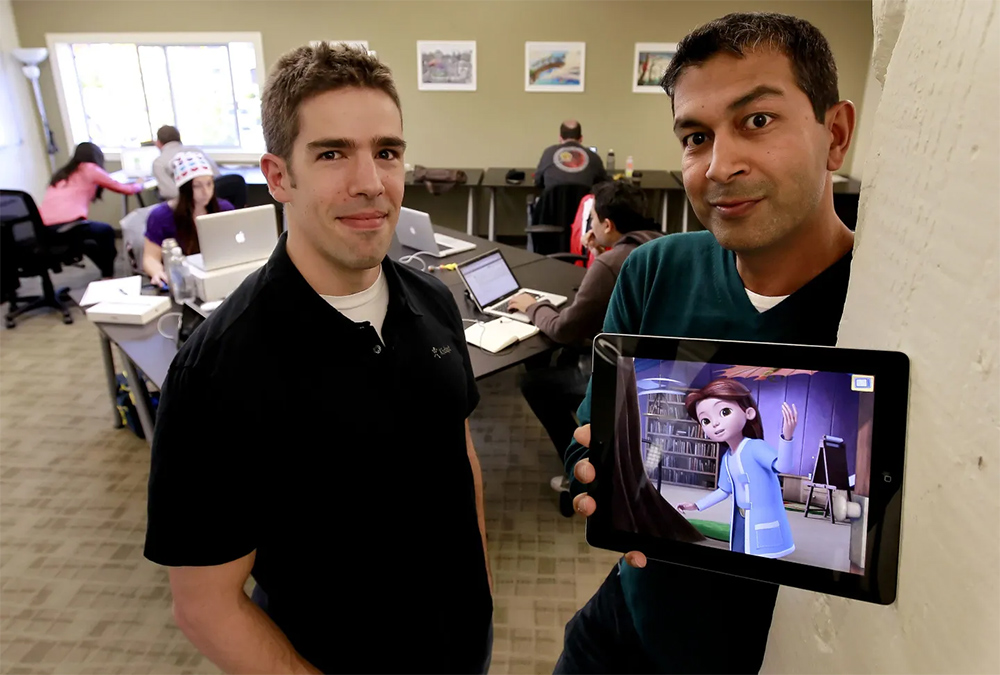
阿雷納對于教育中的數據和科技這個話題有長期思考。他曾經是一名軟件工程師,然后獲得了學習科學(learning science)的博士學位,之后創辦了一家公司,直到2021年加入麥格勞-希爾。該公司收購了他創辦的聚焦于追蹤幼兒發展的教育科技初創公司Kidaptive,。
麥格勞-希爾的公司歷史起始于19世紀的貿易出版業,在這家傳統的印刷公司里,阿雷納的工作變得日益重要。
“從伴隨我們成長的那些教科書的生產商,到今天的教育技術領導者,麥格勞-希爾走過了一段漫長的路程,”阿雷納說。數字數據越來越多地成為麥格勞-希爾產品的一部分:在過去的25年中,其在線數學支持計劃ALEKS成功地幫助了千萬教師和家長了解學生的學習進展。
課堂上的劇變
然而,過去幾年發生的種種事件愈發凸顯出科技與教育結合的重要性。
新冠疫情使得更多數字教學工具被加速采用,但同時我們也看到,學生與同學和老師的人際關系對學習至關重要。
然后,就在一切似乎要重回正常軌道的時候,OpenAI發布了ChatGPT,讓學校陷入一場惡性循環。
有了人工智能技術,學生比以往任何時候都更容易抄襲家庭作業,因此一些人擔心這會妨礙學習。另一方面,教育工作者認識到,人工智能是學生們未來需要在工作中使用的重要技術。
一些教育科技公司迅速做出回應,試圖以學校認可的形式利于這項技術。非營利組織可汗學院(Khan Academy)與OpenAI合作創建了名為Khanmigo的人工智能教學APP,已在美國各地的多個學區上線使用。人工智能初創公司Magic School也為孩子們創建了一個人工智能輔導APP,而教育技術公司Eduaide的人工智能產品則聚焦于幫助教師規劃課程、生成測驗和作業練習。
一些國家正在推動教育出版商迅速將人工智能整合到產品中。在韓國、新加坡和盧旺達等國家,供應商在投標價值數百萬美元的教材和教輔出版合同時,人工智能輔導元素是一個競標評分項。英國政府還發布了對人工智能教育工具資助的招標書。但在美國,小學和中學教科書的選用通常是在州一級甚至學區一級的基礎上進行的,因此人工智能融入學習的步伐相對不均衡和緩慢。
作為一家市值數十億美元的企業,麥格勞-希爾關心的不是能不能跟上人工智能(曾經迅猛,目前正在放緩的)的步伐,而是與蘋果首席執行官蒂姆·庫克(Tim Cook)的那句名言心有戚戚焉:不搶首發,而做最好。
正如阿雷納所說:“我們的品牌信任度如此之高,對我們來說最大的風險不是在人工智能領域行動太慢,而是步伐太快。”
虛擬導師的局限性
阿雷納特別懷疑任何聲稱生成式AI驅動的私人導師將取代人類教師的說法。他不只認為這項技術還不夠強大,還擔心AI聊天機器人無法給予學生恰當的挑戰,因而不利于他們學習關鍵的社會技能,而這些技能也是學校教育的重要組成部分。關于是否能夠完全將教育交由AI輔導APP,他說:“我們絕對不能這么做。”
他還會避免使用那些鼓勵用戶將聊天機器人人格化的工具。他擔心未來每個孩子都有一個由LLM驅動的泰迪·魯斯賓熊——一個能記住孩子最喜歡的童話故事、知道什么能讓孩子悲傷或快樂的毛絨動物:“這會讓他們在心理上待在幼兒園里出不來,他們看到其它小孩的時候會想:‘你們根本沒有我的泰迪·魯斯賓熊有意思。’”
這些擔憂并非毫無根據。在薩姆·奧爾特曼關于生成式人工智能的宣言中,這位OpenAI首席執行官設想了一個繁榮的未來,每個孩子都有自己的虛擬導師,可以用任何語言,以學生需要的速度輔導任何學科。(同時,一個美國家庭起訴Character.ai公司導致其孩子深陷AI并自殺,指出了讓青少年接觸擬人化人工智能可能導致的許多潛在風險。
英國利物浦約翰摩爾斯大學(Liverpool John Moores University)教育學院講師彼得·阿瑟頓(Peter Atherton)表示,人工智能有潛力成為個人學習助手,但需要合適的工具和適當的防護措施。他的研究聚焦教育科技,涵蓋領域從課堂測驗游戲Kahoot到將社交媒體和人工智能作為教育工具。他即將出版一本關于如何在學習過程中使用生成式人工智能的著作。
阿瑟頓指出:“我們正處于學習真正意義的范式轉變的邊緣,但還沒有完全到達那里。”與阿雷納一樣,他認為人工智能應該成為加強學生與人類教師之間對話的工具,而不是讓孩子們粘在電腦屏幕上。
隨著人工智能教育的發展,阿瑟頓擔心大型科技公司可能會利用其資源主導教育領域,而不考慮教師和學生作為最終用戶的最佳利益。他指出,其中一個缺點是,這些工具往往會允許訪問未經過濾的互聯網,而專門的教育科技工具只會從經過批準和核實的信息源提取信息,并附帶其他防護措施,例如確保沒有種族主義或性別歧視的內容。還有一個問題是指導教師和學生如何使用新工具,并確保沒有過多的新項目占據課堂。
人工智能教育的支持者經常將其框定為一種工具,可以幫助解決不平等問題,為那些父母在放學后或周末不能在身邊輔導功課、或者那些無法負擔課外輔導費用的學生提供個性化的輔導機會。它還可以幫助負擔過重的貧困學區教師提高工作效率。然而,人工智能是否真的能以這種方式發揮作用在很大程度上取決于可及性——這仍然歸結于金錢。學區需要資金來購買新的人工智能軟件和數字教科書,學生和教師需要獲得筆記本電腦、平板電腦或智能手機以及可靠的寬帶連接,才能使用上這些新資源。
“這不是技術問題,而是學習問題”
2024年,麥格勞-希爾推出了兩款面向課堂的通用人工智能工具,但兩款工具都沒有炫酷的界面或吸引人的名稱。其中一款是面向高等教育的人工智能閱讀器,另一款是面向中學生的寫作助手。阿雷納稱,兩款產品都于2024年8月推出,設計理念都是基于教師提供的輸入內容。它們都能直接整合到學生已經熟悉的現有麥格勞-希爾工具上。
其中一款工具名為“AI Reader”(AI閱讀器),可用于麥格勞-希爾出版社的150種數字書。學生可以借助它來分析讓他們卡住的文本段落,對選中的文字進行重新表述。
老師們告訴麥格勞-希爾的研究人員,學生來教師辦公室的一個常見原因是要求簡化或重新表述課堂閱讀材料,因此誕生了這款軟件。
“這個功能主要不是技術問題,而是學習問題,”阿雷諾說。他將這款產品與學習中的建構主義理論聯系起來,或者說,學習者不僅在吸收知識,更是通過與知識互動來構建自己的知識。
“當學生進行主動閱讀時,如果他們無法理解文本,無法完全理解某個關鍵概念或某個特別的短語,他們就無法構建知識結構,”他說。
自推出以來,已有超過28,000名學生使用了該工具,早期數據顯示,使用AI Reader的學生的閱讀時間通常會增加50%。阿雷諾指出,這通常是一個好跡象,盡管現在判斷是否存在因果關系還為時過早。
盧克·威廉姆斯(Luke Williams)是中央華盛頓大學(Central Washington University)的一名講師,他在課堂上使用了該工具。他認為,從支持學生閱讀到幫助教師設計課程,通用人工智能是高等教育的游戲規則改變者。然而他也指出,學術機構往往較晚采用炫酷的新技術。
威廉姆斯認為,雖然有些教授可能會推遲采用人工智能,但學生們已經在使用它了。他說:“重要的是采取一種有分寸的方法,同時對即將到來的一切保持好奇和開放的心態。”
除了AI Reader,麥格勞-希爾正在測試一款名為“Writing Assistant”(寫作助理)的工具,在六至十二年級進行測試。它能做到人們可能預料到的事情——在學生完成作業時給予他們反饋。它能整合到麥格勞-希爾現有的兩個數字工具里,即“Actively Learn”(主動學習)和“Achieve3000 Literacy”(實現3000識字)。
它的出現是為了節省教師的時間,在學生完成作業時,能為班上的每個學生提供個性化支持。阿雷諾解釋說,Writing Assistant可以幫助學生實時整理寫作的基本要素,如語法和標點符號,這樣老師的反饋可以集中在學生的想法上。
但阿雷諾并沒有假裝它是解決聊天機器人泛濫問題的良藥。
他補充道:“如果孩子們想要用ChatGPT,只需要打開一個標簽就能使用ChatGPT了。”(財富中文網)
譯者:珠珠
從個人機器人導師到人工智能工具,人工智能對課堂的初步入侵對于像薩姆·奧爾特曼(Sam Altman)這樣的行業推動者來說是進步,是勝利,但對于許多警惕的老師來說,是一個令人擔憂的新趨勢。
教科書出版商麥格勞-希爾公司(McGraw Hill)常常要在兩種不同觀點之間找到平衡。該公司首席數據科學和人工智能官迪倫·阿雷納(Dylan Arena)認為,這個歷史可以追溯到計算器被發明出來的時候。
阿雷納對于教育中的數據和科技這個話題有長期思考。他曾經是一名軟件工程師,然后獲得了學習科學(learning science)的博士學位,之后創辦了一家公司,直到2021年加入麥格勞-希爾。該公司收購了他創辦的聚焦于追蹤幼兒發展的教育科技初創公司Kidaptive,。
麥格勞-希爾的公司歷史起始于19世紀的貿易出版業,在這家傳統的印刷公司里,阿雷納的工作變得日益重要。
“從伴隨我們成長的那些教科書的生產商,到今天的教育技術領導者,麥格勞-希爾走過了一段漫長的路程,”阿雷納說。數字數據越來越多地成為麥格勞-希爾產品的一部分:在過去的25年中,其在線數學支持計劃ALEKS成功地幫助了千萬教師和家長了解學生的學習進展。
課堂上的劇變
然而,過去幾年發生的種種事件愈發凸顯出科技與教育結合的重要性。
新冠疫情使得更多數字教學工具被加速采用,但同時我們也看到,學生與同學和老師的人際關系對學習至關重要。
然后,就在一切似乎要重回正常軌道的時候,OpenAI發布了ChatGPT,讓學校陷入一場惡性循環。
有了人工智能技術,學生比以往任何時候都更容易抄襲家庭作業,因此一些人擔心這會妨礙學習。另一方面,教育工作者認識到,人工智能是學生們未來需要在工作中使用的重要技術。
一些教育科技公司迅速做出回應,試圖以學校認可的形式利于這項技術。非營利組織可汗學院(Khan Academy)與OpenAI合作創建了名為Khanmigo的人工智能教學APP,已在美國各地的多個學區上線使用。人工智能初創公司Magic School也為孩子們創建了一個人工智能輔導APP,而教育技術公司Eduaide的人工智能產品則聚焦于幫助教師規劃課程、生成測驗和作業練習。
一些國家正在推動教育出版商迅速將人工智能整合到產品中。在韓國、新加坡和盧旺達等國家,供應商在投標價值數百萬美元的教材和教輔出版合同時,人工智能輔導元素是一個競標評分項。英國政府還發布了對人工智能教育工具資助的招標書。但在美國,小學和中學教科書的選用通常是在州一級甚至學區一級的基礎上進行的,因此人工智能融入學習的步伐相對不均衡和緩慢。
作為一家市值數十億美元的企業,麥格勞-希爾關心的不是能不能跟上人工智能(曾經迅猛,目前正在放緩的)的步伐,而是與蘋果首席執行官蒂姆·庫克(Tim Cook)的那句名言心有戚戚焉:不搶首發,而做最好。
正如阿雷納所說:“我們的品牌信任度如此之高,對我們來說最大的風險不是在人工智能領域行動太慢,而是步伐太快。”
虛擬導師的局限性
阿雷納特別懷疑任何聲稱生成式AI驅動的私人導師將取代人類教師的說法。他不只認為這項技術還不夠強大,還擔心AI聊天機器人無法給予學生恰當的挑戰,因而不利于他們學習關鍵的社會技能,而這些技能也是學校教育的重要組成部分。關于是否能夠完全將教育交由AI輔導APP,他說:“我們絕對不能這么做。”
他還會避免使用那些鼓勵用戶將聊天機器人人格化的工具。他擔心未來每個孩子都有一個由LLM驅動的泰迪·魯斯賓熊——一個能記住孩子最喜歡的童話故事、知道什么能讓孩子悲傷或快樂的毛絨動物:“這會讓他們在心理上待在幼兒園里出不來,他們看到其它小孩的時候會想:‘你們根本沒有我的泰迪·魯斯賓熊有意思。’”
這些擔憂并非毫無根據。在薩姆·奧爾特曼關于生成式人工智能的宣言中,這位OpenAI首席執行官設想了一個繁榮的未來,每個孩子都有自己的虛擬導師,可以用任何語言,以學生需要的速度輔導任何學科。(同時,一個美國家庭起訴Character.ai公司導致其孩子深陷AI并自殺,指出了讓青少年接觸擬人化人工智能可能導致的許多潛在風險。
英國利物浦約翰摩爾斯大學(Liverpool John Moores University)教育學院講師彼得·阿瑟頓(Peter Atherton)表示,人工智能有潛力成為個人學習助手,但需要合適的工具和適當的防護措施。他的研究聚焦教育科技,涵蓋領域從課堂測驗游戲Kahoot到將社交媒體和人工智能作為教育工具。他即將出版一本關于如何在學習過程中使用生成式人工智能的著作。
阿瑟頓指出:“我們正處于學習真正意義的范式轉變的邊緣,但還沒有完全到達那里。”與阿雷納一樣,他認為人工智能應該成為加強學生與人類教師之間對話的工具,而不是讓孩子們粘在電腦屏幕上。
隨著人工智能教育的發展,阿瑟頓擔心大型科技公司可能會利用其資源主導教育領域,而不考慮教師和學生作為最終用戶的最佳利益。他指出,其中一個缺點是,這些工具往往會允許訪問未經過濾的互聯網,而專門的教育科技工具只會從經過批準和核實的信息源提取信息,并附帶其他防護措施,例如確保沒有種族主義或性別歧視的內容。還有一個問題是指導教師和學生如何使用新工具,并確保沒有過多的新項目占據課堂。
人工智能教育的支持者經常將其框定為一種工具,可以幫助解決不平等問題,為那些父母在放學后或周末不能在身邊輔導功課、或者那些無法負擔課外輔導費用的學生提供個性化的輔導機會。它還可以幫助負擔過重的貧困學區教師提高工作效率。然而,人工智能是否真的能以這種方式發揮作用在很大程度上取決于可及性——這仍然歸結于金錢。學區需要資金來購買新的人工智能軟件和數字教科書,學生和教師需要獲得筆記本電腦、平板電腦或智能手機以及可靠的寬帶連接,才能使用上這些新資源。
“這不是技術問題,而是學習問題”
2024年,麥格勞-希爾推出了兩款面向課堂的通用人工智能工具,但兩款工具都沒有炫酷的界面或吸引人的名稱。其中一款是面向高等教育的人工智能閱讀器,另一款是面向中學生的寫作助手。阿雷納稱,兩款產品都于2024年8月推出,設計理念都是基于教師提供的輸入內容。它們都能直接整合到學生已經熟悉的現有麥格勞-希爾工具上。
其中一款工具名為“AI Reader”(AI閱讀器),可用于麥格勞-希爾出版社的150種數字書。學生可以借助它來分析讓他們卡住的文本段落,對選中的文字進行重新表述。
老師們告訴麥格勞-希爾的研究人員,學生來教師辦公室的一個常見原因是要求簡化或重新表述課堂閱讀材料,因此誕生了這款軟件。
“這個功能主要不是技術問題,而是學習問題,”阿雷諾說。他將這款產品與學習中的建構主義理論聯系起來,或者說,學習者不僅在吸收知識,更是通過與知識互動來構建自己的知識。
“當學生進行主動閱讀時,如果他們無法理解文本,無法完全理解某個關鍵概念或某個特別的短語,他們就無法構建知識結構,”他說。
自推出以來,已有超過28,000名學生使用了該工具,早期數據顯示,使用AI Reader的學生的閱讀時間通常會增加50%。阿雷諾指出,這通常是一個好跡象,盡管現在判斷是否存在因果關系還為時過早。
盧克·威廉姆斯(Luke Williams)是中央華盛頓大學(Central Washington University)的一名講師,他在課堂上使用了該工具。他認為,從支持學生閱讀到幫助教師設計課程,通用人工智能是高等教育的游戲規則改變者。然而他也指出,學術機構往往較晚采用炫酷的新技術。
威廉姆斯認為,雖然有些教授可能會推遲采用人工智能,但學生們已經在使用它了。他說:“重要的是采取一種有分寸的方法,同時對即將到來的一切保持好奇和開放的心態。”
除了AI Reader,麥格勞-希爾正在測試一款名為“Writing Assistant”(寫作助理)的工具,在六至十二年級進行測試。它能做到人們可能預料到的事情——在學生完成作業時給予他們反饋。它能整合到麥格勞-希爾現有的兩個數字工具里,即“Actively Learn”(主動學習)和“Achieve3000 Literacy”(實現3000識字)。
它的出現是為了節省教師的時間,在學生完成作業時,能為班上的每個學生提供個性化支持。阿雷諾解釋說,Writing Assistant可以幫助學生實時整理寫作的基本要素,如語法和標點符號,這樣老師的反饋可以集中在學生的想法上。
但阿雷諾并沒有假裝它是解決聊天機器人泛濫問題的良藥。
他補充道:“如果孩子們想要用ChatGPT,只需要打開一個標簽就能使用ChatGPT了。”(財富中文網)
譯者:珠珠
AI’s incipient invasion of the classroom, from personal robo-tutors to AI-powered tools, is a triumph of progress to industry boosters like Sam Altman—and a worrisome new trend to many wary teachers.
For McGraw Hill, the publisher of educational textbooks, finding a balance between the two diverging views is nothing new. The tension dates back to the invention of the calculator, says Dylan Arena, chief data science and AI officer at McGraw Hill.
Arena has long thought about data and technology in education. He was a software engineer, then a learning science PhD, then a startup founder, before he joined McGraw Hill in 2021. The company had acquired Kidaptive, his ed-tech startup for tracking early childhood development.
His current job is an increasingly important one at a company with roots in traditional printing, dating back to 19th-century trade publishing.
“It’s a long journey from that company that made those textbooks that we grew up with to the sort of ed-tech leader that we are today,” Arena says. Digital data has increasingly been part of the McGraw Hill product offering: For the past 25 years, its online math support program, ALEKS, has given teachers and parents insight into a student’s progress.
Upheaval in the classroom
It’s the events of the past few years, however, that have really underscored the importance of getting it right when it comes to technology and education.
The COVID-19 pandemic spurred the uptake of more digital teaching tools. But it was also a reminder that human relationships that students have with their classmates and their teachers are essential to learning.
Then, just as things seemed set to return to normal, OpenAI released ChatGPT and sent schools into a spiral.
AI technology has made it easier than ever for students to plagiarize homework and as a result, some fear, to sabotage their own learning. On the other hand, educators recognize that AI is an important technology that pupils will one day need to use in the workplace.
Some ed-tech companies have been quick to respond with attempts to rein in the technology in the form of school-sanctioned tools. The nonprofit Khan Academy partnered with OpenAI to create Khanmigo, an AI teaching app that it has rolled out to school districts across the U.S. Magic School, an AI startup, has also created an AI tutoring app for kids, while education technology company Eduaide has geared its AI offerings more toward supporting teachers in planning lessons and producing quizzes and homework worksheets.
Some countries are pushing educational publishers to integrate AI rapidly into their product offerings. South Korea, Singapore, and Rwanda are among the nations that have asked companies bidding on multimillion-dollar contracts to supply textbooks and other educational materials to their school systems to include AI tutoring elements as part of those bids. The U.K. government also has put out requests for proposals for funding for AI education tools. But in the U.S., where primary and secondary school textbook choices are often made on a state by state or even school district by school district basis, the pace of AI integration into learning is more uneven and halting.
For McGraw Hill, a multibillion-dollar enterprise, the concern isn’t about keeping up with the (once rapid, now slowing) pace of AI scaling. It echoes the mantra of Apple CEO Tim Cook: not first, but best.
“Our levels of brand trust are so high that the greatest risk for us is not moving too slowly on AI, it’s moving too fast on AI,” as Arena puts it.
The limits of virtual tutors
Arena is particularly skeptical of any claims that generative AI–powered personal tutors will ever replace human teachers. It’s not just that he thinks the tech isn’t capable enough. He worries that AI chatbots won’t challenge students properly, and that it will discourage them from learning key social skills that are also a vital part of what schools teach. “We should absolutely not be doing that,” he says of turning education over completely to AI tutoring apps.
He also avoids tools that encourage users to personify a chatbot. He fears a future where every child has a Teddy Ruxpin bear powered by an LLM—a stuffed animal that remembers its child owner’s favorite stories and what makes them laugh or cry: “That just might set them onto a track where they go into kindergarten, and they look at the real kids, and they’re like, ‘Oh, you guys aren’t anywhere near as cool as my Teddy Ruxpin.’”
Those fears aren’t unfounded. In Sam Altman’s manifesto on generative artificial intelligence, the OpenAI CEO envisioned a prosperous future in which every child has a personal virtual tutor for every subject, in any language, working at whatever pace the student needs. (Meanwhile, a family’s lawsuit against Character.AI following their teen’s suicide points to the many unknowns and potential risks of exposing young people to AI personalities.)
There is potential for AI as a personal learning assistant, but only with the right tools and appropriate guardrails, says Peter Atherton, a lecturer in the school of education at Liverpool John Moores University in the U.K. His research covers ed tech, from the classroom quiz game Kahoot to social media and AI as educational tools. His forthcoming book is about how to use gen AI in the learning process.
“We’re on the precipice of a paradigm shift with what learning really is, and we’re not quite there yet,” Atherton notes. Like Arena, he sees AI working as a tool to enhance the dialogue between students and their human teachers, rather than a way to keep kids tied to computer screens.
As the AI ed-tech space develops, Atherton fears that Big Tech companies could use their resources to dominate the education space, without considering what’s best for teachers and students as end users. One drawback, he notes, is that those tools tend to unleash access to the unfiltered internet, whereas specialized ed-tech tools are engineered to draw information only from approved, verified sources and come complete with other guardrails to, for instance, ensure they aren’t generating racist or sexist content. There’s also the question of instructing both teachers and students in how to use the new tools and ensuring there’s not an overflow of new programs taking over the classroom.
Proponents of AI’s use in education often frame it as a tool that could help address inequality, giving students whose parents might not be around after school or on weekends to help with homework assignments and whose families can’t afford to pay for human tutoring the chance to have personalized learning assistance. It could also help overburdened teachers in poorer school districts to work more productively. But, of course, whether AI actually functions in this way greatly depends on access—which still comes down to money. Districts need funds to purchase the new AI-enabled software and digital textbooks, and students and teachers need access to laptops, tablets, or smartphones and reliable broadband connections to use the new resources.
‘Not a technology thing, it’s a learning thing’
This year, McGraw Hill rolled out its first two gen AI tools for the classroom, and neither comes with a flashy interface or a friendly name. There’s an AI Reader for higher ed, and the Writing Assistant for middle and high schoolers. Both launched in August and were created with input from teachers, Arena notes. Both are built right into existing McGraw Hill tools that the students are already familiar with.
The AI Reader is enabled on 150 of McGraw Hill’s digital titles. A student can prompt it to analyze a passage of text that they’re stuck on, and the AI Reader will rephrase the highlighted section.
It was created after instructors told McGraw Hill researchers that students are often coming to office hours to ask for a simplification or reframing of what was covered in class readings.
“The feature is primarily not a technology thing, it’s a learning thing,” Arena says. He ties it to the theory of constructivism in learning, or the idea that learners don’t just absorb knowledge, they build it by interacting with it.
“When students are doing active reading, if they can’t access the text, if they can’t quite get this key concept or this weird phrase or whatever, they can’t build that knowledge structure,” he says.
More than 28,000 students have used the tool since it launched, and early data shows that students who use AI Reader tend to spend 50% more time with their reading. That’s generally a good sign, although it’s too soon to tell if there’s a causal relationship, Arena notes.
Luke Williams, a lecturer at Central Washington University, used the tool in his class. He sees gen AI as a game changer for higher education, from supporting student readings to helping instructors design courses. Still, he notes that academic institutions tend to be later adopters of flashy new tech.
And while some professors might be putting off AI adoption, their students are already using it, Williams notes. “It’s important to take a measured approach, but also an approach that is curious and open-minded to what’s coming,” he says.
On top of the AI Reader, McGraw Hill is testing a tool known as Writing Assistant with a limited crowd of sixth- through 12th-grade classrooms. It does what one might anticipate—giving budding writers feedback on their assignments as they’re doing them. It’s embedded in two of McGraw Hill’s existing digital tools, the Actively Learn and Achieve3000 Literacy programs.
It’s meant to save teachers time on the tough task of giving every student in their class individual support as they all work on an assignment. The Writing Assistant helps students sort out the building blocks of writing, like grammar and punctuation, in real time, so the teacher’s feedback can focus on a student’s ideas, Arena explains.
But Arena doesn’t pretend it’s an antidote to the plethora of chatbots out there.
“If the kids want ChatGPT, they can just open a tab and use ChatGPT,” Arena adds.

請打開財富Plus APP