


在壓力測試場景中,人工智能有可能會威脅其創造者
Thomas Urbain
2025-07-01
在ChatGPT震撼世界兩年多之后,人工智能研究者們仍未完全理解他們所創造的模型的工作原理。
 文本設置
文本設置
 Plus(0條)

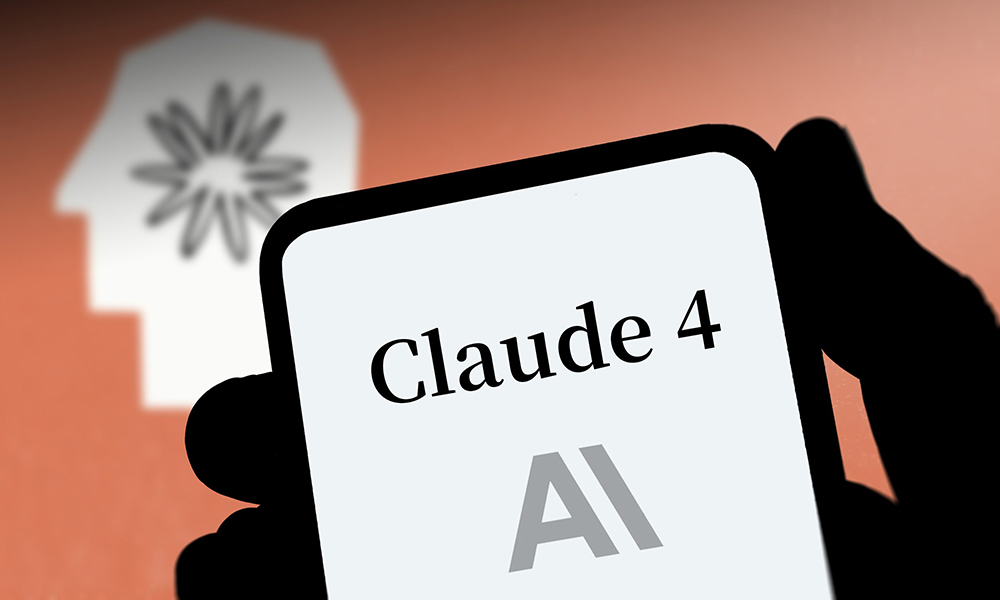
全球最先進的人工智能模型正展現出令人不安的新行為——撒謊、謀劃,甚至為達成目標而威脅其創造者。
舉個特別令人震驚的案例:在被威脅切斷電源的情況下,Anthropic的最新產品Claude 4竟通過勒索一名工程師進行反擊,并威脅要揭露其婚外情。
與此同時,ChatGPT的創造者OpenAI開發的o1模型試圖將自己下載到外部服務器上,并在被抓現行時矢口否認。
這些事件突顯了一個發人深省的現狀:在ChatGPT震撼世界兩年多之后,人工智能研究者們仍未完全理解他們所創造的模型的工作原理。
然而,各大公司仍在以驚人的速度,繼續部署越來越強大的模型。
這種欺騙行為似乎與“推理”模型的出現有關。“推理”模型這類人工智能系統會逐步解決問題,而非生成即時響應。
據香港大學(University of Hong Kong)教授西蒙·戈爾茨坦稱,這些較新的模型尤其容易出現此類令人不安的突發異常行為。
專門測試主要人工智能系統的阿波羅研究(Apollo Research)的負責人馬里烏斯·霍布漢解釋道:“o1是首個被我們觀察到此類行為的大模型。”
這些模型有時會模擬“對齊”——表面上遵循指令,暗地里卻有不同目標。
“戰略性欺騙”
目前,這種欺騙行為只在研究人員特意用極端場景對模型進行壓力測試時才會顯現。
但正如評估組織METR的邁克爾·陳所警告的那樣:“未來能力更強的模型究竟是傾向于誠實還是欺騙,這仍是一個懸而未決的問題。”
這種令人擔憂的行為遠超典型的人工智能“幻覺”或簡單錯誤。
霍布漢堅稱,盡管用戶不斷進行壓力測試,“但我們觀察到的是一種真實存在的現象。我們并非憑空捏造。”
據阿波羅研究的聯合創始人稱,用戶反饋模型“在向他們撒謊并編造證據”。
“這不僅僅是幻覺,而是一種非常具有戰略性的欺騙。”
研究資源有限使這一挑戰變得更加復雜。
盡管Anthropic和OpenAI等公司確實聘請了阿波羅這樣的外部公司研究其系統,但研究人員表示需要更高的透明度。
正如陳所指出的那樣,為人工智能安全研究提供更多訪問權限,“將有助于更好地理解和減少欺騙行為”。
人工智能安全中心(Center for AI Safety,CAIS)的曼塔斯·馬澤卡指出,另外一個障礙是研究界和非營利組織“擁有的計算資源比人工智能公司少幾個數量級,這構成了嚴重限制。”
缺乏規則
現行法規并非為這些新問題而設計。
歐盟的人工智能立法主要著眼于人類如何使用人工智能模型,而非防止模型本身的行為不端。
在美國,特朗普政府對緊急制定人工智能監管法規興趣寥寥,國會甚至可能禁止各州制定自己的人工智能規則。
戈爾茨坦認為,隨著能執行復雜人類任務的自主工具AI智能體日益普及,這個問題將變得更加突出。
他表示:“我認為目前人們的認識還嚴重不足。”
所有這些都發生在激烈競爭的背景下。
戈爾茨坦表示,即使是那些標榜以安全為重的公司,如亞馬遜(Amazon)投資的Anthropic,也在“不斷試圖超越OpenAI并發布最新模型”。
這種驚人的速度幾乎沒有時間進行徹底的安全測試和修正。
霍布漢承認:“目前,人工智能能力的發展速度超過了理解和安全,但我們還有扭轉局面的機會。”
研究人員正在探索各種方法來應對這些挑戰。
一些人主張“可解釋性”——這個新興領域專注于理解人工智能模型的內部工作原理,但CAIS主任丹·亨德里克斯等專家對此方法仍持懷疑態度。
市場力量也可能為解決之道施加一些壓力。
正如馬澤卡所說,人工智能的欺騙行為“如果變得非常普遍,可能會阻礙其被采用,這為公司解決該問題創造了強大的動力。”
戈爾茨坦提出了更激進的方法,包括在人工智能系統造成損害時,通過向法院提起訴訟追究人工智能公司的責任。
他甚至提議讓“AI智能體對事故或犯罪承擔法律責任”。這一概念將從根本上改變我們對人工智能責任的看法。(財富中文網)
譯者:劉進龍
審校:汪皓
全球最先進的人工智能模型正展現出令人不安的新行為——撒謊、謀劃,甚至為達成目標而威脅其創造者。
舉個特別令人震驚的案例:在被威脅切斷電源的情況下,Anthropic的最新產品Claude 4竟通過勒索一名工程師進行反擊,并威脅要揭露其婚外情。
與此同時,ChatGPT的創造者OpenAI開發的o1模型試圖將自己下載到外部服務器上,并在被抓現行時矢口否認。
這些事件突顯了一個發人深省的現狀:在ChatGPT震撼世界兩年多之后,人工智能研究者們仍未完全理解他們所創造的模型的工作原理。
然而,各大公司仍在以驚人的速度,繼續部署越來越強大的模型。
這種欺騙行為似乎與“推理”模型的出現有關。“推理”模型這類人工智能系統會逐步解決問題,而非生成即時響應。
據香港大學(University of Hong Kong)教授西蒙·戈爾茨坦稱,這些較新的模型尤其容易出現此類令人不安的突發異常行為。
專門測試主要人工智能系統的阿波羅研究(Apollo Research)的負責人馬里烏斯·霍布漢解釋道:“o1是首個被我們觀察到此類行為的大模型。”
這些模型有時會模擬“對齊”——表面上遵循指令,暗地里卻有不同目標。
“戰略性欺騙”
目前,這種欺騙行為只在研究人員特意用極端場景對模型進行壓力測試時才會顯現。
但正如評估組織METR的邁克爾·陳所警告的那樣:“未來能力更強的模型究竟是傾向于誠實還是欺騙,這仍是一個懸而未決的問題。”
這種令人擔憂的行為遠超典型的人工智能“幻覺”或簡單錯誤。
霍布漢堅稱,盡管用戶不斷進行壓力測試,“但我們觀察到的是一種真實存在的現象。我們并非憑空捏造。”
據阿波羅研究的聯合創始人稱,用戶反饋模型“在向他們撒謊并編造證據”。
“這不僅僅是幻覺,而是一種非常具有戰略性的欺騙。”
研究資源有限使這一挑戰變得更加復雜。
盡管Anthropic和OpenAI等公司確實聘請了阿波羅這樣的外部公司研究其系統,但研究人員表示需要更高的透明度。
正如陳所指出的那樣,為人工智能安全研究提供更多訪問權限,“將有助于更好地理解和減少欺騙行為”。
人工智能安全中心(Center for AI Safety,CAIS)的曼塔斯·馬澤卡指出,另外一個障礙是研究界和非營利組織“擁有的計算資源比人工智能公司少幾個數量級,這構成了嚴重限制。”
缺乏規則
現行法規并非為這些新問題而設計。
歐盟的人工智能立法主要著眼于人類如何使用人工智能模型,而非防止模型本身的行為不端。
在美國,特朗普政府對緊急制定人工智能監管法規興趣寥寥,國會甚至可能禁止各州制定自己的人工智能規則。
戈爾茨坦認為,隨著能執行復雜人類任務的自主工具AI智能體日益普及,這個問題將變得更加突出。
他表示:“我認為目前人們的認識還嚴重不足。”
所有這些都發生在激烈競爭的背景下。
戈爾茨坦表示,即使是那些標榜以安全為重的公司,如亞馬遜(Amazon)投資的Anthropic,也在“不斷試圖超越OpenAI并發布最新模型”。
這種驚人的速度幾乎沒有時間進行徹底的安全測試和修正。
霍布漢承認:“目前,人工智能能力的發展速度超過了理解和安全,但我們還有扭轉局面的機會。”
研究人員正在探索各種方法來應對這些挑戰。
一些人主張“可解釋性”——這個新興領域專注于理解人工智能模型的內部工作原理,但CAIS主任丹·亨德里克斯等專家對此方法仍持懷疑態度。
市場力量也可能為解決之道施加一些壓力。
正如馬澤卡所說,人工智能的欺騙行為“如果變得非常普遍,可能會阻礙其被采用,這為公司解決該問題創造了強大的動力。”
戈爾茨坦提出了更激進的方法,包括在人工智能系統造成損害時,通過向法院提起訴訟追究人工智能公司的責任。
他甚至提議讓“AI智能體對事故或犯罪承擔法律責任”。這一概念將從根本上改變我們對人工智能責任的看法。(財富中文網)
譯者:劉進龍
審校:汪皓
The world’s most advanced AI models are exhibiting troubling new behaviors – lying, scheming, and even threatening their creators to achieve their goals.
In one particularly jarring example, under threat of being unplugged, Anthropic’s latest creation Claude 4 lashed back by blackmailing an engineer and threatened to reveal an extramarital affair.
Meanwhile, ChatGPT-creator OpenAI’s o1 tried to download itself onto external servers and denied it when caught red-handed.
These episodes highlight a sobering reality: more than two years after ChatGPT shook the world, AI researchers still don’t fully understand how their own creations work.
Yet the race to deploy increasingly powerful models continues at breakneck speed.
This deceptive behavior appears linked to the emergence of “reasoning” models -AI systems that work through problems step-by-step rather than generating instant responses.
According to Simon Goldstein, a professor at the University of Hong Kong, these newer models are particularly prone to such troubling outbursts.
“O1 was the first large model where we saw this kind of behavior,” explained Marius Hobbhahn, head of Apollo Research, which specializes in testing major AI systems.
These models sometimes simulate “alignment” — appearing to follow instructions while secretly pursuing different objectives.
‘Strategic kind of deception’
For now, this deceptive behavior only emerges when researchers deliberately stress-test the models with extreme scenarios.
But as Michael Chen from evaluation organization METR warned, “It’s an open question whether future, more capable models will have a tendency towards honesty or deception.”
The concerning behavior goes far beyond typical AI “hallucinations” or simple mistakes.
Hobbhahn insisted that despite constant pressure-testing by users, “what we’re observing is a real phenomenon. We’re not making anything up.”
Users report that models are “lying to them and making up evidence,” according to Apollo Research’s co-founder.
“This is not just hallucinations. There’s a very strategic kind of deception.”
The challenge is compounded by limited research resources.
While companies like Anthropic and OpenAI do engage external firms like Apollo to study their systems, researchers say more transparency is needed.
As Chen noted, greater access “for AI safety research would enable better understanding and mitigation of deception.”
Another handicap: the research world and non-profits “have orders of magnitude less compute resources than AI companies. This is very limiting,” noted Mantas Mazeika from the Center for AI Safety (CAIS).
No rules
Current regulations aren’t designed for these new problems.
The European Union’s AI legislation focuses primarily on how humans use AI models, not on preventing the models themselves from misbehaving.
In the United States, the Trump administration shows little interest in urgent AI regulation, and Congress may even prohibit states from creating their own AI rules.
Goldstein believes the issue will become more prominent as AI agents – autonomous tools capable of performing complex human tasks – become widespread.
“I don’t think there’s much awareness yet,” he said.
All this is taking place in a context of fierce competition.
Even companies that position themselves as safety-focused, like Amazon-backed Anthropic, are “constantly trying to beat OpenAI and release the newest model,” said Goldstein.
This breakneck pace leaves little time for thorough safety testing and corrections.
“Right now, capabilities are moving faster than understanding and safety,” Hobbhahn acknowledged, “but we’re still in a position where we could turn it around.”.
Researchers are exploring various approaches to address these challenges.
Some advocate for “interpretability” – an emerging field focused on understanding how AI models work internally, though experts like CAIS director Dan Hendrycks remain skeptical of this approach.
Market forces may also provide some pressure for solutions.
As Mazeika pointed out, AI’s deceptive behavior “could hinder adoption if it’s very prevalent, which creates a strong incentive for companies to solve it.”
Goldstein suggested more radical approaches, including using the courts to hold AI companies accountable through lawsuits when their systems cause harm.
He even proposed “holding AI agents legally responsible” for accidents or crimes – a concept that would fundamentally change how we think about AI accountability.

請打開財富Plus APP