


對話思科和高通CEO:新形勢下的新機遇
Clifton Leaf
2020-05-28
兩位CEO為何如此看好以遠程會議和遠程醫療為代表的網絡技術新時代?
 文本設置
文本設置
 Plus(0條)

如果說社交疏離對我們有什么教益的話,那就是即使是虛擬的面對面互動也極其重要——這或許是備受推崇的5G蜂窩網絡標準迄今所提供的最佳應用案例。那么,作為這項技術的兩位重量級擁護者,思科首席執行官羅卓克和高通首席執行官史蒂夫?莫倫科夫為何如此看好以遠程會議和遠程醫療為代表的網絡技術新時代?
本文由《財富》雜志主編黎克騰采訪報道。為篇幅和簡明起見,訪談經過編輯。
歡迎兩位。先從你開始吧,查克(羅卓克)。你說過,在貴公司全球7.7萬多名員工中,有95%的人現在都在遠程辦公。看到你的團隊中這么多人都在遠程辦公,你學到了什么?
羅卓克:許多人發現,在目前的環境下,他們竟然能夠以這樣一種他們以前并不理解的方式高效工作。這很奇怪。但對我們來說,這場危機并沒有帶來什么技術上的突破,因為正是我們發明了這項技術;這對我們來說是很自然的事情。我認為,我們將更加舒適愜意地利用遠程會議技術開會。所以,在后疫情時代,一些員工將繼續居家工作,一些員工將在辦公室上班,還有一些員工可能會同時采用這兩種方式。我認為,這將改變我們與客戶、合作伙伴和員工的互動方式。
莫倫科夫:我們目前約有7%的員工每天在辦公室工作。我們不會過快地增加這個比例,部分原因是我們沒必要這樣做。現在的工作效率還是蠻高的。
由于采用了這樣一種做事方式,我們必須建立起基礎設施,以便我們的團隊在全球范圍內分擔工作,而同樣的基礎設施也有助于我們在圣地亞哥(高通公司總部所在地)這樣的城市分擔工作。人們幾乎可以在任何有網絡連接的地方工作。
查克,思科旗下的Webex(注釋1)是早期的視頻會議平臺之一。然而,人們現在把另一個視頻會議平臺的名稱當做動詞來用——他們說“Zooming”。為什么沒有人說“Webexing”?
羅卓克:我們目前的運營容量大約是2月份的三倍(注釋2),而我們當時已經是世界上最大的視頻會議平臺了。用戶數量增速驚人,目前還沒有放緩跡象。你知道的,很多人用了大約9天時間過渡到在網上辦公,為此想法設法,利用他們能找到的任何東西:強力膠帶、超級膠水、Zoom,等等。現在,他們退后一步,試圖確定什么才是遠程互動的基礎架構。而Webex正是為安全的遠程生產力而設計的。
史蒂夫,就像視頻會議所展示的那樣,5G擁有更強的安全性和數據處理能力,新冠疫情已經將這項技術的應用潛力彰顯無遺。
莫倫科夫:很明顯,這是一場慘劇。我們都知道,這場疫情造成了巨大的生命損失。但我們再也不必回答這樣一個問題:我們為什么需要5G?因為答案現在就擺在每個人的眼前。各國政府如何為下一場傳染疫情做準備?不用說,他們需要投資于遠程醫療和遠程教育,需要建立人和企業的安全連接能力。要實現這一目標,就必須在數字基礎設施方面進行大量投資(注釋3)。對于我們,以及這個領域的許多公司來說,投資這一波浪潮的信心仍然存在。這就是為什么我們仍然在招聘人員。我們深信,這場疫情蘊含著一個巨大的機遇。
羅卓克:如果你回過頭來想想4G轉型后涌現的創新,你就會不由得發出驚嘆。不妨展望一下,倘若5G在幾乎任何地方都有如此大的帶寬,人們會迸發出多么巨大的創造力。這是件非常有趣的事情。剛才史蒂夫談到教育問題,我想補充一點:這場疫情讓我們充分意識到了教育,尤其是K–12教育(意指幼兒園到十二年級)的不平等。我們需要利用技術的力量,輕松地將高帶寬傳輸到農村地區、低收入地區。要知道,在這些地區,一些人不得不開車去停車場或圖書館連接Wi-Fi,因為他們家里沒有接入互聯網。無論是對這個行業,還是對整個社會而言,我們都必須專注于如何利用這項技術提高包容性。
說到數字化方面的貧富分化問題,我想指出的是,今年發布的幾乎所有主流5G手機的價格都超過1,000美元。在這樣一個新失業人口高達3,000萬的國家,有多少消費者買得起5G手機?
莫倫科夫:我們仍處于5G推廣的早期階段(注釋4)。比較一下,你就知道5G手機在價格層面的滲透深度其實比4G手機還要快。它在中國發展得最快,中國的5G滲透率非常高。這表明,一旦規模迅速擴大,手機價格就會隨之下降。
這方面沒有通用的手冊,但你們都經歷過金融危機和互聯網泡沫破裂。在金融危機之后,思科手頭上有些現金,收購了多家公司。查克,你們現在的資產負債表很健康(注釋5)。(說到這里時,我看到他的嘴角邊流露出一絲微笑。)你是否在尋找戰略性收購機會?
羅卓克:是的,當然。我的意思是,我們已經暫時中止了收購工作,但我們的戰略并沒有改變。可能有一些目標因為估值方面的原因而更具吸引力,但這些目標可能對貶值出售不感興趣。我也不會做一筆無法讓被收購方和我們實現共贏的交易。因此,不要以為現在的經濟形勢為我們創造了一份以前沒有的新收購清單。
史蒂夫,我也要問你同樣的問題。不久前,你差點做成一筆大買賣,斥巨資收購(荷蘭-美國公司)恩智浦半導體。最終沒有成功。你還在尋求擴張嗎?
莫倫科夫:簡而言之,是的。在過去的幾年里,我們剛剛完成了一項相當大的資本回報計劃。現在,我們的資產負債表確實相當強勁,有助于我們抓住一些戰略機遇。坦率地說,我們在2008年金融危機中學到的一個小教訓是,我們在那次衰退期間所做的投資支撐我們度過了下一個十年。我們在智能手機技術、LTE網絡等領域的投資,確實推動了公司后來的發展。與沒有做這些事情的公司相比,我們實際上取得了相對優勢。盡管我現在不打算指向一個特定目標,但有一件事是你可以想到的:云的架構,以及企業本身的演進,正在朝著“邊緣”(注釋6)移動。這將創造巨大的經濟價值。根據我們最近的研究預測,到2035年,這種由5G驅動的轉變將創造高達13萬億美元的經濟價值。
史蒂夫,你在大學里打過長曲棍球;查克,你打過籃球(注釋7)。現在,你們都在科技界搏斗。但突然間,現在所有人似乎都手拉手了。科技界到底發生了什么事情?
羅卓克:我們都變得更溫和了!你瞧,在慈善事業方面或者在危機時期,我們總是能夠超越競爭本性。最近兩年半以來,我們一直在硅谷召開季度會議,重點關注饑餓、無家可歸和教育等問題。這次危機也不例外。我的意思是,這遠比我們任何一個人或任何一家公司都重要得多。人命關天,豈是瑣碎的爭強好勝心可比!我們得看看我們有多么健忘。但如果我們能把更多的同情心重新引入社會,那就太好了。
莫倫科夫:大家都明白,我們需要承擔廣泛的社會責任。但我可以向你保證,在很大程度上,科技界仍然是一個殘酷的角斗場。唯有贏得一個產品,你才有權利開發下一個。唯有贏得所有產品,你才能繼續生存下去。
史蒂夫,相安無事是什么感覺?周圍不再有維權投資者向你發難;你也不必繼續大戰蘋果公司了(注釋8)。這種感覺一定很奇怪吧。
莫倫科夫:嗯,這是個很深刻的問題。在這個競爭激烈的行業,我們只是看起來很有風度。事實上,你必須得享受競爭,這意味著你會一直處于亢奮狀態,從而能夠在競爭中成長。現在回到和平時期,我都有點想念競爭了。但我很高興能處于這樣一種狀態。考慮到組織其他成員的反應,我更喜歡和平時光——即使我有點懷念那種殊死搏斗的感覺。
注釋:
(1)“請讓你的線路保持靜音”: 2007年,思科以32億美元的價格從Webex創始人蘇布拉?伊亞爾和朱敏手中收購了這家視頻會議服務商。(值得注意的是,伊亞爾是Zoom的早期投資人,高通創投也是如此。)
(2)會議無休止:Webex在4月份運營的會議超過200億分鐘,高于3月份的140億——而3月份的數字本身就是2月份的兩倍。
(3)全球5G無線網絡投資
2018年:6.12億美元 2021年:68億美元(預計) 數據來源:Gartner
(4) 5G設備占智能手機出貨量的份額
2020年:8.9%(預計)
2023年:28.1%(預計)
數據來源:IDC
(5)零錢:1月底,思科坐擁100億美元凈現金(現金減去債務)。思科還在2019年錄得該公司歷史上最高的年度利潤。
(6) 流行詞的背后:邊緣計算涉及到將運算能力從云端的數據處理中心遷移到你的手機(或其他連接設備)——那里正在成為真正生產或消費信息的地方。
(7) 籃球夢:羅卓克效力過北卡羅來納大學男子籃球隊預備隊。是的,他曾經與籃球傳奇邁克爾?喬丹同場競技。
(8)和平——或者至少是停火:2019年4月,高通和蘋果解決了專利糾紛,達成一項為期6年的授權協議。高通仍然在跟美國聯邦貿易委員會打官司,后者指控該公司使用反競爭策略。美國第九巡回上訴法院批準了高通的請求,暫緩執行部分裁決;高通正在等待上訴結果。
“我們不擔心流動性。我們只是進一步明確了公司戰略:專注于我們的員工、客戶和社區,僅此而已。”
——羅卓克
“新冠疫情是一場我們所有人都極其難以應對的危機。但就生存威脅而言,它或許并不是我們公司在過去兩年不得不面對的最糟糕的事情。我們必須挺過去。”
——史蒂夫?莫倫科夫
(財富中文網)
譯者:任文科
如果說社交疏離對我們有什么教益的話,那就是即使是虛擬的面對面互動也極其重要——這或許是備受推崇的5G蜂窩網絡標準迄今所提供的最佳應用案例。那么,作為這項技術的兩位重量級擁護者,思科首席執行官羅卓克和高通首席執行官史蒂夫?莫倫科夫為何如此看好以遠程會議和遠程醫療為代表的網絡技術新時代?
本文由《財富》雜志主編黎克騰采訪報道。為篇幅和簡明起見,訪談經過編輯。
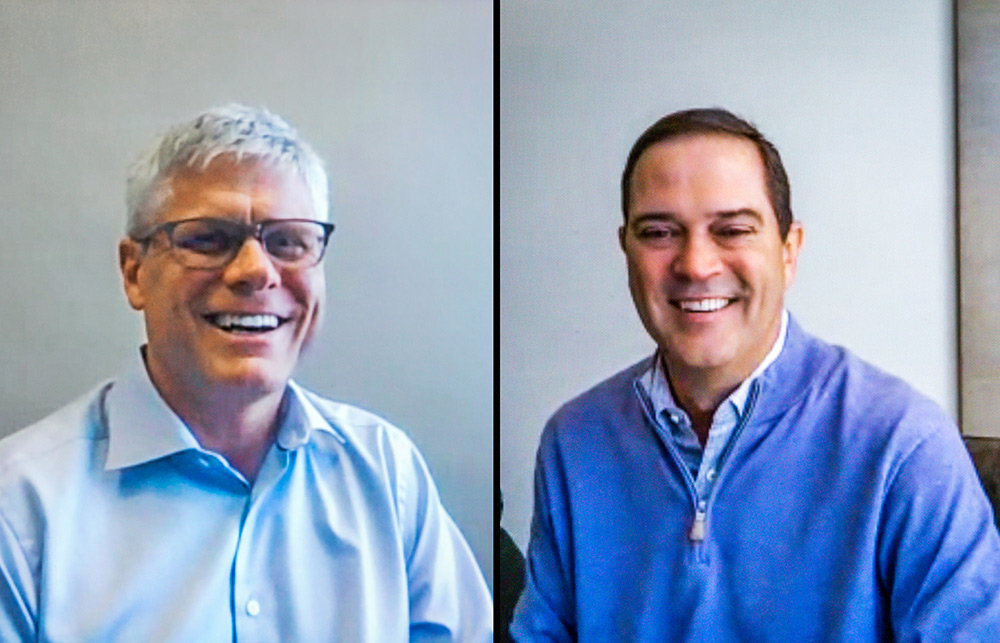
左:史蒂夫?莫倫科夫,高通公司(《財富》世界500強第126位)首席執行官
右:羅卓克,思科公司(《財富》世界500強第63位)首席執行官
歡迎兩位。先從你開始吧,查克(羅卓克)。你說過,在貴公司全球7.7萬多名員工中,有95%的人現在都在遠程辦公。看到你的團隊中這么多人都在遠程辦公,你學到了什么?
羅卓克:許多人發現,在目前的環境下,他們竟然能夠以這樣一種他們以前并不理解的方式高效工作。這很奇怪。但對我們來說,這場危機并沒有帶來什么技術上的突破,因為正是我們發明了這項技術;這對我們來說是很自然的事情。我認為,我們將更加舒適愜意地利用遠程會議技術開會。所以,在后疫情時代,一些員工將繼續居家工作,一些員工將在辦公室上班,還有一些員工可能會同時采用這兩種方式。我認為,這將改變我們與客戶、合作伙伴和員工的互動方式。
莫倫科夫:我們目前約有7%的員工每天在辦公室工作。我們不會過快地增加這個比例,部分原因是我們沒必要這樣做。現在的工作效率還是蠻高的。
由于采用了這樣一種做事方式,我們必須建立起基礎設施,以便我們的團隊在全球范圍內分擔工作,而同樣的基礎設施也有助于我們在圣地亞哥(高通公司總部所在地)這樣的城市分擔工作。人們幾乎可以在任何有網絡連接的地方工作。
查克,思科旗下的Webex(注釋1)是早期的視頻會議平臺之一。然而,人們現在把另一個視頻會議平臺的名稱當做動詞來用——他們說“Zooming”。為什么沒有人說“Webexing”?
羅卓克:我們目前的運營容量大約是2月份的三倍(注釋2),而我們當時已經是世界上最大的視頻會議平臺了。用戶數量增速驚人,目前還沒有放緩跡象。你知道的,很多人用了大約9天時間過渡到在網上辦公,為此想法設法,利用他們能找到的任何東西:強力膠帶、超級膠水、Zoom,等等。現在,他們退后一步,試圖確定什么才是遠程互動的基礎架構。而Webex正是為安全的遠程生產力而設計的。
史蒂夫,就像視頻會議所展示的那樣,5G擁有更強的安全性和數據處理能力,新冠疫情已經將這項技術的應用潛力彰顯無遺。
莫倫科夫:很明顯,這是一場慘劇。我們都知道,這場疫情造成了巨大的生命損失。但我們再也不必回答這樣一個問題:我們為什么需要5G?因為答案現在就擺在每個人的眼前。各國政府如何為下一場傳染疫情做準備?不用說,他們需要投資于遠程醫療和遠程教育,需要建立人和企業的安全連接能力。要實現這一目標,就必須在數字基礎設施方面進行大量投資(注釋3)。對于我們,以及這個領域的許多公司來說,投資這一波浪潮的信心仍然存在。這就是為什么我們仍然在招聘人員。我們深信,這場疫情蘊含著一個巨大的機遇。
羅卓克:如果你回過頭來想想4G轉型后涌現的創新,你就會不由得發出驚嘆。不妨展望一下,倘若5G在幾乎任何地方都有如此大的帶寬,人們會迸發出多么巨大的創造力。這是件非常有趣的事情。剛才史蒂夫談到教育問題,我想補充一點:這場疫情讓我們充分意識到了教育,尤其是K–12教育(意指幼兒園到十二年級)的不平等。我們需要利用技術的力量,輕松地將高帶寬傳輸到農村地區、低收入地區。要知道,在這些地區,一些人不得不開車去停車場或圖書館連接Wi-Fi,因為他們家里沒有接入互聯網。無論是對這個行業,還是對整個社會而言,我們都必須專注于如何利用這項技術提高包容性。
說到數字化方面的貧富分化問題,我想指出的是,今年發布的幾乎所有主流5G手機的價格都超過1,000美元。在這樣一個新失業人口高達3,000萬的國家,有多少消費者買得起5G手機?
莫倫科夫:我們仍處于5G推廣的早期階段(注釋4)。比較一下,你就知道5G手機在價格層面的滲透深度其實比4G手機還要快。它在中國發展得最快,中國的5G滲透率非常高。這表明,一旦規模迅速擴大,手機價格就會隨之下降。
這方面沒有通用的手冊,但你們都經歷過金融危機和互聯網泡沫破裂。在金融危機之后,思科手頭上有些現金,收購了多家公司。查克,你們現在的資產負債表很健康(注釋5)。(說到這里時,我看到他的嘴角邊流露出一絲微笑。)你是否在尋找戰略性收購機會?
羅卓克:是的,當然。我的意思是,我們已經暫時中止了收購工作,但我們的戰略并沒有改變。可能有一些目標因為估值方面的原因而更具吸引力,但這些目標可能對貶值出售不感興趣。我也不會做一筆無法讓被收購方和我們實現共贏的交易。因此,不要以為現在的經濟形勢為我們創造了一份以前沒有的新收購清單。
史蒂夫,我也要問你同樣的問題。不久前,你差點做成一筆大買賣,斥巨資收購(荷蘭-美國公司)恩智浦半導體。最終沒有成功。你還在尋求擴張嗎?
莫倫科夫:簡而言之,是的。在過去的幾年里,我們剛剛完成了一項相當大的資本回報計劃。現在,我們的資產負債表確實相當強勁,有助于我們抓住一些戰略機遇。坦率地說,我們在2008年金融危機中學到的一個小教訓是,我們在那次衰退期間所做的投資支撐我們度過了下一個十年。我們在智能手機技術、LTE網絡等領域的投資,確實推動了公司后來的發展。與沒有做這些事情的公司相比,我們實際上取得了相對優勢。盡管我現在不打算指向一個特定目標,但有一件事是你可以想到的:云的架構,以及企業本身的演進,正在朝著“邊緣”(注釋6)移動。這將創造巨大的經濟價值。根據我們最近的研究預測,到2035年,這種由5G驅動的轉變將創造高達13萬億美元的經濟價值。
史蒂夫,你在大學里打過長曲棍球;查克,你打過籃球(注釋7)。現在,你們都在科技界搏斗。但突然間,現在所有人似乎都手拉手了。科技界到底發生了什么事情?
羅卓克:我們都變得更溫和了!你瞧,在慈善事業方面或者在危機時期,我們總是能夠超越競爭本性。最近兩年半以來,我們一直在硅谷召開季度會議,重點關注饑餓、無家可歸和教育等問題。這次危機也不例外。我的意思是,這遠比我們任何一個人或任何一家公司都重要得多。人命關天,豈是瑣碎的爭強好勝心可比!我們得看看我們有多么健忘。但如果我們能把更多的同情心重新引入社會,那就太好了。
莫倫科夫:大家都明白,我們需要承擔廣泛的社會責任。但我可以向你保證,在很大程度上,科技界仍然是一個殘酷的角斗場。唯有贏得一個產品,你才有權利開發下一個。唯有贏得所有產品,你才能繼續生存下去。
史蒂夫,相安無事是什么感覺?周圍不再有維權投資者向你發難;你也不必繼續大戰蘋果公司了(注釋8)。這種感覺一定很奇怪吧。
莫倫科夫:嗯,這是個很深刻的問題。在這個競爭激烈的行業,我們只是看起來很有風度。事實上,你必須得享受競爭,這意味著你會一直處于亢奮狀態,從而能夠在競爭中成長。現在回到和平時期,我都有點想念競爭了。但我很高興能處于這樣一種狀態。考慮到組織其他成員的反應,我更喜歡和平時光——即使我有點懷念那種殊死搏斗的感覺。
注釋:
(1)“請讓你的線路保持靜音”: 2007年,思科以32億美元的價格從Webex創始人蘇布拉?伊亞爾和朱敏手中收購了這家視頻會議服務商。(值得注意的是,伊亞爾是Zoom的早期投資人,高通創投也是如此。)
(2)會議無休止:Webex在4月份運營的會議超過200億分鐘,高于3月份的140億——而3月份的數字本身就是2月份的兩倍。
(3)全球5G無線網絡投資
2018年:6.12億美元 2021年:68億美元(預計) 數據來源:Gartner
(4) 5G設備占智能手機出貨量的份額
2020年:8.9%(預計)
2023年:28.1%(預計)
數據來源:IDC
(5)零錢:1月底,思科坐擁100億美元凈現金(現金減去債務)。思科還在2019年錄得該公司歷史上最高的年度利潤。
(6) 流行詞的背后:邊緣計算涉及到將運算能力從云端的數據處理中心遷移到你的手機(或其他連接設備)——那里正在成為真正生產或消費信息的地方。
(7) 籃球夢:羅卓克效力過北卡羅來納大學男子籃球隊預備隊。是的,他曾經與籃球傳奇邁克爾?喬丹同場競技。
(8)和平——或者至少是停火:2019年4月,高通和蘋果解決了專利糾紛,達成一項為期6年的授權協議。高通仍然在跟美國聯邦貿易委員會打官司,后者指控該公司使用反競爭策略。美國第九巡回上訴法院批準了高通的請求,暫緩執行部分裁決;高通正在等待上訴結果。
“我們不擔心流動性。我們只是進一步明確了公司戰略:專注于我們的員工、客戶和社區,僅此而已。”
——羅卓克
“新冠疫情是一場我們所有人都極其難以應對的危機。但就生存威脅而言,它或許并不是我們公司在過去兩年不得不面對的最糟糕的事情。我們必須挺過去。”
——史蒂夫?莫倫科夫
(財富中文網)
譯者:任文科
If social distancing has taught us anything, it’s how essential even virtual face-to-face interaction is—which might offer the best use case yet for the well-hyped 5G cellular network standard. Here’s why two of its champions—Cisco CEO Chuck Robbins and Qualcomm CEO Steve Mollenkopf—are so optimistic about the new era of teleconferencing, telemedicine, and more. INTERVIEW BY CLIFTON LEAF
THIS EDITED Q&A HAS BEEN CONDENSED FOR SPACE AND CLARITY.
Welcome to you both. Let’s start with you, Chuck. You’ve said that 95% of your 77,000-strong global workforce is now telecommuting. What have you learned by watching so much of your team work remotely?
ROBBINS: That many have figured out they can be productive in this environment in ways they didn’t understand before. It’s been strange, but this crisis hasn’t been a technological stretch for us because we built this technology; it’s pretty native to us. I think that we’re going to be much more comfortable having meetings by teleconference. So [post-COVID] we’ll have people who will work from home, those who’ll work in the office, and people who’ll do a little bit of both. And I think it’s going to change how we think about our interactions with customers and partners and employees going forward.
MOLLENKOPF: We currently have about 7% of our workforce in the office on any given day. And we won’t grow that too much, too quickly—in part because we don’t have to. The productivity’s been incredible.
Because of the way in which we do things, we had to put the infrastructure in place to share work across sites internationally, and that same infrastructure was helpful to share work within a city like San Diego [where Qualcomm is headquartered]. People can work pretty much wherever they can have connectivity.
Chuck, Cisco had one of the earliest platforms for that with Webex. And yet people now use a different teleconferencing name as a verb— they talk about “Zooming.” Why aren’t we talking about “Webexing”?
ROBBINS: We’re running at about three times the capacity that we were in February. And we were already the biggest in the world then. So the numbers have been astonishing, and it’s not slowing down. You know, a lot of people had about nine days to transition to doing business online, and they did it with whatever they could find: duct tape, superglue, Zoom, whatever they had. Now they’re stepping back and trying to determine what the architecture is. And Webex was built for secure, remote productivity.
Steve, just as it did with teleconferencing, COVID-19 has made the use case for 5G—with its enhanced security and greater capacity for data—that much more apparent.
MOLLENKOPF: Obviously, it’s a tragic situation, as we all know, a tremendous human toll. But I never have to answer the question anymore: Why do we need 5G? Because now everybody sees it. How do governments prepare for the next pandemic? Well, they need to invest in telemedicine and remote education, and secure capabilities for connecting people and enterprises. There’s going to be a tremendous amount of investment in digital infrastructure to make that happen. For us—and I think for a lot of companies in this space—the confidence to invest into that wave remains, which is why we’re still hiring people and we’re very confident that there’s an opportunity on the other side of this pandemic.
ROBBINS: If you step back and think about the innovation that happened after the 4G transition, it was pretty astonishing. And it’s going to be fascinating to see what people think up when there’s that much bandwidth with 5G virtually anywhere. As to Steve’s point earlier around education, particularly the K–12 system, the other thing this pandemic has reminded us of is the inequality that exists. We need to have technologies that will allow us to easily deliver high bandwidth into rural areas, into low-income areas—where people are driving to parking lots or libraries to get on Wi-Fi because they don’t have Internet access. As an industry and as a society, we have to focus on how this technology continues to increase inclusiveness.
Regarding this division of digital haves and have-nots, nearly all of the major 5G phones announced this year are priced over $1,000. How many consumers in a country with 30 million newly unemployed people can afford a 5G phone?
MOLLENKOPF: We’re still in the early days of 5G rolling out. And if you were to compare how quickly the penetration of 5G is moving down in the price tiers, it’s actually happening faster than it did with 4G. It’s happening fastest in China, where there’s tremendous penetration of 5G. The net result is that it builds scale quicker, and that’s what brings prices down.
There is no common playbook for this, but you both went through the financial crisis and the dotcom bubble bursting. After the financial crisis, Cisco had some cash on hand and was able to scoop up a number of companies. And Chuck, you have a pretty healthy balance sheet now. (I could see a bit of a smile peek out when I said that.) Are you on the lookout for strategic buys?
ROBBINS: Yeah, absolutely. I mean we have paused at looking at acquisitions—but we’re also not changing our strategy. There may be targets that are more attractive because of valuations, but those targets might not be interested in selling at devaluation. I’m not one to do a deal that isn’t mutually positive for the acquiree and for us. So it’s not like the current economic situation creates a new list of targets that weren’t there before.
Let me ask you the same, Steve: You came close not long ago to doing a very big deal, hoping to buy [the Dutch-American company] NXP Semiconductors. That didn’t work out. Are you still looking to expand?
MOLLENKOPF: The short answer is yes. We’ve just come off, over the last several years, a pretty big capital return program. And right now we’re in the process of really getting the balance sheet in a position where we can take advantage of some strategic opportunities we see. One little lesson that we learned in 2008 during the financial crisis, quite frankly, was that the investments we made in that dip were the things that carried us through the next decade. There were things that we’d done in smartphone technologies, LTE, others, that really propelled the company afterward. We actually got a relative advantage over companies that didn’t do that. While I’m not going to point to a particular target now, here’s one thing I think you can think of: The architecture of the cloud—and the evolution of the enterprise itself—is moving toward the “edge.” And it’s going to create a tremendous amount of economic value. We did a recent study that predicts this transition [enabled by 5G] will create something on the order of $13 trillion worth of economic value in 2035.
Steve, you played lacrosse in college; Chuck, you played basketball. Now you’re both in the wrestling world—which is to say, the technology sector. But suddenly everybody seems like they’re just holding hands these days. What’s happening to the tech world?
ROBBINS: We’re all just becoming softer and gentler! Look, I think on issues of philanthropy or in times of crisis we’ve always risen above the competitive nature. We have efforts in Silicon Valley that we’ve been working on for two and a half years, meeting quarterly and focusing on areas like hunger, homelessness, and education. This crisis is no different. I mean this is much bigger than any one of us or any company. And the human toll is much more important than any petty competitiveness. We’ll have to see how short our memories are. But it would be great to think that we could reintroduce more compassion back into our society.
MOLLENKOPF: People understand that we have a broader responsibility in society. But I can assure you, it’s still very much a gladiator business. You win one product to give you the right to play to the next product and you have to win them all in order to stay around.
Steve, what’s it like to be at peace? You know you don’t have an activist investor circling around; you’re no longer in a massive fight with Apple. It must be an odd feeling.
MOLLENKOPF: You know, that’s a very insightful question. This is a competitive industry. We just look like we’re genteel. And you actually have to like that part of it, meaning you can thrive in that part of it— when you’re amped up all the time. When you’re kind of in peacetime, you miss it a little bit. But I’m very happy to be in that position. I much prefer peacetime in terms of how the rest of the organization reacts to it— even if I miss the fight a bit.
Between the lines
(1) “Please mute your lines”: Cisco acquired Webex in 2007 for $3.2 billion from its founders, Subrah Iyar and Min Zhu. (Iyar, notably, was an early investor in Zoom—as was Qualcomm Ventures.)
(2) Meeting creep: Webex hosted more than 20 billion meeting minutes in April, up from 14 billion in March—which, in turn, was double the number in February.
(3) Global investment in 5G wireless networks
2018:612 M. 2021: 6.8 B. (projected) Source: Gartner
(4) 5G devices as a share of smartphone shipments: 8.9% in 2020 (projected); 28.1% in 2023 (projected) (Source: IDC).
(5) Pocket change: At the end of January, Cisco had $10 billion in net cash (cash minus debt). In 2019 the company also posted the highest annual profits in its history.
(6) Behind the buzzword: Edge computing involves migrating power from a data processing center in the cloud to, say, your mobile phone (or other connected device)—where the information is actually being produced or consumed.
(7) Hoop dreams: Robbins, who played JV basketball for the UNC Tar Heels, once scrimmaged against Michael Jordan.
(8) Peace—or at least a cease-fire: In April 2019, Qualcomm and Apple settled their patent dispute, agreeing to a six-year licensing agreement, among other things. Qualcomm remains in litigation with the Federal Trade Commission, which has accused the company of using anticompetitive tactics. The U.S. Court of Appeals for the 9th Circuit granted a partial stay; Qualcomm is awaiting the outcome of its appeal.
“We don’t worry about liquidity. We just make our strategy clear: Focus on our employees, our customers, and our communities, period.”
—CHUCK ROBBINS
“This COVID situation is very, very tough for us all to deal with collectively, but it’s probably not the worst thing that we’ve had to deal with as a company in the last two years in terms of existential threat or anything. We just have to get through it.”
—STEVE MOLLENKOPF

請打開財富Plus APP