


“創始人模式”與“經理人模式”孰優孰劣?
Geoff Colvin
2024-09-10
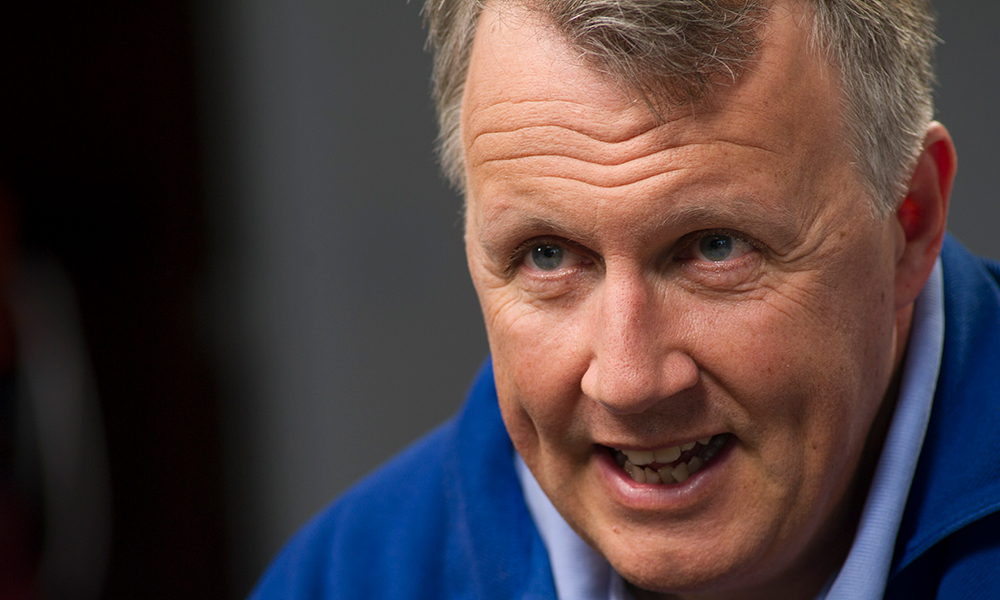
Y Combinator聯合創始人保羅·格雷厄姆因為支持“創始人模式”,在硅谷引起了激烈討論。
 文本設置
文本設置
 Plus(0條)

科技界最熱門的流行詞匯突然變成了“創始人模式”。這個幾天前才誕生的詞,很快在全球商界廣泛傳播。創始人模式即由創始人經營公司,與“單純由職業經理人”經營公司的經理人模式截然不同。初創公司加速器Y Combinator的聯合創始人保羅·格雷厄姆在最近的一篇論文中創造了這兩個術語。他對經理人模式不屑一顧,認為創始人模式高出一籌。事實是否如此?
格雷厄姆確實有資格進行評判。在過去的19年中,Y Combinator為數千家公司的誕生提供了幫助,包括Airbnb、DoorDash、Reddit和Stripe等。他在聽過Airbnb聯合創始人布萊恩·切斯基最近的演講后,靈光一現提出了這兩種管理模式。切斯基在演講中描述了自己引入外部經理人的糟糕經歷。這次演講引起了在場的其他創始人的共鳴。格雷厄姆總結了這些創始人的觀點:
“聘請優秀的人,并給他們足夠的空間開展自己的工作。這樣描述聽起來很棒,對吧?但是,根據創始人的說法,這在實踐中往往意味著:雇傭專業騙子,讓他們搞垮公司。”
這番話對于外聘的MBA顯然沒有太多信心。這種不屑一顧是否合理?讓我們用數據來說話。
創始人模式vs.經理人模式
在《財富》美國500強公司中,仍有22家公司由創始人經營(榜單見下文)。我們計算出每家公司在現任創始人兼CEO任期內的業績,并與其他500強公司同期的業績進行對比。我們以累計回報作為衡量業績的指標,其中包括股價表現和股息。
結果是:創始人兼CEO大獲全勝。特別是:
· 創始人兼CEO任期內的累計總回報率——創始人兼CEO領導的公司中位數回報率為1,129%,而其他《財富》美國500強公司的中位數回報率為57%。
· 公司與標普500指數的表現對比(表現評分100分代表與市場表現持平)——創始人兼任CEO的公司中位數回報為表現評分202分,而其他《財富》美國500強公司的中位數回報為92分。
· 公司與行業的表現對比(表現評分100分代表與行業表現持平)——創始人兼任CEO的公司中位數表現評分為656分。
創始人兼任CEO的領先優勢是顯而易見的。但如果我們根據這些數據宣稱創始人模式優于經理人模式,那么全世界的統計學家們都會指責我們存在幸存者偏差。這22家創始人兼任CEO的公司,在同期成立的數千家初創公司中僅占一小部分,而且我們沒有關于這些公司的管理方式的數據。首先,在外部經理人經營下失敗的初創公司占多大比例?在創始人經營下失敗的初創公司又有多少?我們需要知道這些信息以及其他更多信息。
但我們知道至少兩個相關事實。首先,我們知道,對于一家成長中的初創公司,決定其經營者的因素,已經有大量研究和解釋。葉史瓦大學(Yeshiva University)商學院院長諾姆·沃瑟曼在任職于哈佛商學院(Harvard Business School)期間,研究了成千上萬家初創公司,并寫了《創始人的困境》(Founder’s Dilemmas)一書。書中詳細描述了企業家如何平衡相互矛盾的個人偏好,這些偏好會影響由創始人還是外聘經理人經營公司。關于格雷厄姆對外部經理人的反感,沃瑟曼對《財富》雜志表示:“創始人可能在公司發展初期表現出色,但隨著公司進入不同發展階段,他們可能并不具備經營公司所需要的技能,因此他們可能是‘搞垮公司的’罪魁禍首。”
其次,我們知道,通常情況下,由創始人經營并進入《財富》美國500強榜單的公司,表現都非常出色,我們應該知道他們如何進入這個榜單。格雷厄姆在文章中寫道:“據我所知,沒有專門介紹創始人模式的書。商學院根本不知道存在這種模式……但既然我們知道要找的是什么,就可以進行這方面的探索研究。我希望幾年后,創始人模式能夠像經理人模式一樣得到人們的充分認識和理解。”
這是一個值得追求的目標。創始人模式絕對值得研究和傳播,這并不是因為外部經理人對公司有害,而是因為通過研究,可以讓其他人向那些杰出的創始人(蘋果(Apple)的史蒂夫·喬布斯、微軟(Microsoft)的比爾·蓋茨、英偉達(Nvidia)的黃仁勛等)學習將公司從無到有發展壯大的經驗教訓。
2024年《財富》美國500強公司的創始人兼CEO
公司
Airbnb/布萊恩·切斯基
阿波羅全球管理公司(Apollo Global Management)/馬克·羅恩
貝萊德(BlackRock)/勞倫斯·D·芬克
黑石集團(Blackstone)/蘇世民
Block/杰克·多爾西
第一資本金融公司(Capital One Financial)/理查德·費爾班克
Carvana公司/歐內斯特·C·加西亞三世
Coupang/金范錫
戴爾科技公司(Dell Technologies)/邁克爾·戴爾
DoorDash/徐迅
洲際交易所(Intercontinental Exchange)/杰弗里·斯普雷徹
Meta Platforms/馬克·扎克伯格
英偉達/黃仁勛
Prologis/哈米德·R·穆加達姆
再生元制藥公司(Regeneron Pharmaceuticals)/萊納德·S·施萊弗
賽富時(Salesforce)/馬克·貝尼奧夫
新美亞(Sanmina)/尤雷·索拉
美國斯凱奇公司(Skechers U.S.A.)/羅伯特·格林伯格
Steel Dynamics公司/馬克·D·米利特
超微計算機公司(Super Micro Computer)/梁見后
特斯拉(Tesla)/埃隆·馬斯克
Wayfair/尼拉吉·S·沙阿(財富中文網)
譯者:劉進龍
審校:汪皓
科技界最熱門的流行詞匯突然變成了“創始人模式”。這個幾天前才誕生的詞,很快在全球商界廣泛傳播。創始人模式即由創始人經營公司,與“單純由職業經理人”經營公司的經理人模式截然不同。初創公司加速器Y Combinator的聯合創始人保羅·格雷厄姆在最近的一篇論文中創造了這兩個術語。他對經理人模式不屑一顧,認為創始人模式高出一籌。事實是否如此?
格雷厄姆確實有資格進行評判。在過去的19年中,Y Combinator為數千家公司的誕生提供了幫助,包括Airbnb、DoorDash、Reddit和Stripe等。他在聽過Airbnb聯合創始人布萊恩·切斯基最近的演講后,靈光一現提出了這兩種管理模式。切斯基在演講中描述了自己引入外部經理人的糟糕經歷。這次演講引起了在場的其他創始人的共鳴。格雷厄姆總結了這些創始人的觀點:
“聘請優秀的人,并給他們足夠的空間開展自己的工作。這樣描述聽起來很棒,對吧?但是,根據創始人的說法,這在實踐中往往意味著:雇傭專業騙子,讓他們搞垮公司。”
這番話對于外聘的MBA顯然沒有太多信心。這種不屑一顧是否合理?讓我們用數據來說話。
創始人模式vs.經理人模式
在《財富》美國500強公司中,仍有22家公司由創始人經營(榜單見下文)。我們計算出每家公司在現任創始人兼CEO任期內的業績,并與其他500強公司同期的業績進行對比。我們以累計回報作為衡量業績的指標,其中包括股價表現和股息。
結果是:創始人兼CEO大獲全勝。特別是:
· 創始人兼CEO任期內的累計總回報率——創始人兼CEO領導的公司中位數回報率為1,129%,而其他《財富》美國500強公司的中位數回報率為57%。
· 公司與標普500指數的表現對比(表現評分100分代表與市場表現持平)——創始人兼任CEO的公司中位數回報為表現評分202分,而其他《財富》美國500強公司的中位數回報為92分。
· 公司與行業的表現對比(表現評分100分代表與行業表現持平)——創始人兼任CEO的公司中位數表現評分為656分。
創始人兼任CEO的領先優勢是顯而易見的。但如果我們根據這些數據宣稱創始人模式優于經理人模式,那么全世界的統計學家們都會指責我們存在幸存者偏差。這22家創始人兼任CEO的公司,在同期成立的數千家初創公司中僅占一小部分,而且我們沒有關于這些公司的管理方式的數據。首先,在外部經理人經營下失敗的初創公司占多大比例?在創始人經營下失敗的初創公司又有多少?我們需要知道這些信息以及其他更多信息。
但我們知道至少兩個相關事實。首先,我們知道,對于一家成長中的初創公司,決定其經營者的因素,已經有大量研究和解釋。葉史瓦大學(Yeshiva University)商學院院長諾姆·沃瑟曼在任職于哈佛商學院(Harvard Business School)期間,研究了成千上萬家初創公司,并寫了《創始人的困境》(Founder’s Dilemmas)一書。書中詳細描述了企業家如何平衡相互矛盾的個人偏好,這些偏好會影響由創始人還是外聘經理人經營公司。關于格雷厄姆對外部經理人的反感,沃瑟曼對《財富》雜志表示:“創始人可能在公司發展初期表現出色,但隨著公司進入不同發展階段,他們可能并不具備經營公司所需要的技能,因此他們可能是‘搞垮公司的’罪魁禍首。”
其次,我們知道,通常情況下,由創始人經營并進入《財富》美國500強榜單的公司,表現都非常出色,我們應該知道他們如何進入這個榜單。格雷厄姆在文章中寫道:“據我所知,沒有專門介紹創始人模式的書。商學院根本不知道存在這種模式……但既然我們知道要找的是什么,就可以進行這方面的探索研究。我希望幾年后,創始人模式能夠像經理人模式一樣得到人們的充分認識和理解。”
這是一個值得追求的目標。創始人模式絕對值得研究和傳播,這并不是因為外部經理人對公司有害,而是因為通過研究,可以讓其他人向那些杰出的創始人(蘋果(Apple)的史蒂夫·喬布斯、微軟(Microsoft)的比爾·蓋茨、英偉達(Nvidia)的黃仁勛等)學習將公司從無到有發展壯大的經驗教訓。
2024年《財富》美國500強公司的創始人兼CEO
公司
Airbnb/布萊恩·切斯基
阿波羅全球管理公司(Apollo Global Management)/馬克·羅恩
貝萊德(BlackRock)/勞倫斯·D·芬克
黑石集團(Blackstone)/蘇世民
Block/杰克·多爾西
第一資本金融公司(Capital One Financial)/理查德·費爾班克
Carvana公司/歐內斯特·C·加西亞三世
Coupang/金范錫
戴爾科技公司(Dell Technologies)/邁克爾·戴爾
DoorDash/徐迅
洲際交易所(Intercontinental Exchange)/杰弗里·斯普雷徹
Meta Platforms/馬克·扎克伯格
英偉達/黃仁勛
Prologis/哈米德·R·穆加達姆
再生元制藥公司(Regeneron Pharmaceuticals)/萊納德·S·施萊弗
賽富時(Salesforce)/馬克·貝尼奧夫
新美亞(Sanmina)/尤雷·索拉
美國斯凱奇公司(Skechers U.S.A.)/羅伯特·格林伯格
Steel Dynamics公司/馬克·D·米利特
超微計算機公司(Super Micro Computer)/梁見后
特斯拉(Tesla)/埃隆·馬斯克
Wayfair/尼拉吉·S·沙阿(財富中文網)
譯者:劉進龍
審校:汪皓
Paul Graham, co-founder of Y Combinator, has stirred up Silicon Valley with his embrace of 'founder mode.'
The buzziest buzz term in the tech world is suddenly “founder mode,” coined only days ago and fast propagating into business worldwide. Founder mode is a way of running a company—the way a founder would run it—as distinct from manager mode, the way it would be run by “merely a professional manager.” So says Paul Graham, a co-founder of the Y Combinator startup accelerator, who originated the terms in a recent essay. He disdains manager mode and finds founder mode far superior. So—is it?
Graham is well positioned to judge. Over the past 19 years, Y Combinator has helped to birth thousands of companies including Airbnb, DoorDash, Reddit, and Stripe. He was inspired to identify two modes of managing after hearing a recent speech by Airbnb co-founder Brian Chesky, who described his awful experience bringing in outside managers. The speech struck a chord with other founders in the audience. Graham’s distillation of their views:
“Hire good people and give them room to do their jobs. Sounds great when it’s described that way, doesn’t it? Except in practice, judging from the report of founder after founder, what this often turns out to mean is: hire professional fakers and let them drive the company into the ground.”
Not a warm vote of confidence in outsider MBAs. To see if such scorn is justified, let’s look at some data.
Founder mode vs. manager mode
The Fortune 500 includes 22 companies that are run by their founders (list below). We calculated each company’s performance during its current founder CEO’s tenure and compared it with the performance of the rest of the 500 over that same timespan. We measured performance by cumulative return, which includes stock price performance and dividends.
Result: a blowout in favor of the founder CEOs. Specifically:
· Cumulative total return during the founder CEOs’ tenures—The founder CEOs’ companies delivered a median of 1,129% vs. 57% for the rest of the 500.
· Performance vs. the S&P 500 (a performance score of 100 equals the market)—The median return of the founder-CEO companies was a performance score of 202, while the median of the rest of the Fortune 500 was 92.
· Performance vs. the sector (a performance score of 100 equals the sector)—The founder-CEO companies delivered a median performance score of 656.
The superiority of the founder CEOs is breathtaking. But if we used this data to declare that founder mode beats manager mode, the world’s statisticians would have us arrested for the crime of survivor bias. Those 22 founder-CEO companies are a tiny fraction of the many thousands of startups launched over the same time periods, and we don’t have data on how each was managed. For starters, what percentage of startups crashed and burned under outsider managers vs. what percentage crashed and burned under the founders? We would like to know that and much more.
Still, we know at least two relevant facts. First, we know that the forces determining who runs a growing startup have been well studied and explained. Noam Wasserman, dean of Yeshiva University’s business school, was on the faculty of the Harvard Business School when he studied thousands of startups and wrote The Founder’s Dilemmas. It describes in detail how entrepreneurs balance conflicting personal preferences that influence who—a founder or outsider—runs the business. In response to Graham’s distaste for outsider managers, he tells Fortune, “Founders who were great for the early stages, but do not have what it takes for the often very different next stage of company development, may instead be the ones who ‘drive the company into the ground.’”
Second, we know that on average, the few founder-run companies that make it to the Fortune 500 are formidably great performers, and we should know more about how they joined that exclusive club. Graham wrote in his essay, “There are as far as I know no books specifically about founder mode. Business schools don’t know it exists…. But now that we know what we’re looking for, we can search for it. I hope in a few years founder mode will be as well understood as manager mode.”
That’s a worthy goal. Founder mode should absolutely be studied and taught, not because outside managers are necessarily toxic, but because the research can make available to others the lessons learned by those rare founders—Apple’s Steve Jobs, Microsoft’s Bill Gates, Nvidia’s Jensen Huang—who managed their companies from nothing to greatness.
Founder CEOs in the 2024 Fortune 500
Company
Airbnb/Brian Chesky
Apollo Global Management/Marc Rowan
BlackRock/Laurence D. Fink
Blackstone/Stephen Schwarzman
Block/Jack Dorsey
Capital One Financial/Richard Fairbank
Carvana/Ernest C. Garcia III
Coupang/Bom Kim
Dell Technologies/Michael Dell
DoorDash/Tony Xu
Intercontinental Exchange/Jeffrey Sprecher
Meta Platforms /Mark Zuckerberg
Nividia/Jensen Huang
Prologis/Hamid R. Moghadam
Regeneron Pharmaceuticals/Leonard S. Schleifer
Salesforce/Marc Benioff
Sanmina/Jure Sola
Skechers U.S.A./Robert Greenberg
Steel Dynamics/Mark D. Millett
Super Micro Computer/Charles Liang
Tesla/Elon Musk
Wayfair/Niraj S. Shah

請打開財富Plus APP