


25%的美國人每月花錢無規劃
Cassie Bottorff
2025-01-06
高達83%的千禧一代堅持每月編制預算。
 文本設置
文本設置
 Plus(0條)


從牛油果吐司的興起,到健身房的消亡,再到布餐巾的終結,千禧一代被認為是造成諸多社會混亂的罪魁禍首。但根據Nerdwallet在2023年進行的一項民意調查,有一領域他們并沒有破壞:預算規劃。
Nerdwallet發現,超過2.56億美國人在他們的月度規劃中采用了某種形式的預算策略。高達83%的千禧一代堅持每月編制預算,而嬰兒潮一代和X世代的這一比例分別為67%和74%。
Armstrong, Fleming & Moore, Inc.負責人、注冊理財規劃師瑞恩·弗萊明(Ryan Fleming)表示:“預算一詞常被視為貶義詞,或帶有某種負面含義。因此,我們傾向于將其稱為‘支出計劃’。不論你如何稱呼它,關鍵在于掌握收入狀況,并清楚資金流入和流出情況。”
制定預算并嚴格遵守是任何希望財務生活井然有序的人的首要任務。新年是下定決心和重啟新篇章的時節,因此,這是審視現有預算計劃的好時機,或是如果你之前從未制定過預算,這也是開始制定新預算的好時機。
如何編制預算:五大預算策略
弗萊明表示,制定預算并不復雜。只需了解你的所有支出和收入來源,這樣,你就能在每一美元有可能被隨意揮霍或讓你陷入困境之前,為其分配好明確的用途。你可以將這一過程想象成與金錢進行對話:“你要負責支付房租,你要購買食品雜貨,還有你——沒錯,就是你,排在后面的那位——你要承擔起為我積累儲蓄的任務。”
也就是說,存在多種多樣的預算策略可供選擇。讓我們回顧一下最常見的五種預算編制方法,并探討它們最適合哪類人群。
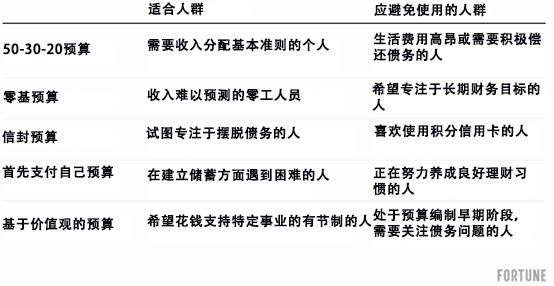
1. 50-30-20預算
50-30-20預算是一種預算編制公式,為特定類別分配一定比例的收入:
? 50%用于需求,如住房、食品、交通、保險和最低限度的債務償還。
? 30%用于愿望,比如訂閱服務、電影票、音樂會和旅行。
? 20%用于儲蓄,包括應急基金、退休儲蓄和額外的債務償還。
這一規則為人們如何儲蓄與消費提供了極為實用的基本指導。弗萊明建議那些正尋求新起點的人群采用這種預算策略——比如初次著手制定預算的年輕人,或是剛剛結束一段關系、作為單身人士其財務狀況可能發生變化的人。
Bull Oak Capital的創始人兼投資組合經理瑞安·A·休斯(Ryan A. Hughes)提醒大家在某些情況下不要采用這種預算法。“在住房成本高昂的環境下,尤其是在灣區、南加州、紐約和其他高消費的城市地區,采用這種預算法可能會頗具挑戰性。你的抵押貸款或租金很容易超過稅后收入的50%。”
休斯補充道,盡管這種做法并不值得推薦,但有些家庭會通過壓縮30%愿望支出的比例來抵消較高的住房成本。
2. 零基預算
零基預算指的是將每一筆收入都分配到支出以及諸如儲蓄和債務償還等財務目標上。將所有收入分配到特定類別的最終結果是,收入減去支出后余額為零,因此得名。
這是我個人使用的方法。我們會將當月所獲得的全部收入用于下個月的預算——因為這些資金在編制預算和支出之前就已到賬,因此無需猜測。當下個月到來時,我們確切地知道每個預算類別的可支出金額,而且如有需要,還能通過重新分配資金來實現靈活調整。
對于那些收入不穩定的人來說,這種提前一個月制定計劃的方法是個不錯的選擇,因為這樣一來,你所動用的始終都是銀行賬戶里已經到賬的資金。讓我們來看一個真實的例子。如果一個沒有受撫養人的單身人士每月收入為4000美元,那么包括儲蓄和債務在內的總支出也應為4000美元。大致的預算如下:
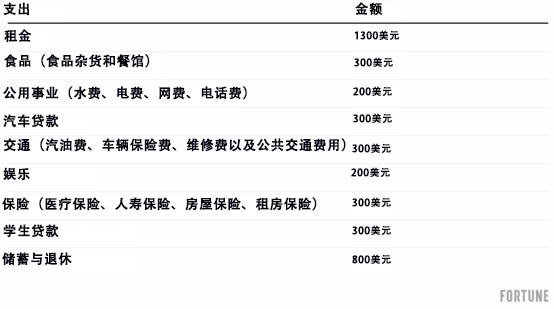
請記住,這只是預算細目,實際生活中各項費用會因居住地的不同而存在顯著差異。對于已婚、需要承擔子女撫養費用和/或贍養父母經濟責任的人來說,其預算分配情況也會有很大不同。
3. 信封預算
信封系統是戴夫·拉姆齊(Dave Ramsey)推廣的一種預算方法,適用于那些希望償還債務的人群。這一以現金管理為核心的策略要求你每月將特定金額的現金分別裝入不同的實體信封中,每個信封對應一個預算類別。這些信封里的現金必須專款專用,不能挪作他用。一旦某個信封中的現金用完,就表示該預算類別下的消費已達到限額,需停止該類別的額外消費。
采用這種方法編制預算旨在防止超支現象的發生。相較于現金使用受到限制,刷借記卡或信用卡很容易超出限額。因此,這種方法要求使用者具備良好的預見性和高度的自律性。
當然,這種方法也有其弊端。總部位于波士頓的員工財務健康平臺Origin的咨詢主管、注冊理財規劃師大衛·布萊洛克(David Blaylock)表示:“隨著我們的社會日益趨向于無現金交易,挑戰在于難以將該方法付諸實踐。”此外,現金容易丟失或被盜,而且在建立個人信用方面并無助益。
4. 首先支付自己預算
假設你收支平衡,但在滿足基本生活需求與即時欲望上的開銷過大,以至于難以為未來儲蓄。如果是這種情況,那么,“首先支付自己”的預算方法或許能為你提供一種新思路。
首先支付自己是指每月從收入中一次性或按一定比例劃出一部分資金,用于儲蓄和投資。這樣做能夠確保你為未來生活做好準備,并養成儲蓄和投資的習慣。由于你先支付自己,然后再將剩余資金用于其他支出,你可能會發現這種方法有助于你更快地積累儲蓄。這種方法有時被Afford Anything的保拉·潘特(Paula Pant)稱為“反預算”策略。
5. 基于價值觀的預算
如果你的年度關鍵詞是“意向性”,那么你可能會發現基于價值觀的預算規劃與你的目標相契合。有時我們很容易心血來潮,讓金錢從指縫中溜走,事后回想起來卻會因所購之物而感到內疚或不滿。
應對這種不滿情緒的方法就是制定基于價值觀的預算。這種預算方式與百分比和程序的關系不大,更多的是要確定自己的消費模式,并根據自己的價值觀做出相應的調整。例如,你可能會重視外出就餐和新體驗、為有價值的事業捐款或支付舞蹈課程的費用。
首先列出你所珍視的事物。然后為每個類別分配資金,以確保相關資金能夠支持你的價值觀。這種預算方式能帶來更多的滿足感,并讓你思維清晰,從而有助于避免不必要的開支。
應避免的預算錯誤
正如有許多不同的預算編制方法可以嘗試一樣,預算編制過程中也伴隨著一些容易踏入的誤區。應當定期修改預算,尤其是在諸如結婚、生子、離婚、遷居或失業等重大生活變化期間。
在努力養成新預算習慣的過程中,你應該注意以下幾種潛在的誤區:
? 未對所有支出做好規劃。每月相同的固定支出可能很容易規劃,但在開始記錄日常開銷之前,要估算諸如外出就餐或夜晚娛樂之類的可自由支配支出就頗具挑戰性了。說到這一點......
? 不記錄支出。如果你制定了預算,卻不記錄支出,你如何知道自己是否真正遵循了預算規劃呢?不妨考慮注冊像“You Need a Budget”(YNAB)或“Rocket Money”的預算應用程序,以此來對自己的財務行為負責。
? 不修改預算。當編制預算并記錄支出一段時間后,你應該審視一下結果,并在必要時調整行為。你是否發現自己在外出就餐上的開銷超出了計劃?你是否失去了一種收入來源?面對這些“偏離計劃”的時刻,切勿氣餒。相反,要將這些時刻視為調整的契機(為未來做好準備),以確保自己始終沿著正確的財務軌道前行。
? 因為收入不穩定而放棄預算編制。如果你是自由職業者、零工人員或從事傭金制工作,你的月收入可能每個月都有所不同。這可能會給預算編制帶來挑戰,但這并不意味著無法編制預算。像50-30-20這樣的預算方法可能很適合你,這樣一來,無論你的收入如何,都有百分比作為指導。
? 不將資金挪作他用。即使使用信封系統,如果某一預算類別的支出達到上限,需要進行調整,你也可以從其他預算類別中調配資金。例如,如果你的汽油費已達到本月限額,但突發緊急情況需要出行,你可以隨時從娛樂信封中調配資金來支付這些費用。
要點
制定預算的過程就如同尋找一條合身的牛仔褲——可能需要經過反復試驗,但一旦找到最適合自己的那條,你就會好奇在沒有它之前的日子你是如何度過的。你可以嘗試這些不同的預算編制方法,看看哪種與你的需求和生活方式最為契合,但最好的方法是那種你能堅持并經常使用的。
請務必根據需要更新預算,并持續跟蹤你的財務狀況和未來走向。未來的你(以及你的錢包)會感謝你的。(財富中文網)
梅勒妮·洛克特(Melanie Lockert)對本文亦有貢獻。
譯者:中慧言-王芳
從牛油果吐司的興起,到健身房的消亡,再到布餐巾的終結,千禧一代被認為是造成諸多社會混亂的罪魁禍首。但根據Nerdwallet在2023年進行的一項民意調查,有一領域他們并沒有破壞:預算規劃。
Nerdwallet發現,超過2.56億美國人在他們的月度規劃中采用了某種形式的預算策略。高達83%的千禧一代堅持每月編制預算,而嬰兒潮一代和X世代的這一比例分別為67%和74%。
Armstrong, Fleming & Moore, Inc.負責人、注冊理財規劃師瑞恩·弗萊明(Ryan Fleming)表示:“預算一詞常被視為貶義詞,或帶有某種負面含義。因此,我們傾向于將其稱為‘支出計劃’。不論你如何稱呼它,關鍵在于掌握收入狀況,并清楚資金流入和流出情況。”
制定預算并嚴格遵守是任何希望財務生活井然有序的人的首要任務。新年是下定決心和重啟新篇章的時節,因此,這是審視現有預算計劃的好時機,或是如果你之前從未制定過預算,這也是開始制定新預算的好時機。
如何編制預算:五大預算策略
弗萊明表示,制定預算并不復雜。只需了解你的所有支出和收入來源,這樣,你就能在每一美元有可能被隨意揮霍或讓你陷入困境之前,為其分配好明確的用途。你可以將這一過程想象成與金錢進行對話:“你要負責支付房租,你要購買食品雜貨,還有你——沒錯,就是你,排在后面的那位——你要承擔起為我積累儲蓄的任務。”
也就是說,存在多種多樣的預算策略可供選擇。讓我們回顧一下最常見的五種預算編制方法,并探討它們最適合哪類人群。
1. 50-30-20預算
50-30-20預算是一種預算編制公式,為特定類別分配一定比例的收入:
? 50%用于需求,如住房、食品、交通、保險和最低限度的債務償還。
? 30%用于愿望,比如訂閱服務、電影票、音樂會和旅行。
? 20%用于儲蓄,包括應急基金、退休儲蓄和額外的債務償還。
這一規則為人們如何儲蓄與消費提供了極為實用的基本指導。弗萊明建議那些正尋求新起點的人群采用這種預算策略——比如初次著手制定預算的年輕人,或是剛剛結束一段關系、作為單身人士其財務狀況可能發生變化的人。
Bull Oak Capital的創始人兼投資組合經理瑞安·A·休斯(Ryan A. Hughes)提醒大家在某些情況下不要采用這種預算法。“在住房成本高昂的環境下,尤其是在灣區、南加州、紐約和其他高消費的城市地區,采用這種預算法可能會頗具挑戰性。你的抵押貸款或租金很容易超過稅后收入的50%。”
休斯補充道,盡管這種做法并不值得推薦,但有些家庭會通過壓縮30%愿望支出的比例來抵消較高的住房成本。
2. 零基預算
零基預算指的是將每一筆收入都分配到支出以及諸如儲蓄和債務償還等財務目標上。將所有收入分配到特定類別的最終結果是,收入減去支出后余額為零,因此得名。
這是我個人使用的方法。我們會將當月所獲得的全部收入用于下個月的預算——因為這些資金在編制預算和支出之前就已到賬,因此無需猜測。當下個月到來時,我們確切地知道每個預算類別的可支出金額,而且如有需要,還能通過重新分配資金來實現靈活調整。
對于那些收入不穩定的人來說,這種提前一個月制定計劃的方法是個不錯的選擇,因為這樣一來,你所動用的始終都是銀行賬戶里已經到賬的資金。讓我們來看一個真實的例子。如果一個沒有受撫養人的單身人士每月收入為4000美元,那么包括儲蓄和債務在內的總支出也應為4000美元。大致的預算如下:
請記住,這只是預算細目,實際生活中各項費用會因居住地的不同而存在顯著差異。對于已婚、需要承擔子女撫養費用和/或贍養父母經濟責任的人來說,其預算分配情況也會有很大不同。
3. 信封預算
信封系統是戴夫·拉姆齊(Dave Ramsey)推廣的一種預算方法,適用于那些希望償還債務的人群。這一以現金管理為核心的策略要求你每月將特定金額的現金分別裝入不同的實體信封中,每個信封對應一個預算類別。這些信封里的現金必須專款專用,不能挪作他用。一旦某個信封中的現金用完,就表示該預算類別下的消費已達到限額,需停止該類別的額外消費。
采用這種方法編制預算旨在防止超支現象的發生。相較于現金使用受到限制,刷借記卡或信用卡很容易超出限額。因此,這種方法要求使用者具備良好的預見性和高度的自律性。
當然,這種方法也有其弊端。總部位于波士頓的員工財務健康平臺Origin的咨詢主管、注冊理財規劃師大衛·布萊洛克(David Blaylock)表示:“隨著我們的社會日益趨向于無現金交易,挑戰在于難以將該方法付諸實踐。”此外,現金容易丟失或被盜,而且在建立個人信用方面并無助益。
4. 首先支付自己預算
假設你收支平衡,但在滿足基本生活需求與即時欲望上的開銷過大,以至于難以為未來儲蓄。如果是這種情況,那么,“首先支付自己”的預算方法或許能為你提供一種新思路。
首先支付自己是指每月從收入中一次性或按一定比例劃出一部分資金,用于儲蓄和投資。這樣做能夠確保你為未來生活做好準備,并養成儲蓄和投資的習慣。由于你先支付自己,然后再將剩余資金用于其他支出,你可能會發現這種方法有助于你更快地積累儲蓄。這種方法有時被Afford Anything的保拉·潘特(Paula Pant)稱為“反預算”策略。
5. 基于價值觀的預算
如果你的年度關鍵詞是“意向性”,那么你可能會發現基于價值觀的預算規劃與你的目標相契合。有時我們很容易心血來潮,讓金錢從指縫中溜走,事后回想起來卻會因所購之物而感到內疚或不滿。
應對這種不滿情緒的方法就是制定基于價值觀的預算。這種預算方式與百分比和程序的關系不大,更多的是要確定自己的消費模式,并根據自己的價值觀做出相應的調整。例如,你可能會重視外出就餐和新體驗、為有價值的事業捐款或支付舞蹈課程的費用。
首先列出你所珍視的事物。然后為每個類別分配資金,以確保相關資金能夠支持你的價值觀。這種預算方式能帶來更多的滿足感,并讓你思維清晰,從而有助于避免不必要的開支。
應避免的預算錯誤
正如有許多不同的預算編制方法可以嘗試一樣,預算編制過程中也伴隨著一些容易踏入的誤區。應當定期修改預算,尤其是在諸如結婚、生子、離婚、遷居或失業等重大生活變化期間。
在努力養成新預算習慣的過程中,你應該注意以下幾種潛在的誤區:
? 未對所有支出做好規劃。每月相同的固定支出可能很容易規劃,但在開始記錄日常開銷之前,要估算諸如外出就餐或夜晚娛樂之類的可自由支配支出就頗具挑戰性了。說到這一點......
? 不記錄支出。如果你制定了預算,卻不記錄支出,你如何知道自己是否真正遵循了預算規劃呢?不妨考慮注冊像“You Need a Budget”(YNAB)或“Rocket Money”的預算應用程序,以此來對自己的財務行為負責。
? 不修改預算。當編制預算并記錄支出一段時間后,你應該審視一下結果,并在必要時調整行為。你是否發現自己在外出就餐上的開銷超出了計劃?你是否失去了一種收入來源?面對這些“偏離計劃”的時刻,切勿氣餒。相反,要將這些時刻視為調整的契機(為未來做好準備),以確保自己始終沿著正確的財務軌道前行。
? 因為收入不穩定而放棄預算編制。如果你是自由職業者、零工人員或從事傭金制工作,你的月收入可能每個月都有所不同。這可能會給預算編制帶來挑戰,但這并不意味著無法編制預算。像50-30-20這樣的預算方法可能很適合你,這樣一來,無論你的收入如何,都有百分比作為指導。
? 不將資金挪作他用。即使使用信封系統,如果某一預算類別的支出達到上限,需要進行調整,你也可以從其他預算類別中調配資金。例如,如果你的汽油費已達到本月限額,但突發緊急情況需要出行,你可以隨時從娛樂信封中調配資金來支付這些費用。
要點
制定預算的過程就如同尋找一條合身的牛仔褲——可能需要經過反復試驗,但一旦找到最適合自己的那條,你就會好奇在沒有它之前的日子你是如何度過的。你可以嘗試這些不同的預算編制方法,看看哪種與你的需求和生活方式最為契合,但最好的方法是那種你能堅持并經常使用的。
請務必根據需要更新預算,并持續跟蹤你的財務狀況和未來走向。未來的你(以及你的錢包)會感謝你的。(財富中文網)
梅勒妮·洛克特(Melanie Lockert)對本文亦有貢獻。
譯者:中慧言-王芳
From the rise of avocado toast, to the death of gyms and the end of cloth napkins, Millennials have been blamed for an eccentric variety of social disruptions. But according to a 2023 Nerdwallet poll, there’s one thing they haven’t ruined: budgeting.
Nerdwallet found that over 256 million Americans employ some form of budgeting in their monthly planning. A whopping 83% of millennials adhere to a monthly budget, compared to just 67% of boomers and 74% of Gen Xers.
“Budgeting is often thought of as a bad word or has some negative connotation,” says Ryan Fleming, CFP, principal at Armstrong, Fleming & Moore, Inc. “So we like to call it a ‘spending plan.’ Whatever you call it, it’s about knowing your income and understanding the inflows and outflows of your money.”
Making a budget—and sticking to it—is job one for anyone who wants a well-ordered financial life. The new year is a season of resolutions and fresh starts, and that makes it a great time to review your existing budget plan or get started with a new budget if it’s something you’ve not done before.
How to budget: Top 5 budget strategies
Making a budget shouldn’t be complicated, says Fleming. It’s as simple as understanding all of your expenses and sources of income, so that you can give every dollar a job before it has a chance to wander off and get into trouble. Think of it as telling your money: “You’re going to pay rent, you’re buying groceries, and you—yes, you in the back—you’re going to build up my savings.”
That said, there are plenty of budget strategies to choose from. Let’s review five of the most common approaches to budgeting and examine who they are best for.
1. The 50/30/20 budget
The 50/30/20 budget is a formula for budgeting that divides percentages of your income between specific categories:
? 50% for needs, such as housing, food, transportation, insurance, and minimum debt payments.
? 30% toward wants, like subscriptions, movie tickets, concerts, and travel.
? 20% for savings, including emergency funds, retirement savings, and extra debt payments.
This rubric is great for providing basic guidance on how to save and spend. Fleming recommends this type of budget strategy for people who are looking for a fresh start—younger people starting to budget for the first time, or someone who is leaving a partnership and whose finances may be different as a single person.
Ryan A. Hughes, Founder & Portfolio Manager at Bull Oak Capital, cautions against this method in some cases. “It can be challenging in an environment where housing costs are high, especially in areas like the Bay Area, Southern California, New York, and other expensive urban areas. Your mortgage or rent can easily exceed 50% of your after-tax income.”
Hughes adds that while it’s not recommended, some households compromise by reducing the 30% bucket to offset the higher housing costs.
2. The zero-based budget
Zero-based budgeting refers to allocating every dollar of your income toward expenses and financial goals like saving and debt repayment. The net result of allocating all of your income toward specific categories is that you can get “zero” when subtracting your expenses from your income, hence the name.
This is the method I personally use. We take all income for the current month and use that money to create a budget for the following month—since that money hits our account before we budget and spend it, there’s no guesswork necessary. When the new month arrives we know exactly what we’re able to spend on each budget category, and can adjust on the fly by reallocating funds if need be.
This method of planning things out a month in advance makes it a great option for those with unpredictable incomes since you’re always only working with money you’ve already got in the bank. Let’s consider a real-world example. If a single person with no dependents earns $4,000 per month, their total expenses including savings and debt should also equal $4,000. A rough budget might look like:
Remember, this is just an example breakdown and actual costs will vary wildly depending on where you live. This budget would also look very different for someone who is married, must financially support children and/or parents, etc.
3. The envelope budget
The envelope system is a type of budgeting method that has been popularized by Dave Ramsey and is geared toward people looking to pay off debt. With this cash-centric method, you fill physical envelopes each month with a specific amount of cash for various budget categories. The cash in each envelope is used for that specific category and nothing else. If the cash is gone, the budgeting limit has been hit and no more should be spent in that category.
Budgeting this way is used to combat overspending, as it’s very easy to exceed your limits when swiping a debit or credit card compared to the physical limitation of cash. As such, this method takes a good bit of foresight and discipline.
Of course, this method also has its drawbacks. “The challenging part is that with our increasingly cashless society, it can be difficult to manage,” says David Blaylock, CFP, head of advice at Boston-based Origin, an employee financial wellness platform. Additionally, cash can easily get lost or stolen and doesn’t help build credit.
4. The pay yourself first budget
Let’s say you’re making ends meet, but spending so much on necessary expenses and the things you want now that you’re struggling to save up for the future. If that’s the case, the “pay yourself first” method might help adjust your thinking.
Paying yourself first means setting aside a lump sum or percentage of your income each month toward your savings and investments. Doing so ensures that you’re preparing for the future and building a habit of saving and investing. Since you’re paying yourself first before allotting the remaining funds toward your other expenses, you may find that this method helps you build your savings more quickly. This method is sometimes referred to as the “Anti-budget” by Paula Pant of Afford Anything.
5. The values-based budget
If your word of the year is “intentionality,” you may find that values-based budgeting alignes with your goals. It’s all too easy sometimes to let money slip through our fingers on a whim, then look back and feel guilt or dissatisfaction about what was purchased.
The remedy to this dissatisfaction is creating a values-based budget. This option is less about percentages and procedures, and more about identifying your spending patterns and adjusting them to line up with your values. For example, you may value dining out and having new experiences, donating to worthy causes, or paying for dance classes.
Start by writing a list of what you value. Then allot funds for each category to ensure your money supports your values. This type of budgeting can bring more satisfaction and clarity and help avoid trivial spending.
Budgeting blunders to avoid
Just as there are many different budgeting methods to try out, there are budgeting mistakes to be made. Budgets should be revised on a regular basis, especially during big life changes such as marriage, childbirth, divorce, moving, or a job layoff.
There are a few potential mistakes you should watch out for as you work to form new habits with your budget:
? Not planning for all of your expenses. The fixed payments that are the same each month may be easy to plan for, but until you start tracking your usual expenses it’s a lot more challenging to estimate discretionary spending like restaurants or opportunities for a night out. Speaking of which…
? Not tracking your expenses. If you set a budget but don’t track your spending, how will you know if you’re actually sticking to it? Consider signing up for a budgeting app like You Need a Budget (YNAB) or Rocket Money to hold yourself accountable.
? Not revising your budget. Once you’ve been budgeting and tracking expenses for a while, you should take a look at your results and adjust behaviors where necessary. Do you find yourself spending more on dining out than you planned for? Did you lose a source of income? Don’t be discouraged by “failure.” Instead, use these moments as opportunities to tweak things for the future and keep yourself on track.
? Forgoing a budget because of a variable income. If you’re a freelancer, gig worker, or have a commission-based job, your monthly income likely varies month-to-month. That can make it tough to budget, but it doesn’t mean it’s impossible. Methods such as the 50/30/20 budget may be a good fit, so you have percentages as a guide regardless of how much you’re making.
? Not reassigning funds for other purposes. Even with the envelope system, you may dip into other budget categories if you’re at capacity in one category and need to make an adjustment. For example, if you already hit your limit on gas for the month but have an emergency and need to make an unexpected trip, you can always pull funds from your entertainment envelope to cover those costs.
The takeaway
Setting up a budget is like finding the perfect pair of jeans—it might take some trial and error, but once you find the right fit, you'll wonder how you ever lived without it. You can try these various budgeting methods to see which option works for your needs and lifestyle, but the best one will be the one you can stick with and use on a regular basis.
Just be sure to update your budget as needed and continue tracking where you’re at and where you’re going. Your future self (and your wallet) will thank you.
Melanie Lockert contributed to this article.

請打開財富Plus APP