


美國餐飲業該如何復工?餐廳老板們還在摸索
Rachel King
2020-05-20
說到重啟經濟,許多餐廳經理和老板們首先要回答的一個問題是什么時候復工。但第二個問題“怎么復工”更難給出答案。
 文本設置
文本設置
 Plus(0條)

到目前為止,無論是美國還是正在逐步解除嚴格封鎖措施的其他國家和地區,對于如何復工都沒有明確的方向。韓國最近重新關閉了夜店,中國香港的酒吧也經歷過關閉、重新開放和再次關閉的過程,現在又再次恢復營業。
美國餐飲預訂平臺Resy的首席執行官本·利文撒爾說:“餐飲業必須認識到一夜之間‘恢復正常’是不可能的,這一點很重要。當餐廳重新開業的時候,他們的商業模式將發生變化。下一個階段,餐廳必須解決如何在店鋪以外擴大品牌知名度和提供商品與服務,這個階段將持續幾個月時間。我們正在對此進行研究。”
隨著夏季臨近,戶外座椅作為餐廳恢復營業的秘訣被反復討論,因為在戶外空間,餐桌之間可以更好地保持社交距離,從而降低新冠病毒傳播的風險。但這種策略存在許多變數,而且也不是萬無一失的解決方案。更不用說,當今年秋冬季節降溫之后,如果新冠病毒疫情出現第二波高潮,這種做法將難以為繼。
Gitano Garden of Love是紐約市一處熱帶風格的戶外酒吧區,占地2.4萬平方英尺。如果當地能夠恢復營業,它將利用其開闊的露天空間安全地吸引顧客。但這并不妨礙Grupo Gitano的創始人及老板詹姆斯·加德納考慮外賣和送餐服務,并推出其他品牌商品,以增加收入。Grupo Gitano在紐約、邁阿密和墨西哥圖魯姆共有六家餐廳和酒吧。
加德納說道:“我們的面積足夠大,而且是在戶外,所以我們很幸運,不會像小型室內餐廳一樣面臨嚴峻的挑戰。”目前,該餐廳沒有修改整體設計和樣式的計劃,因為加德納說只要搬走部分餐桌,擴大餐桌之間的間隔,充分利用未使用的區域,很容易就能執行社交隔離。
他說:“我們認為此次疫情在一段時間內,會減少顧客用餐體驗中的親密接觸,不止是顧客和服務人員之間的接觸,也包括顧客之間的距離。我們一直把餐廳看作是人們相互交流和建立聯系的地方。”

雖然美國疾病預防和控制中心(CDC)建議不要過快重啟經濟,但在有些地區,餐廳用來尋找答案的時間已經越來越少。基于NPD集團(The NPD Group)的ReCount餐廳調查開展的一項分析顯示,自5月1日以來,已經有接近19.2萬家餐廳取消了堂食限制,約占餐廳總量的29%。
NPD食品餐飲業務顧問和《美國飲食模式》(Eating Patterns in America)一書的作者戴維·波特蘭迪表示:“許多餐廳經營者衡量了有限營業的價值和復工的成本、健康風險等因素,并選擇了繼續停業,或者采取僅提供外賣的模式。最近一周的績效顯示,在解除限制令的州,我們已經達到了約30%的潛在交易量。未來一周,還會有46,000家餐廳恢復營業。”
本月早些時候,美國食品與藥品監督管理局(U.S. Food and Drug Administration)編制了一份過去兩個月可能臨時停業的零售餐飲機構清單。需要強調的是,這只是一份指南,因為該局公開承認這“并非一份詳細列表”,而且其中是以問題的形式介紹了大部分最佳實踐。
位于紐約東漢普頓的Highway Restaurant & Bar餐廳自3月中旬停業以來,一直實行外賣模式,采取了其總經理凱文·林德所述的一個綜合性的流程,他認為餐廳恢復營業后應該向這種經營模式轉變。
林德解釋說:“我們馬上推出了一些可以應對需求變化的方案,比如延長營業時間、接受提前預訂、擴大配送區域、提供大號菜肴供顧客在家里長時間享用,甚至還提供在家烹飪的膳食盒等。我們認為這些方案可以維持下去,即使餐廳恢復營業之后,也能給人們一些安全的選擇。這一切都是因為我們把安全放在首位。”

新的行為規范
即使人們普遍接受餐廳恢復堂食服務,但餐廳的就餐人數依舊會有限制,而且他們必須針對顧客和員工設定明確的規則。
林德承認:“你很難預測未來事情還會有怎樣的變化。”盡管如此,這家位于東漢普頓的餐廳仍然計劃在今年夏天開放堂食服務。餐廳的團隊已經開始進行店面布置,在餐桌之間提供恰當的間隔,同時希望保持餐廳內充滿活力的環境。“以前,我們就像是一個充滿了歡聲笑語的社區空間,給人一種歸屬感,現在要保留它的本質和活力是一個艱巨的任務。”

Cava是一家地中海風格的快速休閑連鎖餐廳,總部位于華盛頓特區,在全美有數十家分店。但在已經開始復工的多個州,Cava卻并不急于恢復營業。
Cava餐廳的首席執行官布雷特·舒爾曼說:“餐廳肯定要做出調整,以適應消費者行為和心態的變化。”
Cava將鼓勵顧客配戴面罩以保護自己和餐廳的工作人員。為了鼓勵社交隔離,餐廳將在地面上添加“顯眼的”排隊指示標記,部分餐桌將明確標記為不開放使用。Cava已經停止使用現金支付,而且雖然舒爾曼強調Cava非常重視其環境影響,但所有餐廳都不再提供可多次使用的餐具、碗和托盤等。在發布新通知之前,餐廳將使用預包裝餐具。
該公司已經在每家餐廳設立了店外廚房,與店內的分餐口隔離開來。由于店外廚房在其銷售組合中所占的比例更大,因此舒爾曼表示店內廚房將把更多精力用于滿足網絡訂單取餐、開車取餐和外賣。
舒爾曼說:“最終要在所有店面成功推行這種策略,培訓是關鍵。我們一直在大力推廣這些業務。”他還表示,Cava正在對每家餐廳和區域負責人執行“COVID合規記分卡”制度,以敦促團隊和領導者在餐廳恢復營業時,遵守所有安全和操作規范。
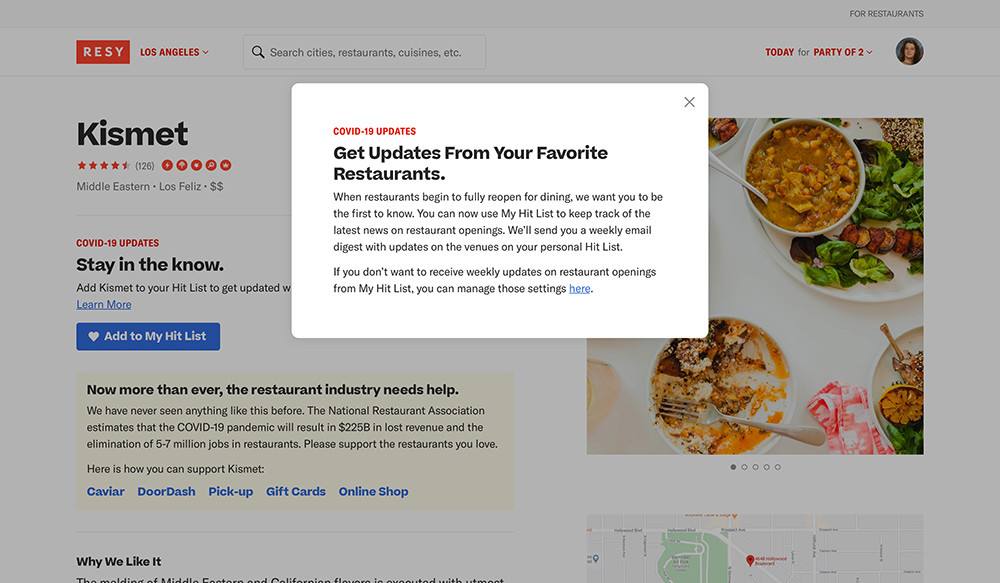
Resy的高管表示,政府和公共衛生官員應該設定指導方針,指導餐廳以最合理的方式恢復營業和招攬顧客。美國疾病預防和控制中心建議餐廳的餐桌至少間隔6英尺(1.8米),并且盡量使用手機應用向顧客發送空位提醒。利文撒爾表示,Resy就是根據這條建議新推出了手機等位功能。
他解釋稱:“通過與餐廳合作伙伴交流,我們了解到他們最關心的是收入多樣化,因為在堂食人數受限的情況下,經營收入遠遠不夠。他們正在考慮其他收入流,比如膳食包、食品雜貨、高級用餐體驗等。”
利文撒爾強調,針對疫情下的經營環境,經營者構想新的服務形式非常重要,盡管這對于餐廳而言很有挑戰性。將在5月底上線的Resy At Home將作為該公司的新訂餐和無接觸取餐功能。它將出現在一家餐廳的預訂頁面,顧客可以在一個標簽上看到堂食預訂時間(如果餐廳提供該項服務),另外一個標簽上將顯示取餐時間。與Grubhub和DoorDash等基于手機應用程序的送餐服務收取送餐費的做法不同,Resy表示,顧客通過Resy At Home定外賣,平臺不會收取任何傭金。
工作場所安全
餐廳恢復營業,除了保證顧客安全以外,還必須考慮為餐廳和廚房的工作人員采取同樣的預防措施。在強制隔離期間,許多餐廳徹底停業,也沒有提供外賣服務,原因就是為了保護員工,防止病毒傳播。

由于目前還沒有即時檢測的方法,因此許多餐廳經理們認為,對顧客和員工測量體溫以及要求他們佩戴口罩,對于餐廳的健康管理至關重要。Gitano的加德納表示,公司的目標是盡量讓顧客能夠輕松接受這些要求,并且避免干擾顧客的用餐體驗,同時還要保護所有人的安全。
加德納解釋說:“最重要的是,我們正在考慮如何以安全有趣的方式完成必要的調整,既要有吸引力又能體現品牌的特色,從而消除顧客的恐懼心理。我們將進行‘有特色的調整’,重新設計制服,餐廳外場人員將配戴帶有品牌標志的口罩,并提供遮陽簾和其他驚喜。”
Cava表示,如果員工出現類似于流感的癥狀,公司將為其提供快速免費新冠病毒檢測,如果檢測結果呈陽性,公司將發放14天應急工資。此外,員工每次上班之前必須接受體溫檢測(包括面部識別熱成像儀檢測),餐廳還將在之前員工和顧客經常接觸的重要地點設置隔斷。
星巴克(Starbucks)表示將對受到新冠肺炎疫情影響的員工提供全方位的照顧,包括災難補助、精神健康和病假福利、兒童看護支持等。此外,該公司還推出了“星巴克服務薪酬”,在5月輪班的員工每小時可以額外領取3美元。
本月早些時候,星巴克的首席執行官凱文·約翰遜在接受《財富》雜志采訪時說:“在咖啡廳恢復營業后,我們首先重視的是健康和安全問題,盡量以更高的公共衛生標準要求自己,努力達到客戶的新預期。”星巴克采取的措施包括引導客戶排隊的位置和限制店內顧客人數;為員工提供口罩和手套等防護裝備;在可預見的未來維持清潔衛生高要求;鼓勵客戶采取減少接觸的消費方式,包括得來速、入口取餐和開車取餐,以及外賣服務等。
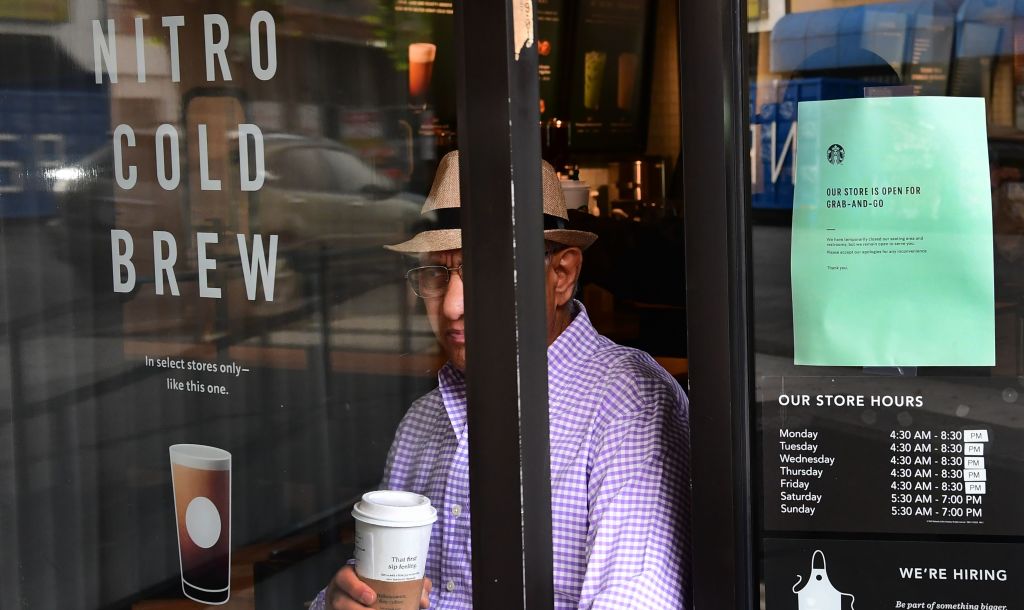
在4月底,星巴克50%的店鋪關閉,僅開放得來速窗口和送餐服務。星巴克的得來速窗口一直對外開放,并通過Uber Eats增加了提供送餐服務的門店。從本月起,在美國和其他國家會有更多的星巴克咖啡廳逐步恢復營業。顧客可以使用星巴克手機應用程序提前預訂和付款,然后在咖啡廳門口或者得來速窗口取走訂單。在可能執行社交隔離的咖啡廳,將提供外帶服務,顧客可以在店內下訂單,然后帶走享用。
約翰遜說:“顧客想要的是既熟悉又方便還能保證安全的消費體驗。他們希望知道無論自己做什么,都不會導致病毒進一步傳播,或者讓自己面臨感染的風險。星巴克已經成為全世界成千上萬人日常生活的一部分,所以星巴克恢復營業,肯定會讓人們激動萬分。我們將堅持將員工和顧客的身心健康與安全放在首位。”
最后的陣地
紐約市是美國疫情的重災區。當地的餐廳和酒吧可能要等到最后才能重新開放。The Wooly是一家知名的現代美式餐廳和酒吧,坐落于曼哈頓下城的伍爾沃斯大廈(Woolworth Building)。包括The Wooly在內的許多餐廳都不得不快速執行員工工作規程,并期待著顧客重新回來用餐的時刻。

The Wooly的老板之一埃里克·阿多爾夫森表達了與許多餐廳老板類似的觀點:他們希望政府出臺疫情防護與安全指南,作為餐廳政策的依據。此外,阿多爾夫森表示,他和另外一位老板戴維·托拜厄斯將繼續探索如何在這些政策以外,為員工和顧客創造一個舒適的環境。
托拜厄斯說:“歸根結底,餐廳應該為人們提供令人愉快的體驗,讓人們擺脫日常生活中的壓力。因此,我們應該采取一些新奇的甚至天馬行空的解決方案,而不只是實現某種目的的手段。這正是人們在當前這種時期所需要的。”
加德納總結道,每個人都在思考一個最重要的問題,那就是“新常態”到底會是什么樣子,這個問題的答案就是我們在一段時間內不會恢復正常營業。“我們希望疫情可以讓所有人多一些善意,希望顧客能夠看到餐飲業在疫情期間的艱難處境,希望他們不僅能到餐廳里尋找享用美食的樂趣和支持我們,還可以多給我們的團隊一些小費。”(財富中文網)
譯者:Biz
到目前為止,無論是美國還是正在逐步解除嚴格封鎖措施的其他國家和地區,對于如何復工都沒有明確的方向。韓國最近重新關閉了夜店,中國香港的酒吧也經歷過關閉、重新開放和再次關閉的過程,現在又再次恢復營業。
美國餐飲預訂平臺Resy的首席執行官本·利文撒爾說:“餐飲業必須認識到一夜之間‘恢復正常’是不可能的,這一點很重要。當餐廳重新開業的時候,他們的商業模式將發生變化。下一個階段,餐廳必須解決如何在店鋪以外擴大品牌知名度和提供商品與服務,這個階段將持續幾個月時間。我們正在對此進行研究。”
隨著夏季臨近,戶外座椅作為餐廳恢復營業的秘訣被反復討論,因為在戶外空間,餐桌之間可以更好地保持社交距離,從而降低新冠病毒傳播的風險。但這種策略存在許多變數,而且也不是萬無一失的解決方案。更不用說,當今年秋冬季節降溫之后,如果新冠病毒疫情出現第二波高潮,這種做法將難以為繼。
Gitano Garden of Love是紐約市一處熱帶風格的戶外酒吧區,占地2.4萬平方英尺。如果當地能夠恢復營業,它將利用其開闊的露天空間安全地吸引顧客。但這并不妨礙Grupo Gitano的創始人及老板詹姆斯·加德納考慮外賣和送餐服務,并推出其他品牌商品,以增加收入。Grupo Gitano在紐約、邁阿密和墨西哥圖魯姆共有六家餐廳和酒吧。
加德納說道:“我們的面積足夠大,而且是在戶外,所以我們很幸運,不會像小型室內餐廳一樣面臨嚴峻的挑戰。”目前,該餐廳沒有修改整體設計和樣式的計劃,因為加德納說只要搬走部分餐桌,擴大餐桌之間的間隔,充分利用未使用的區域,很容易就能執行社交隔離。
他說:“我們認為此次疫情在一段時間內,會減少顧客用餐體驗中的親密接觸,不止是顧客和服務人員之間的接觸,也包括顧客之間的距離。我們一直把餐廳看作是人們相互交流和建立聯系的地方。”
雖然美國疾病預防和控制中心(CDC)建議不要過快重啟經濟,但在有些地區,餐廳用來尋找答案的時間已經越來越少。基于NPD集團(The NPD Group)的ReCount餐廳調查開展的一項分析顯示,自5月1日以來,已經有接近19.2萬家餐廳取消了堂食限制,約占餐廳總量的29%。
NPD食品餐飲業務顧問和《美國飲食模式》(Eating Patterns in America)一書的作者戴維·波特蘭迪表示:“許多餐廳經營者衡量了有限營業的價值和復工的成本、健康風險等因素,并選擇了繼續停業,或者采取僅提供外賣的模式。最近一周的績效顯示,在解除限制令的州,我們已經達到了約30%的潛在交易量。未來一周,還會有46,000家餐廳恢復營業。”
本月早些時候,美國食品與藥品監督管理局(U.S. Food and Drug Administration)編制了一份過去兩個月可能臨時停業的零售餐飲機構清單。需要強調的是,這只是一份指南,因為該局公開承認這“并非一份詳細列表”,而且其中是以問題的形式介紹了大部分最佳實踐。
位于紐約東漢普頓的Highway Restaurant & Bar餐廳自3月中旬停業以來,一直實行外賣模式,采取了其總經理凱文·林德所述的一個綜合性的流程,他認為餐廳恢復營業后應該向這種經營模式轉變。
林德解釋說:“我們馬上推出了一些可以應對需求變化的方案,比如延長營業時間、接受提前預訂、擴大配送區域、提供大號菜肴供顧客在家里長時間享用,甚至還提供在家烹飪的膳食盒等。我們認為這些方案可以維持下去,即使餐廳恢復營業之后,也能給人們一些安全的選擇。這一切都是因為我們把安全放在首位。”
新的行為規范
即使人們普遍接受餐廳恢復堂食服務,但餐廳的就餐人數依舊會有限制,而且他們必須針對顧客和員工設定明確的規則。
林德承認:“你很難預測未來事情還會有怎樣的變化。”盡管如此,這家位于東漢普頓的餐廳仍然計劃在今年夏天開放堂食服務。餐廳的團隊已經開始進行店面布置,在餐桌之間提供恰當的間隔,同時希望保持餐廳內充滿活力的環境。“以前,我們就像是一個充滿了歡聲笑語的社區空間,給人一種歸屬感,現在要保留它的本質和活力是一個艱巨的任務。”
Cava是一家地中海風格的快速休閑連鎖餐廳,總部位于華盛頓特區,在全美有數十家分店。但在已經開始復工的多個州,Cava卻并不急于恢復營業。
Cava餐廳的首席執行官布雷特·舒爾曼說:“餐廳肯定要做出調整,以適應消費者行為和心態的變化。”
Cava將鼓勵顧客配戴面罩以保護自己和餐廳的工作人員。為了鼓勵社交隔離,餐廳將在地面上添加“顯眼的”排隊指示標記,部分餐桌將明確標記為不開放使用。Cava已經停止使用現金支付,而且雖然舒爾曼強調Cava非常重視其環境影響,但所有餐廳都不再提供可多次使用的餐具、碗和托盤等。在發布新通知之前,餐廳將使用預包裝餐具。
該公司已經在每家餐廳設立了店外廚房,與店內的分餐口隔離開來。由于店外廚房在其銷售組合中所占的比例更大,因此舒爾曼表示店內廚房將把更多精力用于滿足網絡訂單取餐、開車取餐和外賣。
舒爾曼說:“最終要在所有店面成功推行這種策略,培訓是關鍵。我們一直在大力推廣這些業務。”他還表示,Cava正在對每家餐廳和區域負責人執行“COVID合規記分卡”制度,以敦促團隊和領導者在餐廳恢復營業時,遵守所有安全和操作規范。
Resy的高管表示,政府和公共衛生官員應該設定指導方針,指導餐廳以最合理的方式恢復營業和招攬顧客。美國疾病預防和控制中心建議餐廳的餐桌至少間隔6英尺(1.8米),并且盡量使用手機應用向顧客發送空位提醒。利文撒爾表示,Resy就是根據這條建議新推出了手機等位功能。
他解釋稱:“通過與餐廳合作伙伴交流,我們了解到他們最關心的是收入多樣化,因為在堂食人數受限的情況下,經營收入遠遠不夠。他們正在考慮其他收入流,比如膳食包、食品雜貨、高級用餐體驗等。”
利文撒爾強調,針對疫情下的經營環境,經營者構想新的服務形式非常重要,盡管這對于餐廳而言很有挑戰性。將在5月底上線的Resy At Home將作為該公司的新訂餐和無接觸取餐功能。它將出現在一家餐廳的預訂頁面,顧客可以在一個標簽上看到堂食預訂時間(如果餐廳提供該項服務),另外一個標簽上將顯示取餐時間。與Grubhub和DoorDash等基于手機應用程序的送餐服務收取送餐費的做法不同,Resy表示,顧客通過Resy At Home定外賣,平臺不會收取任何傭金。
工作場所安全
餐廳恢復營業,除了保證顧客安全以外,還必須考慮為餐廳和廚房的工作人員采取同樣的預防措施。在強制隔離期間,許多餐廳徹底停業,也沒有提供外賣服務,原因就是為了保護員工,防止病毒傳播。
由于目前還沒有即時檢測的方法,因此許多餐廳經理們認為,對顧客和員工測量體溫以及要求他們佩戴口罩,對于餐廳的健康管理至關重要。Gitano的加德納表示,公司的目標是盡量讓顧客能夠輕松接受這些要求,并且避免干擾顧客的用餐體驗,同時還要保護所有人的安全。
加德納解釋說:“最重要的是,我們正在考慮如何以安全有趣的方式完成必要的調整,既要有吸引力又能體現品牌的特色,從而消除顧客的恐懼心理。我們將進行‘有特色的調整’,重新設計制服,餐廳外場人員將配戴帶有品牌標志的口罩,并提供遮陽簾和其他驚喜。”
Cava表示,如果員工出現類似于流感的癥狀,公司將為其提供快速免費新冠病毒檢測,如果檢測結果呈陽性,公司將發放14天應急工資。此外,員工每次上班之前必須接受體溫檢測(包括面部識別熱成像儀檢測),餐廳還將在之前員工和顧客經常接觸的重要地點設置隔斷。
星巴克(Starbucks)表示將對受到新冠肺炎疫情影響的員工提供全方位的照顧,包括災難補助、精神健康和病假福利、兒童看護支持等。此外,該公司還推出了“星巴克服務薪酬”,在5月輪班的員工每小時可以額外領取3美元。
本月早些時候,星巴克的首席執行官凱文·約翰遜在接受《財富》雜志采訪時說:“在咖啡廳恢復營業后,我們首先重視的是健康和安全問題,盡量以更高的公共衛生標準要求自己,努力達到客戶的新預期。”星巴克采取的措施包括引導客戶排隊的位置和限制店內顧客人數;為員工提供口罩和手套等防護裝備;在可預見的未來維持清潔衛生高要求;鼓勵客戶采取減少接觸的消費方式,包括得來速、入口取餐和開車取餐,以及外賣服務等。
在4月底,星巴克50%的店鋪關閉,僅開放得來速窗口和送餐服務。星巴克的得來速窗口一直對外開放,并通過Uber Eats增加了提供送餐服務的門店。從本月起,在美國和其他國家會有更多的星巴克咖啡廳逐步恢復營業。顧客可以使用星巴克手機應用程序提前預訂和付款,然后在咖啡廳門口或者得來速窗口取走訂單。在可能執行社交隔離的咖啡廳,將提供外帶服務,顧客可以在店內下訂單,然后帶走享用。
約翰遜說:“顧客想要的是既熟悉又方便還能保證安全的消費體驗。他們希望知道無論自己做什么,都不會導致病毒進一步傳播,或者讓自己面臨感染的風險。星巴克已經成為全世界成千上萬人日常生活的一部分,所以星巴克恢復營業,肯定會讓人們激動萬分。我們將堅持將員工和顧客的身心健康與安全放在首位。”
最后的陣地
紐約市是美國疫情的重災區。當地的餐廳和酒吧可能要等到最后才能重新開放。The Wooly是一家知名的現代美式餐廳和酒吧,坐落于曼哈頓下城的伍爾沃斯大廈(Woolworth Building)。包括The Wooly在內的許多餐廳都不得不快速執行員工工作規程,并期待著顧客重新回來用餐的時刻。
The Wooly的老板之一埃里克·阿多爾夫森表達了與許多餐廳老板類似的觀點:他們希望政府出臺疫情防護與安全指南,作為餐廳政策的依據。此外,阿多爾夫森表示,他和另外一位老板戴維·托拜厄斯將繼續探索如何在這些政策以外,為員工和顧客創造一個舒適的環境。
托拜厄斯說:“歸根結底,餐廳應該為人們提供令人愉快的體驗,讓人們擺脫日常生活中的壓力。因此,我們應該采取一些新奇的甚至天馬行空的解決方案,而不只是實現某種目的的手段。這正是人們在當前這種時期所需要的。”
加德納總結道,每個人都在思考一個最重要的問題,那就是“新常態”到底會是什么樣子,這個問題的答案就是我們在一段時間內不會恢復正常營業。“我們希望疫情可以讓所有人多一些善意,希望顧客能夠看到餐飲業在疫情期間的艱難處境,希望他們不僅能到餐廳里尋找享用美食的樂趣和支持我們,還可以多給我們的團隊一些小費。”(財富中文網)
譯者:Biz
So far, there is no clear way on how to do this, either within the U.S. or other countries phasing out strict lockdown measures. South Korea recently had to re-shut down nightclubs, while bars in Hong Kong have been shut down, reopened, re-shut down, and are now reopen again—for the time being.
“I think it’s important to recognize that there will not be an overnight ‘back to normal’ for the industry, and when restaurants do reopen, their business models will look different,” says Resy CEO Ben Leventhal. “We are looking at a many months-long next phase in which restaurants are tasked with figuring out how to extend their brand, offerings, and hospitality beyond the dining room.”
With the summer months on the horizon, outdoor seating is being batted around as the secret ingredient to reopening as it has the potential to offer better social distancing between tables and less risk of spreading COVID-19 outdoors. But this strategy depends on so many variables, and it’s not a foolproof solution by any means. Not to mention, it won’t be a sustainable measure if a second wave of the novel coronavirus hits amid cooler temperatures during the fall and winter months of 2020.
Gitano Garden of Love, a 24,000-square foot, tropical-theme outdoor bar area in New York City, is leaning on its spacious, open air floor plan to safely draw customers if and when it can reopen this summer. But that hasn't stopped James Gardner, founder and owner of Grupo Gitano—which oversees six restaurants and bars in New York, Miami, and Tulum, Mexico—from considering takeout and delivery services, among other branded products, to generate revenue in the meantime.
"Given our size and and being outdoors, we are grateful that we do not do not face the significant challenges of smaller indoor restaurants," Gardner says. Currently, there are no plans to change the overall design and form of the restaurant, as Gardner says the establishment can implement social distancing easily by removing and spreading out tables, as well as activating unused areas.
"We do think this pandemic will take a lot of the intimacy out of the dining experience for some time most likely, not only the intimacy that is built between the guest and server but between our guests overall," he says. "We have always thought about our spaces as a place for people to see, be seen, and to connect."
Despite recommendations against reopening too soon from the Centers of Disease Control (CDC), time is already running out to figure out the answers for some regions. Since May 1, restaurant dine-in restrictions have been lifted for nearly 192,000 restaurant units—about 29% of all units—based on an analysis using The NPD Group’s ReCount restaurant census.
“Many restaurant operators have weighed the value of limited operations versus the cost of opening, health risks, or other factors, and chose to remain closed or continue with a takeout-only model,” says David Portalatin, NPD food industry advisor and author of Eating Patterns in America. “The most recent week’s performance suggests we’ve achieved about 30% of the potential volume in states where restrictions were lifted. Looking ahead to next week, another 46,000 restaurants could come back online.”
Earlier this month, the U.S. Food and Drug Administration (FDA) prepared a checklist for retail food establishments that might have temporarily closed over the last two months. It should be stressed that these are guidelines, as the FDA openly acknowledges that it is "not a comprehensive list," and most of the best practices are presented in the form of a question.
Highway Restaurant & Bar in East Hampton, N.Y. pivoted to a takeout model as soon as dining rooms were shutdown in mid-March with what general manager Kevin Lind describes as a comprehensive process that should transition through reopening.
"We added several options right away that we thought would accommodate changing needs, like extending hours of operation, taking advanced orders, adding some delivery areas, and offering large-format meals that can last at home and even make-at-home kits," Lind explains. "We think these have staying power and give people safe options even after reopening. All of this was done with a focus on safety first."
The new code of conduct
Even when there is broader acceptance for restaurants to reopen for dine-in services, there will be capacity restrictions, and rules will need to be established and made clear for patrons and employees alike.
"It’s very hard to know how things will continue to change," Lind acknowledges. That said, the East Hampton eatery plans on being open for dine-in service this summer. Within the restaurant, the team has started to work on a floor plan that will provide the proper spacing between tables, while also, hopefully, maintaining the restaurant's lively ambiance. "It’s an uphill battle to preserve the essence and energy of a restaurant which once served as a neighborhood space full of laughter and community."
Cava, a fast casual Mediterranean cuisine chain based in Washington D.C. with dozens of locations around the country, is holding back on opening dining rooms in states already reopening.
"The restaurant experience will most certainly evolve to accommodate a shift in consumer behavior and mindset," says Cava's CEO Brett Schulman.
Cava will be encouraging customers to wear facial coverings to protect themselves and its team members. To urge social distancing, there will be "hard-to-miss" floor markers for line queuing, and certain tables will be clearly marked as not open for use. The company also discontinued the use of cash for payment and, while Schulman stresses that Cava very much cares about its impact on the environment, all multi-use utensils, bowls and trays have been removed from dining rooms. Pre-packaged cutlery will be used until further notice.
The company already has off-premises kitchens for every restaurant, separate from its in-store serving lines. With off-premises becoming a larger part of the sales mix, Schulman says more interior production space will be dedicated to digital order pickup, curbside, and delivery.
"Ultimately, for us to execute this successfully and consistently, training will play a key role, and we’ve really dialed up in this area of operations," Schulman says, adding Cava is deploying a "COVID compliance scorecard" for each restaurant and area leader, which will hold teams and leaders accountable to adhering to all safety and operational protocols in reopening its dining rooms.
Resy's leadership says government and public health officials needs to set the guidelines for how best to reopen and patronize restaurants. The CDC recommends restaurants should space tables at least six feet (1.8 meters) apart and try to use phone app technology to alert a patron when their table is ready. Resy’s new Mobile Waitlist feature, Leventhal notes, was designed to fit this recommendation.
“In talking with our restaurant partners it has become clear that revenue diversification is top of mind, since operating at a limited dine-in capacity will not yield them enough revenue,” Leventhal explains. “They are thinking about supplemental revenue streams, like meal kits, groceries, premium experiences, and more.”
While it's a challenging proposition for restaurants all-around, Leventhal stresses it is important to equip operators with new services imagined for a pandemic environment. Resy At Home, launching at the end of May, will serve as the company’s new meal ordering and contactless pickup functionality. It will be embedded onto a given restaurant’s reservation page, so guests will see dine-in reservations slots (if those are being offered) on one tab, and pickup slots on another tab. And contrary to the fees charged by app-based delivery services like Grubhub and DoorDash, Resy says it will not charge any commissions on takeout orders booked through the Resy At Home.
Workplace safety
Just as critical to ensuring customers are safe upon reentry, the same precautions must be taken in consideration to dining room and kitchen staff. Many restaurants shut down entirely during shelter-in-place mandates without pivoting to takeout for this very reason: to protect employees from the spread.
Without immediate testing available, temperature checks for customers and employees alike have been cited frequently by restaurant managers as critical to health management, along with face masks. Gitano's Gardner says the objective will be to make these requirements as painless and non-intrusive to the guest experience as possible whilst also reassuring that everyone's safety is being protected.
"Most importantly, we are thinking about how we can deliver the necessary changes both safely and in a fun, engaging, branded way that neutralizes the fear factor," Gardner explains. "We are going to 'own the look,' redesigning uniforms where the front of house will include branded masks, sun visors, and other surprises."
Cava says it will be providing employees experiencing flu-like symptoms with access to fast and free COVID-19 testing as well as emergency 14-day pay for any team member who tests positive for COVID-19. Employees will also be required to take temperature checks at the start of every shift (including testing a facial recognition thermal imaging device), and partitions will be constructed at strategic spots where guests and employees previously came into contact.
Starbucks says it will be offering comprehensive care to its employees impacted by COVID-19, including catastrophe pay, mental health and sick pay benefits, childcare support, and more. Additionally, the company introduced Starbucks Service Pay, providing a premium of $3 per hour to retail partners for shifts worked as scheduled through the month of May.
“As we reopen stores, we are appropriately prioritizing health and safety concerns, working hard to exceed public health requirements and adjust to new customer expectations,” Starbucks CEO Kevin Johnson said in an interview with Fortune earlier this month. This includes directing customers where to stand and limiting the number of customers in a café; providing partners with protective equipment, including masks and gloves; maintaining elevated cleaning and sanitation procedures for the foreseeable future; and promoting low-contact channels for customers, including the drive-thru, entryway and curbside pickup, and delivery.
At the end of April, 50% of Starbucks locations were closed and available only for drive-thru and delivery. Drive-thrus remained open to serve customers, with additional delivery locations available via Uber Eats. Starting this month, more Starbucks cafés are slowly reopening across the U.S. and other countries. Customers will be able to order and pay ahead of time using the Starbucks app, and pick up their orders at the door or at the drive-thru window. At select locations where social distancing can be implemented, stores will offer “grab and go,” so customers can place orders in the café and then take them to-go.
“Our customers are looking for experiences that are safe, familiar, and convenient,” Johnson said. “They want to know that whatever they’re going to do is not going to contribute to the further spread of the virus or put them at risk of getting sick. Starbucks has become part of the daily routine of millions of people around the world, which we think they’ll be excited to get back to. The health, safety, and wellbeing of our partners and customers will continue to be our top priority.”
The final frontier
The region hardest hit nationwide by COVID-19, New York City’s restaurants and bars will likely be among the last businesses to open their doors back to the public. Restaurants like The Wooly, a popular New American restaurant and bar located in the Woolworth Building in lower Manhattan, have had to quickly implement protocols for employees working while looking ahead to the future when customers reenter the establishment.
Co-owner Eric Adolfsen reiterates what many restauranteurs have said: They're looking to the government to provide guidelines for protection and safety that will be the basis for its policies. Additionally, Adolfsen says he and his co-owner, David Tobias, will continue to explore ways to go above and beyond these policies and create a comfortable environment for employees and patrons alike.
"At the end of the day, a restaurant is supposed to provide people with an enjoyable experience and a break from the stressors of everyday life," Tobias says. "In order to do this, our solutions should be novel and possibly even whimsical at times, not just means to an end. This is what people need at times like these.
Gardner concludes that what the "new normal" will look like is the biggest question on everyone's minds, answering it will not be back to business as usual for quite some time. "We hope that this pandemic will also lead to a lot more kindness on all sides, that our guests will see how hard this business is in the pandemic, and not only come out to have fun and support us, but also tip the team well."

請打開財富Plus APP