


誰能決定美國大選結果?可能要看賓夕法尼亞州的老年人
Shawan Tully
2020-11-02
賓州老人對美國防疫效果不滿意,可能會決定大選結果。
 文本設置
文本設置
 Plus(0條)

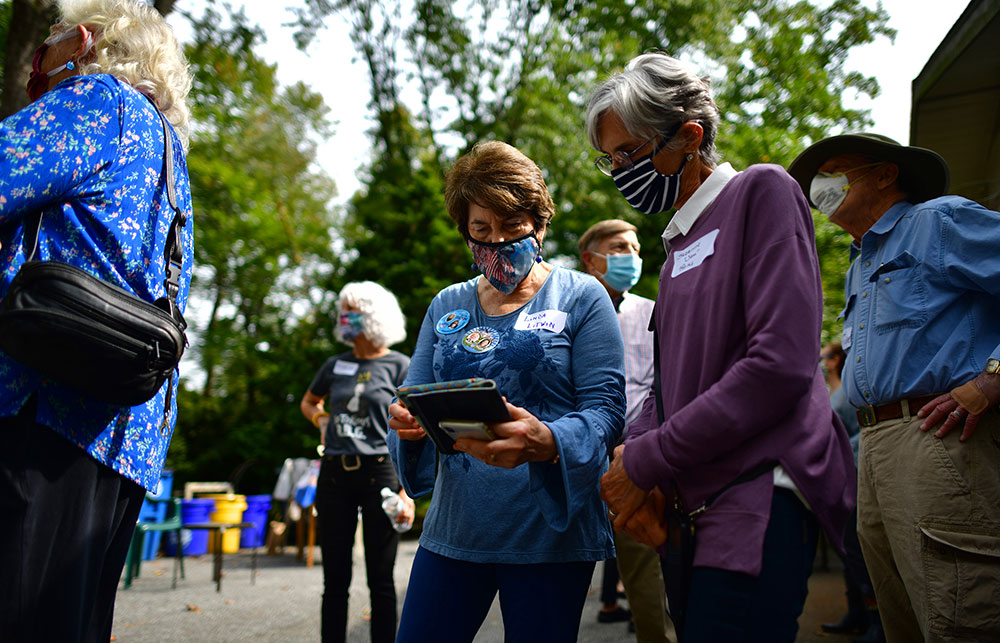
誰能成為美國的下一任總統,很可能要看搖擺州的一群人怎么選。
這個群體就是賓夕法尼亞州很可能會參與投票的老年人,約有150萬人。2016年他們曾大力支持特朗普,如今卻對其疫情應對非常不滿。最新民調顯示,支持拜登的銀發族規模相當龐大,拜登在65歲及更年長人群中的支持率領先約10個百分點,接近四年前特朗普的優勢。“賓州老年人的選票極其重要,”阿倫敦穆倫伯格學院政治學教授兼輿論研究所主任克里斯托弗?鮑里克表示。“本次選舉的大背景是,如果共和黨人沒法獲得老年人支持,就很難獲勝。特朗普當然還有機會,但最后沖刺階段老年人選票流失將造成極為嚴峻的挑戰。”
簡單來說就是,關鍵州掌握著通往白宮的鑰匙。“賓州能決定勝負,”鮑里克說,“哪怕其他情況我一點也不了解,如果11月4日你告訴我特朗普拿下了賓州,我敢確信他大選獲勝了。“為了獲得賓州支持從而鎖定連任,特朗普必須一張選票一張選票地拉回來,畢竟賓州老年人已紛紛倒向拜登。因此,特朗普需要在西部產油區以及費城周邊農村和郊區掀起紅色大潮,而且得票數要遠遠超過2016年。
特朗普正在賓州這塊必爭之地上全力以赴,攻勢十分猛烈,他希望最后幾天能以閃電戰拿下。10月26日,從中南部農村地區的馬丁斯堡到費城北邊工業帶的阿倫敦,特朗普在賓州舉行了至少三場超過一小時的拉票活動,首要爭取對象就是老年人。在每一站,他講話主題都是對手在破壞老年人最需要的兩項福利。”(拜登)總想削減社保和醫保力度……伯尼?桑德斯早已暴露了企圖,”特朗普在阿倫敦大喊。
四年前特朗普拿下賓州時優勢其實很微弱,只多出4.4萬票或0.76%,也是1840年以來的差距最小的一次。老年人群體是當年特朗普獲勝的基礎。投票后民調顯示,在65歲及更年長選民中,他獲得了54%的選票,比對手多出約15萬張。老年人選民在關鍵州格外重要,原因有二。首先,各大戰場中賓州老年人占比18.6%,除了佛羅里達州(20.6%)比其他地方比例都高。第二,老年人投票更積極,投票人數遠遠超過其在選民中所占人口比例。“大選期間,賓州投票選民里可能有23%或24%是老年人,所以老年選民非爭取不可。” 鮑里克說。
如今,特朗普無論在民調還是投注賠率上都大大落后于拜登。穆倫伯格輿論研究所最新調研顯示,拜登領先7個百分點,二人比例為51%對44%。RealClearPolitics最新八次民調平均值49.6%對45.8%,拜登領先3.8個百分點。而特朗普在RealClear六個政治投注網站的總排名為35%,拜登則是64%,這意味著投注者看好拜登與看好特朗普比例接近2比1。在PredictIt市場(不包括在RealClear數據中),10月27日中午特朗普的勝率略高于41%。在PredictIt上,從特朗普在賓州的表現來看成功入主白宮的機會是39%,也可由此看出關鍵州的重要性。事實上,賓州選情起落對特朗普連任幾率的影響比其他因素都要大。
雖然特朗普在賓州獲勝的機會很小,運氣卻是越來越好。10月21日,第二次辯論前一天,PredictIt上拜登與特朗普勝率還是68%對32%,說明辯論后特朗普將差距縮小了8個百分點達到40%。RealClear收集的民調中,特朗普也從10月13日的落后7個百分點追到目前的落后3.8個百分點。“第二場辯論幫特朗普在賓州挽回一程,”鮑里克說。“討論水壓開采時,拜登只能防守。”不過,即便拜登呼吁結束石油天然氣行業方面有失言,特朗普也在阿倫敦到伊利狂暴出擊,種種努力能否拉回2016年曾幫他絕地逢生如今卻紛紛倒戈的老年人,現在還說不準。
特朗普陷入困境的首要原因是,老年人認為他對疫情處理不力。最新的穆倫伯格調查中,20%的受訪者說特朗普最大問題就是疫情應對,15%的人提到醫保。“老年人患新冠的人數要多得多,”鮑里克說,“所以在老年人群體中,特朗普疫情防控的評價極為負面。醫療方面評價也很低。”在穆倫伯格民調中,65歲及以上的人中,不認同特朗普的表現的人占到了60%,只有34%的人表示認同。被問及是否會投票給特朗普或拜登時,只有39%的老年人選擇特朗普,拜登領先20個百分點。相比之下,30歲至64歲的選民對特朗普的支持率高出5個百分點,二人比例為50%對45%。如果特朗普在賓州老年人中的民調接近2016年,贏下該州的幾率會更高,入主白宮的機會很可能更大。
如果想了解特朗普如何才能拿下賓州,不妨回顧一下2016年他的獲勝路徑。當年希拉里?克林頓在費城和城市周邊四個縣,公鹿、切斯特、特拉華和蒙哥馬利的表現與巴拉克?奧巴馬相當接近。她在匹茲堡所在的阿利根尼,以及分別位于斯克蘭頓和哈里斯堡的拉卡瓦納和多芬也輕松獲勝。
在石油資源豐富的西南部,近年來選舉中越發傾向于支持共和黨,特朗普獲得了很高投票率從而取得了微弱的勝利。他在費耶特、格林、華盛頓和威斯特摩蘭郡贏得了65%的選票,超過希拉里11.8萬票。比起2012年米特?羅姆尼勝出的票數還多了5.6萬票。此外,特朗普還贏得了鐵銹地帶的代表伊利,順利拿下2012年奧巴馬曾以1.9萬票優勢獲勝的地方。他在維爾克斯-巴里所在的盧澤恩以2.6萬票優勢實現逆轉。特朗普在斯克蘭頓地區形勢也好得多,將民主黨在拉卡瓦納的領先優勢從2.7萬票縮小到2500票。特朗普在農村、鐵銹地帶和水壓開采地區發動了紅色襲擊,壓制了希拉里在費城和匹茲堡的優秀表現。
2016年,賓州總共有611萬人參加了投票。在費城、周邊四縣和匹茲堡的阿利根尼,希拉里共贏得261.5萬張選票中的169.3萬張,占65%。特朗普則橫掃67個縣中的56個,在制造業、產油區和農業區的350萬選民中獲得59%選票。
現在還很難預測大選日有多少老年人會投票給特朗普。工業區或水力開采地區的一些老年人原本因疫情對特朗普不滿,但也有可能不滿意拜登對能源領域的態度,從而不情愿地轉投特朗普。如果特朗普在老年人中獲得選票的情況比穆倫伯格民調預測好一些,從四年前的54%降到45%,那么他與2015年相比會少得13.5萬票。當年他只多出4.4萬票,現在需要補9萬多票才能勉強打贏。
特朗普要想獲勝,獲得的票數要比2016年高得多,而且要超過四年前未投票而這次積極郵寄缺席或現場投票的民主黨票數。如果特朗普在堅定支持的地區能在350萬張選票里多收獲8%,再次贏得60%的選票,就能比2016年多得17萬張選票。
但即便如此,他也只能在民主黨投票沒有同步上升的情況下才有機會獲勝。鮑里克認為不太可能。據他預測,本次共和黨和共和黨投票人數都將遠遠超過2016年。”共和黨人受到特朗普的鼓舞,民主黨人對拜登不感興趣但為了反對特朗普也要投票,”他說。鮑里克懷疑,特朗普新爭取到的選票可能很難超過超過同樣增加的費城和匹茲堡郊區投票選民,2016年這群人懶得投票,這次卻愿意為了拜登挺身而出。鮑里克說,特朗普唯一的出路是在老年人中挽回一些損失,同時在己方票倉收獲選票。
鮑里克說:“他因為疫情問題惹怒了老年人,所以勢頭削弱,最近確診病例大爆發可以說是雪上加霜。“ 他認為特朗普還是有機會獲勝的,“如果能做幾點調整就可以,特朗普的能量仍然強大。” 他表示。關鍵州民調差距也確實在收窄。如果特朗普能順利應付四年前支持他的老年人的倒戈,就能在關鍵州上演比四年前更大的驚喜,從而有機會在以偉大戰場命名之處繼續主政四年。(財富中文網)
譯者:夏林
誰能成為美國的下一任總統,很可能要看搖擺州的一群人怎么選。
這個群體就是賓夕法尼亞州很可能會參與投票的老年人,約有150萬人。2016年他們曾大力支持特朗普,如今卻對其疫情應對非常不滿。最新民調顯示,支持拜登的銀發族規模相當龐大,拜登在65歲及更年長人群中的支持率領先約10個百分點,接近四年前特朗普的優勢。“賓州老年人的選票極其重要,”阿倫敦穆倫伯格學院政治學教授兼輿論研究所主任克里斯托弗?鮑里克表示。“本次選舉的大背景是,如果共和黨人沒法獲得老年人支持,就很難獲勝。特朗普當然還有機會,但最后沖刺階段老年人選票流失將造成極為嚴峻的挑戰。”
簡單來說就是,關鍵州掌握著通往白宮的鑰匙。“賓州能決定勝負,”鮑里克說,“哪怕其他情況我一點也不了解,如果11月4日你告訴我特朗普拿下了賓州,我敢確信他大選獲勝了。“為了獲得賓州支持從而鎖定連任,特朗普必須一張選票一張選票地拉回來,畢竟賓州老年人已紛紛倒向拜登。因此,特朗普需要在西部產油區以及費城周邊農村和郊區掀起紅色大潮,而且得票數要遠遠超過2016年。
特朗普正在賓州這塊必爭之地上全力以赴,攻勢十分猛烈,他希望最后幾天能以閃電戰拿下。10月26日,從中南部農村地區的馬丁斯堡到費城北邊工業帶的阿倫敦,特朗普在賓州舉行了至少三場超過一小時的拉票活動,首要爭取對象就是老年人。在每一站,他講話主題都是對手在破壞老年人最需要的兩項福利。”(拜登)總想削減社保和醫保力度……伯尼?桑德斯早已暴露了企圖,”特朗普在阿倫敦大喊。
四年前特朗普拿下賓州時優勢其實很微弱,只多出4.4萬票或0.76%,也是1840年以來的差距最小的一次。老年人群體是當年特朗普獲勝的基礎。投票后民調顯示,在65歲及更年長選民中,他獲得了54%的選票,比對手多出約15萬張。老年人選民在關鍵州格外重要,原因有二。首先,各大戰場中賓州老年人占比18.6%,除了佛羅里達州(20.6%)比其他地方比例都高。第二,老年人投票更積極,投票人數遠遠超過其在選民中所占人口比例。“大選期間,賓州投票選民里可能有23%或24%是老年人,所以老年選民非爭取不可。” 鮑里克說。
如今,特朗普無論在民調還是投注賠率上都大大落后于拜登。穆倫伯格輿論研究所最新調研顯示,拜登領先7個百分點,二人比例為51%對44%。RealClearPolitics最新八次民調平均值49.6%對45.8%,拜登領先3.8個百分點。而特朗普在RealClear六個政治投注網站的總排名為35%,拜登則是64%,這意味著投注者看好拜登與看好特朗普比例接近2比1。在PredictIt市場(不包括在RealClear數據中),10月27日中午特朗普的勝率略高于41%。在PredictIt上,從特朗普在賓州的表現來看成功入主白宮的機會是39%,也可由此看出關鍵州的重要性。事實上,賓州選情起落對特朗普連任幾率的影響比其他因素都要大。
雖然特朗普在賓州獲勝的機會很小,運氣卻是越來越好。10月21日,第二次辯論前一天,PredictIt上拜登與特朗普勝率還是68%對32%,說明辯論后特朗普將差距縮小了8個百分點達到40%。RealClear收集的民調中,特朗普也從10月13日的落后7個百分點追到目前的落后3.8個百分點。“第二場辯論幫特朗普在賓州挽回一程,”鮑里克說。“討論水壓開采時,拜登只能防守。”不過,即便拜登呼吁結束石油天然氣行業方面有失言,特朗普也在阿倫敦到伊利狂暴出擊,種種努力能否拉回2016年曾幫他絕地逢生如今卻紛紛倒戈的老年人,現在還說不準。
特朗普陷入困境的首要原因是,老年人認為他對疫情處理不力。最新的穆倫伯格調查中,20%的受訪者說特朗普最大問題就是疫情應對,15%的人提到醫保。“老年人患新冠的人數要多得多,”鮑里克說,“所以在老年人群體中,特朗普疫情防控的評價極為負面。醫療方面評價也很低。”在穆倫伯格民調中,65歲及以上的人中,不認同特朗普的表現的人占到了60%,只有34%的人表示認同。被問及是否會投票給特朗普或拜登時,只有39%的老年人選擇特朗普,拜登領先20個百分點。相比之下,30歲至64歲的選民對特朗普的支持率高出5個百分點,二人比例為50%對45%。如果特朗普在賓州老年人中的民調接近2016年,贏下該州的幾率會更高,入主白宮的機會很可能更大。
如果想了解特朗普如何才能拿下賓州,不妨回顧一下2016年他的獲勝路徑。當年希拉里?克林頓在費城和城市周邊四個縣,公鹿、切斯特、特拉華和蒙哥馬利的表現與巴拉克?奧巴馬相當接近。她在匹茲堡所在的阿利根尼,以及分別位于斯克蘭頓和哈里斯堡的拉卡瓦納和多芬也輕松獲勝。
在石油資源豐富的西南部,近年來選舉中越發傾向于支持共和黨,特朗普獲得了很高投票率從而取得了微弱的勝利。他在費耶特、格林、華盛頓和威斯特摩蘭郡贏得了65%的選票,超過希拉里11.8萬票。比起2012年米特?羅姆尼勝出的票數還多了5.6萬票。此外,特朗普還贏得了鐵銹地帶的代表伊利,順利拿下2012年奧巴馬曾以1.9萬票優勢獲勝的地方。他在維爾克斯-巴里所在的盧澤恩以2.6萬票優勢實現逆轉。特朗普在斯克蘭頓地區形勢也好得多,將民主黨在拉卡瓦納的領先優勢從2.7萬票縮小到2500票。特朗普在農村、鐵銹地帶和水壓開采地區發動了紅色襲擊,壓制了希拉里在費城和匹茲堡的優秀表現。
2016年,賓州總共有611萬人參加了投票。在費城、周邊四縣和匹茲堡的阿利根尼,希拉里共贏得261.5萬張選票中的169.3萬張,占65%。特朗普則橫掃67個縣中的56個,在制造業、產油區和農業區的350萬選民中獲得59%選票。
現在還很難預測大選日有多少老年人會投票給特朗普。工業區或水力開采地區的一些老年人原本因疫情對特朗普不滿,但也有可能不滿意拜登對能源領域的態度,從而不情愿地轉投特朗普。如果特朗普在老年人中獲得選票的情況比穆倫伯格民調預測好一些,從四年前的54%降到45%,那么他與2015年相比會少得13.5萬票。當年他只多出4.4萬票,現在需要補9萬多票才能勉強打贏。
特朗普要想獲勝,獲得的票數要比2016年高得多,而且要超過四年前未投票而這次積極郵寄缺席或現場投票的民主黨票數。如果特朗普在堅定支持的地區能在350萬張選票里多收獲8%,再次贏得60%的選票,就能比2016年多得17萬張選票。
但即便如此,他也只能在民主黨投票沒有同步上升的情況下才有機會獲勝。鮑里克認為不太可能。據他預測,本次共和黨和共和黨投票人數都將遠遠超過2016年。”共和黨人受到特朗普的鼓舞,民主黨人對拜登不感興趣但為了反對特朗普也要投票,”他說。鮑里克懷疑,特朗普新爭取到的選票可能很難超過超過同樣增加的費城和匹茲堡郊區投票選民,2016年這群人懶得投票,這次卻愿意為了拜登挺身而出。鮑里克說,特朗普唯一的出路是在老年人中挽回一些損失,同時在己方票倉收獲選票。
鮑里克說:“他因為疫情問題惹怒了老年人,所以勢頭削弱,最近確診病例大爆發可以說是雪上加霜。“ 他認為特朗普還是有機會獲勝的,“如果能做幾點調整就可以,特朗普的能量仍然強大。” 他表示。關鍵州民調差距也確實在收窄。如果特朗普能順利應付四年前支持他的老年人的倒戈,就能在關鍵州上演比四年前更大的驚喜,從而有機會在以偉大戰場命名之處繼續主政四年。(財富中文網)
譯者:夏林
A group of older voters assembles to plan grass-roots campaigning for Democratic presidential nominee former Vice President Joe Biden in Newtown Square, Pa.
MARK MAKELA—THE WASHINGTON POST/GETTY IMAGES
It's highly possible that a single demographic, in a single swing state, will determine who becomes America's next President.
That group is the roughly 1.5 million seniors in Pennsylvania likely to vote, a citizenry that went big for Trump in 2016 but is hugely unhappy with his handling of the COVID-19 pandemic. Recent polls show a gray wave toward Biden so gigantic that, right now, he's expected to carry the 65-and-over crowd by what could equal Trump's 10 point margin four years ago. "The senior vote is incredibly important in Pennsylvania," says Christopher Borick, political science professor at Muhlenberg College in Allentown, and director of its Institute of Public Opinion. "The big story of this election is that as a Republican, you can't afford to lose ground with seniors and expect to win. Trump still has a path to victory, but the loss of seniors presents an overwhelming challenge in the home stretch."
Put simply, it's a good bet that one state holds the key to the White House, and that's the Keystone State. "We're the tipping state," says Borick. "If I knew nothing else, and you told me Trump won Pennsylvania on Nov. 4, I'd feel solid he won the presidency." To carry Pennsylvania and gain a lock on reelection, Trump must make up, ballot for ballot, for the tens of thousands of votes he'll lose because seniors are swinging to Biden. Hence, Trump will need to rally a red wave in the western oil tier and rural and suburban areas outside of the Philadelphia metro that far surpasses the big numbers he garnered in 2016.
Trump is going all-in on Pennsylvania, blitzing this must-win territory in the final days harder than any other battleground. On Oct. 26 he hosted no fewer than three, hour-plus rallies there that took him from Martinsburg in the south-central rural tier to Allentown in the industrial belt north of Philadelphia. Seniors are a prime target. At every stop, a banner theme was his opponent's alleged efforts to undermine the two entitlements dearest to the elderly. "[Biden] repeatedly tried to cut Social Security and Medicare...and Bernie Sanders is the one who exposed him on that," Trump trumpeted in Allentown.
Four years ago, Trump took Pennsylvania by a slender 44,000 votes or 0.76%, the narrowest margin since 1840. The senior bloc formed a cornerstone of his victory. According to exit polls, he carried 54% of the 65-and-over demo, prevailing by roughly 150,000 votes. Seniors are an especially important group in the Keystone State for two reasons. First, of all the battlegrounds, Pennsylvania at 18.6% has a higher proportion of those folks than any state besides Florida (at 20.6%). Second, seniors vote in much bigger numbers than their share of the electorate. "In a presidential election in Pennsylvania, of the entire electorate, 23% or 24% can be seniors," notes Borick. "That's why seniors are such a coveted demographic."
Today, Trump is trailing Biden by a significant margin both in the polls and betting odds. The latest Muhlenberg Institute of Public Opinion survey has Biden ahead by 7 points, 51% to 44%. The RealClearPolitics average of the eight most recent polls puts Biden's lead at 3.8 points, 49.6% to 45.8%, and Trump's overall standing on the RealClear roster of six political gaming sites is 35% to Biden's 64%, meaning the gamblers rate Biden a nearly 2-to-1 favorite. On the PredictIt exchange (not included in the RealClear numbers), Trump's odds at midday on Oct. 27 were a bit better at 41%. It's a gauge of the Keystone State's importance that on PredictIt, his chances in that one battleground mirror his 39% shot at taking the White House. In fact, it's the ebb and flow in Pennsylvania, more than any other factor, that drive the ups and downs in the President's odds for reelection.
Though the President is still a long shot in Pennsylvania, his fortunes are improving. On October 21, the day before the second debate, he lagged Biden on PredictIt 68% to 32%, meaning he's narrowed that gap by 8 points to reach 40%. In RealClear's collection of polls, he's climbed from down 7 points on Oct. 13 to the current shortfall of 3.8. "The debate was a positive for the President in Pennsylvania," says Borick. "He put Biden on the defensive on fracking." Still, it's not clear that Biden's gaffe in calling for an end to the oil and gas industries, and Trump's manic barnstorming from Allentown to Erie, are enough to compensate for the shocking erosion of support from the seniors who carried him to an historic upset in 2016.
Trump's in that hole for an overriding reason: What the elderly perceive as his botched handling of the pandemic. In the latest Muhlenberg survey, 20% of respondents said that the most important issue was COVID-19, and 15% cited health care. "The number for COVID is far higher among seniors," says Borick. "Among that group, Trump gets horrible ratings on his handling of the pandemic. He also gets bad ratings on health care." In the Muhlenberg poll, 60% of folks 65 or older disapproved of Trump's performance, versus 34% who approved. Asked if they'll vote for Trump or Biden, only 39% of seniors picked the President, giving Biden a 20-point advantage. In comparison, voters aged 30 to 64 preferred Trump by 5 points, 50% to 45%. If Trump were polling anywhere close to his 2016 numbers among graying Pennsylvanians, he'd be in a much stronger position to carry the state, and probably a favorite to claim the White House.
To grasp what it would take for Trump to take Pennsylvania, it helps to retrace his path in 2016. Hillary Clinton pretty much matched Barack Obama's showing in Philadelphia and the metro's four surrounding counties: Bucks, Chester, Delaware, and Montgomery. She also won handily in Allegheny, home to Pittsburgh, and in Lackawanna and Dauphin, whose respective hubs are Scranton and Harrisburg.
Trump notched his narrow win by getting a huge turnout in the oil-rich southwestern tier that's been trending heavily Republican in recent elections. He won 65% of the vote in Fayette, Greene, Washington, and Westmoreland counties, beating Clinton's total by 118,000. That's 56,000 better than Mitt Romney's margin in 2012. In addition, Trump flipped Rust Belt icon Erie County, capturing a prize that went to Obama by 19,000 votes in 2012. He scored a stunning reversal in Luzerne, whose base is Wilkes-Barre, winning by 26,000. He also polled a lot better in the Scranton area, narrowing the Democrats' margin in Lackawanna County to 2,500 from 27,000. Trump unleashed a red onslaught in rural, Rust Belt, and fracking regions that edged Clinton's strong showing in Philadelphia and Pittsburgh.
All told, 6.11 million Pennsylvanians voted in 2016. In Philadelphia, the four surrounding counties and Pittsburgh's Allegheny, Clinton won a total of 1.693 million of 2.615 million ballots cast, or 65%. Trump swept 56 of 67 counties, taking 59% of the 3.5 million voters in those chiefly manufacturing, oil patch, and farming regions.
It's hard to predict what Trump's senior share will be on Election Day. It's possible that a number of elders in the industrial or fracking regions that revile the President on COVID might turn on Biden because of his stance on energy, and reluctantly support Trump once again. If Trump's senior share goes from 54% four years ago to 45%, better than the Muhlenberg poll is forecasting, he'd have a deficit of 135,000 votes versus 2015. Since he won by just 44,000, he'd have to make up just over 90,000 to eke out a win.
Trump can triumph only if the increase in his turnout over 2016 is much greater than the number of Democrats who didn't vote four years ago but this time post absentee ballots and flock to the polls. If Trump can get an extra 8% of the 3.5 million in the regions that went for him heavily, and again win 60% of their votes, he gains by 170,000 votes over 2016.
But even then, he wins only if Democratic turnout doesn't rise nearly as much. Borick doesn't see that happening. He predicts that both Republican and Democratic voters will vote in far bigger numbers than in 2016. "The Republicans are energized by Trump, while the Democrats aren't excited about Biden but galvanized by opposition to Trump," he says. Borick doubts that Trump's extra recruits can exceed a surge in Philadelphia and Pittsburgh suburbanites—folks who yawned in 2016 and stand up for Biden this time—by enough for the President to win. His only path is to recoup some of his losses with seniors, and at the same time marshal a gigantic turnout from his base, says Borick.
"The way he's antagonized seniors over COVID has blunted his momentum," says Borick. "The timing of the latest explosion in cases couldn't be worse for him." He thinks Trump can still win. "He could do it if he moves just a few points," he says. "Trump's energy is there." Indeed, the Keystone State polls are tightening a bit. If Trump can overcome the revolt of the seniors who supported him so overwhelming four short years ago, he'll orchestrate a Keystone State surprise even bigger than the last one, and probably get four more years at the address named for that great battleground.

請打開財富Plus APP