


歐盟訴德國二氧化氮排放超標勝訴
CHRISTIAAN HETZNER
2021-06-04
德國在2010年至2016年期間“系統且持續地”違反歐盟空氣質量指令,并突破了二氧化氮的年排放上限。
 文本設置
文本設置
 Plus(0條)

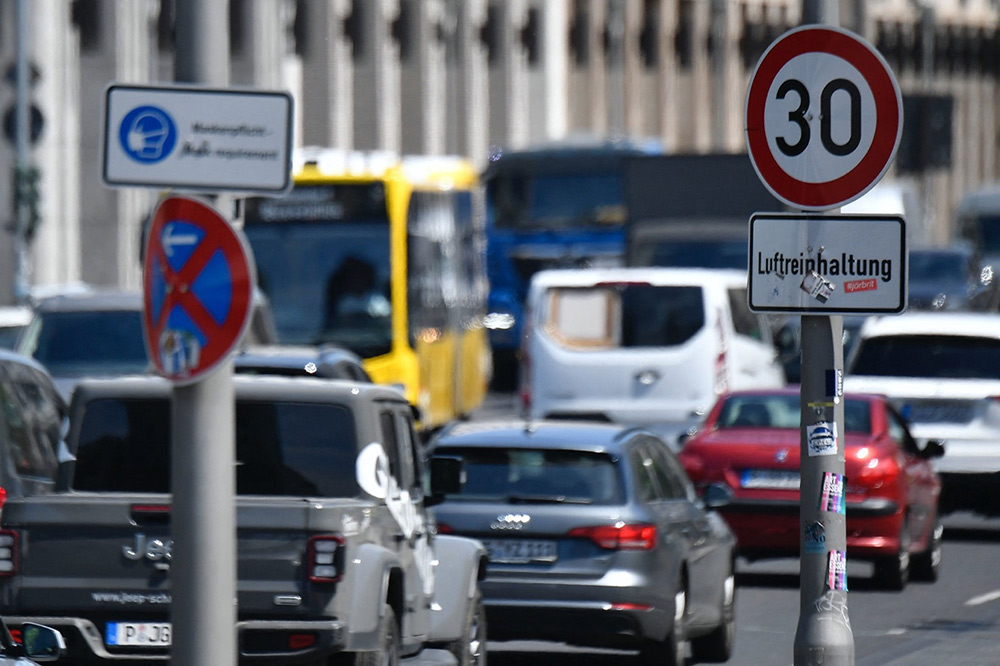
歐盟委員會(European Commission)在對德國的訴訟中獲勝。6月3日,歐盟最高法庭裁定,德國政府違反了清潔空氣法。
根據歐洲法院(European Court of Justice)的一項裁決,德國在2010年至2016年期間“系統且持續地”違反歐盟空氣質量指令,并突破了二氧化氮的年排放上限。
這一裁決使得雙方的長期爭端塵埃落定。布魯塞爾方面也因此有了法律依據,現在其可以要求柏林方面對這一致癌的有害氣體采取治理措施。
而至于德國,他們希望通過所謂的類型批準程序,證明違規行為實際上是歐盟委員會的過錯——因為在德國看來,委員會沒有適當立法限制柴油車的排放,這是問題的主要原因。
不過,這一論點并未能說服法官。
“在歐盟標準范圍內的機動車并不是二氧化氮過量排放的唯一原因,除此之外,適用于機動車類型批準的歐盟規定不能免除成員國遵守規定中設置的限值的義務。”歐洲法院在一份聲明中表示。
德國這一歐盟最大的成員國應當采取何種進一步措施,將交由歐盟委員會和德國總統烏蘇拉?馮?德萊恩來決定。
但是,任何諸如嚴厲罰款的懲罰性舉措,都可能以雙方再次出庭而告終。
值得慶幸的是,由于德國在之后的幾年大幅降低了環境二氧化氮濃度(具有諷刺意味的是,部分原因與“柴油門”丑聞有關),雙方或將避免事態升級。
大眾汽車(Volkswagen)的排放欺詐事件于2015年9月在美國被揭露,撕開了歐洲全行業廣泛欺詐內幕的一角。為了減少柴油消耗,許多汽車制造商會依據一項原意為保護發動機免受過度磨損的條款,把尾氣后處理系統設置成時常自動關閉的狀態。
此后,相關法規逐步出臺,打擊這種偷排行為。今年年初以來,法律漏洞已被完全補上。
德國環境部長桑婭?舒爾茨在發給《財富》雜志的一份聲明中表示:“柴油乘用車的新尾氣標準,能夠確保越來越多的汽車在行駛道路上不僅僅是在實驗室里維護空氣清潔。”
德國曾有90個城市和大都市地區的二氧化氮年濃度超過了40微克/立方米,但這一數字在2019年就降到了25個。去年僅剩6個——不過這可能與疫情相關的封鎖有關。
歐盟委員會于2018年10月提交針對德國的訴狀。該委員會并未回應置評請求。(財富中文網)
編譯:楊二一
歐盟委員會(European Commission)在對德國的訴訟中獲勝。6月3日,歐盟最高法庭裁定,德國政府違反了清潔空氣法。
根據歐洲法院(European Court of Justice)的一項裁決,德國在2010年至2016年期間“系統且持續地”違反歐盟空氣質量指令,并突破了二氧化氮的年排放上限。
這一裁決使得雙方的長期爭端塵埃落定。布魯塞爾方面也因此有了法律依據,現在其可以要求柏林方面對這一致癌的有害氣體采取治理措施。
而至于德國,他們希望通過所謂的類型批準程序,證明違規行為實際上是歐盟委員會的過錯——因為在德國看來,委員會沒有適當立法限制柴油車的排放,這是問題的主要原因。
不過,這一論點并未能說服法官。
“在歐盟標準范圍內的機動車并不是二氧化氮過量排放的唯一原因,除此之外,適用于機動車類型批準的歐盟規定不能免除成員國遵守規定中設置的限值的義務。”歐洲法院在一份聲明中表示。
德國這一歐盟最大的成員國應當采取何種進一步措施,將交由歐盟委員會和德國總統烏蘇拉?馮?德萊恩來決定。
但是,任何諸如嚴厲罰款的懲罰性舉措,都可能以雙方再次出庭而告終。
值得慶幸的是,由于德國在之后的幾年大幅降低了環境二氧化氮濃度(具有諷刺意味的是,部分原因與“柴油門”丑聞有關),雙方或將避免事態升級。
大眾汽車(Volkswagen)的排放欺詐事件于2015年9月在美國被揭露,撕開了歐洲全行業廣泛欺詐內幕的一角。為了減少柴油消耗,許多汽車制造商會依據一項原意為保護發動機免受過度磨損的條款,把尾氣后處理系統設置成時常自動關閉的狀態。
此后,相關法規逐步出臺,打擊這種偷排行為。今年年初以來,法律漏洞已被完全補上。
德國環境部長桑婭?舒爾茨在發給《財富》雜志的一份聲明中表示:“柴油乘用車的新尾氣標準,能夠確保越來越多的汽車在行駛道路上不僅僅是在實驗室里維護空氣清潔。”
德國曾有90個城市和大都市地區的二氧化氮年濃度超過了40微克/立方米,但這一數字在2019年就降到了25個。去年僅剩6個——不過這可能與疫情相關的封鎖有關。
歐盟委員會于2018年10月提交針對德國的訴狀。該委員會并未回應置評請求。(財富中文網)
編譯:楊二一
The European Commission emerged victorious from its court case against Germany, after the EU’s highest tribunal found on Thursday that the German government was in breach of clean air laws.
Germany had violated the EU Air Quality Directive “by systematically and persistently exceeding” the annual limit for nitrogen dioxide (NO2) emissions during the years 2010 through 2016, according to a ruling by the European Court of Justice.
The verdict settles a long-running dispute and gives Brussels the legal ammunition to now demand Berlin take action against a harmful gas found to be carcinogenic to humans.
For its part, the country aimed to prove its transgressions were actually the fault of the European Commission for not properly legislating emissions limits for diesel vehicles, the main cause of the problem, through the so-called type approval process.
The argument failed to convince justices, however.
“Apart from the fact that motor vehicles subject to EU-level standards are not the only cause of NO2 emissions, EU rules applicable to type approval of motor vehicles cannot exempt member states from their obligation to comply with the limit values established by the directive,” the court said in a statement.
What further steps might now be taken against the EU’s biggest member state are now at the discretion of the Commission and its German President, Ursula von der Leyen.
However, any attempt to impose punitive measures such as stiff fines would likely end up with both sides in front of the court once more.
Fortunately for both, they will likely be able to avoid any escalation, given the country has substantially reduced ambient NO2 concentrations in subsequent years, ironically thanks in part to the Dieselgate scandal.
Uncovered in the U.S. in September 2015, Volkswagen’s emissions fraud helped reveal a broader industrywide practice in Europe. To reduce diesel fuel consumption, numerous carmakers designed their exhaust gas aftertreatment systems to often switch off automatically under a clause meant to protect engines from excessive wear and tear.
Regulations have since been phased in to clamp down on this practice, and the legal loophole has now been fully closed since the start of this year.
“New exhaust gas standards for diesel passenger cars ensure more and more cars are clean on the road and not just in a laboratory,” German environment minister Svenja Schulze said in a statement sent to Fortune.
Whereas 90 German cities and metropolitan areas exceeded annual nitrogen dioxide concentrations of 40 micrograms per cubic meter, that number dropped to 25 in 2019. Last year it fell to just six, although this sharp drop is likely linked to pandemic-related shutdowns.
The EU Commission, which filed the petition in October 2018, could not be reached for comment.

請打開財富Plus APP