


大眾的電動巴士首發(fā)亮相,充滿20世紀60年代美國反主流文化情懷
Christiaan Hetzner
2022-03-14
大眾經典巴士的粉絲們迎來好消息。
 文本設置
文本設置
 Plus(0條)

大眾經典巴士(VW Bus)的粉絲們迎來了好消息,充滿傳奇色彩的小面包車又回來了,而且這回實現(xiàn)了純電動、碳中和、純素三合一。然而,有人歡喜有人憂,美國用戶或需等待更久才能夠迎來該車型在本土上市。
3月9日,大眾的ID Buzz概念車量產版本首發(fā)亮相,將于今年秋季登陸歐洲市場。
該車型歷經五年開發(fā)完成,不久之后將接過1950年首發(fā)的大眾經典巴士的衣缽。即便是特斯拉(Tesla)也沒有任何產品雛形可以與之相競爭。
美版ID Buzz將于2024年上市,與歐版車型相比,擁有更長的軸距及多達7座的車內配置。
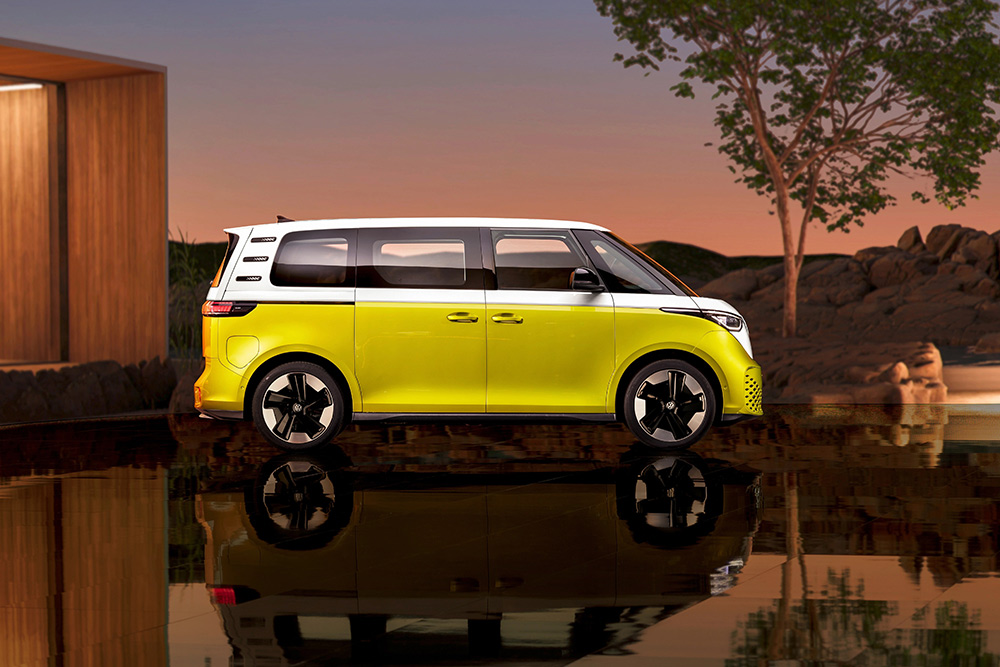
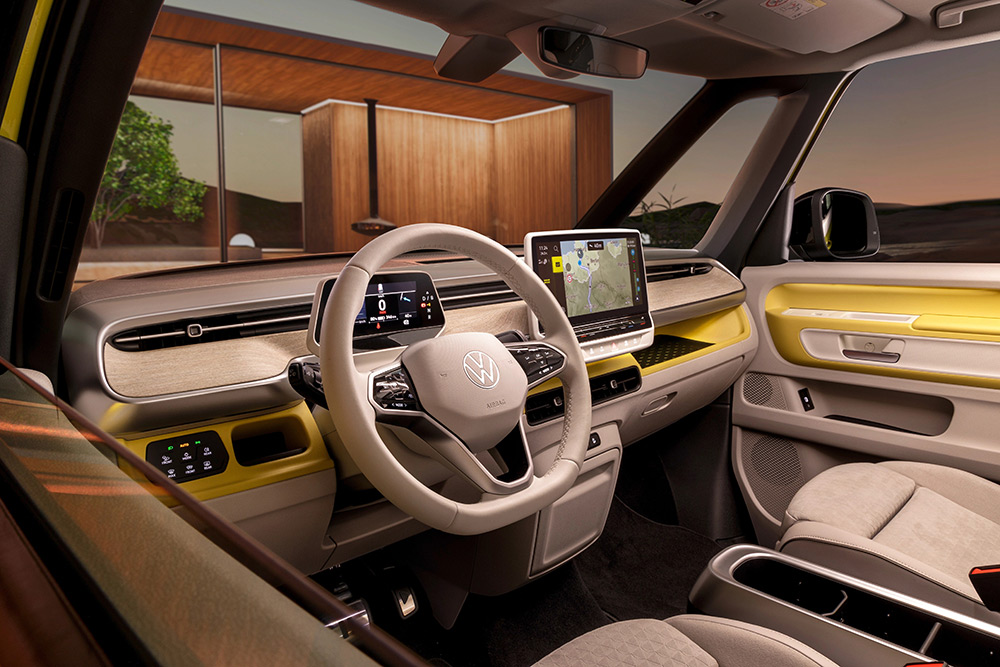
ID Buzz保留了大眾經典巴士的嬉皮士精神,車內用到了眾多的回收材料。希望選裝高檔皮革座椅的用戶只得另尋他處了。不但是座椅,其它所有配置也均沒有皮革版本。ID Buzz在德國制造,大眾將負責抵消該車型全部無法消除的二氧化碳凈排放。
大眾汽車乘用車品牌的首席執(zhí)行官貝瑞德(Ralf Brandst?tter)在3月9日的發(fā)言中說:“它的魅力在于對經典的傳承。20世紀60年代,巴士是自由和獨立的象征,如今,我們只是以電動化和可持續(xù)的方式重現(xiàn)這兩種精神。”
ID Buzz的續(xù)航里程數(shù)官方尚未公布,其銷量可能不及體型更小的ID 4,ID 4是一款跨界電動汽車,2021年春季登陸美國市場。不過,ID Buzz是備受寵愛的大眾經典小面包車的精神繼承者,大眾要在美國市場挽回柴油門事件造成的形象損失,ID Buzz的表現(xiàn)至關重要。大眾汽車計劃到2030年將其美國市場份額提高一倍以上,達到10%。
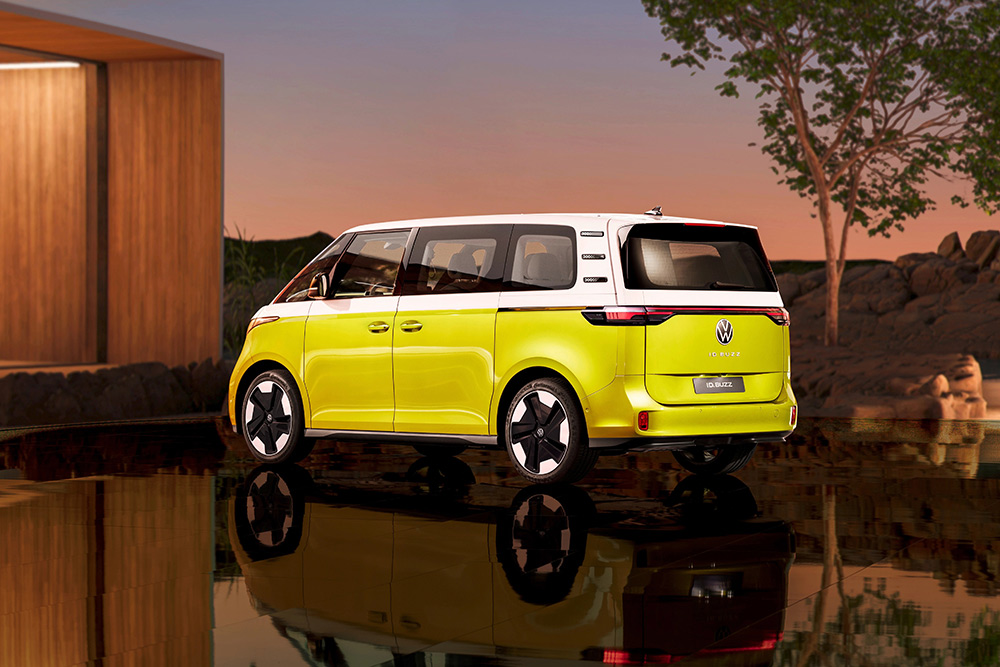
2001年,大眾提出了微型巴士的概念,吊足了市場胃口,卻一直未能獲批投產,此次發(fā)布ID Buzz,至少對歐洲用戶而言,算是兌現(xiàn)了年內實現(xiàn)巴士回歸的承諾。
大眾巴士的復刻計劃歷時如此之久,與規(guī)模經濟不無關系。ID 4正在全球范圍內降價出售,而ID Buzz銷量又不及ID 4,為確保充足的盈利空間,ID Buzz采用了“同門師妹”ID 4跨界車的同款底盤。
不同車型上使用的通用部件越多,汽車制造商的成本降低越顯著。理想狀態(tài)是,除了外觀和設計,外部車身造型、內部駕駛室配置以及用戶可視可觸的表面材料,不同車型間不存在其他差異。
這款底盤出自大眾旗下的MEB平臺,為大眾集團(VW Group)眾多車型所共有,包括奧迪(Audi)Q4 e-tron。到2025年,大眾80%的電動汽車產品都會采用這款MEB底盤。意味著開發(fā)MEB平臺的前期投入將由1900萬輛汽車分攤,規(guī)模效益可觀。
通用汽車公司(General Motors Co.)針對自家三款車型也采用了相同的策略,分別是同出于Ultium平臺的GMC悍馬電動皮卡(GMC Hummer EV)、即將到來的凱迪拉克(Cadillac)Lyriq,以及將于明年面世、備受期待、價值3萬美元的雪佛蘭探界者(Chevrolet Equinox)跨界車。
因為師出同門,歐版的ID Buzz自然也沿用了ID 4的動力電池組(凈容量77千瓦時),配備通用款電機和電子設備。而擁有更大電池容量的四驅車型仍然在研發(fā)當中。
大眾汽車乘用車品牌的首席執(zhí)行官貝瑞德如此概括ID Buzz在電動汽車市場的樸素定位:“電動汽車比比皆是,但只有大眾集團才能夠為市場奉獻上ID Buzz這樣的產品。”(財富中文網)
譯者:梁宇
審校:夏林
大眾經典巴士(VW Bus)的粉絲們迎來了好消息,充滿傳奇色彩的小面包車又回來了,而且這回實現(xiàn)了純電動、碳中和、純素三合一。然而,有人歡喜有人憂,美國用戶或需等待更久才能夠迎來該車型在本土上市。
3月9日,大眾的ID Buzz概念車量產版本首發(fā)亮相,將于今年秋季登陸歐洲市場。
該車型歷經五年開發(fā)完成,不久之后將接過1950年首發(fā)的大眾經典巴士的衣缽。即便是特斯拉(Tesla)也沒有任何產品雛形可以與之相競爭。
美版ID Buzz將于2024年上市,與歐版車型相比,擁有更長的軸距及多達7座的車內配置。
ID Buzz保留了大眾經典巴士的嬉皮士精神,車內用到了眾多的回收材料。希望選裝高檔皮革座椅的用戶只得另尋他處了。不但是座椅,其它所有配置也均沒有皮革版本。ID Buzz在德國制造,大眾將負責抵消該車型全部無法消除的二氧化碳凈排放。
大眾汽車乘用車品牌的首席執(zhí)行官貝瑞德(Ralf Brandst?tter)在3月9日的發(fā)言中說:“它的魅力在于對經典的傳承。20世紀60年代,巴士是自由和獨立的象征,如今,我們只是以電動化和可持續(xù)的方式重現(xiàn)這兩種精神。”
ID Buzz的續(xù)航里程數(shù)官方尚未公布,其銷量可能不及體型更小的ID 4,ID 4是一款跨界電動汽車,2021年春季登陸美國市場。不過,ID Buzz是備受寵愛的大眾經典小面包車的精神繼承者,大眾要在美國市場挽回柴油門事件造成的形象損失,ID Buzz的表現(xiàn)至關重要。大眾汽車計劃到2030年將其美國市場份額提高一倍以上,達到10%。
2001年,大眾提出了微型巴士的概念,吊足了市場胃口,卻一直未能獲批投產,此次發(fā)布ID Buzz,至少對歐洲用戶而言,算是兌現(xiàn)了年內實現(xiàn)巴士回歸的承諾。
大眾巴士的復刻計劃歷時如此之久,與規(guī)模經濟不無關系。ID 4正在全球范圍內降價出售,而ID Buzz銷量又不及ID 4,為確保充足的盈利空間,ID Buzz采用了“同門師妹”ID 4跨界車的同款底盤。
不同車型上使用的通用部件越多,汽車制造商的成本降低越顯著。理想狀態(tài)是,除了外觀和設計,外部車身造型、內部駕駛室配置以及用戶可視可觸的表面材料,不同車型間不存在其他差異。
這款底盤出自大眾旗下的MEB平臺,為大眾集團(VW Group)眾多車型所共有,包括奧迪(Audi)Q4 e-tron。到2025年,大眾80%的電動汽車產品都會采用這款MEB底盤。意味著開發(fā)MEB平臺的前期投入將由1900萬輛汽車分攤,規(guī)模效益可觀。
通用汽車公司(General Motors Co.)針對自家三款車型也采用了相同的策略,分別是同出于Ultium平臺的GMC悍馬電動皮卡(GMC Hummer EV)、即將到來的凱迪拉克(Cadillac)Lyriq,以及將于明年面世、備受期待、價值3萬美元的雪佛蘭探界者(Chevrolet Equinox)跨界車。
因為師出同門,歐版的ID Buzz自然也沿用了ID 4的動力電池組(凈容量77千瓦時),配備通用款電機和電子設備。而擁有更大電池容量的四驅車型仍然在研發(fā)當中。
大眾汽車乘用車品牌的首席執(zhí)行官貝瑞德如此概括ID Buzz在電動汽車市場的樸素定位:“電動汽車比比皆是,但只有大眾集團才能夠為市場奉獻上ID Buzz這樣的產品。”(財富中文網)
譯者:梁宇
審校:夏林
For fans of the original VW Bus, the good news is that Volkswagen’s legendary flower power minivan is back: It’s all electric and carbon-neutral, and it’s vegan. The bad news for American customers is that they may have to wait even longer than anticipated.
On March 9, the German carmaker finally unveiled the series production version of its ID Buzz concept that will hit European markets in autumn.
Five long years of development work went into the vehicle that soon will take its place next to the original VW Bus, which debuted back in 1950. Not even Tesla has anything on the drawing board that can compete.
But the U.S. version will only arrive in 2024, which, unlike its European counterpart, will have a wheelbase and a larger interior with up to seven seats.
True to its predecessor’s hippie image, the ID Buzz will feature a lot of recycled materials in the interior. Customers hoping to add Alcantara seats will have to look elsewhere; there won’t even be an option to order anything with leather. Built in Germany, all net CO2 emissions that cannot be abated will be offset by Volkswagen.
“Its emotional appeal stems from the legacy it inherits,” the brand’s CEO, Ralf Brandst?tter, said in prepared remarks on March 9. “In the 1960s, the Bus symbolized freedom and independence, and now we’re transporting those feelings from the past into the present, only this time it’s electric and sustainable.”
The ID Buzz, whose official electric range has not been indicated in kilometers yet, may not generate the kind of sales volume as the smaller ID4, an electric crossover that launched in the U.S. market last spring. As the spiritual successor to the beloved van, it is however crucial to polishing the diesel-tarnished brand in the U.S. market, where it aims to more than double its share to 10% by 2030.
At least for European customers, VW will finally deliver on the promise of a Bus revival this year, having teased fans in 2001 with the popular Microbus concept that never got the green light for actual production.
The reason why it took so long for the VW Bus to be revived has to do with economies of scale: In order to be profitable enough with lower volumes compared with the ID4, the Buzz uses the same chassis as that of its crossover sibling already on sale across the world.
By using as many common parts under the hood that they can, carmakers can save costs across different models. Ideally only the visible bits that differentiate cars from one another are changed—their look and design, exterior body style, interior passenger cabin, and surface materials customers see and touch.
This common chassis shared across various VW Group models, including the Audi Q4 e-tron, is known by its German initials MEB and will underpin more than 80% of all EVs the parent company sells by 2025. Altogether the upfront investments it spent to develop the MEB will be split by 19 million cars, giving VW considerable scale effects.
GM is adopting a similar approach with its Ultium platform that forms the basis for the GMC Hummer EV pickup, the upcoming Cadillac Lyriq, and the much anticipated $30,000 Chevrolet Equinox crossover due to arrive next year.
As a result of their shared heritage, the battery pack of the ID4 has also been carried over for the European ID Buzz. It offers the same 77 kWh net usable capacity, and features common motors and electronics. A larger battery and an all-wheel drive version, however, is in the works.
Brandst?tter summed up the vehicle’s simple positioning in the EV market as such: “There are a lot of electric vehicles, but only Volkswagen can bring a vehicle like the ID Buzz to the road.”

請打開財富Plus APP