


吸引勞動力回歸,僅靠加薪還不夠
Megan Leonhardt
2022-03-31
截至2022年2月,約有140萬曾經在新冠疫情爆發前在職的美國人仍未重返勞動力市場。
 文本設置
文本設置
 Plus(0條)

隨著新冠肺炎病例的減少,美國的就業人數開始回升。然而很多美國人目前依舊在觀望,這不禁讓人思考:如何才能吸引這些人重新加入就業大軍?
在“大辭職潮”(Great Resignation)中,數百萬的美國員工選擇辭職以尋找更好的工作機會,許多用人單位因此加大了招聘力度。各行各業也在努力應對由新冠疫情和強勁的消費者需求所引發的持續性勞動力短缺問題,后者進一步增加了企業對勞動力的需求。
美世公司(Mercer)最近針對300多家美國的用人單位開展的一項實時洞察(Real Time Insights)調查顯示,近一半的美國雇主(47%)認為,勞動力短缺是一個大問題。
根據彼得森國際經濟研究所(Peterson Institute for International Economics)在今年3月早些時候發布的一項分析報告,截至2022年2月,約有140萬曾經在新冠疫情爆發前在職的美國人仍未重返勞動力市場。2月的勞動力參與率繼續低于新冠疫情前的水平。該報告作者是經濟學家賈森·弗曼和威爾遜·鮑威爾三世。
未重返勞動力市場的人群中,有很多是在職父母、移民、退休人員,甚至還有長期與新冠病毒和其他健康問題作斗爭的人,這些健康問題致使他們在當前的新冠疫情大環境下變得尤為脆弱。
究竟如何才能讓這部分勞動人口停止觀望呢?截至目前,僅靠高薪肯定是不夠的。今年2 月,美國非農就業人員的平均時薪達到31.58美元,同比增長5.1%。
而更好的工作安排和福利待遇或許能夠推動人們重返勞動力市場。根據招聘網站 Monster.com的一項調查,超過40%的公司表示計劃在2022年提升員工福利待遇。
這種激勵來得越早越好,用人單位最好可以盡快在工作方式上賦予員工更多的自主權。2022年2月下旬,美國的哈里斯民調(The Harris Poll)在代表《財富》雜志進行的一項調查中發現,約有42%的員工表示,在眾多的福利中,靈活的工作時間對他們最具吸引力。
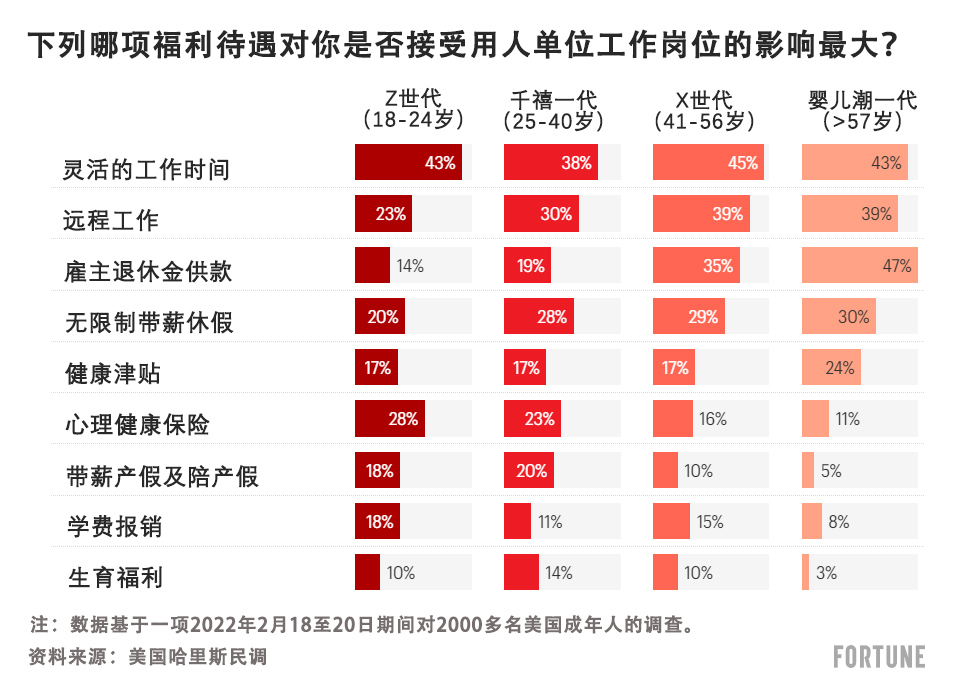
緊隨其后的是可以遠程工作(34%)和雇主退休金供款增加(32%)。
“有能力為員工提供靈活工作方式的公司,在當下的人才爭奪戰中應該善用這一優勢。” Randstad Sourceright公司的首席執行官邁克·史密斯表示。Randstad Sourceright是一家專注于人才招聘和人力資本管理策略的公司。
調查還顯示,女性比男性更傾向于選擇遠程工作(37%對31%),這也在意料之中。可能是女性承擔著更多家務和育兒工作的原因。女性因為育兒問題而離開工作崗位的可能性比男性更高。美國薪酬調查公司PayScale最近報告稱,約有85%的女性表示她們辭職主要是為了照顧孩子,相比之下,因為該原因而離職的男性僅占15%。
但即使加上福利拉動可能還不夠。勞動力市場數據分析公司Emsi Burning Glass的高級經濟學家羅恩·赫特里克正密切關注個人儲蓄率指標,他預測儲蓄不足將促使更多的美國人尋找工作。
根據美國經濟分析局(Bureau of Economic Analysis)的數據,截至2022年1月,美國的個人儲蓄率為6.4%,兩年來首次低于新冠疫情前的水平。2021年3月,美國居民可支配收入的百分比為26.6%,自那時起,個人儲蓄率一直在緩慢下降。
而通貨膨脹可能會進一步推動儲蓄率下降。赫特里克說:“惡性通貨膨脹正在導致貨幣加速貶值,物價上漲。”然而,根據美國舊金山聯邦儲備銀行(Federal Reserve Bank of San Francisco)的信息,大多數專家認為美國要重新實現就業最大化的目標還有很長的路要走,甚至要等到2024年以后。
在那之前,提供更多工作靈活性的公司似乎更有可能贏得這場人才爭奪戰。(財富中文網)
譯者:潘文秀
審校:夏林
隨著新冠肺炎病例的減少,美國的就業人數開始回升。然而很多美國人目前依舊在觀望,這不禁讓人思考:如何才能吸引這些人重新加入就業大軍?
在“大辭職潮”(Great Resignation)中,數百萬的美國員工選擇辭職以尋找更好的工作機會,許多用人單位因此加大了招聘力度。各行各業也在努力應對由新冠疫情和強勁的消費者需求所引發的持續性勞動力短缺問題,后者進一步增加了企業對勞動力的需求。
美世公司(Mercer)最近針對300多家美國的用人單位開展的一項實時洞察(Real Time Insights)調查顯示,近一半的美國雇主(47%)認為,勞動力短缺是一個大問題。
根據彼得森國際經濟研究所(Peterson Institute for International Economics)在今年3月早些時候發布的一項分析報告,截至2022年2月,約有140萬曾經在新冠疫情爆發前在職的美國人仍未重返勞動力市場。2月的勞動力參與率繼續低于新冠疫情前的水平。該報告作者是經濟學家賈森·弗曼和威爾遜·鮑威爾三世。
未重返勞動力市場的人群中,有很多是在職父母、移民、退休人員,甚至還有長期與新冠病毒和其他健康問題作斗爭的人,這些健康問題致使他們在當前的新冠疫情大環境下變得尤為脆弱。
究竟如何才能讓這部分勞動人口停止觀望呢?截至目前,僅靠高薪肯定是不夠的。今年2 月,美國非農就業人員的平均時薪達到31.58美元,同比增長5.1%。
而更好的工作安排和福利待遇或許能夠推動人們重返勞動力市場。根據招聘網站 Monster.com的一項調查,超過40%的公司表示計劃在2022年提升員工福利待遇。
這種激勵來得越早越好,用人單位最好可以盡快在工作方式上賦予員工更多的自主權。2022年2月下旬,美國的哈里斯民調(The Harris Poll)在代表《財富》雜志進行的一項調查中發現,約有42%的員工表示,在眾多的福利中,靈活的工作時間對他們最具吸引力。
緊隨其后的是可以遠程工作(34%)和雇主退休金供款增加(32%)。
“有能力為員工提供靈活工作方式的公司,在當下的人才爭奪戰中應該善用這一優勢。” Randstad Sourceright公司的首席執行官邁克·史密斯表示。Randstad Sourceright是一家專注于人才招聘和人力資本管理策略的公司。
調查還顯示,女性比男性更傾向于選擇遠程工作(37%對31%),這也在意料之中。可能是女性承擔著更多家務和育兒工作的原因。女性因為育兒問題而離開工作崗位的可能性比男性更高。美國薪酬調查公司PayScale最近報告稱,約有85%的女性表示她們辭職主要是為了照顧孩子,相比之下,因為該原因而離職的男性僅占15%。
但即使加上福利拉動可能還不夠。勞動力市場數據分析公司Emsi Burning Glass的高級經濟學家羅恩·赫特里克正密切關注個人儲蓄率指標,他預測儲蓄不足將促使更多的美國人尋找工作。
根據美國經濟分析局(Bureau of Economic Analysis)的數據,截至2022年1月,美國的個人儲蓄率為6.4%,兩年來首次低于新冠疫情前的水平。2021年3月,美國居民可支配收入的百分比為26.6%,自那時起,個人儲蓄率一直在緩慢下降。
而通貨膨脹可能會進一步推動儲蓄率下降。赫特里克說:“惡性通貨膨脹正在導致貨幣加速貶值,物價上漲。”然而,根據美國舊金山聯邦儲備銀行(Federal Reserve Bank of San Francisco)的信息,大多數專家認為美國要重新實現就業最大化的目標還有很長的路要走,甚至要等到2024年以后。
在那之前,提供更多工作靈活性的公司似乎更有可能贏得這場人才爭奪戰。(財富中文網)
譯者:潘文秀
審校:夏林
With the U.S seeing a decline in COVID-19 cases, employment levels are starting to pick up. But many Americans are still sitting on the sidelines, raising the question: What will it take to lure them back to work?
Many employers, for example, have increased their recruiting efforts amid the so-called “Great Resignation” of millions workers quitting for better jobs. Businesses are also grappling with a continued worker shortage spurred by the pandemic and high consumer demand for goods that is intensifying a need for more staff.
Nearly half, 47%, of U.S. employers say labor shortages are a significant issue, according to Mercer’s recent Real Time Insights survey of over 300 U.S. employers.
About 1.4 million Americans working pre-pandemic still haven’t returned to the workforce as of February, according to an analysis by economists Jason Furman and Wilson Powell III published for the Peterson Institute for International Economics earlier March. The labor force participation rate in February continued to be below pre-pandemic levels.
Many of those missing workers include working parents, immigrants, retirees, and even those struggling with long COVID and other health issues that make them vulnerable in the current pandemic environment.
But what will it take to get these workers off the sidelines? So far, higher pay hasn’t been enough. In February, the average hourly pay for non-farm employees hit $31.58, an increase of 5.1% over the past year.
Better work arrangements and benefits may help. More than four in 10 companies reported plans to increase their employee perks and benefits in 2022, according to a survey by recruiting site Monster.com.
That boost can’t come soon enough——particularly in the case of employers granting Americans more autonomy over how they work. About 42% of overall workers reported that a flexible schedule is the benefit most likely to get them to consider taking a job, The Harris Poll found in a late February survey on behalf of Fortune.
The desire for increased flexibility was followed by the ability to work remotely (34%), and expanded employer retirement contributions (32%).
“If you have the capability to offer people flexible employment, you need to be using that as a weapon in your arsenal in this war for talent currently,” says Mike Smith, CEO of Randstad Sourceright, which specializes in talent acquisition and human capital management strategies.
Women, perhaps unsurprisingly, are significantly more likely than men to want the option to work remotely (37% vs 31%). That likely stems from the fact that women are more involved with household work and child care. Women are far more likely than men to leave work because of childcare issues. Payscale recently reported that about 85% of women reported the primary reason they quit a job was because they were caring for a child, compared with 15% of men.
But benefits by themselves may not be enough. Ron Hetrick, a senior economist with labor market data company Emsi Burning Glass is carefully watching personal savings rates, predicting that a lack of savings will push more Americans to find a job.
The U.S. personal saving rate was 6.4% as of January, falling below pre-pandemic levels for the first time in two years, according to the Bureau of Economic Analysis. The rate has been slowly shrinking since March 2021 when the percentage of Americans’ disposable income was 26.6%.
Inflation is likely helping drive that decline. “Inflation is eating money so quickly. It's making everything more expensive,” Hetrick says. But most experts believe the U.S. still has a ways to go before the workforce sees maximum employment again, likely not until perhaps even 2024, according to the Federal Reserve Bank of San Francisco.
Until then, it seems like companies offering more flexibility will be better positioned to win the war for talent.

請打開財富Plus APP