


基因編輯技術CRISPR可能危及農業安全
Vivek Wadhwa, Alex Salkever
2023-03-01
在美國,經過CRISPR基因編輯且不含外來遺傳物質的食品,與使用傳統雜交技術培育的品種,接受同樣的監管。這意味著消費者可能并不清楚哪些食物經過基因改造,除非食品公司選擇告知消費者。
 文本設置
文本設置
 Plus(0條)

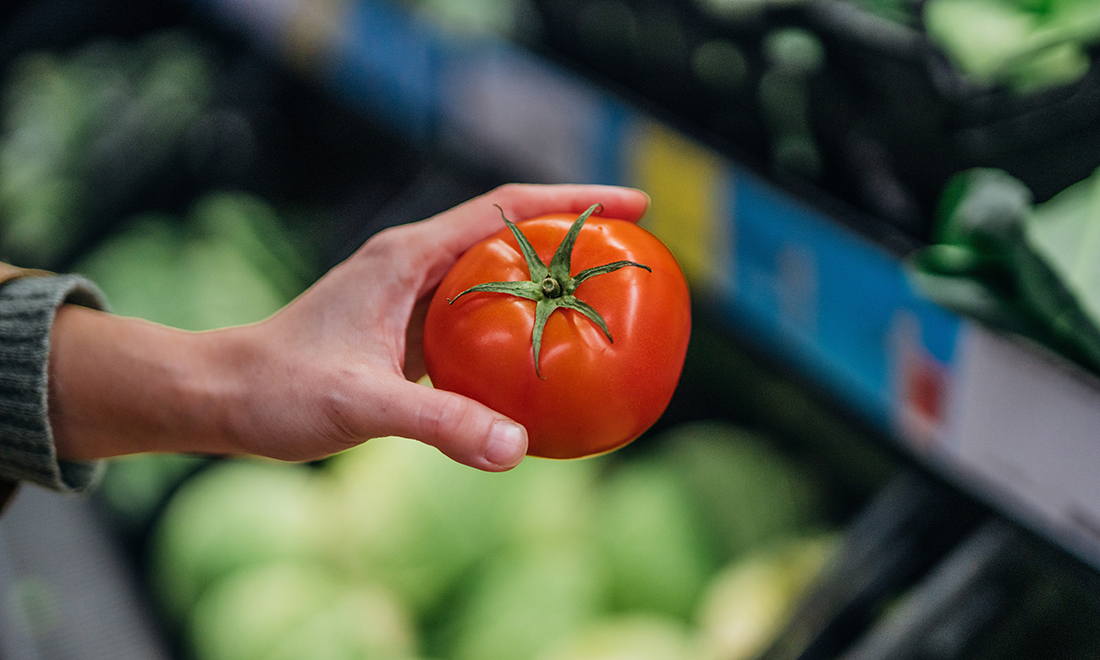
日本超市貨架上的小西紅柿看上去是正常的水果,但實際上它們都是遺傳學領域的開拓者。2021年年末,日本公司Sanatech Seed開始出售經過基因改造的特種西紅柿,這些西紅柿富含伽瑪-氨基丁酸(GABA),是在人腦里自然存在的一種化合物。伽瑪-氨基丁酸有助于減緩壓力,被宣傳為具有治療高血壓和失眠的效果。人們不需要以膳食補充劑的形式攝入伽瑪-氨基丁酸,只需要將其添加到沙拉食材當中。
Sanatech使用了一種革命性的基因編輯技術CRISPR,改造西紅柿基因組,以減少會自然分解伽瑪-氨基丁酸的酶的數量。已經誕生十年的CRISPR技術,被普遍認為是人類歷史上最重要的技術突破之一。它讓編輯遺傳物質變得更容易、成本更低。
經過CRISPR改造的食物即將大規模涌入市場,西紅柿只是其中之一。得益于CRISPR技術,沒有苦味的羽衣甘藍、耐旱的家畜和大米、抗病毒能力更強的香蕉等,都開始廣泛飼養和種植,并被快速擺上了貨架。這項技術正在快速進化,其發展速度甚至超過了監管速度。許多國家對CRISPR產品制定了快速審批流程,因為與以前的基因改造方法相比,CRISPR技術支持研究人員大幅縮短農產品從實驗室到田地再到貨架的速度。
如何標記和說明CRISPR產品同樣存在爭議。這些產品通常不需要引入來自其他有機物的遺傳物質,而是復制或者改變現有基因。然而,基因改造的速度和強度令一些科學家擔心,CRISPR有可能像是潘多拉魔盒,如果任其自由發展,在全世界難以抵御糧食系統受到的沖擊時,就會產生意想不到的后果。CRISPR不會消失,但問題是我們是否做好了控制風險的準備?
CRISPR是成簇的、規律間隔的短回文重復序列(Clustered Regularly Interspaced Short Palindromic Repeats)的簡稱,它會重新改造古老細菌的防御機制,簡化DNA和RNA編輯。CRISPR支持研究人員像在電腦上剪貼復制單詞一樣進行基因編輯。這是一種過度簡化的過程,因為CRISPR不需要具備遺傳學知識和實驗室基礎設施,但與之前的基因改造方式相比,CRISPR明顯速度更快、成本更低并且更靈活。
CRISPR的支持者們認為,在不插入外來DNA的情況下編輯基因所存在的固有風險,遠低于不同物種間轉移DNA的傳統基因改造方法所帶來的風險。因此,他們認為,CRISPR的機制類似于傳統的交叉雜交農業方法。兩者的關鍵區別是,CRISPR可以用不到一年時間,完成之前需要十年甚至更長時間才能夠完成的任務,而且成本更低。將生物研究工具與機器學習相結合,還可以輕松縮短時間。
CRISPR作物既給我們創造了前所未有的機遇,也帶來了實實在在的風險。一方面,CRISPR能夠在農業生物科技領域重新實現權力平衡。該技術成本相對較低,并且容易學習。通過CRISPR技術可實現的基因改造類型,使各個國家和地區可以根據區域和國家的情況與口味,對農作物和動物進行改造,從而取得對未來糧食的更大掌控權,不必向跨國農業綜合企業支付巨額費用購買種子和農藥。
例如,印度等國能夠利用CRISPR重新掌控本國在糧食方面的命運,培育可以滿足本國農民需求的新本地品種,并申請專利。在印度,西紅柿和芥菜這兩種在本地經過CRISPR技術改造的常見農作物,已經開始大范圍種植。
相比研究現有基因改造作物的安全性,隨著大量CRISPR相關知識被公開,科學家們擁有更多自由研究新培育品種。這有望打破種子和農藥方面的“封鎖”。這種封鎖導致全世界的農民很容易受制于占據壟斷地位的全球農業科技巨頭,比如孟山都[Monsanto,目前已經被拜耳(Bayer)收購]和先正達(Syngenta)等。絕大多數能夠用于農作物種植的培育物種的專利都歸這些壟斷集團所有。
另一方面,正如我們在《無人駕駛汽車中的司機》(The Driver in the Driverless Car)一書中所解釋的那樣,CRISPR帶來了已知的風險和未知的危險。研究人員可以跑贏大自然的進化速度,就如同他們能夠迅速開發出應對新冠病毒的mRNA轉基因技術一樣,但可能產生殘酷、迅猛的意外后果。例如,CRISPR作物可能引發新過敏癥,或者一種設計為可防蟲害的培育物種可能導致生態系統崩潰,影響物種或者導致物種滅絕,并且阻礙農作物授粉。沒有經過恰當檢測的CRISPR培育物種,可能很容易受到病蟲害影響,這可能比它們應該解決的問題更嚴重。在生物學中,環境引入難以逆轉,需要付出沉重的代價,比如大面積農作物受損等。一種經過基因改造后存在有害特性的物種,可能逃逸到野外,淘汰一種植物的其他變種,或者摧毀一整個昆蟲物種。
在美國,經過CRISPR基因編輯且不含外來遺傳物質的食品,與使用傳統雜交技術培育的品種,接受同樣的監管。這意味著消費者可能并不清楚哪些食物經過基因改造,除非食品公司選擇在零售時添加標簽或者進行區分。歐盟(European Union)采取了更謹慎的措施,出臺了要求對CRISPR作物加強監管的規定。這極其重要,因為一旦CRISPR作物進入野外,幾乎不可能將其收回,除非科學家們首先設計一種遺傳學上的切斷開關。雖然這方面的研究目前尚未成功,但存在成功的可能性,例如為了根除瘧疾,引入具有寄生性瘧原蟲抗性的蚊子的“基因驅動”方案中就包含了這種措施。
基于上述原因,雖然該項技術能夠快速帶來回報,但各國政府需要謹慎應對,以減少其風險,并在發現任何問題跡象后快速采取響應措施。比如創建巧妙的監管結構,確保在我們爭相提高糧食產量的同時,不會對脆弱的農業生態系統造成不可挽回的傷害。
印度政府已經開始朝著這個方向采取措施。印度政府制定了加快審批經過CRISPR基因編輯的作物的基礎設施和審批流程,并創建了知識共享機制,分享通過開源方法使用CRISPR技術創造新培育物種的知識。印度生物技術部(Department of Biotechnology)的部長拉杰什·戈卡萊表示,印度政府還將該類農作物的審批和許可流程分為兩部分,使其更容易評估僅編輯了原始染色體的CRISPR作物,而不是包含外來遺傳物質的作物。
作為20世紀最強大的技術進步之一,CRISPR為重新恢復全球糧食領域的權力平衡創造了絕佳機會,可以通過提高糧食產業的生產力和彈性來提升糧食供應抵御未來沖擊的能力。盡管如此,如果對CRISPR工藝和產品監管不足,可能引發生態系統崩潰甚至導致物種快速滅絕,因為糧食同水一樣關乎人類生死存亡,都是最關鍵的資源。民營行業能夠在這方面發揮作用,創建管理CRISPR作物的故障保護工具。政府應該將CRISPR視為一種出色但仍然有待驗證的新技術。(財富中文網)
本文作者維韋克·瓦德瓦(Vivek Wadhwa)是一位學者、企業家和作家。亞歷克斯·薩爾克弗(Alex Salkever)為科技公司顧問和作家。他們的作品《從增量式創新到指數級創新》(From Incremental to Exponential)解釋了大公司如何看待未來和如何重新思考創新。
Fortune.com上發表的評論文章中表達的觀點,僅代表作者本人的觀點,不代表《財富》雜志的觀點和立場。
翻譯:劉進龍
審校:汪皓
日本超市貨架上的小西紅柿看上去是正常的水果,但實際上它們都是遺傳學領域的開拓者。2021年年末,日本公司Sanatech Seed開始出售經過基因改造的特種西紅柿,這些西紅柿富含伽瑪-氨基丁酸(GABA),是在人腦里自然存在的一種化合物。伽瑪-氨基丁酸有助于減緩壓力,被宣傳為具有治療高血壓和失眠的效果。人們不需要以膳食補充劑的形式攝入伽瑪-氨基丁酸,只需要將其添加到沙拉食材當中。
Sanatech使用了一種革命性的基因編輯技術CRISPR,改造西紅柿基因組,以減少會自然分解伽瑪-氨基丁酸的酶的數量。已經誕生十年的CRISPR技術,被普遍認為是人類歷史上最重要的技術突破之一。它讓編輯遺傳物質變得更容易、成本更低。
經過CRISPR改造的食物即將大規模涌入市場,西紅柿只是其中之一。得益于CRISPR技術,沒有苦味的羽衣甘藍、耐旱的家畜和大米、抗病毒能力更強的香蕉等,都開始廣泛飼養和種植,并被快速擺上了貨架。這項技術正在快速進化,其發展速度甚至超過了監管速度。許多國家對CRISPR產品制定了快速審批流程,因為與以前的基因改造方法相比,CRISPR技術支持研究人員大幅縮短農產品從實驗室到田地再到貨架的速度。
如何標記和說明CRISPR產品同樣存在爭議。這些產品通常不需要引入來自其他有機物的遺傳物質,而是復制或者改變現有基因。然而,基因改造的速度和強度令一些科學家擔心,CRISPR有可能像是潘多拉魔盒,如果任其自由發展,在全世界難以抵御糧食系統受到的沖擊時,就會產生意想不到的后果。CRISPR不會消失,但問題是我們是否做好了控制風險的準備?
CRISPR是成簇的、規律間隔的短回文重復序列(Clustered Regularly Interspaced Short Palindromic Repeats)的簡稱,它會重新改造古老細菌的防御機制,簡化DNA和RNA編輯。CRISPR支持研究人員像在電腦上剪貼復制單詞一樣進行基因編輯。這是一種過度簡化的過程,因為CRISPR不需要具備遺傳學知識和實驗室基礎設施,但與之前的基因改造方式相比,CRISPR明顯速度更快、成本更低并且更靈活。
CRISPR的支持者們認為,在不插入外來DNA的情況下編輯基因所存在的固有風險,遠低于不同物種間轉移DNA的傳統基因改造方法所帶來的風險。因此,他們認為,CRISPR的機制類似于傳統的交叉雜交農業方法。兩者的關鍵區別是,CRISPR可以用不到一年時間,完成之前需要十年甚至更長時間才能夠完成的任務,而且成本更低。將生物研究工具與機器學習相結合,還可以輕松縮短時間。
CRISPR作物既給我們創造了前所未有的機遇,也帶來了實實在在的風險。一方面,CRISPR能夠在農業生物科技領域重新實現權力平衡。該技術成本相對較低,并且容易學習。通過CRISPR技術可實現的基因改造類型,使各個國家和地區可以根據區域和國家的情況與口味,對農作物和動物進行改造,從而取得對未來糧食的更大掌控權,不必向跨國農業綜合企業支付巨額費用購買種子和農藥。
例如,印度等國能夠利用CRISPR重新掌控本國在糧食方面的命運,培育可以滿足本國農民需求的新本地品種,并申請專利。在印度,西紅柿和芥菜這兩種在本地經過CRISPR技術改造的常見農作物,已經開始大范圍種植。
相比研究現有基因改造作物的安全性,隨著大量CRISPR相關知識被公開,科學家們擁有更多自由研究新培育品種。這有望打破種子和農藥方面的“封鎖”。這種封鎖導致全世界的農民很容易受制于占據壟斷地位的全球農業科技巨頭,比如孟山都[Monsanto,目前已經被拜耳(Bayer)收購]和先正達(Syngenta)等。絕大多數能夠用于農作物種植的培育物種的專利都歸這些壟斷集團所有。
另一方面,正如我們在《無人駕駛汽車中的司機》(The Driver in the Driverless Car)一書中所解釋的那樣,CRISPR帶來了已知的風險和未知的危險。研究人員可以跑贏大自然的進化速度,就如同他們能夠迅速開發出應對新冠病毒的mRNA轉基因技術一樣,但可能產生殘酷、迅猛的意外后果。例如,CRISPR作物可能引發新過敏癥,或者一種設計為可防蟲害的培育物種可能導致生態系統崩潰,影響物種或者導致物種滅絕,并且阻礙農作物授粉。沒有經過恰當檢測的CRISPR培育物種,可能很容易受到病蟲害影響,這可能比它們應該解決的問題更嚴重。在生物學中,環境引入難以逆轉,需要付出沉重的代價,比如大面積農作物受損等。一種經過基因改造后存在有害特性的物種,可能逃逸到野外,淘汰一種植物的其他變種,或者摧毀一整個昆蟲物種。
在美國,經過CRISPR基因編輯且不含外來遺傳物質的食品,與使用傳統雜交技術培育的品種,接受同樣的監管。這意味著消費者可能并不清楚哪些食物經過基因改造,除非食品公司選擇在零售時添加標簽或者進行區分。歐盟(European Union)采取了更謹慎的措施,出臺了要求對CRISPR作物加強監管的規定。這極其重要,因為一旦CRISPR作物進入野外,幾乎不可能將其收回,除非科學家們首先設計一種遺傳學上的切斷開關。雖然這方面的研究目前尚未成功,但存在成功的可能性,例如為了根除瘧疾,引入具有寄生性瘧原蟲抗性的蚊子的“基因驅動”方案中就包含了這種措施。
基于上述原因,雖然該項技術能夠快速帶來回報,但各國政府需要謹慎應對,以減少其風險,并在發現任何問題跡象后快速采取響應措施。比如創建巧妙的監管結構,確保在我們爭相提高糧食產量的同時,不會對脆弱的農業生態系統造成不可挽回的傷害。
印度政府已經開始朝著這個方向采取措施。印度政府制定了加快審批經過CRISPR基因編輯的作物的基礎設施和審批流程,并創建了知識共享機制,分享通過開源方法使用CRISPR技術創造新培育物種的知識。印度生物技術部(Department of Biotechnology)的部長拉杰什·戈卡萊表示,印度政府還將該類農作物的審批和許可流程分為兩部分,使其更容易評估僅編輯了原始染色體的CRISPR作物,而不是包含外來遺傳物質的作物。
作為20世紀最強大的技術進步之一,CRISPR為重新恢復全球糧食領域的權力平衡創造了絕佳機會,可以通過提高糧食產業的生產力和彈性來提升糧食供應抵御未來沖擊的能力。盡管如此,如果對CRISPR工藝和產品監管不足,可能引發生態系統崩潰甚至導致物種快速滅絕,因為糧食同水一樣關乎人類生死存亡,都是最關鍵的資源。民營行業能夠在這方面發揮作用,創建管理CRISPR作物的故障保護工具。政府應該將CRISPR視為一種出色但仍然有待驗證的新技術。(財富中文網)
本文作者維韋克·瓦德瓦(Vivek Wadhwa)是一位學者、企業家和作家。亞歷克斯·薩爾克弗(Alex Salkever)為科技公司顧問和作家。他們的作品《從增量式創新到指數級創新》(From Incremental to Exponential)解釋了大公司如何看待未來和如何重新思考創新。
Fortune.com上發表的評論文章中表達的觀點,僅代表作者本人的觀點,不代表《財富》雜志的觀點和立場。
翻譯:劉進龍
審校:汪皓
The small tomatoes on shelves of supermarkets in Japan may look like normal fruit, but they are actually genetic pioneers. In late 2021, Japanese company Sanatech Seed began selling special tomatoes that had been genetically modified to produce high levels of gamma-aminobutyric acid (GABA), a compound naturally found in the brain. GABA has been linked to stress reduction and is touted as a treatment for high blood pressure and insomnia. Rather than take GABA as a supplement, diners can simply incorporate it into their salads.
Sanatech used a revolutionary gene-editing technology called CRISPR to modify a tomato genome to reduce the production of enzymes that naturally break down GABA. Now a decade old, CRISPR is widely acknowledged as one of the most important technological breakthroughs in human history. It makes editing genetic material far simpler and more affordable.
The tomatoes are part of a pending onslaught of CRISPR-modified foodstuffs hitting the markets. Kale that lacks the bitter aftertaste, drought-resistant cattle and rice, and bananas that can better withstand viruses are all heading toward fields and shelves at a breakneck pace because of CRISPR. The technology is moving quickly, at times outpacing regulatory efforts. Many nations are setting up expedited approval processes for CRISPR products because the technique allows researchers to go from lab to field to shelf many times faster than by previous genetic-modification methods.
How to label and describe CRISPR products is also controversial. They often entail no introduction of genetic material from other organisms, instead replicating or switching existing genes. However, the speed and power of the modifications have some scientists concerned that CRISPR may have the potential to be a Pandora’s Box of unintended consequences let loose on the fields just when the world can poorly withstand shocks to the food system. CRISPR is here to stay–but are we ready to manage the risks?
Short for Clustered Regularly Interspaced Short Palindromic Repeats, CRISPR repurposes an ancient bacterial defense mechanism to simplify the editing of DNA and RNA. CRISPR lets researchers edit genes much as writers cut and paste words on a computer. That is an oversimplification, as CRISPR does require knowledge of genetics as well as laboratory infrastructure–but CRISPR is significantly faster, cheaper, and more flexible than previous types of genetic modifications.
CRISPR supporters claim that editing genes without inserting foreign DNA makes it less inherently risky than older forms of genetic engineering that involved moving DNA from one species to another. Thus, they say, CRISPR works just like traditional cross-hybridization agriculture methods. The key difference is that CRISPR methods can accomplish in a year or less what formerly required a decade or longer, and at a lower cost. That timetable could easily accelerate as tools for biological research combine with machine learning.
CRISPR crops present the world with both unprecedented opportunities and genuine risks. On the one hand, CRISPR can reset the balance of power in agricultural biotech. It is relatively cheap and relatively easy to learn. The types of modifications possible in CRISPR might allow countries and regions to take greater control of their food futures by modifying crops and animals specifically to try to meet regional and national conditions or tastes rather than pay steep fees to global agribusiness concerns for seeds and a steady stream of pesticides.
A country such as India, for example, might be able to use CRISPR to regain ownership of its food fate, producing and patenting new indigenous varieties that may support the needs of its farmers. There, locally engineered CRISPR-modified crops are already in the works for two popular crops, tomatoes and mustard greens.
With much CRISPR knowledge being public, scientists have far more freedom to research new cultivars than they do to research the safety of existing genetically modified crops. And this could alleviate the seed and pesticide “lock-in” that has left farmers around the world vulnerable to the oligopoly of global agtech giants such as Monsanto (now Bayer) and Syngenta who have patents on a significant percentage of common cultivars used for crops.
On the other hand, as we explained in The Driver in the Driverless Car, CRISPR poses both known risks and unknown hazards. Researchers can–as they did in rapidly developing mRNA gene-transfer technology against the COVID-19 virus–outpace Mother Nature, but unintended consequences can be brutal and swift. For example, a CRISPR crop might trigger new allergies, or a cultivar designed to combat an insect pest might cause ecosystem collapse, affecting or extinguishing species and preventing crop pollination. Improperly tested CRISPR cultivars may also incorporate vulnerabilities to diseases and pests that outstrip the problems they attempt to fix. In biology, environmental introductions are difficult to reverse without significant costs, such as mass crop destruction. A modified variety with harmful traits can escape into the wild and out-compete other varieties of a plant or destroy an entire insect species.
In the U.S., CRISPR-edited foods that do not contain alien genetic material are regulated just like cultivars generated by traditional hybridization. This means consumers may not know which foodstuffs have been modified unless the food company elects to create some labeling or differentiation at the retail level. The European Union has taken a more cautious approach, instituting regulations that subject CRISPR crops to greater scrutiny. This is important, because, once a CRISPR crop is in the wild, it is nearly impossible to put it back in the bottle unless scientists have first engineered a genetic kill switch–something that is not currently happening but is possible, as evidenced by the inclusion of this measure in so-called “gene drive” proposals to fight malaria by introducing mosquitoes resistant to the parasitic malaria protozoa.
For all of these reasons, although the technology promises quick rewards, governments need to proceed cautiously to mitigate its risks and respond quickly to signs of problems. This includes creating a smart regulatory structure to ensure that in a mad dash to boost food production we do not do irrevocable harm to our fragile agriculture ecosystems.
The Indian government has already taken steps in this direction. It has set up an infrastructure and review process for faster reviews of CRISPR-edited crops and created mechanisms for sharing knowledge on creating new CRISPR cultivars through open-source methods. It has also bifurcated its review and permit process, making it far easier, according to Rajesh Gokhale, the secretary of the Department of Biotechnology, to assess CRISPR crops that only edit the original genome rather than incorporate foreign genetic material.
As one of the most powerful technological developments of the past century, CRISPR presents a remarkable opportunity for the world to reset the global balance of power in food and to futureproof the food supply by making it more productive and more resilient. That said, failing to scrutinize CRISPR processes and products could be a recipe for ecosystem collapse and–considering that food is truly life and the most critical resource in the world alongside water–rapid extinction. Private industry could play a role in this regard, creating failsafe tools for managing CRISPR crops. And governments should consider CRISPR what it is: a novel, remarkable, but still unproven technology.
Vivek Wadhwa is an academic, entrepreneur, and author. Alex Salkever is an advisor to tech companies and author. Their book, From Incremental to Exponential, explains how large companies can see the future and rethink innovation.
The opinions expressed in Fortune.com commentary pieces are solely the views of their authors and do not necessarily reflect the opinions and beliefs of Fortune.

請打開財富Plus APP