


高盛預測,美國政府還能撐兩周
CHRISTIAAN HETZNER
2023-05-25
利益驅動下的邊緣政策將把美國拖入最后一刻。
 文本設置
文本設置
 Plus(0條)

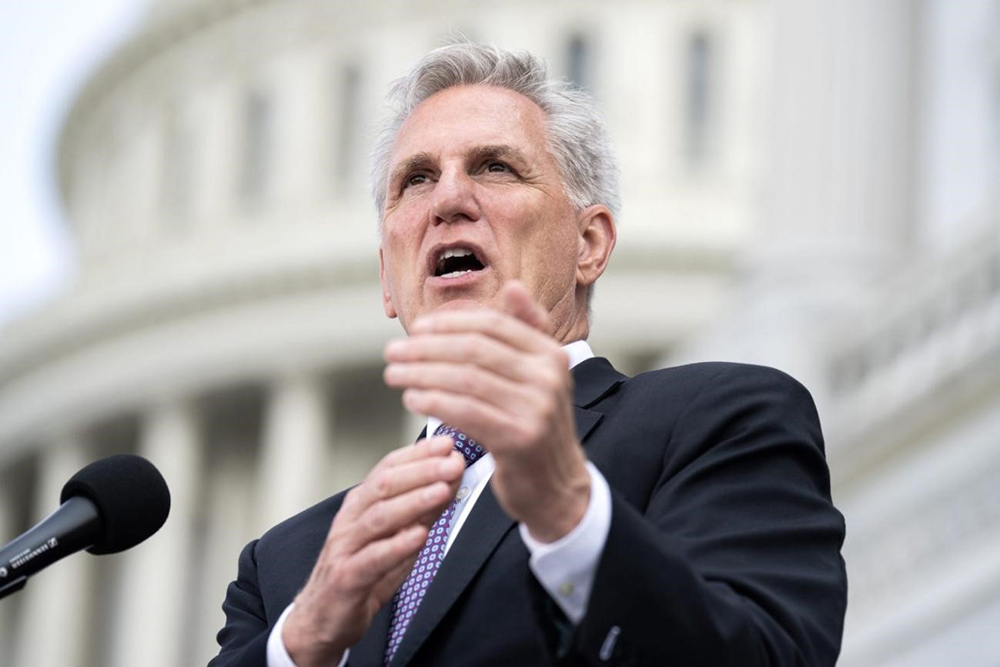
在美國聯邦政府出現歷史性違約之前,美國總統拜登和眾議院議長麥卡錫領導的共和黨人可能還有比預期中多一個禮拜的斡旋空間。
高盛(Goldman Sachs)首席政治經濟學家上周五在接受彭博電視臺采訪時表示,財政部長珍妮特·耶倫有關6月1日是“X日期”的預測很可能是保守估計,盡管耶倫稱到那一天政府將沒有足夠的現金來支付賬單,實際上應該還有更多緩沖空間。
亞歷克·菲利普斯說:“我們現在的判斷是,真正的最后期限可能更像是6月8日、9日——那時他們面臨的風險最大。”
拜登和麥卡錫于周一會面,討論如何打破目前的僵局。有跡象顯示,債券持有人已經在消化債務違約的可能性了,違約的可能性盡管較低,但在上升。
以加拿大道明證券(TD Securities)的固定收益策略師為例,他們認為一年期美國信用違約掉期(對債權人的某種保障)的交易價格接近紀錄高位。此外,6月1日前到期的短期國債與6月1日后到期的短期國債間的收益率差額正在暴漲,表明投資者對額外風險要求更高的溢價。
利益驅動下的邊緣政策將把美國拖入最后一刻
這種利害性高的交易鮮少能在最后期限的重壓到來之前達成,最后期限的到來往往有助于集中注意力,為達成新的、雙方都能接受的解決方案開辟空間。然而,令人擔憂的是,在至關重要的明年總統大選之前,共和黨人有充分的理由堅守立場。
首先,眾議院議長麥卡錫在黨內幾乎沒有什么達成協議的斡旋余地:在經歷了14次失敗的嘗試后,為了能當選全美第三號職務,他同意修改了某項削弱了他的談判授權內容的關鍵性規則。
哪怕只有一個議員想要罷免麥卡錫,他們都可以在眾議院進行不信任投票。
本月早些時候,共和黨提名的主要候選人幾乎是命令麥卡錫的隊伍不要退縮,在他的計算中,民主黨人會“絕對屈服”。
自1789年以來,美國一直按時支付賬單,持續履行財政承諾。國會已經阻止了78次違約。他們有必要再次這樣做。pic.twitter.com/azPjhFdUry
——珍妮特·耶倫, 2023年5月22日
前總統唐納德·特朗普在美國有線電視新聞網(CNN)節目上表示:“我對那里的共和黨人說——國會議員和參議員們——如果他們不大幅削減開支,你們將不得不違約。”他說,在他離開白宮以后,共和黨沒有什么好失去的了。
拜登領導下的債務違約如果導致金融危機,將傷害整個國家,但對現任總統的傷害可能遠遠大于對國會任何一位共和黨議員的傷害。
這給了共和黨采取邊緣政策的動機,因為它看到了一個潛在的雙贏局面:要么成功地讓民主黨讓步,接受他們的全部要求,要么讓拜登的政黨為歷史性的違約擔責。
援引第14修正案可能為時已晚
在面對一個可能無法和解的對手時,為了尋求討價還價的籌碼,一些民主黨議員因此認為,總統應該選擇采取有爭議的“破窗”之道。
第14修正案第4條規定,“法律授權的公共債務的有效性……不得受到質疑”,或許可以為不經國會批準單方面提高債務上限提供合法的借口。
拜登在廣島舉行的七國集團會議上說,他相信他的政府有權在必要時這樣做。但可能也無濟于事,因為這種做法可能會受到質疑,并在法庭上遭到擱置。
“問題是,能否及時完成并啟用這項條款,確保不因為遭到上訴錯過了最后期限,導致債務仍然違約。”他說,“我認為這個問題尚未解決。”
不過,高盛的菲利普斯預計應該還是會達成協議,他更擔心的是,資金過度短缺的美國財政部將發行5,000億至6,000億美元的新債,淹沒了市場的新債可能會吸走私人資本,不再投資于實體經濟。
“現實情況是,國會很快就會在某個時候不得不采取行動,他們應該抓緊采取行動。”他說,“等到最后一刻才行動不一定是正確的做法。”(財富中文網)
譯者:Agatha
在美國聯邦政府出現歷史性違約之前,美國總統拜登和眾議院議長麥卡錫領導的共和黨人可能還有比預期中多一個禮拜的斡旋空間。
高盛(Goldman Sachs)首席政治經濟學家上周五在接受彭博電視臺采訪時表示,財政部長珍妮特·耶倫有關6月1日是“X日期”的預測很可能是保守估計,盡管耶倫稱到那一天政府將沒有足夠的現金來支付賬單,實際上應該還有更多緩沖空間。
亞歷克·菲利普斯說:“我們現在的判斷是,真正的最后期限可能更像是6月8日、9日——那時他們面臨的風險最大。”
拜登和麥卡錫于周一會面,討論如何打破目前的僵局。有跡象顯示,債券持有人已經在消化債務違約的可能性了,違約的可能性盡管較低,但在上升。
以加拿大道明證券(TD Securities)的固定收益策略師為例,他們認為一年期美國信用違約掉期(對債權人的某種保障)的交易價格接近紀錄高位。此外,6月1日前到期的短期國債與6月1日后到期的短期國債間的收益率差額正在暴漲,表明投資者對額外風險要求更高的溢價。
利益驅動下的邊緣政策將把美國拖入最后一刻
這種利害性高的交易鮮少能在最后期限的重壓到來之前達成,最后期限的到來往往有助于集中注意力,為達成新的、雙方都能接受的解決方案開辟空間。然而,令人擔憂的是,在至關重要的明年總統大選之前,共和黨人有充分的理由堅守立場。
首先,眾議院議長麥卡錫在黨內幾乎沒有什么達成協議的斡旋余地:在經歷了14次失敗的嘗試后,為了能當選全美第三號職務,他同意修改了某項削弱了他的談判授權內容的關鍵性規則。
哪怕只有一個議員想要罷免麥卡錫,他們都可以在眾議院進行不信任投票。
本月早些時候,共和黨提名的主要候選人幾乎是命令麥卡錫的隊伍不要退縮,在他的計算中,民主黨人會“絕對屈服”。
自1789年以來,美國一直按時支付賬單,持續履行財政承諾。國會已經阻止了78次違約。他們有必要再次這樣做。pic.twitter.com/azPjhFdUry
——珍妮特·耶倫, 2023年5月22日
前總統唐納德·特朗普在美國有線電視新聞網(CNN)節目上表示:“我對那里的共和黨人說——國會議員和參議員們——如果他們不大幅削減開支,你們將不得不違約。”他說,在他離開白宮以后,共和黨沒有什么好失去的了。
拜登領導下的債務違約如果導致金融危機,將傷害整個國家,但對現任總統的傷害可能遠遠大于對國會任何一位共和黨議員的傷害。
這給了共和黨采取邊緣政策的動機,因為它看到了一個潛在的雙贏局面:要么成功地讓民主黨讓步,接受他們的全部要求,要么讓拜登的政黨為歷史性的違約擔責。
援引第14修正案可能為時已晚
在面對一個可能無法和解的對手時,為了尋求討價還價的籌碼,一些民主黨議員因此認為,總統應該選擇采取有爭議的“破窗”之道。
第14修正案第4條規定,“法律授權的公共債務的有效性……不得受到質疑”,或許可以為不經國會批準單方面提高債務上限提供合法的借口。
拜登在廣島舉行的七國集團會議上說,他相信他的政府有權在必要時這樣做。但可能也無濟于事,因為這種做法可能會受到質疑,并在法庭上遭到擱置。
“問題是,能否及時完成并啟用這項條款,確保不因為遭到上訴錯過了最后期限,導致債務仍然違約。”他說,“我認為這個問題尚未解決。”
不過,高盛的菲利普斯預計應該還是會達成協議,他更擔心的是,資金過度短缺的美國財政部將發行5,000億至6,000億美元的新債,淹沒了市場的新債可能會吸走私人資本,不再投資于實體經濟。
“現實情況是,國會很快就會在某個時候不得不采取行動,他們應該抓緊采取行動。”他說,“等到最后一刻才行動不一定是正確的做法。”(財富中文網)
譯者:Agatha
President Joe Biden and House Republicans led by Speaker Kevin McCarthy might have one more week of wiggle room than believed in order to avert a historic default of the U.S. federal government.
Speaking to Bloomberg Television on Friday, the chief political economist of Goldman Sachs said Treasury secretary Janet Yellen’s prediction of June 1 as the “X-date” when the government runs out of enough cash to pay all of its bills was likely a conservative estimate, and there was in fact more cushion.
“Our guess right now is that the real deadline is probably more like June 8th, 9th—that’s when they’re at the greatest risk,” said Alec Phillips.
Biden and McCarthy are set to meet on Monday for talks to break through the current impasse, amid signs bondholders are already pricing in the low but increasing possibility of a potential default.
Fixed income strategists at Canada’s TD Securities, for example, argued that one-year U.S. credit default swaps, essentially a form of insurance for debt holders, are trading near record levels. Moreover, the spread between yields on those short-term Treasury bills maturing before June 1 versus those afterwards are blowing out in a sign investors are demanding higher premiums for the additional risk.
Interests favor brinkmanship to the last possible moment
High-stakes deals like this one are rarely reached before the pressure of an oncoming deadline helps focus minds and opens up room for new and mutually acceptable solutions. The fear is, however, that the Republicans have every reason to hold firm ahead of next year’s all-important presidential election.
For one thing, Speaker McCarthy has little maneuvering room within his party to negotiate a deal: In order to get elected to the third-highest-ranking office in the country after 14 previous failed attempts, he agreed to a key rule change that undermines his negotiating mandate.
If so much as one single solitary lawmaker wants to oust McCarthy as speaker, they can force a vote of no confidence on the House floor.
And earlier this month, the leading candidate for the Republican nomination all but ordered McCarthy’s troops not to back down, calculating that the Democrats would “absolutely cave.
The U.S. has kept its financial commitments since 1789 by paying its bills on time. Congress has prevented default 78 times. It’s essential they do so again. pic.twitter.com/azPjhFdUry
— Secretary Janet Yellen (@SecYellen) May 22, 2023
“I say to the Republicans out there—Congressmen and Senators—if they don’t give you massive cuts, you’re going to have to do a default,” ex-President Donald Trump said during a CNN town hall, arguing the party had little to lose with him out of the White House.
A default under Biden that results in a financial crisis would hurt the entire country, but would likely prove far more damaging to the incumbent than to any one Republican serving in Congress.
That gives the GOP motive to engage in brinkmanship as it eyes a potential win-win scenario: Either it succeeds in getting the Democrats to back down and accept their full demands, or Biden’s party takes the blame for a historic default.
Invoking the 14th Amendment may not help in time
Looking for bargaining leverage in the face of a potentially implacable opponent, a number of Democratic lawmakers are therefore arguing the President should resort to a controversial break-the-glass option.
Section 4 of the 14th Amendment stipulates the “validity of the public debt, authorized by law…shall not be questioned,” which could provide legal pretext for raising the debt ceiling unilaterally without the approval of Congress.
Speaking in at the G-7 conference of leading industrial nations in Hiroshima, Biden said he believed his administration had the authority to do so if necessary. But that may not help, as it could get challenged and held up in the courts.
“The question is, could it be done and invoked in time that it would not be appealed, and as a consequence past the date in question and still default on the debt,” he said. “That is a question that I think is unresolved.”
Goldman Sachs’ Philipps nonetheless expects a deal will likely be reached and is more concerned about the effect of a U.S. Treasury—starved of cash—flooding the market with $500–$600 billion in new debt issues that may siphon private capital away from investment into the real economy.
“The reality is Congress is going to have to do this at some point very soon and they should just go ahead and do it,” he explained. “Waiting until the last minute isn’t necessarily the right move.”

請打開財富Plus APP