


靠手表能提前七年診斷帕金森病?
Eleanor Pringle
2023-07-09
科學家認為,智能手表可以協助診斷帕金森病早期癥狀。
 文本設置
文本設置
 Plus(0條)

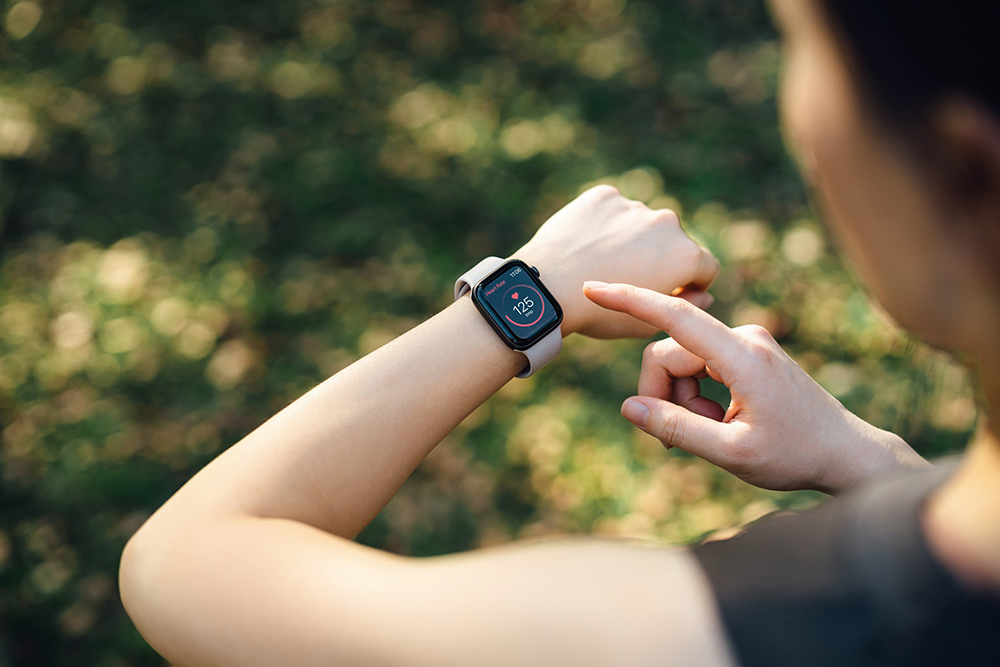
蘋果(Apple)、谷歌(Google)和佳明(Garmin)等公司制造的智能手表,深受熱愛健身并希望掌握運動指標的消費者喜愛。不過智能手表對健康的益處可能不只步數統計,研究人員發現,可穿戴技術可能成為神經退行性運動疾病帕金森病早期診斷的關鍵。
帕金森病確診通常需要數年,因為隨著時間推移,運動遲緩、無意識顫抖和肌肉僵硬等癥狀發展速度非常緩慢。
目前帕金森病無法治愈,不過如果確診夠早,患者就能夠服藥、接受治療,某些情況下還可以通過手術提高生活質量。
這正是位于威爾士的卡迪夫大學(Cardiff University)的一個科研團隊希望解決的問題。
卡迪夫大學神經科學與心理健康創新研究所(Neuroscience and Mental Health Innovation Institute)和英國癡呆癥研究所(U.K. Dementia Research Institute)的專家利用人工智能模型,分析了103,712名智能手表佩戴者的加速度,也就是運動中的加速度數據。
跟蹤一周的運動速度后,計算機程序不僅能夠識別已經確診帕金森病的患者,也可以鑒別患病早期但尚未確診的患者。
研究人員還能夠精準定位診斷時間,發現確診七年之前就可以發現早期癥狀。
卡迪夫大學神經科學與心理健康創新研究所的臨床高級講師凱瑟琳·皮爾解釋道:“帕金森病是使用多巴胺的腦細胞減少引起的進行性運動障礙。然而到確診時,腦細胞已經損失約50%至70%。所以該病早期診斷很困難。”
“我們知道,隨著帕金森病的發展,活動速度也會發生變化,因此我們著重研究加速度能否作為帕金森病的標志物(早期預兆和癥狀),從而盡早診斷。”
“前所未有”的發現
根據市場和消費者洞察網站Statista的研究,今年智能手表用戶將達到2.1億人。
隨著時間推移,數字只會上升。數據預測,到2027年,將有近2.3億人使用可穿戴技術。
卡迪夫大學癡呆癥研究所(Cardiff University's Dementia Research Institute)的辛西婭·桑多爾補充說,將消費者需求與科學視角結合可能徹底改變行業。她指出,跟蹤加速度能夠特別加深了解帕金森病,不過對研究小組跟蹤的其他疾病沒有什么指示作用。
科學家稱,相關結果非常“獨特”,所以不會與其他疾病或衰老混淆。
桑多爾繼續表示:“研究結果表明,可以大規模利用加速度識別帕金森病高危人群。”
“臨床環境里由于時間、成本、方便程度和靈敏度等原因,無法實現連續或半連續監測個人數據。另一方面,每天都有數百萬人佩戴能夠收集加速度數據的智能設備。”
下一步怎么做?
該篇發表于《自然醫學》(Nature Medicine)雜志的論文警告稱,這一發現尚需更多研究支持。
文章稱,盡管團隊努力“淡化”偏見,但數據來源只有英國生物銀行(UK Biobank),因為只有該處數據在規模和數據量方面可以供程序運行。英國生物銀行掌握著該國超過50萬人的健康詳細數據。
世界衛生組織(World Health Organization)曾經警告過醫學轉型中的偏見,尤其是人工智能模型相關問題。
今年5月,世界衛生組織發文稱:“本機構積極鼓勵適當使用包括大型語言模型在內的技術,為醫療專業人員、患者、研究人員和科學家提供支持。不過有人擔心,雖然通常來說社會對技術會比較謹慎,然而對大型語言模型卻有些縱容。”
“具體包括廣泛遵守透明、包容、公眾參與、專家監督和嚴格評估等關鍵價值觀。”
撰寫帕金森病論文的團隊呼吁,其他研究人員在現有發現的基礎上更進一步。該團隊寫道,如果其研究的局限性獲得解決,可穿戴設備和健康傳感器設備就有望“推動醫學進入數字健康時代”,從而改善醫療行業,降低成本并提升便利性。(財富中文網)
譯者:夏林
蘋果(Apple)、谷歌(Google)和佳明(Garmin)等公司制造的智能手表,深受熱愛健身并希望掌握運動指標的消費者喜愛。不過智能手表對健康的益處可能不只步數統計,研究人員發現,可穿戴技術可能成為神經退行性運動疾病帕金森病早期診斷的關鍵。
帕金森病確診通常需要數年,因為隨著時間推移,運動遲緩、無意識顫抖和肌肉僵硬等癥狀發展速度非常緩慢。
目前帕金森病無法治愈,不過如果確診夠早,患者就能夠服藥、接受治療,某些情況下還可以通過手術提高生活質量。
這正是位于威爾士的卡迪夫大學(Cardiff University)的一個科研團隊希望解決的問題。
卡迪夫大學神經科學與心理健康創新研究所(Neuroscience and Mental Health Innovation Institute)和英國癡呆癥研究所(U.K. Dementia Research Institute)的專家利用人工智能模型,分析了103,712名智能手表佩戴者的加速度,也就是運動中的加速度數據。
跟蹤一周的運動速度后,計算機程序不僅能夠識別已經確診帕金森病的患者,也可以鑒別患病早期但尚未確診的患者。
研究人員還能夠精準定位診斷時間,發現確診七年之前就可以發現早期癥狀。
卡迪夫大學神經科學與心理健康創新研究所的臨床高級講師凱瑟琳·皮爾解釋道:“帕金森病是使用多巴胺的腦細胞減少引起的進行性運動障礙。然而到確診時,腦細胞已經損失約50%至70%。所以該病早期診斷很困難。”
“我們知道,隨著帕金森病的發展,活動速度也會發生變化,因此我們著重研究加速度能否作為帕金森病的標志物(早期預兆和癥狀),從而盡早診斷。”
“前所未有”的發現
根據市場和消費者洞察網站Statista的研究,今年智能手表用戶將達到2.1億人。
隨著時間推移,數字只會上升。數據預測,到2027年,將有近2.3億人使用可穿戴技術。
卡迪夫大學癡呆癥研究所(Cardiff University's Dementia Research Institute)的辛西婭·桑多爾補充說,將消費者需求與科學視角結合可能徹底改變行業。她指出,跟蹤加速度能夠特別加深了解帕金森病,不過對研究小組跟蹤的其他疾病沒有什么指示作用。
科學家稱,相關結果非常“獨特”,所以不會與其他疾病或衰老混淆。
桑多爾繼續表示:“研究結果表明,可以大規模利用加速度識別帕金森病高危人群。”
“臨床環境里由于時間、成本、方便程度和靈敏度等原因,無法實現連續或半連續監測個人數據。另一方面,每天都有數百萬人佩戴能夠收集加速度數據的智能設備。”
下一步怎么做?
該篇發表于《自然醫學》(Nature Medicine)雜志的論文警告稱,這一發現尚需更多研究支持。
文章稱,盡管團隊努力“淡化”偏見,但數據來源只有英國生物銀行(UK Biobank),因為只有該處數據在規模和數據量方面可以供程序運行。英國生物銀行掌握著該國超過50萬人的健康詳細數據。
世界衛生組織(World Health Organization)曾經警告過醫學轉型中的偏見,尤其是人工智能模型相關問題。
今年5月,世界衛生組織發文稱:“本機構積極鼓勵適當使用包括大型語言模型在內的技術,為醫療專業人員、患者、研究人員和科學家提供支持。不過有人擔心,雖然通常來說社會對技術會比較謹慎,然而對大型語言模型卻有些縱容。”
“具體包括廣泛遵守透明、包容、公眾參與、專家監督和嚴格評估等關鍵價值觀。”
撰寫帕金森病論文的團隊呼吁,其他研究人員在現有發現的基礎上更進一步。該團隊寫道,如果其研究的局限性獲得解決,可穿戴設備和健康傳感器設備就有望“推動醫學進入數字健康時代”,從而改善醫療行業,降低成本并提升便利性。(財富中文網)
譯者:夏林
Smartwatches made by the likes of Apple, Google and Garmin are beloved by fitness-conscious consumers who want to keep on top of their metrics, but the health benefits may now go beyond a step count with researchers finding that the wearable tech could be the key to unlocking early diagnosis of neurodegenerative movement disease, Parkinson’s.
Parkinson’s can often take years to diagnose as the symptoms—slow movement, involuntary shaking and stiff muscles to name a few—can develop so slowly over time.
The disease is currently incurable, though if diagnosed early enough the quality of life of patients can be bolstered by medicine, therapies and in some cases surgery.
This is the part of the problem a team of scientists at Wales’s Cardiff University hope to have cracked.
The experts at the university’s Neuroscience and Mental Health Innovation Institute (NMHII) and the U.K. Dementia Research Institute analyzed the accelerometry—the acceleration of motion—in 103,712 smartwatch wearers using artificial intelligence models.
By tracking the speed of motion over the course of a week, the computer programs were able not only to identify patients who had already been diagnosed with Parkinson’s but also those who were in the early stages of the disease who had not yet been diagnosed.
The researchers were also able to pinpoint when a clinical diagnosis would be made, with early onset symptoms being identified up to seven years before that point.
Dr Kathryn Peall, Clinical Senior Lecturer in the NMHII, explained: “Parkinson’s disease is a progressive movement disorder caused by the loss of brain cells that use dopamine. However, by the time of clinical diagnosis, approximately 50-70% of these brain cells will have been lost. This makes early diagnosis of the disease difficult.
“We know that as Parkinson’s disease develops, there are changes to the speed of movement, so we investigated whether accelerometry could work as a prodromal marker [early signs and symptoms] for Parkinson’s disease, and ultimately allow for earlier diagnosis.”
An “unprecedented” discovery
According to research from market and consumer insights site Statista, 210 million people will be using smartwatches this year.
That figure only goes up as time goes on—by 2027 the data predicts nearly 230 million people will be making the most of wearable technologies.
Combining this consumer demand with scientific insight could be a game changer, added Dr Cynthia Sandor of Cardiff University’s Dementia Research Institute, who said tracking accelerometry gave unique insights into Parkinson’s but not any other disorders the team examined.
The scientists said the results were so “distinct” that they could not be confused with other diseases or aging.
Dr Sandor continued: “It suggests that accelerometry could be used to identify those at elevated risk for Parkinson’s disease on an unprecedented scale.
“In a clinical setting, continuous or semi-continuous monitoring of individuals can’t be achieved because of time, cost, accessibility and sensitivity. But smart devices capable of collecting accelerometer data are worn daily by millions of people.”
What next?
The paper, which was published in the journal Nature Medicine, does caveat the discovery with the need for more research.
The article says that although the team sought to “mitigate” against any biases they only had one data set—from the UK Biobank, an in-depth health database of more than half a million people in the country—as it was the only one large enough in terms of scale and volume of data to run the computer programs.
Bias in medical transformation is an issue the World Health Organization has issued a warning on—particularly in relation to artificial intelligence models.
In May the organization wrote: “While WHO is enthusiastic about the appropriate use of technologies, including large language models, to support health-care professionals, patients, researchers and scientists, there is concern that caution that would normally be exercised for any new technology is not being exercised consistently with LLMs.
“This includes widespread adherence to key values of transparency, inclusion, public engagement, expert supervision, and rigorous evaluation.”
The team behind the Parkinson’s paper has called for other researchers to build on their findings, writing that if the limitations to their work are addressed then wearables and health-sensor devices have the “ability to transition medicine into a digital health era”, thus improving healthcare itself as well as reducing costs and increasing accessibility.

請打開財富Plus APP