


救火專家臨危受命,看他如何重振品牌
王波非(Phil Wahba)
2024-03-23
VF曾經被當作投資組合公司經營的典范,但如今的業績數字卻令人唏噓,如何重振旗鼓?
 文本設置
文本設置
 Plus(0條)

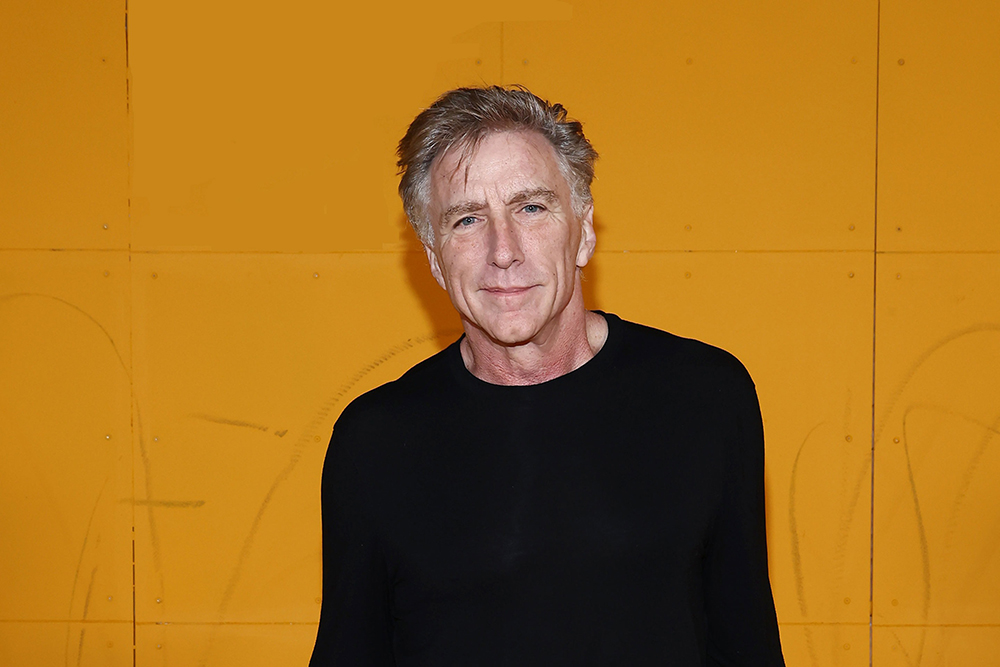
在整頓大企業方面,VF公司(VF Corp)的新任首席執行官布拉肯·達雷爾可以說是輕車熟路。在2023年夏天執掌陷入困境的鞋類和服裝制造商VF之前,達雷爾曾經在羅技公司(Logitech)工作十多年,隨著平板電腦普及,羅技公司的鍵盤、耳機和麥克風等配件不再流行。在他職業生涯早期,曾經通過吸引年輕男性幫助寶潔(Procter & Gamble)的“老香料”(Old Spice)品牌起死回生。
如今,VF旗下的范斯(Vans)、北面(The North Face)、Timberland、Dickies等品牌都在走下坡路,達雷爾再次忙得不可開交。以滑板鞋品牌范斯為例,該品牌曾經炙手可熱,如今卻相當冷清。不少人認為范斯品牌已經不再“酷炫”,上季度的銷售額下降了29%。與此同時,北面不敵Cotopaxi、始祖鳥(Arcteryx)等品牌,也比不上長期競爭對手巴塔哥尼亞(Patagonia)。還有,2023年5月VF第二次大額減記,按照2021年收購Supreme花費的20億美元來算減記總額已經達到三分之一,原本公司打算靠街頭服飾品牌Supreme重燃活力,然而落空。
就在幾年前,VF還被當作投資組合公司經營的典范,如今的業績數字卻令人唏噓。2000年至2016年間,公司的收入翻了一番,利潤翻了兩番。然而過去兩年,股價卻下跌了75%。
在一位激進股東的壓力下,達雷爾承認各項改變措施可能需要一段時間才能夠收效。不過他表示,當前仍然處于緊急狀態,所以會親自出手幫助范斯調整,畢竟多年來該品牌一直是推動VF增長的動力。他打算等范斯重回正軌就大幅恢復各品牌的自主權,因為近年來VF的丹佛總部決策逐漸集中,品牌自主方面受到了影響。
達雷爾打算避免重蹈覆轍的一點是,業務上升期卻忽略業務增長。他指出,多年來范斯只推出了五款差不多的鞋,結果被競爭對手超越。
他對《財富》雜志表示:“我們沒有利用快速增長,也沒有投資創新。”
為使文章表述更為清晰,以下內容已經過編輯和整理。
《財富》:當你接手VF時,旗下的主要品牌都在苦苦掙扎。你怎么選擇先去哪里滅火?
布拉肯·達雷爾:我先是發現VF最大的品牌范斯衰退之勢非常明顯。然后我問:“總體來說,哪里的業務最差?”回答是美洲。第三步又問:“我們的品牌在市場上有何不同之處?”我深知拿不出好產品業務就不可能優秀,所以不得不質疑公司的產品能不能比得上競爭對手。由此我確定工作重點。
VF是投資組合公司,會不會改變你推進轉型的方式?你想讓各品牌像以前一樣獨立經營嗎?
有一種方法可以讓多家品牌一直保持強大和真實,就是假裝品牌并不屬于投資組合。路威酩軒集團(LVMH)就是這套模式,各品牌完全獨立。但身處投資組合能夠利用供應鏈等優勢,或者攜各品牌通過某家零售商打入市場時,就可以提供很多東西,還能夠說:“我們非常了解你的業務。”
多年來,業內一直認為VF是服裝和鞋類的模范制造商。在過去幾年里,這家一流公司發生了什么?
美洲市場中,我們在權責劃分上架構不合理,北美表現平平。第二件事情是,我們沒有推動最佳實踐,導致VF學習經驗方面非常有限。我們也沒有利用之前的快速增長投資創新、新產品和開發新特許經營權。
當我看到范斯衰落和Supreme減記時,很想知道酷品牌在VF之類的大企業中是不是很難順利發展。
15年里,范斯從4億美元增長到40億美元,所以在VF發展很不錯。滑板文化是蓬勃發展的領域。但我們剛開始在Supreme犯了一些錯誤。品牌獨立經營時做得非常棒。
范斯呢?這種品牌可以重新變得“酷炫”嗎?
有可能。我在寶潔負責的“老香料”就是品牌轉型的好例子。很久以前,對我們的父輩甚至祖父輩而言,“老香料”是一個酷炫品牌,盡管以今天的標準來看,廣告有性別歧視問題。產品要為新一代更新,最后我們把“老香料”改造成價值數十億美元的品牌。另一個例子是新百倫(New Balance,不屬于VF),之前也沒有了酷炫的感覺。現在看發展也不錯。
VF經營當中很重要的一部分是并購,主要是因為曾經將收購品牌成功地改造成為市場領先者。你在并購方面有何理念?
并購的關鍵是扭轉業務局面,實現長期可持續增長,而不是并購交易本身。我不指望現階段達成轉型協議,主要是實現自然增長,把品牌變成強大可持續的增長引擎。我不想當投資組合投資者;更希望推動業務發展。
在上次的季度電話會議上,你提到北美大部分地區的暖冬影響了北面的業績。你擔心氣候變化對品牌的影響嗎?
總體來說,我確實擔心氣候變化,但品牌也要想辦法不斷擴張。對北面而言,我們有團隊正在制定大約五種不同的策略,確保一年365天都有適合的產品,至少要滿足戶外場景,而不只是冬天不登山的時候。我們有很多成長機會。之前的產品主要傾向男性多于女性,所以在女性領域還有很多增長的空間。
你什么時候才能夠確認品牌恢復活力,之后你會減少干涉嗎?
我就像熱導導彈,哪里可以幫上忙我就去哪里。如果我無能為力,就確保有最優秀的人才負責。如果我是手下的部門領導,就不會希望首席執行官像我在范斯一樣。所以,是的,之后我會放手。(財富中文網)
譯者:梁宇
審校:夏林
在整頓大企業方面,VF公司(VF Corp)的新任首席執行官布拉肯·達雷爾可以說是輕車熟路。在2023年夏天執掌陷入困境的鞋類和服裝制造商VF之前,達雷爾曾經在羅技公司(Logitech)工作十多年,隨著平板電腦普及,羅技公司的鍵盤、耳機和麥克風等配件不再流行。在他職業生涯早期,曾經通過吸引年輕男性幫助寶潔(Procter & Gamble)的“老香料”(Old Spice)品牌起死回生。
如今,VF旗下的范斯(Vans)、北面(The North Face)、Timberland、Dickies等品牌都在走下坡路,達雷爾再次忙得不可開交。以滑板鞋品牌范斯為例,該品牌曾經炙手可熱,如今卻相當冷清。不少人認為范斯品牌已經不再“酷炫”,上季度的銷售額下降了29%。與此同時,北面不敵Cotopaxi、始祖鳥(Arcteryx)等品牌,也比不上長期競爭對手巴塔哥尼亞(Patagonia)。還有,2023年5月VF第二次大額減記,按照2021年收購Supreme花費的20億美元來算減記總額已經達到三分之一,原本公司打算靠街頭服飾品牌Supreme重燃活力,然而落空。
就在幾年前,VF還被當作投資組合公司經營的典范,如今的業績數字卻令人唏噓。2000年至2016年間,公司的收入翻了一番,利潤翻了兩番。然而過去兩年,股價卻下跌了75%。
在一位激進股東的壓力下,達雷爾承認各項改變措施可能需要一段時間才能夠收效。不過他表示,當前仍然處于緊急狀態,所以會親自出手幫助范斯調整,畢竟多年來該品牌一直是推動VF增長的動力。他打算等范斯重回正軌就大幅恢復各品牌的自主權,因為近年來VF的丹佛總部決策逐漸集中,品牌自主方面受到了影響。
達雷爾打算避免重蹈覆轍的一點是,業務上升期卻忽略業務增長。他指出,多年來范斯只推出了五款差不多的鞋,結果被競爭對手超越。
他對《財富》雜志表示:“我們沒有利用快速增長,也沒有投資創新。”
為使文章表述更為清晰,以下內容已經過編輯和整理。
《財富》:當你接手VF時,旗下的主要品牌都在苦苦掙扎。你怎么選擇先去哪里滅火?
布拉肯·達雷爾:我先是發現VF最大的品牌范斯衰退之勢非常明顯。然后我問:“總體來說,哪里的業務最差?”回答是美洲。第三步又問:“我們的品牌在市場上有何不同之處?”我深知拿不出好產品業務就不可能優秀,所以不得不質疑公司的產品能不能比得上競爭對手。由此我確定工作重點。
VF是投資組合公司,會不會改變你推進轉型的方式?你想讓各品牌像以前一樣獨立經營嗎?
有一種方法可以讓多家品牌一直保持強大和真實,就是假裝品牌并不屬于投資組合。路威酩軒集團(LVMH)就是這套模式,各品牌完全獨立。但身處投資組合能夠利用供應鏈等優勢,或者攜各品牌通過某家零售商打入市場時,就可以提供很多東西,還能夠說:“我們非常了解你的業務。”
多年來,業內一直認為VF是服裝和鞋類的模范制造商。在過去幾年里,這家一流公司發生了什么?
美洲市場中,我們在權責劃分上架構不合理,北美表現平平。第二件事情是,我們沒有推動最佳實踐,導致VF學習經驗方面非常有限。我們也沒有利用之前的快速增長投資創新、新產品和開發新特許經營權。
當我看到范斯衰落和Supreme減記時,很想知道酷品牌在VF之類的大企業中是不是很難順利發展。
15年里,范斯從4億美元增長到40億美元,所以在VF發展很不錯。滑板文化是蓬勃發展的領域。但我們剛開始在Supreme犯了一些錯誤。品牌獨立經營時做得非常棒。
范斯呢?這種品牌可以重新變得“酷炫”嗎?
有可能。我在寶潔負責的“老香料”就是品牌轉型的好例子。很久以前,對我們的父輩甚至祖父輩而言,“老香料”是一個酷炫品牌,盡管以今天的標準來看,廣告有性別歧視問題。產品要為新一代更新,最后我們把“老香料”改造成價值數十億美元的品牌。另一個例子是新百倫(New Balance,不屬于VF),之前也沒有了酷炫的感覺。現在看發展也不錯。
VF經營當中很重要的一部分是并購,主要是因為曾經將收購品牌成功地改造成為市場領先者。你在并購方面有何理念?
并購的關鍵是扭轉業務局面,實現長期可持續增長,而不是并購交易本身。我不指望現階段達成轉型協議,主要是實現自然增長,把品牌變成強大可持續的增長引擎。我不想當投資組合投資者;更希望推動業務發展。
在上次的季度電話會議上,你提到北美大部分地區的暖冬影響了北面的業績。你擔心氣候變化對品牌的影響嗎?
總體來說,我確實擔心氣候變化,但品牌也要想辦法不斷擴張。對北面而言,我們有團隊正在制定大約五種不同的策略,確保一年365天都有適合的產品,至少要滿足戶外場景,而不只是冬天不登山的時候。我們有很多成長機會。之前的產品主要傾向男性多于女性,所以在女性領域還有很多增長的空間。
你什么時候才能夠確認品牌恢復活力,之后你會減少干涉嗎?
我就像熱導導彈,哪里可以幫上忙我就去哪里。如果我無能為力,就確保有最優秀的人才負責。如果我是手下的部門領導,就不會希望首席執行官像我在范斯一樣。所以,是的,之后我會放手。(財富中文網)
譯者:梁宇
審校:夏林
VF Corp’s new CEO, Bracken Darrell, knows his way around a big corporate fix-up job. Before taking the helm at the troubled footwear and apparel maker last summer, Darrell spent more than a decade atop Logitech, whose tech accessory products like keyboards, headphones, and microphones were no longer needed as tablets became popularized. Earlier in his career, he brought Procter & Gamble’s Old Spice brand back to life by appealing to younger men.
Now, at VF, with a stable of brands like Vans, The North Face, Timberland, and Dickies that are all in decline, Darrell again has his hands full. Take Vans, the once-hot, now cold skateboarder shoe brand. Sales fell 29% last quarter, and some argue it has lost its “cool” factor. The North Face, meanwhile, has lost ground to brands like Cotopaxi, Arcteryx, and, of course, long-time archrival Patagonia. And let’s not forget that in May, VF took the second of two big write-downs, totaling one-third of the $2 billion it spent in 2021 on Supreme, the hip streetwear brand that was supposed to re-energize the whole company.
These numbers are sobering, considering just a few years ago, VF was heralded as a model for running a portfolio company. Revenue doubled, and profits quadrupled between 2000 and 2016. In the last two years, however, shares have fallen 75%.
Under pressure from an activist shareholder who is mollified for now, Darell admits he is making changes that will likely take some time to pay off. But still in emergency mode, he says he’s very hands-on in fixing Vans, for years VF’s engine of growth. Once the skateboarding retailer is back on track, he plans to restore all of the brands’ considerable autonomy that has been eroded in recent years by the gradual centralization of decision-making at VF’s Denver headquarters.
One mistake Darell doesn’t plan to repeat is failing to infuse business when it’s on the upswing, he says, pointing to Vans, which has, more or less, trotted out the same five shoe models for years and gotten lapped by competitors.
“We didn’t take advantage of our rapid growth and invest in innovation,” he tells Fortune.
This article has been edited and condensed for clarity.
Fortune: You get to VF, and all of its major brands are struggling. How do you choose which fire to put out first?
Bracken Darrell: I saw that Vans, VF’s biggest brand, was in a strong secular decline. Then I asked, ‘Where is the business generally the least healthy?’ That was the Americas. Third, I asked, ‘What is different about our brands in the market?’ I’ve never seen a place where you had a great business without having great products, so I had to question whether we have better products than our competition. I set my priorities from there.
Does the fact that VF is a portfolio company change how you are carrying out the turnaround? Do you want to have the brands run independently from one another as they traditionally have?
One way to make sure brands continue to be strong and authentic is to pretend they’re not in a portfolio. That’s the LVMH model, where they function entirely independently of each other. But there are some things you can leverage in a portfolio, such as supply chain, or when you go to market with a retailer with all your brands and can offer a lot and say, ‘We really understand your business.’
For years, VF was held up as a model apparel and footwear maker. What happened in the last few years to a best-in-class company?
In the Americas, we had the wrong structure in terms of who was in charge of what, and North America performed at a mediocre level. A second thing is we just didn’t drive best practices, and that led to limited learning across VF. We also didn’t take advantage of our formerly fast growth to invest back in innovation, new products, and new franchises.
When I see the Vans meltdown and the Supreme write-downs, I wonder whether cool brands can thrive within a large corporation like VF.
Vans went from $400 million to $4 billion over 15 years, so it certainly thrives at VF. And skateboard culture is a segment that is thriving right now. But we made some missteps in the beginning with Supreme. When they run it independently, they’re fantastic.
What about Vans? Can a brand like that get its ‘cool’ back?
It is possible. My best example of a brand turnaround was Old Spice when I was at P&G. A long time ago, it was cool for our fathers, maybe our grandfathers, though the advertising was sexist by today’s standards. It had to be renewed for the next generation, and we ultimately turned it into a multi-billion dollar brand. Another example is New Balance (not part of VF), which has lost its cool. Look at it now.
A big part of VF’s modus operandi was M&A, thanks to its track record of turning brands it bought into market-leading names. What is your M&A philosophy?
It’s about turning the business around for long-term sustainable growth, not deals. I don’t expect us to make any transformational deals now. I want to put pressure on getting organic growth and turning these brands into strong, sustainable growth engines. I don’t want to be a portfolio investor; I want to be a business grower.
On your last quarterly call, you mentioned the warm winter in much of North America is hurting The North Face. Do you worry about climate change’s impact on the brand?
I do worry about climate change overall, but brands also need to figure out how to expand constantly. For The North Face, we have a team working on about five different strategies so we can make sure they are relevant 365 days a year, at least outdoors, not just when you’re not on the mountain in winter. We have so many opportunities to grow. We tend to skew more males than females, so we have ample opportunities with women.
When will you know your brands have their mojo back, and will you be less hands-on after the point?
I’m a heat-seeking missile, and I go wherever I can help. Where I can’t help, I want to make sure we have the best people. If I were a division leader working for me, I wouldn’t want the CEO to be doing what I am doing with Vans. So yes, later on, I’ll be hands-off.

請打開財富Plus APP