


隨著對滯脹的擔(dān)憂影響股市,華爾街應(yīng)該引起重視
JASON MA
2024-04-30
擔(dān)心滯脹的聲音一直不絕于耳。
 文本設(shè)置
 Plus(0條)

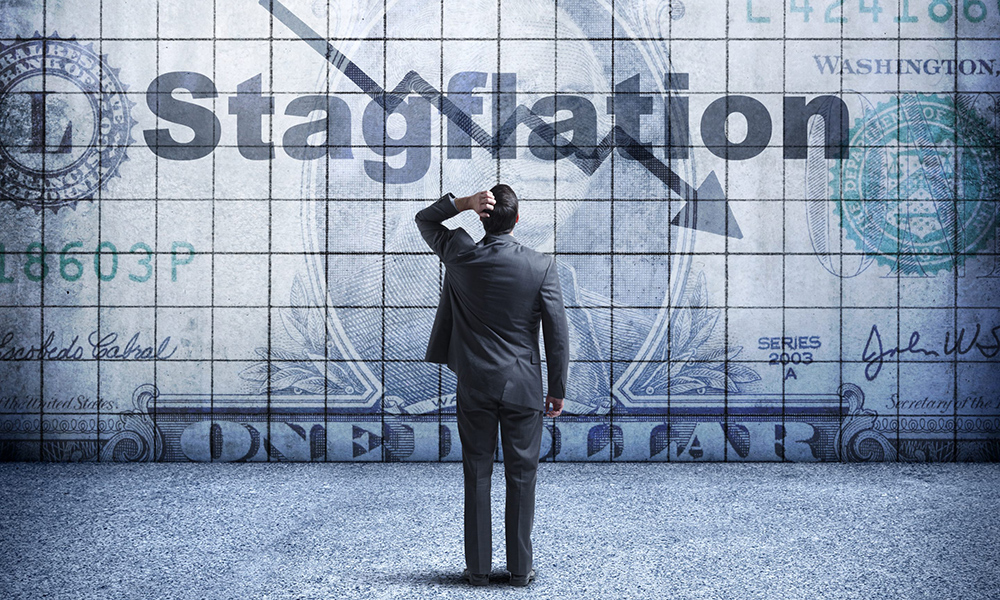
近期數(shù)據(jù)顯示,美國經(jīng)濟增長急劇放緩,通脹加劇,這導(dǎo)致?lián)臏浀穆曇粢恢辈唤^于耳。
現(xiàn)在,華爾街無法忽視這個令人不愿觸及的問題,因為它已經(jīng)開始影響金融市場,尤其是債券市場。
索斯尼科補充道:“如果經(jīng)濟疲軟但卻無法降低通脹,你會不由自主地想到滯脹這個詞。所以在GDP表現(xiàn)遠不及預(yù)期的時候,債券收益率大漲,才會令人感到震驚。因此,肯定是對通貨膨脹的擔(dān)憂引發(fā)了這種狀況。”
分析師認(rèn)為最近的數(shù)據(jù)“在兩方面都是最糟糕的”,因為頑固的通貨膨脹依舊高于美聯(lián)儲2%的目標(biāo),這會阻止美聯(lián)儲降息。歷史上,美聯(lián)儲曾經(jīng)選擇以降息來應(yīng)對經(jīng)濟增長疲軟。
由于市場預(yù)期美聯(lián)儲將被迫在更長時間內(nèi)延續(xù)其緊縮貨幣政策,10年期美國國債收益率近幾天重新上漲至4.7%,之后有所回落,但市場擔(dān)心它最終可能回升至5%。
債券收益率上漲會影響抵押貸款利率等其他借款成本,而且影響到了股市,尤其是英偉達(Nvidia)等以增長為導(dǎo)向的科技股。
索斯尼科警告稱,投資者應(yīng)該感到“有些擔(dān)心”,他認(rèn)為在市場整體反彈時可以隨便選擇投資對象的時代已經(jīng)結(jié)束。
他補充道:“股票和債券之間的拉鋸戰(zhàn)令人變得神經(jīng)緊張。”
他解釋稱,今年早些時候,市場忽視了這種動態(tài),因為股市持續(xù)出現(xiàn)“令人擔(dān)心錯過的”反彈行情,而債券收益率上升被歸因于強勁的經(jīng)濟,這在一定程度上對股市是利好消息。
但隨著經(jīng)濟降溫和通脹再次升高,現(xiàn)在債券市場開始感到壓力。索斯尼科警告稱,由于美聯(lián)儲將在下周開會并發(fā)布月度就業(yè)報告,因此,股市依舊存在巨大的下行風(fēng)險。他指出,盡管股市下跌了4%至5%,但并沒有完成一輪回調(diào),因為一輪回調(diào)的跌幅通常為10%。
其他華爾街分析師也對數(shù)據(jù)所預(yù)示的滯脹情景感到不安。
周二,摩根大通(JPMorgan)CEO杰米·戴蒙表示,當(dāng)前的經(jīng)濟狀況更像是20世紀(jì)70年代,當(dāng)時通脹和失業(yè)率都很高,但經(jīng)濟增長疲軟。
他還暗示,2024年的有些指標(biāo)可能比1970年更糟糕。他表示:“在20世紀(jì)70年代,赤字只有今天的一半,債務(wù)占GDP的比率為35%而不是100%,因此我認(rèn)為當(dāng)前經(jīng)濟增長強勁的部分原因是財政支出。”
同樣在本周,瑞銀(UBS)全球財富管理投資主管馬克·海菲勒對MarketWatch表示,他擔(dān)心的并非某一個數(shù)據(jù)點,而是“沒有人真正做好準(zhǔn)備”迎接滯脹。(財富中文網(wǎng))
翻譯:劉進龍
審校:汪皓
近期數(shù)據(jù)顯示,美國經(jīng)濟增長急劇放緩,通脹加劇,這導(dǎo)致?lián)臏浀穆曇粢恢辈唤^于耳。
現(xiàn)在,華爾街無法忽視這個令人不愿觸及的問題,因為它已經(jīng)開始影響金融市場,尤其是債券市場。
索斯尼科補充道:“如果經(jīng)濟疲軟但卻無法降低通脹,你會不由自主地想到滯脹這個詞。所以在GDP表現(xiàn)遠不及預(yù)期的時候,債券收益率大漲,才會令人感到震驚。因此,肯定是對通貨膨脹的擔(dān)憂引發(fā)了這種狀況。”
分析師認(rèn)為最近的數(shù)據(jù)“在兩方面都是最糟糕的”,因為頑固的通貨膨脹依舊高于美聯(lián)儲2%的目標(biāo),這會阻止美聯(lián)儲降息。歷史上,美聯(lián)儲曾經(jīng)選擇以降息來應(yīng)對經(jīng)濟增長疲軟。
由于市場預(yù)期美聯(lián)儲將被迫在更長時間內(nèi)延續(xù)其緊縮貨幣政策,10年期美國國債收益率近幾天重新上漲至4.7%,之后有所回落,但市場擔(dān)心它最終可能回升至5%。
債券收益率上漲會影響抵押貸款利率等其他借款成本,而且影響到了股市,尤其是英偉達(Nvidia)等以增長為導(dǎo)向的科技股。
索斯尼科警告稱,投資者應(yīng)該感到“有些擔(dān)心”,他認(rèn)為在市場整體反彈時可以隨便選擇投資對象的時代已經(jīng)結(jié)束。
他補充道:“股票和債券之間的拉鋸戰(zhàn)令人變得神經(jīng)緊張。”
他解釋稱,今年早些時候,市場忽視了這種動態(tài),因為股市持續(xù)出現(xiàn)“令人擔(dān)心錯過的”反彈行情,而債券收益率上升被歸因于強勁的經(jīng)濟,這在一定程度上對股市是利好消息。
但隨著經(jīng)濟降溫和通脹再次升高,現(xiàn)在債券市場開始感到壓力。索斯尼科警告稱,由于美聯(lián)儲將在下周開會并發(fā)布月度就業(yè)報告,因此,股市依舊存在巨大的下行風(fēng)險。他指出,盡管股市下跌了4%至5%,但并沒有完成一輪回調(diào),因為一輪回調(diào)的跌幅通常為10%。
其他華爾街分析師也對數(shù)據(jù)所預(yù)示的滯脹情景感到不安。
周二,摩根大通(JPMorgan)CEO杰米·戴蒙表示,當(dāng)前的經(jīng)濟狀況更像是20世紀(jì)70年代,當(dāng)時通脹和失業(yè)率都很高,但經(jīng)濟增長疲軟。
他還暗示,2024年的有些指標(biāo)可能比1970年更糟糕。他表示:“在20世紀(jì)70年代,赤字只有今天的一半,債務(wù)占GDP的比率為35%而不是100%,因此我認(rèn)為當(dāng)前經(jīng)濟增長強勁的部分原因是財政支出。”
同樣在本周,瑞銀(UBS)全球財富管理投資主管馬克·海菲勒對MarketWatch表示,他擔(dān)心的并非某一個數(shù)據(jù)點,而是“沒有人真正做好準(zhǔn)備”迎接滯脹。(財富中文網(wǎng))
翻譯:劉進龍
審校:汪皓
There’s been a steady drumbeat of concerns about stagflation as recent data showed economic growth slowing sharply and inflation picking up.
Now, Wall Street can’t ignore that unpleasant subject as its presence is starting to be felt on financial markets, especially in bonds.
“Well, if you have a weak economy and inflation that’s not coming down, you kind of have to think in those terms,” Sosnick added. “And that’s why it was kind of shocking to see bond yields rise on a day where GDP was a big miss. So it has to be that other inflation nervousness.”
Analysts have called the latest batch of data “the worst of both worlds” as inflation that stubbornly remains above the Federal Reserve’s 2% target will prevent it from cutting rates, which it historically has done in response to softening economic growth.
Expectations that the Fed will be forced to continue its tight monetary policy for longer has sent the 10-year Treasury yield surging back to 4.7% in recent days before retreating, though markets are concerned an eventual return to 5% is possible.
The resurgence in bond yields, which affects other borrowing costs like mortgage rates, has also hit stocks, especially growth-oriented tech giants like Nvidia.
Investors should feel “concerned, a little bit,” Sosnick cautioned, saying that the time to buy anything amid a broad market rally has ended.
“The push-pull between stocks and bonds is getting a little nerve racking,” he added.
Markets ignored that dynamic earlier in the year as a relentless “fear of missing out” stock rally was ongoing, while the uptick in bond yields had been attributed to a strong economy, which can help stocks—up to a certain point, he explained.
But with growth cooling off and inflation ramping up again, now the bond market is starting to get stressed. And as a Fed meeting and monthly job reports are due in the coming week, the downside risk in stocks remains substantial, Sosnick warned, pointing out that the market fell 4%-5% but didn’t complete a correction, which typically is considered a 10% drop.
Others on Wall Street have also voiced uneasiness with the data trending toward a stagflation scenario.
On Tuesday, JPMorgan CEO Jamie Dimon said now more so than ever the economy is resembling the 1970s, when both inflation and unemployment were high but economic growth was weak.
He also hinted that some indicators may be worse in 2024 than they were in 1970, saying, “If you go back to the ’70s, deficits were half of what they are today, the debt to GDP was 35%, not 100%, and so part of the reason I think we’ve had this strong growth is the fiscal spending.”
Also this week, UBS global wealth management investment head Mark Haefele told MarketWatch that he’s not worried about one data point, “nobody’s really prepared” for stagflation.

請打開財富Plus APP