


諾基亞推出“芭比手機”
CHLOE BERGER
2024-09-02
諾基亞和美泰公司正在銷售一款售價130美元的芭比非智能手機。
 文本設置
文本設置
 Plus(0條)

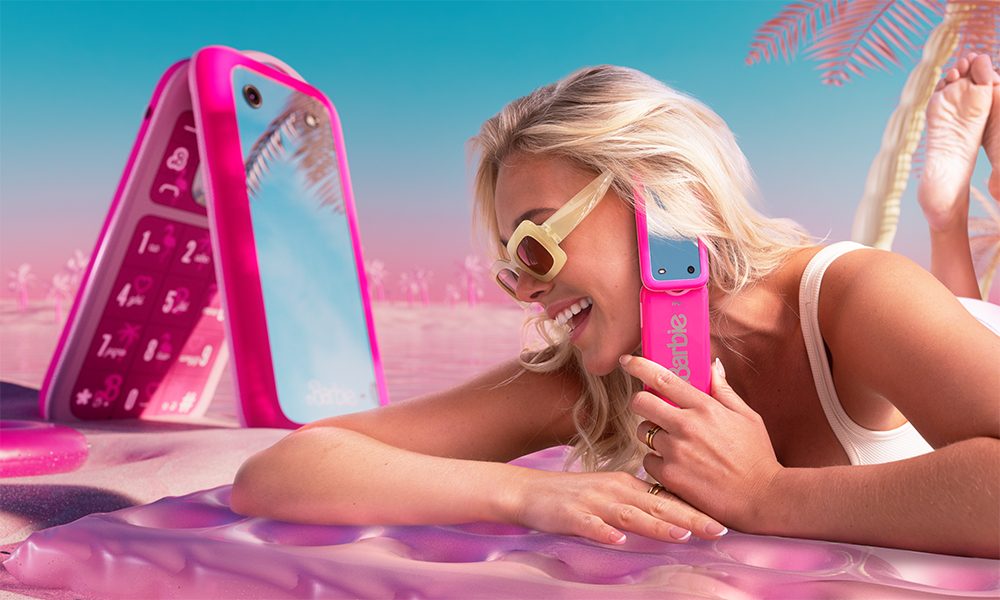
市面上出現了一個新玩偶,她的名字叫“非聯網芭比”。至少美泰公司(Mattel)和諾基亞(Nokia)的制造商HMD希望你相信這一點。
這兩家公司推出了一款新型非智能手機(有意設計成非聯網產品,但配備了大量芭比美學元素)。它不配備社交媒體應用程序,但配有貼紙。據美國全國廣播公司財經頻道(CNBC)報道,這款手機上周三僅面向英國消費者發售,售價99英鎊,約合130.74美元。根據HMD的新聞稿,“即將推出”這款手機的美國版。
這款翻蓋手機幾乎是在積極迎合Z世代的需求。它不僅迎合了這一代人的Y2K審美品味(上世紀九十年代至二十一世紀初的視覺感官文化,充滿了科技感、樂觀主義和技術烏托邦主義),也迎合了他們從伴隨自己長大的智能手機中解脫出來的傾向。
HMD表示,這款手機“讓人們重拾簡單、甜蜜時光的快樂”,并鼓勵用戶“給閨蜜打電話,約好見面時間,然后發短信告訴她們見面地點”。考慮到蘋果用戶甚至對綠色文本氣泡都很反感,要想讓他們適應,那就祝你好運了。
這款手機的發布正值長達數年的時尚周期,這一周期與2000年代的時尚潮流相似,正如穿著嬰兒T恤和低腰褲的Z世代所預示的那樣。誠然,盡管HMD在新聞稿中提到了“懷舊”,但這款手機的目標用戶是最年輕的一代,他們出生在這個時代前后,可能對此根本沒有記憶,這多少有點諷刺意味。
不過,最重要的是,這款手機旨在迎合Z世代的數字排毒癖好,新聞稿中也提到了這一點。就在今年夏天,Y2K偶像帕麗斯·希爾頓(Paris Hilton)與Razr合作推出了亮粉色翻蓋“非智能手機”。
Z世代在社交媒體的陪伴下長大,完全沉浸在數字時代,他們已經開始為自己的使用設置警戒線。出于對心理健康的擔憂,一些年輕人開始頻繁使用智能手機的“勿擾模式”,甚至轉而使用翻蓋手機。
換句話說,在智能手機陪伴下成長起來的第一代人中,至少有一部分人向往沒有智能手機的生活,或者希望制定規則來減少智能手機的影響。懷舊情緒在各代人中都很受歡迎,尤其是在人們感到混亂或悲觀的時候。
萊莫恩學院(Le Moyne College)教授克雷斯汀·巴喬(Krystine Batcho)在2022年接受《財富》采訪時表示:“在動蕩不安的今天,有太多的不確定因素。這是懷舊的完美風暴。”
事情并沒有變得更容易,Z世代是在社會經濟動蕩、種族滅絕和金融焦慮的時代中長大的,在財富不平等加劇的情況下,人們對美國夢的信念也在逐漸減弱,而且互聯網上充斥著這樣的信息。因此,用唐·德雷柏(Don Draper)的話說,懷舊的力量依然強大。
科技也從2010年神壇跌落。現在,人們對科技行業推出的產品更加持懷疑態度——科技行業的工作不再那么夢幻(考慮到裁員),人工智能是一種引發懷疑的產品,而科技行業的首席執行官們也是如此令人反感,就連Meta公司的馬克·扎克伯格(Mark Zuckerberg)也改頭換面了。因此,這種集體懷舊與設備倒退相結合是合乎情理的。
于是,芭比手機出現了。這款手機被宣傳為“脫離智能手機的完美之選”,配有芭比復活節彩蛋、自我保健提醒等數字健康提示,正面還有一面鏡子。由于“生活在沒有數字干擾的現實世界中”被列為產品的一部分,其非聯網功能正被作為一個賣點進行推銷。
HMD的新聞稿稱,這款設備“旨在讓用戶在夏季減少網頁瀏覽次數,增加娛樂活動”。恰逢夏季即將結束,而芭比在陽光下的時光確實已經是去年的事了。2023年,格蕾塔·葛韋格(Greta Gerwig)執導的《芭比》(Barbie)電影票房超過14億美元,不僅創造了一個系列電影,還創造了一個有意釋放產品設計、滲入文化潮流的時刻。
但據諾基亞移動和HMD Global的首席營銷官稱,翻蓋手機的旺季還沒有結束。拉爾斯·西爾伯鮑爾(Lars Silberbauer)在2023年告訴《華爾街日報》:“這一趨勢不容小覷。”(財富中文網)
譯者:中慧言-王芳
市面上出現了一個新玩偶,她的名字叫“非聯網芭比”。至少美泰公司(Mattel)和諾基亞(Nokia)的制造商HMD希望你相信這一點。
這兩家公司推出了一款新型非智能手機(有意設計成非聯網產品,但配備了大量芭比美學元素)。它不配備社交媒體應用程序,但配有貼紙。據美國全國廣播公司財經頻道(CNBC)報道,這款手機上周三僅面向英國消費者發售,售價99英鎊,約合130.74美元。根據HMD的新聞稿,“即將推出”這款手機的美國版。
這款翻蓋手機幾乎是在積極迎合Z世代的需求。它不僅迎合了這一代人的Y2K審美品味(上世紀九十年代至二十一世紀初的視覺感官文化,充滿了科技感、樂觀主義和技術烏托邦主義),也迎合了他們從伴隨自己長大的智能手機中解脫出來的傾向。
HMD表示,這款手機“讓人們重拾簡單、甜蜜時光的快樂”,并鼓勵用戶“給閨蜜打電話,約好見面時間,然后發短信告訴她們見面地點”。考慮到蘋果用戶甚至對綠色文本氣泡都很反感,要想讓他們適應,那就祝你好運了。
這款手機的發布正值長達數年的時尚周期,這一周期與2000年代的時尚潮流相似,正如穿著嬰兒T恤和低腰褲的Z世代所預示的那樣。誠然,盡管HMD在新聞稿中提到了“懷舊”,但這款手機的目標用戶是最年輕的一代,他們出生在這個時代前后,可能對此根本沒有記憶,這多少有點諷刺意味。
不過,最重要的是,這款手機旨在迎合Z世代的數字排毒癖好,新聞稿中也提到了這一點。就在今年夏天,Y2K偶像帕麗斯·希爾頓(Paris Hilton)與Razr合作推出了亮粉色翻蓋“非智能手機”。
Z世代在社交媒體的陪伴下長大,完全沉浸在數字時代,他們已經開始為自己的使用設置警戒線。出于對心理健康的擔憂,一些年輕人開始頻繁使用智能手機的“勿擾模式”,甚至轉而使用翻蓋手機。
換句話說,在智能手機陪伴下成長起來的第一代人中,至少有一部分人向往沒有智能手機的生活,或者希望制定規則來減少智能手機的影響。懷舊情緒在各代人中都很受歡迎,尤其是在人們感到混亂或悲觀的時候。
萊莫恩學院(Le Moyne College)教授克雷斯汀·巴喬(Krystine Batcho)在2022年接受《財富》采訪時表示:“在動蕩不安的今天,有太多的不確定因素。這是懷舊的完美風暴。”
事情并沒有變得更容易,Z世代是在社會經濟動蕩、種族滅絕和金融焦慮的時代中長大的,在財富不平等加劇的情況下,人們對美國夢的信念也在逐漸減弱,而且互聯網上充斥著這樣的信息。因此,用唐·德雷柏(Don Draper)的話說,懷舊的力量依然強大。
科技也從2010年神壇跌落。現在,人們對科技行業推出的產品更加持懷疑態度——科技行業的工作不再那么夢幻(考慮到裁員),人工智能是一種引發懷疑的產品,而科技行業的首席執行官們也是如此令人反感,就連Meta公司的馬克·扎克伯格(Mark Zuckerberg)也改頭換面了。因此,這種集體懷舊與設備倒退相結合是合乎情理的。
于是,芭比手機出現了。這款手機被宣傳為“脫離智能手機的完美之選”,配有芭比復活節彩蛋、自我保健提醒等數字健康提示,正面還有一面鏡子。由于“生活在沒有數字干擾的現實世界中”被列為產品的一部分,其非聯網功能正被作為一個賣點進行推銷。
HMD的新聞稿稱,這款設備“旨在讓用戶在夏季減少網頁瀏覽次數,增加娛樂活動”。恰逢夏季即將結束,而芭比在陽光下的時光確實已經是去年的事了。2023年,格蕾塔·葛韋格(Greta Gerwig)執導的《芭比》(Barbie)電影票房超過14億美元,不僅創造了一個系列電影,還創造了一個有意釋放產品設計、滲入文化潮流的時刻。
但據諾基亞移動和HMD Global的首席營銷官稱,翻蓋手機的旺季還沒有結束。拉爾斯·西爾伯鮑爾(Lars Silberbauer)在2023年告訴《華爾街日報》:“這一趨勢不容小覷。”(財富中文網)
譯者:中慧言-王芳
There’s a new doll on the block, and her name is slightly off-the-grid Barbie. At least that’s what Mattel and HMD, the makers of Nokia, would like you to believe.
The two companies have unveiled a new dumbphone, a product intentionally devoid of internet access, though heavily-equipped with the Barbie aesthetic. It doesn’t have social-media apps, but it does have stickers. Released Wednesday to UK consumers only, the phone costs £99, or $130.74, according to CNBC. The US edition of said phone is “coming soon,” according to HMD’S press release.
The flip phone is almost aggressively catered to Gen Z. It keys in not just to the generation’s Y2K aesthetic taste, but also to their proclivity to take a break from the smartphones they grew up with.
It “brings back the joy of simpler, sweeter days,” said HMD, imploring users to call their “besties, set up a catch-up date, and text them the meeting spot.” Good luck trying to get Apple users to comply, given their disgust even for green text bubbles.
This phone’s unveiling comes alongside a years-long fashion cycle reminiscent of the 2000’s, as heralded by Gen Zers in baby tees and low-rise pants. And yes, it’s somewhat ironic that it’s targeting the youngest generation, who were born around this era and probably don’t remember it at all, despite HMD’s press release mentioning “nostalgia.”
Above all, though, this phone is designed to appeal to Gen Z’s penchant for digital detoxes, which was also mentioned in the press release. Just this summer, Y2K icon Paris Hilton partnered with Razr to introduce their own hot-pink flip “dumbphone.
Growing up with social media and fully immersed in the digital age, Gen Z has started to put up guardrails on their usage. Often fueled by mental-health concerns, some young adults have started constantly using their smartphone’s Do Not Disturb function, or even turned to flip phones.
In other words, the first generation to grow up with a life that always included smartphones has at least a subset of individuals that long for a life without them, or want rules to mitigate their influence. And across generations, nostalgia sells, especially during times of perceived chaos or pessimism.
“Today with all the turmoil, there’s so much that we’re unsure of,” Krystine Batcho, a professor at Le Moyne College told Fortune in 2022. “That is the perfect storm for nostalgia.”
It hasn’t become easier, Gen Z is coming of age amongst a time of soci-economic turmoil, genocide, and financial anxiety—and there’s a dwindling belief in the American dream amidst rising wealth inequality. The internet inundates everyone with this information. So, in the words of Don Draper, nostalgia is still potent.
Tech has been kicked off its 2010 pedestal, too. People are now more skeptical of what it purveys— its jobs are less dreamy (given layoffs), AI is a product that induces skepticism, and its CEOs are so off putting that even Meta’s Mark Zuckerberg got a makeover. It makes sense, then, that this collective nostalgia would be paired with a rolling back of the clocks on our devices.
So, here comes a Barbie phone. Advertised as “perfect for taking a smartphone break,” it comes with some Barbie easter eggs, digital wellness tips like self-care reminders, and a mirror on the front. Its lack of a feature is marketed as one, as “living in the real world without digital distraction” is listed as part of the product.
HMD’s press release says the device is “designed for less browsing and more fun this summer.” Fittingly, the summer is almost over, and Barbie’s time in the sun really was last year. In 2023, Greta Gerwig’s “Barbie” movie raked in more than $1.4 billion, creating not just a franchise but a moment of intentionally released product-design that seeped into the cultural zeitgeist.
But according to the chief marketing officer of Nokia Mobile and HMD Global, the season isn’t over yet on flip phones. “It’s not a small trend,” Lars Silberbauer told the Wall Street Journal in 2023.

請打開財富Plus APP