


與Meta達成100億美元交易,這家電力公司股價飆升
Sharon Goldman
2025-02-24
數據中心對電力的需求極為龐大。
 文本設置
文本設置
 Plus(0條)


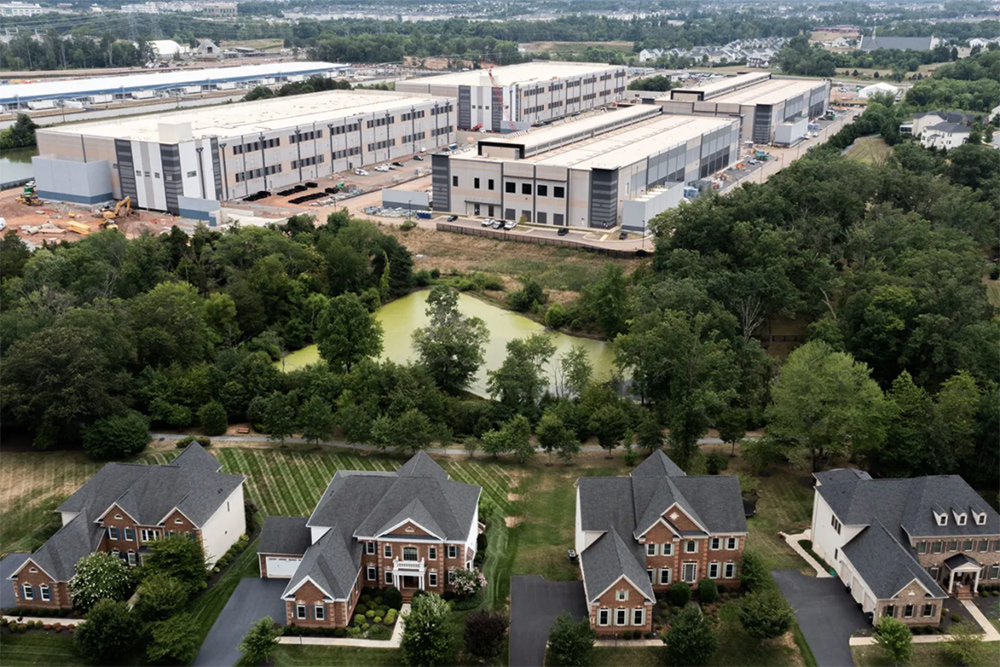
十五年前,數據中心規模龐大,堪比沃爾瑪購物廣場,后來近乎十個開市客那么大。如今,由于人工智能對電力的巨大需求,它們已演變成比五角大樓還大十倍的龐然大物,其規模甚至能與一座小型城市相媲美。隨著科技公司競相開發規模最大、性能最強的人工智能模型,同時美國政府大力推動本土數據中心建設,這些超大型數據中心正以驚人的速度拔地而起。
為了滿足人工智能的發展需求,數據中心對電力的需求極為龐大。在這股類似淘金熱的浪潮中,美國各地的電力公司,尤其是南部地區的電力公司,正尋求將這些人工智能數據中心引入本州來滿足這一需求。大型科技公司客戶通過簽訂長期合同為電力公司提供了穩定且可預期的收入保障。它們還能讓受費率管制的公用事業公司有理由開展全新的利潤受限的發電項目,并通過創造地區就業機會和投資帶來經濟發展紅利。
其中一家主要參與者是總部位于路易斯安那州的安特吉公司,作為躋身《財富》世界500強的公用事業公司,它為路易斯安那州、密西西比州、阿肯色州和得克薩斯州的客戶提供服務。2024年12月,臉書(Facebook)母公司Meta宣布了一項計劃:擬在路易斯安那州東北部鄉村地區里奇蘭教區(Richland Parish)斥資100億美元新建人工智能數據中心,并表示這將為這個陷入困境、經濟蕭條的地區創造500個新的長期全職工作崗位。該數據中心占地面積超過400萬平方英尺(約合37.2萬平方米),將成為Meta迄今為止最大的數據中心。為了滿足其能源需求,安特吉公司計劃斥資30億美元在該數據中心周邊新建三座天然氣發電廠。自消息公布以來,安特吉公司股價創下歷史新高,今年迄今為止上漲了14%。該股在過去12個月里上漲了近75%,目前處于幾十年來的最高水平。
在近期接受《財富》雜志采訪時,安特吉公司首席執行官德魯·馬什表示,“如果算一下賬,”由于Meta數據中心全天候運行需要2千兆瓦電力,它將成為安特吉公司最大的客戶。
馬什還稱贊了公司在吸引Meta落戶路易斯安那州過程中發揮的作用。他說:“作為一家受費率管制的公用事業公司,我們深度參與到任何可能進駐路易斯安那州、阿肯色州、密西西比州或我們所在的東得克薩斯州地區的行業的經濟發展中,這些行業的電力需求可能極為龐大。我們與全州的社區建立了聯系,并與州長、議會,以及公共服務委員會和其他所有相關的監管機構建立了聯系。”
到目前為止,安特吉公司已成功吸引了亞馬遜云科技(AWS)和Meta
安特吉公司歷來擅長為化工煉油廠、油氣加工設施等大型高耗能工業客戶提供服務。但與目前的大型科技數據中心相比,即便是這些傳統的高耗能客戶也顯得遜色不少。
馬什回憶說,十年前,許多投資者詢問該公司是否會迎來“大量數據中心”作為新增客戶。當時的數據中心雖然規模不小,但遠不及現在這么龐大。
馬什說:“我的回答是,我們現有的客戶完全有能力吸納數據中心的用電需求,畢竟那時的數據中心規模尚小。”
亞馬遜的到來改變了這一切:2019年,安特吉公司密西西比分公司開始與亞馬遜云計算部門亞馬遜云科技展開洽談,探討在該州設立其最大的數據中心園區之一。五年后的2024年,安特吉公司宣布亞馬遜在麥迪遜縣斥資100億美元的投資項目堪稱“密西西比州歷史上最大的經濟發展成果”之一。除了與亞馬遜云科技合作外,安特吉公司還與密西西比州發展局、州長泰特·里夫斯(Tate Reeves)以及密西西比州議會密切合作,后者通過并簽署了重要立法,使密西西比州成為對該公司極具吸引力的選址目標。
與亞馬遜達成的協議使安特吉公司處于有利地位,促使Meta考慮位于富蘭克林農場(一處前農業用地)、占地2250英畝(約合9105445.8平方米)的場地。《新奧爾良時報》近期的一篇報道詳細描述了2024年1月,在聽聞Meta正在美國南部尋址建設數據中心后,安特吉公司如何在其新奧爾良總部接待了六位Meta高管。
根據該報道,Meta向安特吉公司表示,他們會考慮路易斯安那州作為數據中心的潛在選址,但該州必須迅速采取行動,并提出有吸引力的方案。安特吉公司的高管與新當選的州長杰夫·蘭德里(Jeff Landry)合作,與立法機構領導人、內閣部長和地方政府官員達成協議。最終,Meta在服務器和設備采購方面的數十億美元支出得以享受銷售稅的豁免優惠。
Meta的一位發言人向《財富》雜志提供了如下聲明:“我們在路易斯安那州里奇蘭教區的數據中心已開工建設,對此我們感到非常興奮。選擇此地,我們基于多方面的考量——這里基礎設施便利、電網供應可靠、商業環境友好,還有優秀社區合作伙伴助力我們推進這一項目。”

安特吉公司的盈利動機與Meta的數據中心擴張計劃不謀而合
眾多像安特吉公司這樣受費率管制的公用事業企業,往往采用垂直一體化的壟斷經營模式。這意味著它們掌控著發電的發電廠,還掌握著高壓與低壓電力的輸送網絡。其費率由所在州的公用事業委員會制定,包括針對Meta這樣的企業客戶的費率(這些客戶能通過簽訂長期穩定的合同來享受特定的費率優惠)。但它們也能從新建發電廠等基礎設施投資的管制回報中獲利。
這就催生了建設動力:為公用事業公司提供咨詢服務的West Monroe咨詢公司執行合伙人貝齊·索倫·瓊斯(Betsy Soehren Jones)解釋說,州監管機構為資本投資設定了允許的最大收益率。這意味著公用事業公司能夠從其基礎設施投資中獲得管制回報率(如7%),但它們需要投資新資產(如發電廠或輸電線路)來增加總收益。
瓊斯在接受《財富》雜志采訪時表示:“它們必須新建基礎設施才能獲得收益。假設我是安特吉公司,那么我所有資本支出的回報率都被限定在7%,若是沒有新公司進入我的服務領域,我的收入就會停滯不前。”
馬什表示,業務覆蓋各個環節是安特吉公司在達成數據中心合作協議方面的關鍵優勢。他說:“作為垂直一體化的公用事業公司,我們是一站式服務提供商,能夠提供所有技術服務,涵蓋從發電、輸電、零售接入服務,到與區域輸電運營商溝通,直至與所有利益相關方對接。”
但批評人士稱,這種壟斷以及與監管機構的密切關系,最終可能會將成本轉嫁到消費者身上。
Alliance for Affordable Energy的執行董事洛根·伯克(Logan Burke)說:”安特吉公司正積極推動大規模建設,并制定了在該州新建大量天然氣設施的宏偉藍圖。”“它們有新建設施以實現盈利的動機,因為這是其商業模式的一部分。”她補充說,雖然新建天然氣發電廠需要得到監管委員會的批準,但”聽起來似乎已成定局"。
她說,這讓人想起2024年初密西西比州州長里夫斯通過立法吸引亞馬遜數據中心投資的場景。她解釋說:“這一立法舉措實際上賦予了安特吉公司極大的自主權,允許它們為了滿足這一特定客戶的需求而建造任何必要的設施,不論這些設施的具體需求如何,而審慎的審查程序則被安排在了后續階段。”她補充說,這“削弱了密西西比州公共服務委員會對于該公用事業公司為包括住宅和商業客戶在內的所有客戶群體提供服務而建造設施的監管能力。”
瓊斯表示,各州監管機構與像安特吉公司這樣的垂直一體化壟斷公用事業公司之間的關系密切程度,因州而異。“監管委員會沒有統一的模式,”她說。“有的委員會設有五名成員,有的則只有三名。有的成員由州長任命,有的則不是。”以加州為例,“那里的監管委員會會對公用事業公司的舉措進行嚴格的質詢,”她說,并補充說,伊利諾伊州和紐約州的情況也頗為相似。她強調道:“這與州的政治傾向(藍州或紅州)無關,實際上取決于委員會的運作方式。”
現在,Alliance for Affordable Energy和憂思科學家聯盟(Union for Concerned Scientists)正在敦促路易斯安那州的監管機構否決安特吉公司“快速推進”在里奇蘭教區新建三座天然氣發電廠以服務Meta數據中心的計劃。地球正義組織(Earthjustice)最近代表這兩家非營利組織提交了一項動議,要求路易斯安那州公共服務委員會在安特吉公司“遵循標準監管流程”之前拒絕這項耗資30億美元的提案。這些組織認為,該公用事業公司尚未證明這些發電廠是滿足電力需求的最具成本效益的選擇。
憂思科學家聯盟氣候與能源項目的能源分析師保羅·阿爾巴耶(Paul Arbaje)在一則關于該動議的新聞稿中表示,路易斯安那州的電力用戶“已經在承受過度依賴天然氣的后果,從天然氣價格飆升所引發的電力成本上升,到極端天氣事件期間的供電不穩定。”如果Meta決定不再續簽其為期15年的供電合同,或是提前終止最初的15年供電合同,“路易斯安那州民眾將不得不承擔這些新建的大型天然氣發電廠帶來的經濟負擔。”
不過,馬什表示,安特吉公司已經考慮到了這些風險,并做好了應對準備。他指出,如果出現額外的電力產能,且相關設備和基礎設施處于可用狀態,很可能會吸引其他客戶的加入。但他還說,即便沒有其他需求,安特吉公司也可以淘汰老舊、低效的資產,“為我們的客戶節省資金”。無論如何,他表示,安特吉公司與Meta達成的協議包含了最低付款條款,足以覆蓋新建發電設施的成本。Meta還承諾,其數據中心的電力使用將100%由清潔可再生能源供應,包括與安特吉公司合作,將至少1500兆瓦的新增太陽能和儲能引入其電網。
公用事業公司繼續競相爭取長期協議
近期,圍繞中國初創公司杭州深度求索人工智能基礎技術研究有限公司(該公司研發的高效人工智能模型對人工智能芯片的需求更少)的熱議引發了人們對大型科技公司是否會削減數據中心投資的質疑。但公用事業公司似乎并未因此退縮,仍在努力吸引這些大型設施落戶本州。盡管越來越多的人擔心部分公用事業公司可能無法滿足激增的電力需求,但這一努力仍在繼續。
例如,《財富》雜志最近報道稱,為xAI在孟菲斯新建大型數據中心提供服務的市政公用事業公司的首席執行官警告稱,如果不新建基礎設施,可能無法滿足該數據中心的電力需求。其他幾家公用事業公司也對其滿足超大型數據中心日益增長的電力需求的能力表示擔憂,其中包括弗吉尼亞州的道明尼能源公司(Dominion Energy)、休斯頓的CenterPoint Energy、亞利桑那州的大眾服務企業集團(Public Service)和加利福尼亞州的太平洋煤氣電力公司(Pacific Gas & Electric)。
安特吉公司并未停止努力,仍在試圖將大型科技公司的數據中心引入其服務區域。馬什表示,即便在去年12月Meta的項目宣布之后,公司仍在就5到10千兆瓦潛在的數據中心合作機會進行“不同程度的洽談”。馬什表示:“5到10千兆瓦數據中心的合作空間相當廣闊。”(財富中文網)
譯者:中慧言-王芳
十五年前,數據中心規模龐大,堪比沃爾瑪購物廣場,后來近乎十個開市客那么大。如今,由于人工智能對電力的巨大需求,它們已演變成比五角大樓還大十倍的龐然大物,其規模甚至能與一座小型城市相媲美。隨著科技公司競相開發規模最大、性能最強的人工智能模型,同時美國政府大力推動本土數據中心建設,這些超大型數據中心正以驚人的速度拔地而起。
為了滿足人工智能的發展需求,數據中心對電力的需求極為龐大。在這股類似淘金熱的浪潮中,美國各地的電力公司,尤其是南部地區的電力公司,正尋求將這些人工智能數據中心引入本州來滿足這一需求。大型科技公司客戶通過簽訂長期合同為電力公司提供了穩定且可預期的收入保障。它們還能讓受費率管制的公用事業公司有理由開展全新的利潤受限的發電項目,并通過創造地區就業機會和投資帶來經濟發展紅利。
其中一家主要參與者是總部位于路易斯安那州的安特吉公司,作為躋身《財富》世界500強的公用事業公司,它為路易斯安那州、密西西比州、阿肯色州和得克薩斯州的客戶提供服務。2024年12月,臉書(Facebook)母公司Meta宣布了一項計劃:擬在路易斯安那州東北部鄉村地區里奇蘭教區(Richland Parish)斥資100億美元新建人工智能數據中心,并表示這將為這個陷入困境、經濟蕭條的地區創造500個新的長期全職工作崗位。該數據中心占地面積超過400萬平方英尺(約合37.2萬平方米),將成為Meta迄今為止最大的數據中心。為了滿足其能源需求,安特吉公司計劃斥資30億美元在該數據中心周邊新建三座天然氣發電廠。自消息公布以來,安特吉公司股價創下歷史新高,今年迄今為止上漲了14%。該股在過去12個月里上漲了近75%,目前處于幾十年來的最高水平。
在近期接受《財富》雜志采訪時,安特吉公司首席執行官德魯·馬什表示,“如果算一下賬,”由于Meta數據中心全天候運行需要2千兆瓦電力,它將成為安特吉公司最大的客戶。
馬什還稱贊了公司在吸引Meta落戶路易斯安那州過程中發揮的作用。他說:“作為一家受費率管制的公用事業公司,我們深度參與到任何可能進駐路易斯安那州、阿肯色州、密西西比州或我們所在的東得克薩斯州地區的行業的經濟發展中,這些行業的電力需求可能極為龐大。我們與全州的社區建立了聯系,并與州長、議會,以及公共服務委員會和其他所有相關的監管機構建立了聯系。”
到目前為止,安特吉公司已成功吸引了亞馬遜云科技(AWS)和Meta
安特吉公司歷來擅長為化工煉油廠、油氣加工設施等大型高耗能工業客戶提供服務。但與目前的大型科技數據中心相比,即便是這些傳統的高耗能客戶也顯得遜色不少。
馬什回憶說,十年前,許多投資者詢問該公司是否會迎來“大量數據中心”作為新增客戶。當時的數據中心雖然規模不小,但遠不及現在這么龐大。
馬什說:“我的回答是,我們現有的客戶完全有能力吸納數據中心的用電需求,畢竟那時的數據中心規模尚小。”
亞馬遜的到來改變了這一切:2019年,安特吉公司密西西比分公司開始與亞馬遜云計算部門亞馬遜云科技展開洽談,探討在該州設立其最大的數據中心園區之一。五年后的2024年,安特吉公司宣布亞馬遜在麥迪遜縣斥資100億美元的投資項目堪稱“密西西比州歷史上最大的經濟發展成果”之一。除了與亞馬遜云科技合作外,安特吉公司還與密西西比州發展局、州長泰特·里夫斯(Tate Reeves)以及密西西比州議會密切合作,后者通過并簽署了重要立法,使密西西比州成為對該公司極具吸引力的選址目標。
與亞馬遜達成的協議使安特吉公司處于有利地位,促使Meta考慮位于富蘭克林農場(一處前農業用地)、占地2250英畝(約合9105445.8平方米)的場地。《新奧爾良時報》近期的一篇報道詳細描述了2024年1月,在聽聞Meta正在美國南部尋址建設數據中心后,安特吉公司如何在其新奧爾良總部接待了六位Meta高管。
根據該報道,Meta向安特吉公司表示,他們會考慮路易斯安那州作為數據中心的潛在選址,但該州必須迅速采取行動,并提出有吸引力的方案。安特吉公司的高管與新當選的州長杰夫·蘭德里(Jeff Landry)合作,與立法機構領導人、內閣部長和地方政府官員達成協議。最終,Meta在服務器和設備采購方面的數十億美元支出得以享受銷售稅的豁免優惠。
Meta的一位發言人向《財富》雜志提供了如下聲明:“我們在路易斯安那州里奇蘭教區的數據中心已開工建設,對此我們感到非常興奮。選擇此地,我們基于多方面的考量——這里基礎設施便利、電網供應可靠、商業環境友好,還有優秀社區合作伙伴助力我們推進這一項目。”
安特吉公司的盈利動機與Meta的數據中心擴張計劃不謀而合
眾多像安特吉公司這樣受費率管制的公用事業企業,往往采用垂直一體化的壟斷經營模式。這意味著它們掌控著發電的發電廠,還掌握著高壓與低壓電力的輸送網絡。其費率由所在州的公用事業委員會制定,包括針對Meta這樣的企業客戶的費率(這些客戶能通過簽訂長期穩定的合同來享受特定的費率優惠)。但它們也能從新建發電廠等基礎設施投資的管制回報中獲利。
這就催生了建設動力:為公用事業公司提供咨詢服務的West Monroe咨詢公司執行合伙人貝齊·索倫·瓊斯(Betsy Soehren Jones)解釋說,州監管機構為資本投資設定了允許的最大收益率。這意味著公用事業公司能夠從其基礎設施投資中獲得管制回報率(如7%),但它們需要投資新資產(如發電廠或輸電線路)來增加總收益。
瓊斯在接受《財富》雜志采訪時表示:“它們必須新建基礎設施才能獲得收益。假設我是安特吉公司,那么我所有資本支出的回報率都被限定在7%,若是沒有新公司進入我的服務領域,我的收入就會停滯不前。”
馬什表示,業務覆蓋各個環節是安特吉公司在達成數據中心合作協議方面的關鍵優勢。他說:“作為垂直一體化的公用事業公司,我們是一站式服務提供商,能夠提供所有技術服務,涵蓋從發電、輸電、零售接入服務,到與區域輸電運營商溝通,直至與所有利益相關方對接。”
但批評人士稱,這種壟斷以及與監管機構的密切關系,最終可能會將成本轉嫁到消費者身上。
Alliance for Affordable Energy的執行董事洛根·伯克(Logan Burke)說:”安特吉公司正積極推動大規模建設,并制定了在該州新建大量天然氣設施的宏偉藍圖。”“它們有新建設施以實現盈利的動機,因為這是其商業模式的一部分。”她補充說,雖然新建天然氣發電廠需要得到監管委員會的批準,但”聽起來似乎已成定局"。
她說,這讓人想起2024年初密西西比州州長里夫斯通過立法吸引亞馬遜數據中心投資的場景。她解釋說:“這一立法舉措實際上賦予了安特吉公司極大的自主權,允許它們為了滿足這一特定客戶的需求而建造任何必要的設施,不論這些設施的具體需求如何,而審慎的審查程序則被安排在了后續階段。”她補充說,這“削弱了密西西比州公共服務委員會對于該公用事業公司為包括住宅和商業客戶在內的所有客戶群體提供服務而建造設施的監管能力。”
瓊斯表示,各州監管機構與像安特吉公司這樣的垂直一體化壟斷公用事業公司之間的關系密切程度,因州而異。“監管委員會沒有統一的模式,”她說。“有的委員會設有五名成員,有的則只有三名。有的成員由州長任命,有的則不是。”以加州為例,“那里的監管委員會會對公用事業公司的舉措進行嚴格的質詢,”她說,并補充說,伊利諾伊州和紐約州的情況也頗為相似。她強調道:“這與州的政治傾向(藍州或紅州)無關,實際上取決于委員會的運作方式。”
現在,Alliance for Affordable Energy和憂思科學家聯盟(Union for Concerned Scientists)正在敦促路易斯安那州的監管機構否決安特吉公司“快速推進”在里奇蘭教區新建三座天然氣發電廠以服務Meta數據中心的計劃。地球正義組織(Earthjustice)最近代表這兩家非營利組織提交了一項動議,要求路易斯安那州公共服務委員會在安特吉公司“遵循標準監管流程”之前拒絕這項耗資30億美元的提案。這些組織認為,該公用事業公司尚未證明這些發電廠是滿足電力需求的最具成本效益的選擇。
憂思科學家聯盟氣候與能源項目的能源分析師保羅·阿爾巴耶(Paul Arbaje)在一則關于該動議的新聞稿中表示,路易斯安那州的電力用戶“已經在承受過度依賴天然氣的后果,從天然氣價格飆升所引發的電力成本上升,到極端天氣事件期間的供電不穩定。”如果Meta決定不再續簽其為期15年的供電合同,或是提前終止最初的15年供電合同,“路易斯安那州民眾將不得不承擔這些新建的大型天然氣發電廠帶來的經濟負擔。”
不過,馬什表示,安特吉公司已經考慮到了這些風險,并做好了應對準備。他指出,如果出現額外的電力產能,且相關設備和基礎設施處于可用狀態,很可能會吸引其他客戶的加入。但他還說,即便沒有其他需求,安特吉公司也可以淘汰老舊、低效的資產,“為我們的客戶節省資金”。無論如何,他表示,安特吉公司與Meta達成的協議包含了最低付款條款,足以覆蓋新建發電設施的成本。Meta還承諾,其數據中心的電力使用將100%由清潔可再生能源供應,包括與安特吉公司合作,將至少1500兆瓦的新增太陽能和儲能引入其電網。
公用事業公司繼續競相爭取長期協議
近期,圍繞中國初創公司杭州深度求索人工智能基礎技術研究有限公司(該公司研發的高效人工智能模型對人工智能芯片的需求更少)的熱議引發了人們對大型科技公司是否會削減數據中心投資的質疑。但公用事業公司似乎并未因此退縮,仍在努力吸引這些大型設施落戶本州。盡管越來越多的人擔心部分公用事業公司可能無法滿足激增的電力需求,但這一努力仍在繼續。
例如,《財富》雜志最近報道稱,為xAI在孟菲斯新建大型數據中心提供服務的市政公用事業公司的首席執行官警告稱,如果不新建基礎設施,可能無法滿足該數據中心的電力需求。其他幾家公用事業公司也對其滿足超大型數據中心日益增長的電力需求的能力表示擔憂,其中包括弗吉尼亞州的道明尼能源公司(Dominion Energy)、休斯頓的CenterPoint Energy、亞利桑那州的大眾服務企業集團(Public Service)和加利福尼亞州的太平洋煤氣電力公司(Pacific Gas & Electric)。
安特吉公司并未停止努力,仍在試圖將大型科技公司的數據中心引入其服務區域。馬什表示,即便在去年12月Meta的項目宣布之后,公司仍在就5到10千兆瓦潛在的數據中心合作機會進行“不同程度的洽談”。馬什表示:“5到10千兆瓦數據中心的合作空間相當廣闊。”(財富中文網)
譯者:中慧言-王芳
Drew Marsh, chairman and chief executive officer of Entergy Photographer: Jordan Vonderhaar/Bloomberg via Getty Images
Fifteen years ago, data centers were big – the size of a Walmart Supercenter, perhaps. Then, they became as massive as ten Costcos. Now, thanks to AI’s ravenous hunger for power, they have morphed into sprawling behemoths ten times bigger than the Pentagon, or even the size of a small city. As tech companies compete to develop the biggest, most powerful AI models and the US government pushes to keep data center construction on American soil, these mega datacenters are also rising at a breakneck pace.
To feed the AI, data centers need electricity. Lots of it. In a gold rush-like atmosphere, electric utilities across the U.S., but particularly in the South, are seeking to capitalize on the demand by bringing these AI data centers to their states. Big Tech customers ensure a steady and predictable revenue stream with long-term contracts. They also allow rate-regulated utilities to justify new profit-capped power generation projects, and bring economic development wins with area jobs and investment.
One of the major players is Louisiana-based Entergy, a Fortune 500 utility serving customers in Louisiana, Mississippi, Arkansas, and Texas. In December 2024, Facebook-parent company Meta announced plans for a $10 billion AI data center in Richland Parish, a rural county in northeast Louisiana, which it said will create 500 new full-time, long-term jobs in a struggling, economically-depressed area. Spanning over 4 million square feet, it will be Meta’s largest data center to date. To meet the energy demands, Entergy plans to construct three new natural gas plants near the site at a cost of $3 billion. Since the announcement, Entergy’s stock has hit record highs – gaining 14% so far this year. The stock has increased nearly 75% over the past 12 months and is now trading at its highest level in decades.
In a recent interview with Fortune, Entergy CEO Drew Marsh said that “if you do the math,” Meta will be Entergy’s largest customer, thanks to two gigawatts of power running 24/7.
Marsh also touted the company’s role in attracting Meta to Louisiana. “As a rate regulated utility, we are integrally involved in economic development in every industry that might come into Louisiana or Arkansas, Mississippi or our portion of East Texas, anybody that is likely going to have a large power need,” he said. “We have relationships with communities all over the state, we have relationships with the governor, and the legislature, and, of course, the Public Service Commission and other regulatory bodies that may be out there,” he said.
Entergy has wooed both AWS and Meta so far
Entergy is accustomed to large, energy-hungry industrial customers like chemical refineries and oil and gas processing facilities. But they all pale in scale to the current crop of Big Tech data centers.
Tech data centers like this Amazon AWS facility in Virginia have mushroomed in size in recent years.
Nathan Howard/Getty Images
Marsh recalled that a decade ago many investors asked whether the company would be “getting a whole bunch of data centers” as customers. At the time, data centers, while sizable, were significantly smaller than they are now.
“My response was, our customers eat data centers for breakfast, because they just weren’t that big,” said Marsh.
That all changed with the arrival of Amazon: In 2019, Entergy Mississippi began discussions with Amazon’s cloud arm, Amazon Web Services, about locating one of its largest data center campuses in the state. Five years later, in 2024, Entergy announced Amazon’s $10 billion investment in Madison County as one of the “biggest economic development wins in Mississippi history.” In addition to AWS, Entergy worked closely with the Mississippi Development Authority, Governor Tate Reeves and the Mississippi Legislature, who passed and signed key legislation that helped make Mississippi an attractive choice for the company.
The Amazon deal put Entergy in a prime position to get Meta to consider a 2,250 acre site on a former agriculture operation called Franklin Farm. A recent New Orleans Times-Picayune report detailed how in January 2024, Entergy hosted half a dozen Meta executives at its New Orleans headquarters after hearing Meta was looking for a site in the South to build a data center.
According to the report, Meta told Entergy that they would consider Louisiana but that the state would have to move fast to come up with an attractive deal. Entergy executives worked with recently-elected Governor Jeff Landry to forge agreements with legislative leaders, cabinet secretaries and local government officials. Meta ultimately received a sales tax exemption on the billions of dollars it would spend on servers and equipment.
A Meta spokesperson provided the following statement to Fortune: “We are excited that construction is underway at our data center in Richland Parish, LA. We selected this location for a number of reasons—it has good access to infrastructure, a reliable grid, a business-friendly climate, and great community partners that helped us move this project forward.”
Tech leaders like Meta CEO Mark Zuckerberg are investing billions upon billions of dollars into data centers and AI infrastructure
Kent Nishimura/Bloomberg via Getty Images
Entergy’s profit motive aligns with Meta’s data center expansion
Many rate-regulated utilities, like Entergy, operate as vertically integrated monopolies. That means they own the power plants that generate the electricity as well as the high-voltage and low-voltage power lines that deliver electricity. Its rates are set by public utility commissions in those states, including for corporate customers like Meta (who offer the benefit of long-term, steady contracts). But they also can profit from the regulated returns on infrastructure investments like new power plants.
That leads to a desire to build: Betsy Soehren Jones, a managing partner at consultancy West Monroe who advises utilities, explained that state regulators set a maximum allowed rate of return on capital investments. This means utilities can earn a regulated return (e.g., 7%) on their infrastructure investments, but they need to invest in new assets (like power plants or transmission lines) to increase their total earnings.
“They have to build something in order to make money,” Jones, told Fortune. “If I’m Entergy and I can only make it up 7% off of all of my capital expenses, if there’s not new companies coming into my service territory, my revenue is going to stay flat.”
Marsh says that owning the various pieces of the puzzle is a key advantage for Entergy in making data center deals. “We are a vertically integrated utility, and we’re that one-stop shop where we can provide all of the technical things, the generation, the transmission, the retail access, the conversation with the regional transmission operator, and we can then interface with all of the stakeholders,” he said.
But critics say that monopoly, as well as a cozy relationship with regulators, may leave consumers paying up down the line.
“Entergy is asking to build like gangbusters and making huge plans for lots of new gas facilities in the state,” said Logan Burke, the executive director for the Alliance for Affordable Energy. “They have this profit motive to build new stuff, because that’s part of their business model,” she added, explaining that while the regulatory commission needs to approve the gas plants, “it sounds like a foregone conclusion.”
It is reminiscent, she said, of early 2024 when Mississippi’s Governor Reeves passed legislation to attract Amazon’s data center investment. “It gave Entergy effectively carte blanche to build whatever they need to serve this customer, whatever they need, and that a prudence review would come later,” she explained, adding that it “neuters the Mississippi Public Service Commission’s ability to regulate what the utility builds in service of its customers, and that includes residential customers and commercial customers.”
How cozy the relationship is between state regulators and vertically-integrated monopoly utilities like Entergy differs from state to state, Jones said. “There is no one model with regulatory commissions,” she said. “Some are five people, some are three. Some are appointed by the governor, some are not.” In California, for example, “they are going to heavily challenge utilities,” she said, adding that Illinois and New York are similar. “It’s not a blue vs. red state thing,” she emphasized. “It really is dictated by how the commissions happen.”
Now, the Alliance for Affordable Energy, as well as the Union for Concerned Scientists, are urging Louisiana regulators to reject Entergy’s plan to “fast track” the three gas power plants meant to serve the new Meta data center in Richland Parish. Earthjustice recently filed a motion on behalf of the two nonprofits, asking the Louisiana Public Service Commission to deny the $3 billion proposal until Entergy “follows standard regulatory procedures.” The groups argue that the utility has not proven the plants are the most cost-effective option for meeting electricity demands.
In a press release about the motion, Paul Arbaje, an energy analyst in the Climate & Energy program at the Union of Concerned Scientists, said that Louisiana ratepayers “already suffer the consequences of overreliance on gas, from higher electricity costs due to gas price spikes to unreliability during extreme weather events,” If Meta chooses not to re-sign its 15-year contract, or terminates its initial 15-year electricity supply contract early, “Louisianans will be left to foot the bill for these massive new gas plants.”
Vertically integrated utilities like Entergy own everything from the power generating plants to the transmission lines — giving data center customers a “one stop shop”
Joe Raedle/Getty Images
Marsh, however, said that Entergy has considered those risks and prepared for them, saying that if there is extra electrical capacity, as well as available equipment and infrastructure, another customer could potentially come in to use it. But even if there was no other need for it, Entergy could retire older, less efficient assets “and save our customers money.” But either way, he said, Entergy’s agreement with Meta includes minimum payments that fully cover the cost of the new generation that is being built. Meta has also pledged to match its electricity use from the data center with 100% clean and renewable energy, including by working with Entergy to bring at least 1,500MW of new solar energy and storage to its grid.
Utilities continue to race to secure long-term deals
The recent buzz around China’s DeepSeek startup, which developed efficient AI models that require fewer AI chips, has raised questions about whether Big Tech might scale back its data center investments. But utilities appear undeterred in their efforts to attract these massive facilities to their states. This push continues despite growing worries that some utilities may not have enough electricity to meet the skyrocketing demand.
For example, Fortune recently reported that the CEO of the municipal utility supporting xAI’s massive new data center in Memphis warned it might not be possible to serve it without building new infrastructure. Several other utilities have expressed concerns about their capacity to meet the escalating power demands of mega data centers, including Dominion Energy in Virginia, CenterPoint Energy in Houston, Arizona Public Service, and Pacific Gas & Electric in California.
Entergy is not through trying to bring Big Tech data centers to its service areas. Even after the Meta announcement in December, Marsh says the company is in “various levels of discussion” about five to ten gigawatts of potential data center opportunities. “Five to 10 gigawatts,” said Marsh, “there’s a lot of space there.”

請打開財富Plus APP