


特朗普暫停部分關稅后,美股“過山車”行情將持續多久?
Amanda Gerut
2025-04-11
盡管股市從本周的“大屠殺”中獲得短暫喘息,但未來90天仍籠罩著令人不寒而栗的不確定性。
 文本設置
文本設置
 Plus(0條)

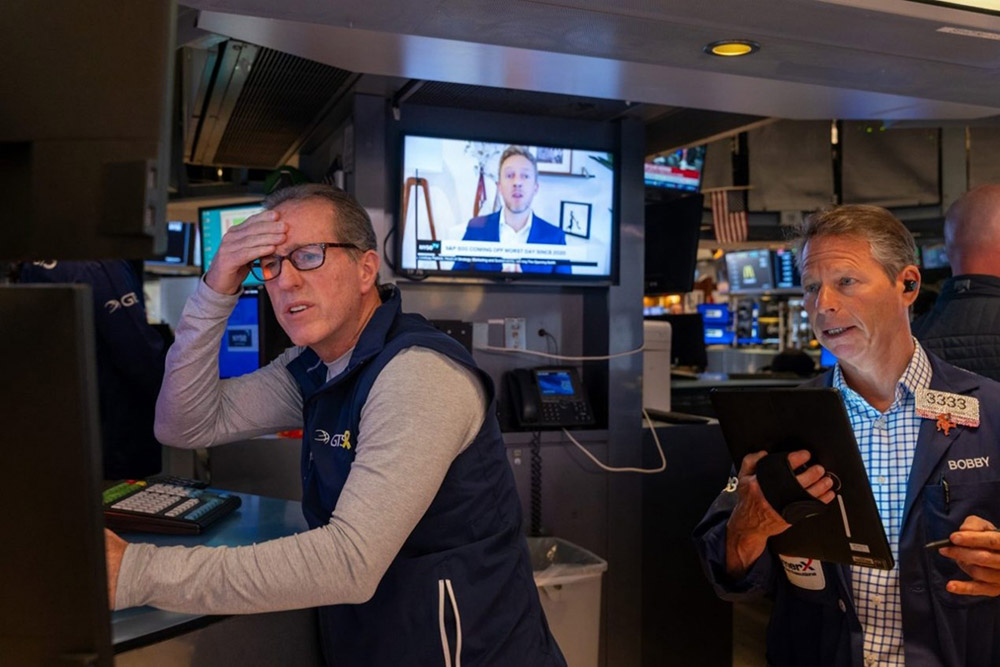
唐納德·特朗普在真相社交(Truth Social)平臺宣布暫停部分關稅,加上財政部長斯科特·貝森特向全球保證美國并未卷入貿易戰,樂觀情緒隨即重返股市。
盡管股市從本周的“大屠殺”中獲得短暫喘息,但未來90天仍籠罩著令人不寒而栗的不確定性。
海港資本(Harbor Capital)投資組合經理、前紐約聯儲(Federal Reserve Bank of New York)市場小組部門的成員杰克·舒爾邁爾表示:“每一位投資組合經理正在試圖判斷,當前的局勢能否為未來談判勾勒出清晰路徑。90天后,當前的局面可能會重演。”
上周,特朗普在白宮玫瑰園發表講話時宣布了一系列關稅措施,這些措施是他在競選期間就一直宣揚的主張。雖然投資者已對關稅及其對貿易政策的后續影響進行定價,但實際關稅規模遠超預期。在特朗普宣布關稅政策后數日,市場遭遇重挫。“經濟衰退”這個通常避之唯恐不及的詞匯成為討論焦點。摩根大通(JPMorgan Chase)指出,美國陷入衰退的概率急劇上升。摩根大通首席執行官杰米·戴蒙公開表示,關稅引發動蕩后,經濟衰退已成“可能結果”。特朗普稱戴蒙的言論影響了他周三暫停部分關稅的決定。
在特朗普宣布暫停關稅后,市場開啟逆勢反彈,納斯達克指數當日收漲12%,標普500指數漲幅超9%,但在后一個交易日仍未擺脫劇烈震蕩。
科羅拉多大學丹佛分校(University of Colorado Denver)摩根大通商品與能源管理中心執行主任邁克爾·奧蘭多對《財富》表示,關稅暫停在很大程度上緩解了持續影響股價的不確定性。但奧蘭多指出,周末更重要的變化是美國國債“在不確定時期不再是避風港,其本身已開始顯現風險屬性”。
奧蘭多補充道:“我認為這段關稅‘冷靜期’極大地緩解了市場對總統可能不理解貿易利得的擔憂。”
但核心問題仍未解決:接下來會發生什么?
“充足的掩護”
舒爾邁爾指出,首先要考慮的是關稅造成的損害是否會持續,以及普遍經濟不確定性的代價。他表示,所有圍繞資本支出和重大戰略舉措的規劃都被拋在一邊,因為確定性已不復存在。
這位投資組合經理指出,本周大公司與分析師的財報電話會議將釋放關鍵信號,尤其是首席執行官和首席財務官們計劃如何應對關稅及其他潛在干擾因素。
舒爾邁爾表示:“這為發布任何壞消息提供了充足掩護。所有利空消息都應在本季度公之于眾。”
他還表示,基金經理還將密切關注戴蒙等大銀行的領導者的言論,如他們如何評價客戶反應、并購活動前景及發放信貸的意愿等。目前討論潛在貸款損失還為時尚早,但其他話題將預示商業信心是否增強。
舒爾邁爾表示:“他們的任何表態都具有重要指導意義。”
中國進一步反制的影響
另一迫在眉睫的重大問題是中國。
未來數周,人們關注的焦點可能是中國進一步反制的影響。早在特朗普宣布將對華關稅升至125%之前,中國就誓言會“奉陪到底”。
First Eagle Investments的投資組合經理、前紐約聯儲全球經濟分析部副主任伊丹娜·阿皮奧表示,從中美關稅水平到全球兩大經濟體貿易關系破裂的可能性,當前形勢極其嚴峻。
阿皮奧指出,尚不清楚特朗普的最新舉措是否會促使中國走向關稅談判,或經濟緊張局勢是否會導致中國在地緣政治領域采取更強硬的對抗姿態。
她表示:“考慮到中美經濟摩擦的急劇升級顯然不利于全球經濟,這種態勢是否會外溢至地緣政治領域?是否會開始向其他領域擴張?我希望答案是否定的。”
經濟前景展望:“非常脆弱”
阿皮奧認為,拋開對華關系變數,美國經濟仍處于“非常脆弱的狀態”。
她雖將衰退納入預測中,但稱尚不確定是否應在此階段將其剔除,因為即便當前關稅規模小于特朗普在上周初宣布的水平,不確定性陰云仍未消散。此外,特朗普仍有進一步采取關稅措施的可能性,現階段幾乎沒有真正消除不確定性。
阿皮奧坦言:“我擔憂的是90天后我們又要重蹈覆轍。至少可以說,這就像坐過山車一樣。” (財富中文網)
譯者:劉進龍
審校:汪皓
唐納德·特朗普在真相社交(Truth Social)平臺宣布暫停部分關稅,加上財政部長斯科特·貝森特向全球保證美國并未卷入貿易戰,樂觀情緒隨即重返股市。
盡管股市從本周的“大屠殺”中獲得短暫喘息,但未來90天仍籠罩著令人不寒而栗的不確定性。
海港資本(Harbor Capital)投資組合經理、前紐約聯儲(Federal Reserve Bank of New York)市場小組部門的成員杰克·舒爾邁爾表示:“每一位投資組合經理正在試圖判斷,當前的局勢能否為未來談判勾勒出清晰路徑。90天后,當前的局面可能會重演。”
上周,特朗普在白宮玫瑰園發表講話時宣布了一系列關稅措施,這些措施是他在競選期間就一直宣揚的主張。雖然投資者已對關稅及其對貿易政策的后續影響進行定價,但實際關稅規模遠超預期。在特朗普宣布關稅政策后數日,市場遭遇重挫。“經濟衰退”這個通常避之唯恐不及的詞匯成為討論焦點。摩根大通(JPMorgan Chase)指出,美國陷入衰退的概率急劇上升。摩根大通首席執行官杰米·戴蒙公開表示,關稅引發動蕩后,經濟衰退已成“可能結果”。特朗普稱戴蒙的言論影響了他周三暫停部分關稅的決定。
在特朗普宣布暫停關稅后,市場開啟逆勢反彈,納斯達克指數當日收漲12%,標普500指數漲幅超9%,但在后一個交易日仍未擺脫劇烈震蕩。
科羅拉多大學丹佛分校(University of Colorado Denver)摩根大通商品與能源管理中心執行主任邁克爾·奧蘭多對《財富》表示,關稅暫停在很大程度上緩解了持續影響股價的不確定性。但奧蘭多指出,周末更重要的變化是美國國債“在不確定時期不再是避風港,其本身已開始顯現風險屬性”。
奧蘭多補充道:“我認為這段關稅‘冷靜期’極大地緩解了市場對總統可能不理解貿易利得的擔憂。”
但核心問題仍未解決:接下來會發生什么?
“充足的掩護”
舒爾邁爾指出,首先要考慮的是關稅造成的損害是否會持續,以及普遍經濟不確定性的代價。他表示,所有圍繞資本支出和重大戰略舉措的規劃都被拋在一邊,因為確定性已不復存在。
這位投資組合經理指出,本周大公司與分析師的財報電話會議將釋放關鍵信號,尤其是首席執行官和首席財務官們計劃如何應對關稅及其他潛在干擾因素。
舒爾邁爾表示:“這為發布任何壞消息提供了充足掩護。所有利空消息都應在本季度公之于眾。”
他還表示,基金經理還將密切關注戴蒙等大銀行的領導者的言論,如他們如何評價客戶反應、并購活動前景及發放信貸的意愿等。目前討論潛在貸款損失還為時尚早,但其他話題將預示商業信心是否增強。
舒爾邁爾表示:“他們的任何表態都具有重要指導意義。”
中國進一步反制的影響
另一迫在眉睫的重大問題是中國。
未來數周,人們關注的焦點可能是中國進一步反制的影響。早在特朗普宣布將對華關稅升至125%之前,中國就誓言會“奉陪到底”。
First Eagle Investments的投資組合經理、前紐約聯儲全球經濟分析部副主任伊丹娜·阿皮奧表示,從中美關稅水平到全球兩大經濟體貿易關系破裂的可能性,當前形勢極其嚴峻。
阿皮奧指出,尚不清楚特朗普的最新舉措是否會促使中國走向關稅談判,或經濟緊張局勢是否會導致中國在地緣政治領域采取更強硬的對抗姿態。
她表示:“考慮到中美經濟摩擦的急劇升級顯然不利于全球經濟,這種態勢是否會外溢至地緣政治領域?是否會開始向其他領域擴張?我希望答案是否定的。”
經濟前景展望:“非常脆弱”
阿皮奧認為,拋開對華關系變數,美國經濟仍處于“非常脆弱的狀態”。
她雖將衰退納入預測中,但稱尚不確定是否應在此階段將其剔除,因為即便當前關稅規模小于特朗普在上周初宣布的水平,不確定性陰云仍未消散。此外,特朗普仍有進一步采取關稅措施的可能性,現階段幾乎沒有真正消除不確定性。
阿皮奧坦言:“我擔憂的是90天后我們又要重蹈覆轍。至少可以說,這就像坐過山車一樣。” (財富中文網)
譯者:劉進龍
審校:汪皓
Stock markets erupted with a torrential surge of optimism following President Donald Trump’s post on Truth Social pausing some of his tariffs, and comments from Treasury Secretary Scott Bessent reassuring the world that the U.S. is not embroiled in a trade war.
Despite the brief respite from the carnage of the week, though, a chilling uncertainty looms over the next 90 days.
“Every portfolio manager is trying to figure out whether you can draw a straight line to future negotiations,’” said Jake Schurmeier, portfolio manager at Harbor Capital and a former member of the Federal Reserve Bank of New York’s Markets Group. “We get another 90 days before we have to do this song and dance again.”
To level set: President Trump announced a bevy of tariffs during a Rose Garden address last week that had been telegraphed since his campaign. Investors had priced in tariffs and the subsequent impact on trade policy, but the extent of the tariffs was greater than expected. Markets plummeted in the trading days after Trump’s announcement. The word “recession”—typically avoided at all costs—became a talking point, and the chances of the U.S. stumbling headlong into one rose, according to JPMorgan Chase, whose CEO Jamie Dimon announced publicly that a recession was a “likely outcome” after the tariff tumult. Trump said Dimon’s comments factored into his decision to issue the partial pause on Wednesday.
Following Trump’s announcement, markets staged a gravity-defying rally, with the Nasdaq ending the day up 12%, while the S&P 500 rose more than 9%.
Michael Orlando, executive director in the J.P. Morgan Center for Commodities and Energy Management at the University of Colorado Denver, told Fortune the tariff pause is a relief, mostly from uncertainty, which had continued to weigh on equity prices. But the bigger development, which emerged over the weekend, was that U.S. Treasuries “stopped looking like a safe harbor in a time of uncertainty and started looking like a risky bet, themselves,” Orlando said.
“I think this tariff ‘cooling off’ period did a lot to dispel concerns that maybe the President doesn’t understand the idea of gains from trade,” Orlando added.
But the question remains: What happens next?
‘Ample Air Cover’
First, there’s the consideration as to whether the damage from tariffs will be lasting, along with the cost of pervasive economic uncertainty, said Schurmeier. All the planning around capital expenditures and major strategic moves just got tossed out the window because there is no certainty, he said.
The portfolio manager noted there will be critical signs to look out for during earnings calls between major companies and analysts this week, particularly regarding how CEOs and CFOs plan to grapple with questions about tariffs—and anything else that might cause disruptions.
“This provides ample air cover to drop any bad news,” said Schurmeier. “Any bad news you have, get it out this quarter.”
Money managers will also be watching to see how big bank leaders, such as Dimon, talk about how their clients are responding, perspective on M&A activity, and guidance about their willingness to provide credit, Schurmeier added. Right now, it’s too early to talk about potential loan losses, but other topics will be indicative about whether there’s stronger business sentiment.
“Whatever they say will be pretty instructive,” said Schurmeier.
China: From 104% to 125%
The other major looming issue is China.
The next few weeks are likely to zero in on the impact of possible further retaliation after China pledged to “fight to end” even before Trump raised tariffs on the country to 125%. Trump countered with no pause on China tariffs, and instead hiked them because of China’s “lack of respect,” the president wrote on social media.
Idanna Appio, a portfolio manager at First Eagle Investments and former deputy head of the global economic analysis department at the Federal Reserve Bank of New York, said the situation with China is extremely serious, from tariff levels to the potential for a broken trading relationship between the world’s two largest economies.
It’s unclear if Trump’s latest move will push China toward negotiation on tariffs or if economic tensions will reach such a level that China becomes more confrontational in the geopolitical sphere, Appio said.
“Given the sharp escalation and the economic friction between the U.S. and China, which is obviously not good for the global economy, does that spillover to the geopolitical side?” she said. “If they feel they have nothing left to lose…does China start to push into other domains? I hope the answer to that is, ‘No.’”
Economic Outlook: ‘Very Tenuous’
Beyond what might happen with China, the U.S. economy remains in a “very tenuous place,” Appio said.
She put a recession into her forecast but Appio said she isn’t sure if she’s removing it at this stage because of looming uncertainty even if tariffs aren’t as large as those initially announced last week. Plus, there’s still room for further tariff action and few uncertainties have been truly eliminated at this stage.
“One fear I have is that we wind up repeating this whole exercise in 90 days,” said Appio. “It’s been a roller coaster ride, to say the least.”

請打開財富Plus APP