


四分之一的美國消費者用“先買后付”支付食品雜貨費用
Sasha Rogelberg
2025-04-30
越來越多美國民眾在購買生活必需品時使用“先買后付”服務,這一現象與人們對美國經濟衰退的擔憂加劇密切相關。
 文本設置
文本設置
 Plus(0條)

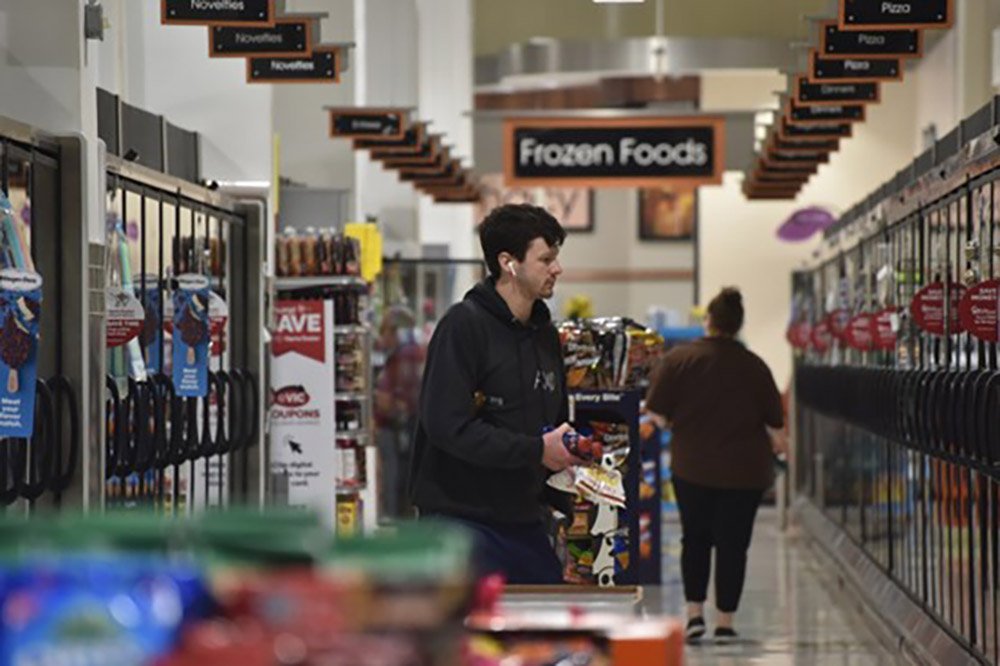
? 面對經濟不確定性帶來的壓力,消費者愈發傾向于借助融資手段購買食品雜貨等生活必需品。Lending Tree 4月開展的一項調查表明,今年美國使用該服務采購食品雜貨的人群占比攀升至25%,而2024年這一比例為14%。
越來越多美國民眾借助各類融資手段購買生活必需品,這是人們對經濟狀況擔憂加劇的最新跡象。據貸款市場平臺Lending Tree披露的數據,消費者使用“先買后付”(BNPL)服務購買食品雜貨的趨勢愈發顯著,且逾期還款的消費者數量也在不斷攀升。
根據Lending Tree 4月初對2000名美國成年人開展的一項調查,四分之一的購物者曾使用“先買后付”服務購買食品雜貨,而一年前這一比例為14%。
與此同時,41%的受訪者表示在過去一年中曾逾期還款,不過絕大多數人在一周或更短時間內便完成欠款清償。男性、年輕群體以及高收入借款人出現逾期還款的概率更高。
“先買后付”服務的熱度不斷攀升,這與關稅及利率不確定性引發的對經濟衰退的擔憂加劇相吻合。消費者信心持續走低,上周消費者信心指數從一個月前的57降至52.2。美聯社-芝加哥大學全國民意研究中心公共事務研究中心(Associated Press–NORC Center for Public Affairs Research)的一項民意調查顯示,約有一半的美國人“極其”或“非常”擔心未來數月內會出現經濟衰退。
Lending Tree首席消費者金融分析師馬特·舒爾茨(Matt Schulz)對《財富》雜志表示:“顯而易見,當人們在通貨膨脹及各類經濟不確定性的重壓下舉步維艱時,他們正尋求諸如‘先買后付’貸款之類的方式來拓寬預算空間。”
“先買后付”作為一種能讓用戶分期結清購物款項的服務,對于那些希望規避信用卡風險或不愿承擔貸款利息的消費者而言,已然成為頗具吸引力的選項。然而,這種便捷的借貸系統也可能誘發過度消費與債務累積,使得提供該服務的信貸公司得以趁機收取隱性滯納金。
這種支付策略最初在熱衷購置奢侈品的高收入群體中風靡,然而其熱度持續攀升,可能預示著人們在財務優先事項上的轉變。
舒爾茨表示:“‘先買后付’剛興起時,通常用于購買名牌手袋、電器等商品,如今人們開始將其用于購買食品雜貨、訂購外賣。”
“先買后付”服務需求日益增長
諸如Afterpay和Klarna這類“先買后付”服務已成功滲透消費市場,贏得消費者認可。上月,DoorDash宣布與Klarna建立合作關系,允許顧客延遲支付或分期支付餐食訂單費用。與此同時,貸款服務在大件商品消費領域熱度不減。《公告牌》(Billboard)發現,在科切拉音樂節普通門票購買者中,60%選擇分期付款,僅需先行支付49.99美元,便能購買原價599美元的門票。
“先買后付”服務風靡,可能表明人們對財務風險的接受程度在不斷提高,這一趨勢在年輕消費群體中尤為明顯。
Z世代經濟評論員凱拉·斯坎倫(Kyla Scanlon)上月在社交媒體上表示:“當下的經濟充斥著博彩色彩,迷因幣炒作、體育投注屢見不鮮。在美國,人們熱衷于這類刺激的‘危險游戲’,且參與過程毫無門檻,仿佛連著裝束縛都可拋諸腦后,便能輕松入局。”
與此同時,在經濟動蕩時期,消費者通常會盡量規避風險,然而“先買后付”服務的蓬勃興起卻表明消費者將其視為低風險選項。盡管這項服務無法助力購物者積累信用——而信用本可在未來對財務狀況有所幫助。舒爾茨預測,在當前的經濟背景下,預計此類貸款仍將熱度不減。
他表示:“在我看來,沒有任何緣由能讓人相信這股熱潮會偃旗息鼓,其受歡迎程度只會與日俱增。”(財富中文網)
譯者:中慧言-王芳
? 面對經濟不確定性帶來的壓力,消費者愈發傾向于借助融資手段購買食品雜貨等生活必需品。Lending Tree 4月開展的一項調查表明,今年美國使用該服務采購食品雜貨的人群占比攀升至25%,而2024年這一比例為14%。
越來越多美國民眾借助各類融資手段購買生活必需品,這是人們對經濟狀況擔憂加劇的最新跡象。據貸款市場平臺Lending Tree披露的數據,消費者使用“先買后付”(BNPL)服務購買食品雜貨的趨勢愈發顯著,且逾期還款的消費者數量也在不斷攀升。
根據Lending Tree 4月初對2000名美國成年人開展的一項調查,四分之一的購物者曾使用“先買后付”服務購買食品雜貨,而一年前這一比例為14%。
與此同時,41%的受訪者表示在過去一年中曾逾期還款,不過絕大多數人在一周或更短時間內便完成欠款清償。男性、年輕群體以及高收入借款人出現逾期還款的概率更高。
“先買后付”服務的熱度不斷攀升,這與關稅及利率不確定性引發的對經濟衰退的擔憂加劇相吻合。消費者信心持續走低,上周消費者信心指數從一個月前的57降至52.2。美聯社-芝加哥大學全國民意研究中心公共事務研究中心(Associated Press–NORC Center for Public Affairs Research)的一項民意調查顯示,約有一半的美國人“極其”或“非常”擔心未來數月內會出現經濟衰退。
Lending Tree首席消費者金融分析師馬特·舒爾茨(Matt Schulz)對《財富》雜志表示:“顯而易見,當人們在通貨膨脹及各類經濟不確定性的重壓下舉步維艱時,他們正尋求諸如‘先買后付’貸款之類的方式來拓寬預算空間。”
“先買后付”作為一種能讓用戶分期結清購物款項的服務,對于那些希望規避信用卡風險或不愿承擔貸款利息的消費者而言,已然成為頗具吸引力的選項。然而,這種便捷的借貸系統也可能誘發過度消費與債務累積,使得提供該服務的信貸公司得以趁機收取隱性滯納金。
這種支付策略最初在熱衷購置奢侈品的高收入群體中風靡,然而其熱度持續攀升,可能預示著人們在財務優先事項上的轉變。
舒爾茨表示:“‘先買后付’剛興起時,通常用于購買名牌手袋、電器等商品,如今人們開始將其用于購買食品雜貨、訂購外賣。”
“先買后付”服務需求日益增長
諸如Afterpay和Klarna這類“先買后付”服務已成功滲透消費市場,贏得消費者認可。上月,DoorDash宣布與Klarna建立合作關系,允許顧客延遲支付或分期支付餐食訂單費用。與此同時,貸款服務在大件商品消費領域熱度不減。《公告牌》(Billboard)發現,在科切拉音樂節普通門票購買者中,60%選擇分期付款,僅需先行支付49.99美元,便能購買原價599美元的門票。
“先買后付”服務風靡,可能表明人們對財務風險的接受程度在不斷提高,這一趨勢在年輕消費群體中尤為明顯。
Z世代經濟評論員凱拉·斯坎倫(Kyla Scanlon)上月在社交媒體上表示:“當下的經濟充斥著博彩色彩,迷因幣炒作、體育投注屢見不鮮。在美國,人們熱衷于這類刺激的‘危險游戲’,且參與過程毫無門檻,仿佛連著裝束縛都可拋諸腦后,便能輕松入局。”
與此同時,在經濟動蕩時期,消費者通常會盡量規避風險,然而“先買后付”服務的蓬勃興起卻表明消費者將其視為低風險選項。盡管這項服務無法助力購物者積累信用——而信用本可在未來對財務狀況有所幫助。舒爾茨預測,在當前的經濟背景下,預計此類貸款仍將熱度不減。
他表示:“在我看來,沒有任何緣由能讓人相信這股熱潮會偃旗息鼓,其受歡迎程度只會與日俱增。”(財富中文網)
譯者:中慧言-王芳
? Consumers are feeling the squeeze from economic uncertainty and are turning more to financing essential purchases like groceries. An April survey from Lending Tree shows an increase in Americans using buy-now, pay-later services for groceries—25% this year compared to 14% in 2024.
More Americans are taking advantage of financing options for essential purchases, the latest sign of mounting concern over the health of the economy. Consumers have increasingly turned to buy-now, pay-later (BNPL) services for groceries, according to data released by lending marketplace Lending Tree—and more of those shoppers are paying back those loans late.
One-quarter of shoppers have used BNPL for groceries, up from 14% who used the service a year ago, according to a Lending Tree survey of 2,000 American adults conducted in early April.
Meanwhile, 41% of respondents said they’ve paid back their loan late over the past year, though the vast majority have paid back the money in a week or less. Men, young people, and higher-income borrowers were more likely to make late payments.
The increase in popularity of BNPL has coincided with growing fear of a recession as a result of uncertainty around tariffs and interest rates. Consumer sentiment has continued to weaken, with the index falling to 52.2 last week from 57 a month prior. A poll by the Associated Press–NORC Center for Public Affairs Research found about half of Americans are “extremely” or “very” concerned about the possibility of a recession occurring in the next few months.
“It’s pretty clear that as people struggle with inflation and other kinds of economic uncertainty, people are looking to things like BNPL loans to help them extend their budget,” Matt Schulz, Lending Tree chief consumer finance analyst, told Fortune.
BNPL—a service that allows users to pay back a purchase in incremental chunks—has become an appealing option for consumers interested in avoiding the risks associated with a credit card or paying interest on a loan. However, the frictionless money-borrowing system may also lead to overspending and debt-stacking, allowing the credit companies offering the service to jump on hidden late fees.
The payment strategy made inroads among high earners seeking out luxury products, but its growing popularity may signal a shift in people’s financial priorities.
“When buy-now, pay-later started, it was typically about designer handbags and appliances and things like that,” Schulz said. “But now people are looking at it for things like groceries and food delivery.”
Growing appetite for BNPL
BNPL services offered by apps like Afterpay and Klarna have already found new footholds with consumers. DoorDash last month announced a partnership with Klarna to allow customers to delay or split up payments on food orders. All the while, the loan service is still popular for big-ticket purchases. Billboard found 60% of general admission ticket holders for music festival Coachella used a payment plan for the event. Festivalgoers could pay as little as $49.99 upfront for the event’s $599 price tag.
The ubiquity of BNPL may indicate a growing comfort with financial risks, especially among younger spenders.
“We have a gambling economy,” Gen Z economic commentator Kyla Scanlon said on social media last month. “We have memecoin, sports betting. We love a good vice in the United States, and we can do it completely frictionless. Like, we don’t even have to put on pants.”
At the same time, consumers generally try to avoid risk in times of economic uncertainty, and the rise of BNPL opportunities signals that consumers interpret the service as less risky, despite it not helping shoppers build credit that could help them down the line financially. With the current economic backdrop, expect these loans to remain popular, Schulz predicted.
“I don’t think there’s any reason to believe that this is going to do anything but increase,” he said.

請打開財富Plus APP