


石油行業陷入停滯,但這家巨頭CEO不建議過快減產
Jordan Blum
2025-05-13
瑞安·蘭斯:“目前應克制過激行動。”
 文本設置
文本設置
 Plus(0條)

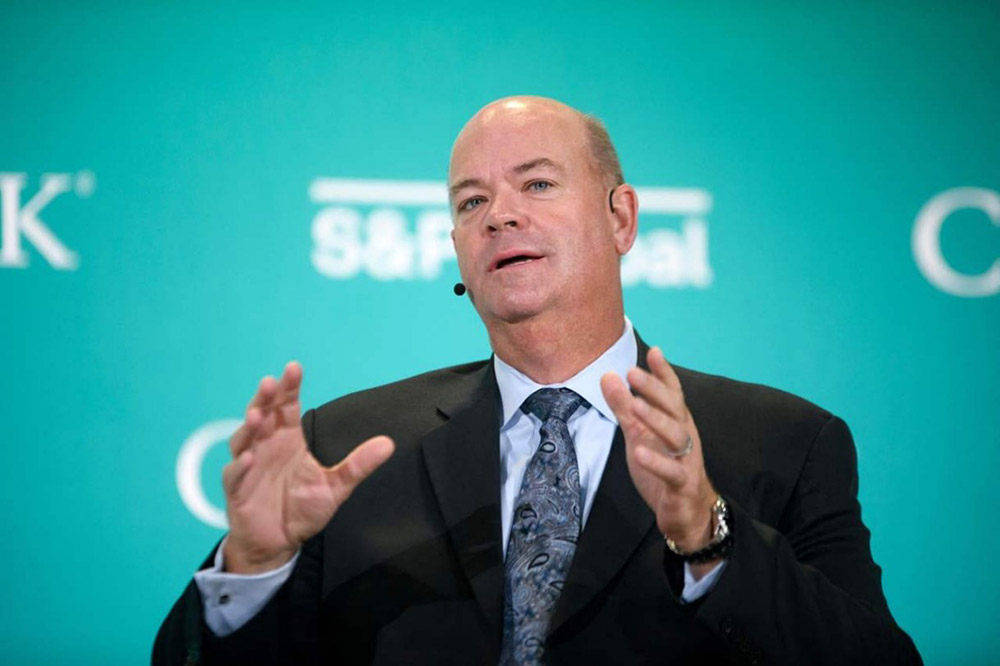
在關稅壓力與原油價格低迷的雙重挑戰下,康菲石油公司與其他美國石油生產商正著手削減成本。不過,現階段他們僅采取適度的成本削減策略,以此維系運營靈活性,同時避免流失大量經驗豐富的鉆井及水力壓裂作業人員。
美國最大的獨立油氣生產商康菲石油公司5月8日表示,將2025年資本支出削減3.5%,降至124.5億美元的中點指導值,即縮減4.5億美元。這與本周公布財報的其他主要石油生產商將資本支出削減2.5%到10%不等的做法不謀而合。
關稅壁壘疊加石油輸出國組織(OPEC)增產導致油價下跌,實際上已使石油行業陷入停滯,這與整體經濟形勢如出一轍。通常情況下,油價會跟隨經濟信號波動,原因是全球購買力減弱意味著出行減少,從而導致石油及燃料需求下降。
石油公司的首席執行官們幾乎一致表示,由于存在諸多不確定性,他們希望保留在油價回升時重啟鉆井作業的能力;若油價持續低迷,他們則計劃等到今年下半年再進一步削減開支。
康菲石油公司董事長兼首席執行官瑞安·蘭斯(Ryan Lance)在財報電話會議上表示:“當前油價底部位置與筑底周期均難以預判。我們正著眼長遠,打一場持久戰。”
5月8日,美國基準油價略低于每桶60美元的關鍵閾值。蘭斯認為,油價處于這一水平并不足以促使公司采取重大調整舉措。通常情況下,企業將每桶65美元視為相對健康的油價標準,而當油價低于每桶60美元時,便會著手削減開支。
蘭斯說:“目前應克制過激行動。既不能反應過激,也不應逃避現實。”
康菲石油公司在去年11月完成了對馬拉松石油公司(Marathon Oil)高達225億美元的巨額收購,除了適度削減開支外,其當前計劃基本保持不變。這包括盡管資本支出和運營支出有所壓縮,但仍維持此前設定的石油產量目標。
康菲石油公司的削減措施主要集中在推遲部分業務的臨時支出,這些業務不會對2025年的油氣產量造成影響。他表示,若未來數月油價進一步下跌,康菲石油公司和其他公司可能會進一步削減支出并縮減業務活動規模。
其他企業也紛紛采取行動:阿帕奇公司(Apache)計劃將資本支出縮減6%,并持續出售非核心資產;戴文能源公司(Devon Energy)計劃將資本支出縮減2.6%;二疊紀資源公司(Permian Resources)計劃將資本支出縮減2.5%;響尾蛇能源公司(Diamondback Energy)宣布大幅削減10%的資本支出。
剛完成對Double Eagle和Endeavor Energy Resources收購(兩筆重大收購)的響尾蛇能源公司還聲稱,整個行業的資本支出收縮表明“美國陸上石油產量或已觸頂,并將在本季度開啟下行通道”。
生機跡象
這種潛在的峰值以及持續存在的經濟和關稅不確定性在很大程度上使整個行業陷入停滯,各公司都在觀望事態的發展。這在很大程度上意味著潛在并購以及其他關鍵戰略決策均被推遲了。
不過,行業迎來新動態:自4月初特朗普總統加征關稅以來,石油領域出現首筆超5億美元的重大收購。但此次交易屬于油氣田資產范疇,并非企業并購。
二疊紀資源公司表示,將以6.08億美元收購阿帕奇公司位于新墨西哥州二疊紀盆地特拉華北部區域超1.3萬英畝(約合52.6平方千米)凈面積油氣資產。
二疊紀資源公司聯合首席執行官威爾·希基(Will Hickey)在5月8日的財報電話會議上表示:“我們制定的戰略是在任何市場環境下都主動出擊。”
希基補充道:“新納入的資產從交易完成首日起,便展現出資本吸引力。”
同樣,去年秋天,二疊紀資源公司斥資8.2億美元,完成對西方石油公司位于得克薩斯州特拉華南部資產的收購。在這兩筆交易中,阿帕奇公司和西方石油公司所售地塊均屬其二疊紀盆地核心業務范圍之外的“非核心”資產。另一方面,二疊紀資源公司專注于二疊紀盆地西部的特拉華地區業務。
Enverus Intelligence Research公司首席分析師安德魯·迪特馬(Andrew Dittmar)表示,這筆規模相對較小的交易契合雙方戰略需求,但它只是個例,并不足以預示交易和業務將回歸常態。
他分析稱,阿帕奇公司有意出售部分資產,而二疊紀資源公司則致力于擴張,尤其是在折價交易的情況下。
他解釋道,通常情況下,企業若非必要都不愿出售優質鉆井資源,潛在買家也不愿在經濟低迷時期背負過多債務,導致并購市場持續承壓。
迪特馬說:“每家公司都力求在經濟下行周期中找準自身定位。”(財富中文網)
譯者:中慧言-王芳
在關稅壓力與原油價格低迷的雙重挑戰下,康菲石油公司與其他美國石油生產商正著手削減成本。不過,現階段他們僅采取適度的成本削減策略,以此維系運營靈活性,同時避免流失大量經驗豐富的鉆井及水力壓裂作業人員。
美國最大的獨立油氣生產商康菲石油公司5月8日表示,將2025年資本支出削減3.5%,降至124.5億美元的中點指導值,即縮減4.5億美元。這與本周公布財報的其他主要石油生產商將資本支出削減2.5%到10%不等的做法不謀而合。
關稅壁壘疊加石油輸出國組織(OPEC)增產導致油價下跌,實際上已使石油行業陷入停滯,這與整體經濟形勢如出一轍。通常情況下,油價會跟隨經濟信號波動,原因是全球購買力減弱意味著出行減少,從而導致石油及燃料需求下降。
石油公司的首席執行官們幾乎一致表示,由于存在諸多不確定性,他們希望保留在油價回升時重啟鉆井作業的能力;若油價持續低迷,他們則計劃等到今年下半年再進一步削減開支。
康菲石油公司董事長兼首席執行官瑞安·蘭斯(Ryan Lance)在財報電話會議上表示:“當前油價底部位置與筑底周期均難以預判。我們正著眼長遠,打一場持久戰。”
5月8日,美國基準油價略低于每桶60美元的關鍵閾值。蘭斯認為,油價處于這一水平并不足以促使公司采取重大調整舉措。通常情況下,企業將每桶65美元視為相對健康的油價標準,而當油價低于每桶60美元時,便會著手削減開支。
蘭斯說:“目前應克制過激行動。既不能反應過激,也不應逃避現實。”
康菲石油公司在去年11月完成了對馬拉松石油公司(Marathon Oil)高達225億美元的巨額收購,除了適度削減開支外,其當前計劃基本保持不變。這包括盡管資本支出和運營支出有所壓縮,但仍維持此前設定的石油產量目標。
康菲石油公司的削減措施主要集中在推遲部分業務的臨時支出,這些業務不會對2025年的油氣產量造成影響。他表示,若未來數月油價進一步下跌,康菲石油公司和其他公司可能會進一步削減支出并縮減業務活動規模。
其他企業也紛紛采取行動:阿帕奇公司(Apache)計劃將資本支出縮減6%,并持續出售非核心資產;戴文能源公司(Devon Energy)計劃將資本支出縮減2.6%;二疊紀資源公司(Permian Resources)計劃將資本支出縮減2.5%;響尾蛇能源公司(Diamondback Energy)宣布大幅削減10%的資本支出。
剛完成對Double Eagle和Endeavor Energy Resources收購(兩筆重大收購)的響尾蛇能源公司還聲稱,整個行業的資本支出收縮表明“美國陸上石油產量或已觸頂,并將在本季度開啟下行通道”。
生機跡象
這種潛在的峰值以及持續存在的經濟和關稅不確定性在很大程度上使整個行業陷入停滯,各公司都在觀望事態的發展。這在很大程度上意味著潛在并購以及其他關鍵戰略決策均被推遲了。
不過,行業迎來新動態:自4月初特朗普總統加征關稅以來,石油領域出現首筆超5億美元的重大收購。但此次交易屬于油氣田資產范疇,并非企業并購。
二疊紀資源公司表示,將以6.08億美元收購阿帕奇公司位于新墨西哥州二疊紀盆地特拉華北部區域超1.3萬英畝(約合52.6平方千米)凈面積油氣資產。
二疊紀資源公司聯合首席執行官威爾·希基(Will Hickey)在5月8日的財報電話會議上表示:“我們制定的戰略是在任何市場環境下都主動出擊。”
希基補充道:“新納入的資產從交易完成首日起,便展現出資本吸引力。”
同樣,去年秋天,二疊紀資源公司斥資8.2億美元,完成對西方石油公司位于得克薩斯州特拉華南部資產的收購。在這兩筆交易中,阿帕奇公司和西方石油公司所售地塊均屬其二疊紀盆地核心業務范圍之外的“非核心”資產。另一方面,二疊紀資源公司專注于二疊紀盆地西部的特拉華地區業務。
Enverus Intelligence Research公司首席分析師安德魯·迪特馬(Andrew Dittmar)表示,這筆規模相對較小的交易契合雙方戰略需求,但它只是個例,并不足以預示交易和業務將回歸常態。
他分析稱,阿帕奇公司有意出售部分資產,而二疊紀資源公司則致力于擴張,尤其是在折價交易的情況下。
他解釋道,通常情況下,企業若非必要都不愿出售優質鉆井資源,潛在買家也不愿在經濟低迷時期背負過多債務,導致并購市場持續承壓。
迪特馬說:“每家公司都力求在經濟下行周期中找準自身定位。”(財富中文網)
譯者:中慧言-王芳
ConocoPhillips and other U.S. oil producers are cutting back costs amid tariff woes and weak crude prices, but they’re only making modest reductions for now to maintain flexibility and to avoid losing too many of their experienced drilling and fracking crews.
ConocoPhillips, the largest independent oil and gas producer in the U.S., said May 8 it would cut its 2025 capital expenditures by 3.5% down to a midpoint guidance of $12.45 billion—a reduction of $450 million. That meshes with other key oil producers reporting their earnings this week that cut capex anywhere from 2.5% to 10%.
The tariffs, along with lower oil prices from OPEC ramping up production, have essentially put a freeze on the oil industry that resembles the broader economy. Typically, oil prices follow economic signals because weaker global buying power means less travel and, therefore, less oil and fuel demand.
The oil CEOs are almost uniformly saying—because there is so much uncertainty—that they want to keep the ability to ramp drilling activity back up if prices recover and to wait until the back half of the year to make further cuts if the slump continues.
“The ultimate depth and duration of this current price environment remains unclear,” said ConocoPhillips chairman and CEO Ryan Lance in the earnings call. “We are playing the long game.”
While the U.S. benchmark for oil prices was sitting just below the notable $60 per barrel threshold on May 8, Lance argued that $60 doesn’t warrant big changes. Generally, companies consider anything above $65 relatively healthy, but they scale back below $60.
“Don’t whipsaw this thing too hard right now,” Lance said. “Don’t overreact, but don’t put your head in the sand either.”
ConocoPhillips, which closed the massive, $22.5 billion acquisition of Marathon Oil in November, is maintaining its current plans apart from the moderate spending cuts. That includes keeping its previous oil production guidance intact despite lower capex and operational spending.
Conoco’s cuts are focused on temporary spending deferrals on aspects of the business that do not impact oil and gas production in 2025. If oil prices drop further in the coming months, Conoco and others likely would make further reductions in spending and activity, he said.
Elsewhere, Apache said it is cutting capex by 6% and continuing to sell non-core assets; Devon Energy sliced capex by 2.6%; Permian Resources by 2.5%; and Diamondback Energy announced a larger 10% reduction.
Diamondback, which is coming off big acquisitions of Double Eagle and Endeavor Energy Resources, also contended that the overall industry cutbacks indicate “it is likely that U.S. onshore oil production has peaked and will begin to decline this quarter.”
Proof of life
That potential peak and the ongoing economic and tariff uncertainty has largely held the industry to a standstill as companies wait to see how things unfold. That has largely meant delays of potential mergers and acquisitions, as well as any other key strategic decisions.
One new development though is the first notable acquisition above $500 million announced in the oil industry since President Trump’s tariffs in early April. However, it’s an acreage deal and not a corporate acquisition.
Permian Resources said it would acquire more than 13,000 net acres in the Permian Basin’s northern Delaware lobe in New Mexico for $608 million from Apache.
“We build a strategy of trying to play offense in any environment,” said Permian Resources co-CEO Will Hickey during the May 8 earnings call.
“This newly acquired inventory competes for capital from day one,” Hickey added.
Similarly, Permian Resources paid $820 million last fall for acreage in the southern Delaware in Texas from Occidental Petroleum. In both cases, Apache and Oxy were selling acreage considered “non-core” to their primary Permian Basin positions. On the other hand, Permian Resources focuses exclusively on the Delaware portion in the western Permian.
Andrew Dittmar, principal analyst for Enverus Intelligence Research, said this relatively smaller deal makes sense for both companies, but it’s more of an outlier and does not represent any return to dealmaking and business as usual.
Apache was looking to sell some acreage, while Permian Resources is dedicated to growth, especially at a discount, Dittmar said.
In general, companies don’t want to sell valuable drilling inventory unless they need to, and potential buyers don’t want to add much debt in a weaker environment, he said. That makes mergers and acquisitions much harder to come by.
“Every company wants to position themselves well going into the downturn,” Dittmar said.

請打開財富Plus APP