


兩大秘訣成就這家巧克力小企業的商業傳奇
Emma Burleigh
2025-05-19
低成本策略正推動Tony’s Chocolonely公司邁向新高度。
 文本設置
文本設置
 Plus(0條)

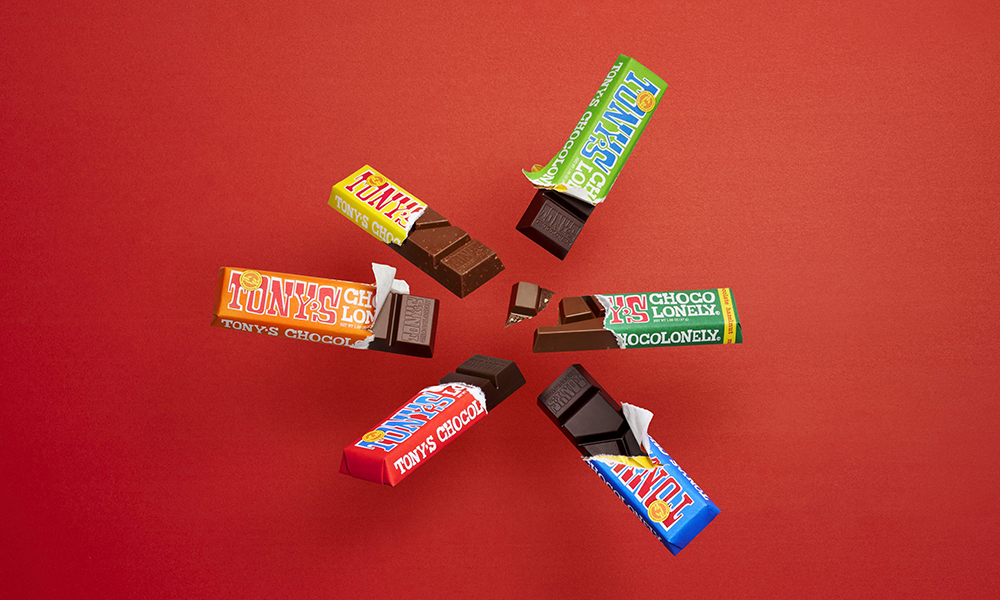
? 去年小型巧克力巨頭Tony’s Chocolonely收入達2.3億美元,背后是兩大商業策略:依托網紅開展非傳統廣告營銷,堅持公平透明的品牌使命。這一營銷策略贏得了注重價值的年輕消費者青睞,低成本策略正推動公司邁向新高度。
幾十年來,美國家庭的食品柜里總少不了Ghirardelli和Lindt等糖果品牌,如今這一賽道迎來了新玩家。
Tony’s Chocolonely是巧克力行業的小品牌,2005年進入荷蘭市場,20年后成功征服了美國消費者。在與Ben & Jerry’s、ALDI和Feastables等品牌的合作推動下,去年該公司收入達2億歐元(約合2.3億美元)。這家巧克力小公司成功的背后,是兩大營銷策略。
過去20年,Tony’s的經營理念始終如一:追求極致透明的供應鏈,打造美味、可持續且公平的巧克力。在Z世代和千禧一代等注重價值的消費者主導的市場中,這一策略大獲成功。還有個秘訣是指向精準的廣告策略。近年來,該公司放棄傳統營銷手段,開始跟社交媒體網紅合作打造爆款。
研究其成功經驗,可向其他小企業提供一些增長的思路。
依托網紅打造爆款活動
走進Whole Foods、沃爾瑪(Walmart)或塔吉特(Target)的糖果貨架,總會看到色彩繽紛的巧克力。在單調的米色零食貨架上,Tony’s包裝獨樹一幟,如今更在互聯網上引發熱潮。
盡管成立已有20年,Tony’s近年才真正開始投放廣告。見識了TikTok和Instagram社交媒體上爆款的威力后,公司逐漸發現利用借勢推廣產品的潛力。該品牌找準了一個熱點,有人發布了意式咖啡澆在巧克力上,然后巧克力緩緩融化的治愈視頻,隨后爆火了一把。
“我們大概兩三年前才開始做廣告。之前一直不喜歡在媒體上宣傳,”Tony’s美國市場負責人艾達莉·索薩·沃克對《財富》雜志說,“發現這一巧克力相關熱點后,我們開始加大跟網紅合作,寄送更多產品,之后又發現了更多能利用的熱點。”
Tony’s獨特的營銷策略不僅成本低廉,跟廣告牌和電視廣告相比還更加自然。2022年進駐沃爾瑪貨架后,公司預算變得充足,開始全力跟內容創作者合作營銷。事實證明這一策略非常成功,因為借助網紅推廣能建立情感聯系,Z世代等數字原住民與喜歡的網紅建立了準社交關系。看到喜愛的創作者推廣Tony’s,消費者跟品牌的聯系也會加深。
“確實提升了情感體驗。”沃克說,“人們會覺得,‘吃這塊巧克力時,它只屬于自己,是我的享受。這是我的獨處時光。’我們發現,隨著類似消費體驗增加……強調片刻寧靜的感覺越發重要。”
堅守透明和公平的價值觀
如今,很多行業品牌都在努力向具有社會意識的年輕消費者宣傳道德理念。Tony’s從一開始就采用了這一策略。
“人們需要使命驅動的品牌,追求更優質的產品,不管是品質更佳還是成分更健康,”Tony’s北美負責人杜桑?武約維奇對《財富》雜志說,“這是很自然的趨勢,Tony’s正好契合。我們的消費者是零售商爭相吸引回實體店的年輕高收入群體。大家都在搶這些消費者。”
Tony’s Chocolonely從創立之初就與眾不同,在充斥著不公平和不誠信的可可行業中一直標榜公平。該公司反對西非巧克力生產中的強迫勞動和剝削現象,甚至故意將巧克力塊做成不規則形狀以影射行業不公。
公司發起的“Tony’s開放供應鏈”倡議還聯合志同道合的企業,共同監督可可采購鏈。該倡議通過確保工人生活工資,與農民長期合作,追蹤可可來源等措施,“努力結束結構性貧困,建立更公平的關系”。目前與Tony’s合作的知名品牌包括Ben & Jerry's、ALDI、Feastables和Waitrose等。(財富中文網)
譯者:夏林
? 去年小型巧克力巨頭Tony’s Chocolonely收入達2.3億美元,背后是兩大商業策略:依托網紅開展非傳統廣告營銷,堅持公平透明的品牌使命。這一營銷策略贏得了注重價值的年輕消費者青睞,低成本策略正推動公司邁向新高度。
幾十年來,美國家庭的食品柜里總少不了Ghirardelli和Lindt等糖果品牌,如今這一賽道迎來了新玩家。
Tony’s Chocolonely是巧克力行業的小品牌,2005年進入荷蘭市場,20年后成功征服了美國消費者。在與Ben & Jerry’s、ALDI和Feastables等品牌的合作推動下,去年該公司收入達2億歐元(約合2.3億美元)。這家巧克力小公司成功的背后,是兩大營銷策略。
過去20年,Tony’s的經營理念始終如一:追求極致透明的供應鏈,打造美味、可持續且公平的巧克力。在Z世代和千禧一代等注重價值的消費者主導的市場中,這一策略大獲成功。還有個秘訣是指向精準的廣告策略。近年來,該公司放棄傳統營銷手段,開始跟社交媒體網紅合作打造爆款。
研究其成功經驗,可向其他小企業提供一些增長的思路。
依托網紅打造爆款活動
走進Whole Foods、沃爾瑪(Walmart)或塔吉特(Target)的糖果貨架,總會看到色彩繽紛的巧克力。在單調的米色零食貨架上,Tony’s包裝獨樹一幟,如今更在互聯網上引發熱潮。
盡管成立已有20年,Tony’s近年才真正開始投放廣告。見識了TikTok和Instagram社交媒體上爆款的威力后,公司逐漸發現利用借勢推廣產品的潛力。該品牌找準了一個熱點,有人發布了意式咖啡澆在巧克力上,然后巧克力緩緩融化的治愈視頻,隨后爆火了一把。
“我們大概兩三年前才開始做廣告。之前一直不喜歡在媒體上宣傳,”Tony’s美國市場負責人艾達莉·索薩·沃克對《財富》雜志說,“發現這一巧克力相關熱點后,我們開始加大跟網紅合作,寄送更多產品,之后又發現了更多能利用的熱點。”
Tony’s獨特的營銷策略不僅成本低廉,跟廣告牌和電視廣告相比還更加自然。2022年進駐沃爾瑪貨架后,公司預算變得充足,開始全力跟內容創作者合作營銷。事實證明這一策略非常成功,因為借助網紅推廣能建立情感聯系,Z世代等數字原住民與喜歡的網紅建立了準社交關系。看到喜愛的創作者推廣Tony’s,消費者跟品牌的聯系也會加深。
“確實提升了情感體驗。”沃克說,“人們會覺得,‘吃這塊巧克力時,它只屬于自己,是我的享受。這是我的獨處時光。’我們發現,隨著類似消費體驗增加……強調片刻寧靜的感覺越發重要。”
堅守透明和公平的價值觀
如今,很多行業品牌都在努力向具有社會意識的年輕消費者宣傳道德理念。Tony’s從一開始就采用了這一策略。
“人們需要使命驅動的品牌,追求更優質的產品,不管是品質更佳還是成分更健康,”Tony’s北美負責人杜桑?武約維奇對《財富》雜志說,“這是很自然的趨勢,Tony’s正好契合。我們的消費者是零售商爭相吸引回實體店的年輕高收入群體。大家都在搶這些消費者。”
Tony’s Chocolonely從創立之初就與眾不同,在充斥著不公平和不誠信的可可行業中一直標榜公平。該公司反對西非巧克力生產中的強迫勞動和剝削現象,甚至故意將巧克力塊做成不規則形狀以影射行業不公。
公司發起的“Tony’s開放供應鏈”倡議還聯合志同道合的企業,共同監督可可采購鏈。該倡議通過確保工人生活工資,與農民長期合作,追蹤可可來源等措施,“努力結束結構性貧困,建立更公平的關系”。目前與Tony’s合作的知名品牌包括Ben & Jerry's、ALDI、Feastables和Waitrose等。(財富中文網)
譯者:夏林
? Small chocolate titan Tony’s Chocolonely raked in $230 million last year thanks to two business strategies: leaning on non-traditional advertising through influencers, and sticking behind its mission of equity and transparency. Its marketing strategy has wooed young, value-driven consumers—and it’s a low-cost strategy propelling them to new heights.
Confectionary favorites like Ghirardelli and Lindt have stocked American pantries for decades—but a newcomer has entered the ring.
Tony’s Chocolonely is a small chocolate brand that hit Netherlands markets in 2005—and two decades later, U.S. shoppers are craving a bite. The business raked in €200 million (~$230 million) in revenue last year, bolstered by its partnerships with Ben & Jerry’s, ALDI, and Feastables. The chocolatier rose to cult-classic stardom by leaning on two marketing tactics.
Tony’s stuck to a consistent business philosophy over the past twenty years: creating delectable, sustainable, and equitable chocolate with the utmost sourcing transparency. In a market filled with value-conscious shoppers like Gen Z and millennials, the strategy proved to be a huge win in the larger picture. Tony’s also soared to success with its hyper-specific advertising strategy. Forgoing traditional marketing until recently, the small chocolate business now partners with social media influencers to create viral sensations.
Studying its playbook for success could teach other small businesses how to grow.
Leaning on influencers to drum up viral campaigns
Stroll down the candy aisles of Whole Foods, Walmart, and Target, and you’re sure to pass by colorful chocolate bars with whimsical branding. Tony’s stands out on a monotone shelf of beige treats—and now it’s attracting attention across the internet.
Despite being around for two decades, Tony’s didn’t actually advertise its products until recently. Witnessing the power of viral social media moments on TikTok and Instagram, the brand recognized the potential of advertising through these trends. It recognized the perfect fad—satisfying videos of people pouring espresso over chocolate bars, slowly melting the bar into their mug before the coffee spills over—and capitalized on the moment.
“We only started advertising two, three years ago. Before that, we were very anti-media,” Aidaly Sosa Walker, head of U.S. marketing for Tony’s, told Fortune. “We saw that trend, which was using chocolate. So then we started working closer with this influencer sending more products. We then identified multiple trends that we could tap into.”
Tony’s unique marketing strategy is low-cost, and comes across as more organic compared to billboards and TV commercials. Once the brand made it to Walmart shelves in 2022, the company had the budget to go all-in on partnering with content creators for marketing. This has proved to be incredibly successful, as the business could tap into an emotional bond; young, digital natives like Gen Z form parasocial relationships with their favorite influencers. When the creators they watch and love promote Tony’s, it fosters a deeper bond with consumers.
“It’s really adding to that emotional experience,” Walker said. “People feel like, ‘Okay, when I have this chocolate, it’s for me, it’s my treat. It’s the moment to myself.’ We see there’s an increase in consumer experience with that…having a moment of sanity has become more important.”
Sticking true to its values of transparency and equity
Brands across many industries are now trying to promote their ethics to young, socially-conscious consumers. But Tony’s has embraced that strategy from the start.
“People want mission-driven brands. They want premium, and they want better for you—either better or healthier ingredients,” Dusan Vujovic, head of North America for Tony’s, told Fortune. “This is a natural trend that Tony’s fits into. Our consumers are younger, higher-income consumers that retailers really want to get back into the stores. They all fight for that type of consumer.”
Tony’s Chocolonely set itself apart from the pack early on—it promotes itself as a fair cocoa producer in an industry riddled with inequity and dishonesty. The business has stood against forced labor and exploitation in West Africa’s chocolate production, even dividing up its candy bars in unequal pieces to represent the injustice in the system.
The small business’ initiative, “Tony’s Open Chain,” also brings like-minded companies together to interrogate where they source their cocoa. The pledge “seeks to end structural poverty and establish more equitable relationships” by adjusting worker wages to a livable standard, promoting long-term commitments to ensure stability for farmers, and tracing where the cocoa comes from. Notable partners of Tony’s Open Chain include Ben & Jerry’s, ALDI, Feastables, and Waitrose.

請打開財富Plus APP