


全球芯片巨頭正迎來人工智能行業的關鍵節點
AFP
2025-05-21
芯片巨頭齊聚一堂,該行業在應對關稅挑戰。
 文本設置
文本設置
 Plus(0條)

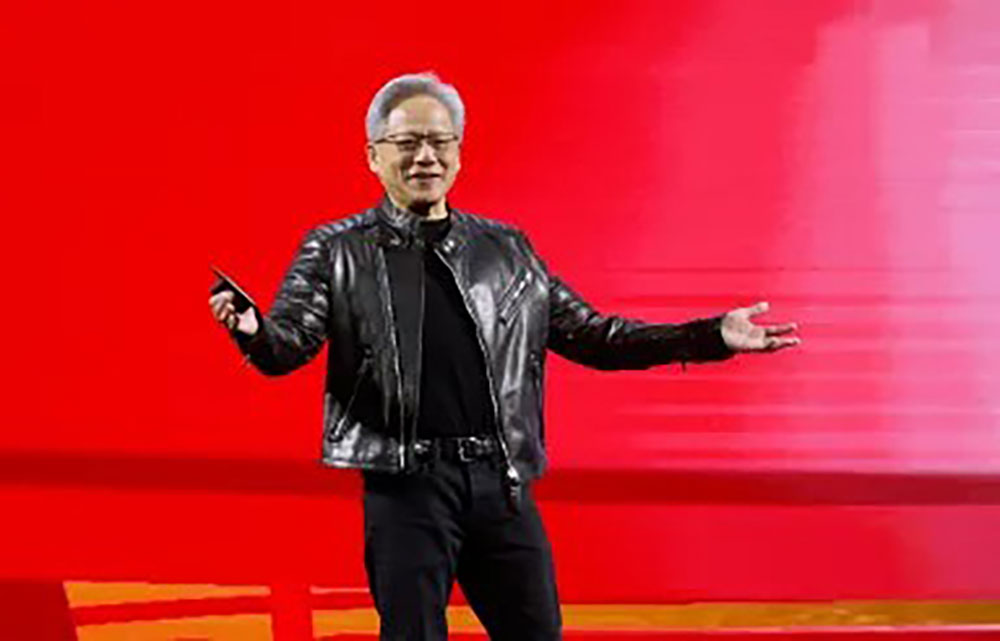
全球半導體芯片巨頭本周將齊聚中國臺灣頂級科技博覽會,展示人工智能主導產業“下一個前沿”。
英偉達首席執行黃仁勛(Jensen Huang)在周一[臺北國際電腦展(Computex)前夕]發表主題演講,此時科技行業正面臨美國關稅沖擊和供應鏈中斷的雙重挑戰。
這場為期四天的活動將吸引全球計算機和芯片企業匯聚于此,其半導體產業對從iPhone到運行ChatGPT的服務器等所有產品的生產都至關重要。
中國臺灣生產全球大部分最先進的芯片,包括最強大的人工智能應用和研究所需的芯片。
黃仁勛上周五在臺北對記者表示:"我將披露諸多令人驚喜的消息。”
“我們處于技術生態系統的核心,這里有許多合作伙伴,期待共同宣布諸多合作項目、新項目、新技術和新倡議。”
來自高通(Qualcomm)、聯發科技(MediaTek)和富士康(Foxconn)的高管也將在臺北國際電腦展上發表演講,屆時,將人工智能從數據中心融入筆記本電腦、機器人和汽車的技術進展將成為焦點。
專業研究公司Counterpoint在一份報告中指出:“從驅動更智能個人設備的代理式人工智能到重塑自動化的物理人工智能,本屆展會勾勒出下一個前沿領域圖景。”
技術專家保羅·余(Paul Yu)告訴法新社,該行業正處于人工智能硬件發展的“關鍵節點”。
智璞產業趨勢研究所(Witology Markettrend Research Institute)的保羅·余表示:“過去兩年半來,大量投資推動了人工智能技術的飛速發展。"
“2025年至2026年將是人工智能模型訓練向盈利性應用轉型的關鍵時期。”
“臺灣將繼續蓬勃發展”
專業平臺TechInsights的埃里克·史密斯(Eric Smith)表示,雖然美國關稅政策是該行業面臨的頭號難題,但大多數臺北國際電腦展參展企業“選擇回避直接討論關稅議題,因為形勢存在高度不確定性”。
上月,美國政府宣布對半導體技術進口開展國家安全審查,此舉或使該行業成為唐納德·特朗普總統貿易大棒的攻擊目標,并可能面臨極具破壞性的關稅沖擊。
自1月上任以來,特朗普威脅要對美國眾多主要貿易伙伴加征高額關稅,迫使企業將生產線遷回美國本土。
依賴出口貿易的中國臺灣已承諾擴大對美投資,以避免其對美出口產品被征收32%的關稅。
但人們擔心中國臺灣可能會失去芯片領域的主導地位——即所謂的“硅盾”,這一地位不僅是其抵御中國大陸入侵或封鎖的屏障,也是美國提供安全承諾的動因。
芯片代工巨頭臺積電(TSMC)已宣布計劃在既有650億美元投資基礎上,再向美國追加1000億美元。
臺積電供應商環球晶圓(GlobalWafers)上周也宣布,將在美國得克薩斯州新建晶圓廠,并計劃追加40億美元以擴大對美投資。
但上周五,當被問及關稅對中國臺灣的影響時,黃仁勛展現出積極態度,稱中國臺灣將“繼續保持技術生態系統的核心地位”。
“這里有這么多具備敏銳洞察力的公司,有如此多富有創新精神與活力的公司。"黃仁勛說。
“我始終相信中國臺灣會繼續蓬勃發展......無論過去、現在還是未來。"(財富中文網)
譯者:中慧言-王芳
全球半導體芯片巨頭本周將齊聚中國臺灣頂級科技博覽會,展示人工智能主導產業“下一個前沿”。
英偉達首席執行黃仁勛(Jensen Huang)在周一[臺北國際電腦展(Computex)前夕]發表主題演講,此時科技行業正面臨美國關稅沖擊和供應鏈中斷的雙重挑戰。
這場為期四天的活動將吸引全球計算機和芯片企業匯聚于此,其半導體產業對從iPhone到運行ChatGPT的服務器等所有產品的生產都至關重要。
中國臺灣生產全球大部分最先進的芯片,包括最強大的人工智能應用和研究所需的芯片。
黃仁勛上周五在臺北對記者表示:"我將披露諸多令人驚喜的消息。”
“我們處于技術生態系統的核心,這里有許多合作伙伴,期待共同宣布諸多合作項目、新項目、新技術和新倡議。”
來自高通(Qualcomm)、聯發科技(MediaTek)和富士康(Foxconn)的高管也將在臺北國際電腦展上發表演講,屆時,將人工智能從數據中心融入筆記本電腦、機器人和汽車的技術進展將成為焦點。
專業研究公司Counterpoint在一份報告中指出:“從驅動更智能個人設備的代理式人工智能到重塑自動化的物理人工智能,本屆展會勾勒出下一個前沿領域圖景。”
技術專家保羅·余(Paul Yu)告訴法新社,該行業正處于人工智能硬件發展的“關鍵節點”。
智璞產業趨勢研究所(Witology Markettrend Research Institute)的保羅·余表示:“過去兩年半來,大量投資推動了人工智能技術的飛速發展。"
“2025年至2026年將是人工智能模型訓練向盈利性應用轉型的關鍵時期。”
“臺灣將繼續蓬勃發展”
專業平臺TechInsights的埃里克·史密斯(Eric Smith)表示,雖然美國關稅政策是該行業面臨的頭號難題,但大多數臺北國際電腦展參展企業“選擇回避直接討論關稅議題,因為形勢存在高度不確定性”。
上月,美國政府宣布對半導體技術進口開展國家安全審查,此舉或使該行業成為唐納德·特朗普總統貿易大棒的攻擊目標,并可能面臨極具破壞性的關稅沖擊。
自1月上任以來,特朗普威脅要對美國眾多主要貿易伙伴加征高額關稅,迫使企業將生產線遷回美國本土。
依賴出口貿易的中國臺灣已承諾擴大對美投資,以避免其對美出口產品被征收32%的關稅。
但人們擔心中國臺灣可能會失去芯片領域的主導地位——即所謂的“硅盾”,這一地位不僅是其抵御中國大陸入侵或封鎖的屏障,也是美國提供安全承諾的動因。
芯片代工巨頭臺積電(TSMC)已宣布計劃在既有650億美元投資基礎上,再向美國追加1000億美元。
臺積電供應商環球晶圓(GlobalWafers)上周也宣布,將在美國得克薩斯州新建晶圓廠,并計劃追加40億美元以擴大對美投資。
但上周五,當被問及關稅對中國臺灣的影響時,黃仁勛展現出積極態度,稱中國臺灣將“繼續保持技術生態系統的核心地位”。
“這里有這么多具備敏銳洞察力的公司,有如此多富有創新精神與活力的公司。"黃仁勛說。
“我始終相信中國臺灣會繼續蓬勃發展......無論過去、現在還是未來。"(財富中文網)
譯者:中慧言-王芳
Global semiconductor chip giants will gather at Taiwan’s top tech expo this week to showcase “the next frontier” for an industry dominated by artificial intelligence.
Nvidia boss Jensen Huang will make a keynote speech on Monday, the eve of Computex, as the tech sector grapples with the impact of US tariffs and disrupted supply chains.
The four-day event will draw computer and chip companies from around the world to Taiwan, whose semiconductor industry is critical to the production of everything from iPhones to the servers that run ChatGPT.
Taiwan produces the bulk of the world’s most advanced chips, including those needed for the most powerful AI applications and research.
“I have many amazing announcements to make,” Huang told reporters in Taipei on Friday.
“We are at the heart of the technology ecosystem and so there are many partners of ours here and we’re looking forward to announcing many collaborations, many new projects, many new technologies and initiatives together.”
Top executives from Qualcomm, MediaTek and Foxconn will also speak at Computex, where advances in moving AI from data centres into laptops, robots and cars will be in the spotlight.
“From Agentic AI driving smarter personal devices to Physical AI reshaping autonomy, the show maps out the next frontier,” specialist research firm Counterpoint said in a note.
Tech expert Paul Yu told AFP the industry was at a “critical juncture” for AI hardware development.
“Over the past two and a half years, significant investment has driven rapid advances in AI technology,” said Yu, of Witology Markettrend Research Institute.
“2025 to 2026 will be the crucial period for transitioning AI model training into profitable applications.”
‘Taiwan to continue to thrive’
While US tariffs were the biggest issue facing the sector, most companies at Computex “will shy away from addressing tariffs directly as the situation is too uncertain,” said Eric Smith of specialist platform TechInsights.
Last month, Washington announced a national security probe into imports of semiconductor technology, which could put the industry in the crosshairs of President Donald Trump’s trade bazooka and inflict potentially devastating levies.
Since taking office in January, Trump has threatened hefty tariffs against many of America’s biggest trade partners with the aim of forcing companies to move production to US soil.
Export-dependent Taiwan has pledged to increase investment in the United States as it seeks to avoid a 32 percent US tariff on its shipments.
But there are concerns the island could lose its dominance of the chip sector — the so-called “silicon shield” protecting it from an invasion or blockade by China and an incentive for the United States to defend it.
TSMC, the Taiwanese contract chipmaking giant, has unveiled plans to inject an additional $100 billion into the United States, on top of the $65 billion already pledged.
TSMC-supplier GlobalWafers also announced plans last week to increase its US investment by $4 billion as the Taiwanese company opened a wafer facility in the US state Texas.
But Huang was optimistic on Friday when asked about the impact of tariffs on Taiwan, saying the island would “remain at the centre of the technology ecosystem”.
“There are so many smart companies here, there are so many innovative and spirited companies,” Huang said.
“I fully expect Taiwan to continue to thrive… before, after, throughout.”

請打開財富Plus APP