


iPhone能否實現“美國制造”?這家手機制造商可能提供了答案
VERNE KOPYTOFF
2025-06-09
這家公司在美國生產手機的成本與在亞洲相差無幾或僅略高。
 文本設置
文本設置
 Plus(0條)

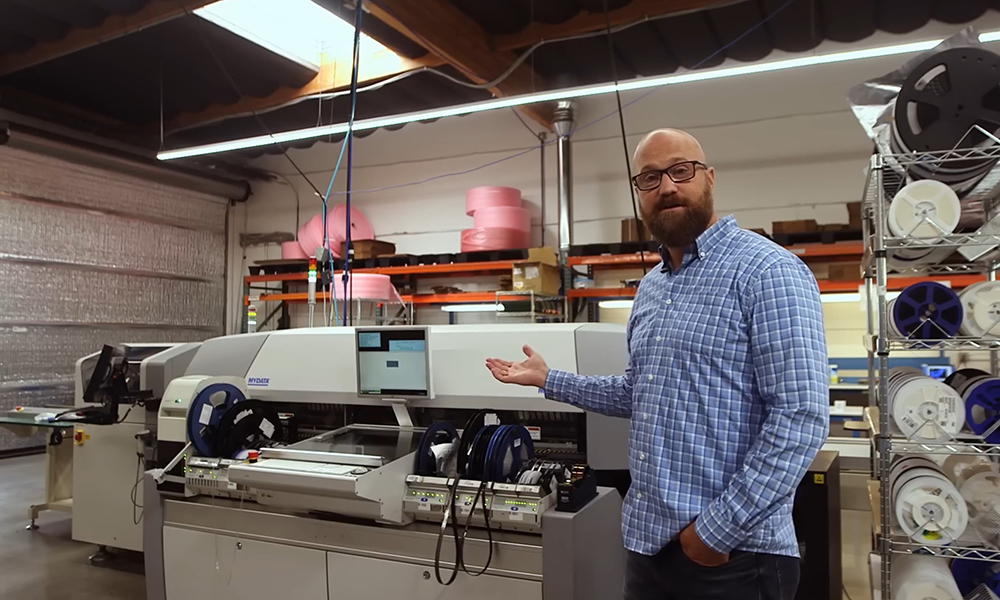
托德·韋弗向正面臨美國總統唐納德·特朗普施壓、要求將部分智能手機生產遷回美國的蘋果公司傳達了一則重要信息:切莫輕信那些老生常談。
長期以來,專家們一直認為,蘋果公司若不在亞洲而是在美國生產iPhone,從物流層面而言根本無法實現,且成本會高到令人咋舌。然而,韋弗認為,倘若企業能有數年時間應對那些難以避免的復雜狀況,確實有可能成功達成這一目標,而且成本與在亞洲生產相差無幾或僅略高。
韋弗有資格發表意見:他的初創企業Purism是為數不多的、甚至可能是唯一一家在美國本土組裝智能手機的企業。事實上,“美國制造”的血統正是該公司主打設備——Liberty Phone的核心賣點。
韋弗承認:“在美國達成這一目標極具挑戰性,或許正因如此,目前只有我在做這件事。”不過,他表示自家公司已成功實現這一目標,且過去兩年持續盈利,從而為這個常被政治口號與既得利益主導的熱點話題提供了現實案例。
美國總統唐納德·特朗普近期將美國智能手機生產問題推至輿論焦點,作為其全球貿易戰的一部分。5月23日,他通過社交網絡“真相社交”(Truth Social)公開抨擊蘋果公司從國外進口iPhone至美國,而非在美國本土生產,并威脅稱,如果蘋果公司持續這樣做,將對其征收25%的關稅。
鑒于特朗普朝令夕改以及第三方的法庭挑戰,這些進口稅是否會成為永久性措施尚不明朗。
然而,蘋果公司長期以來一直在海外(主要在中國)組裝iPhone,且始終拒絕將任何生產環節遷移至美國。今年4月,當特朗普宣布加征關稅時,蘋果公司甚至將大部分面向美國市場的iPhone采購轉向印度,原因在于該國進口關稅較低。在公開場合,蘋果公司從未提及在美國本土組裝iPhone的可能性。此前,蘋果公司首席執行官庫克解釋稱,海外豐富的熟練勞動力和頂尖供應商資源難以在美國本土復制。
誠然,韋弗的公司無法與蘋果公司相提并論。自2007年推出首款iPhone以來,蘋果公司已在全球售出超20億部iPhone。這些設備引領科技行業邁入全新時代,讓移動設備成為核心焦點。
相比之下,據韋弗稱,Purism自2018年推出首款機型以來,僅售出數萬部手機,且該公司在科技愛好者圈子之外幾乎無人知曉。
其在圣迭戈附近生產的Liberty Phone搭載了美國制造的電子元件,安裝在來自中國的金屬機身上,該機型零售價為1999美元。另一款手機Librem 5設計基本相同,不過采用中國零件且在中國制造,售價為799美元。
該公司還生產平板電腦、筆記本電腦和服務器。
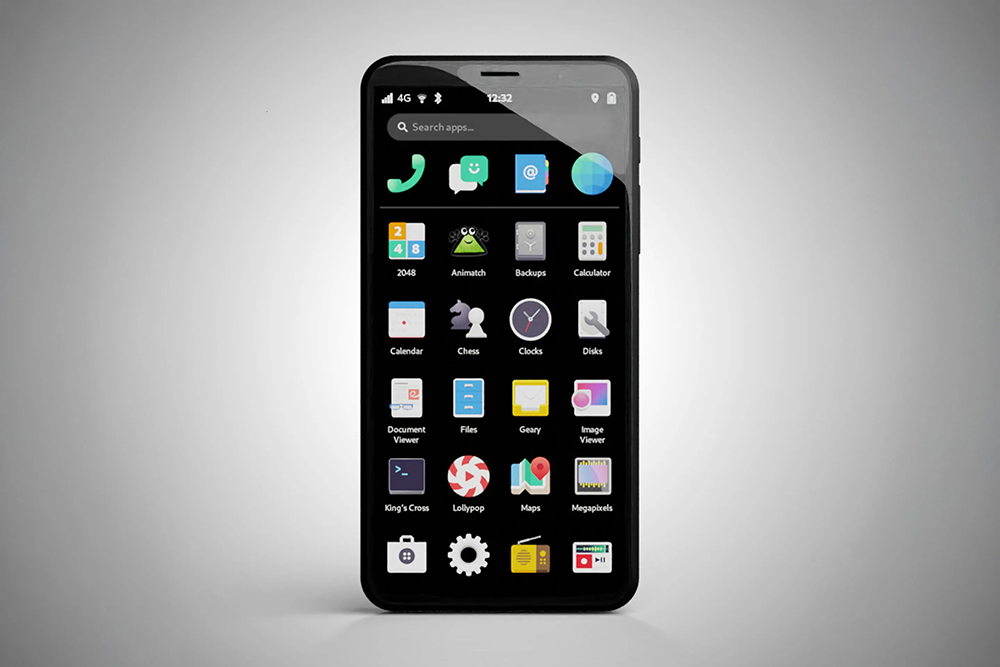
該公司將其“美國制造”機型定位為比蘋果公司等主流廠商產品更安全、更注重隱私保護的選擇。由于所有關鍵零部件和組裝環節均在美國本土完成,故而極易驗證設備未被試圖監聽或植入爆炸物的外國對手篡改。
這些手機搭載的是基于Linux的開源操作系統,任何具備技術知識且擔心安全問題的用戶,均可審查其源代碼——這與更主流的手機不同,后者搭載的操作系統難以輕易進行審查。
此外,Purism手機配備三個物理開關,用戶可借此斷開設備的蜂窩網絡、Wi-Fi、藍牙連接,還能關閉麥克風和攝像頭。韋弗表示,當這些開關被打開時,它們會切斷所控制功能的電路,使黑客無法訪問這些組件。他指出,主流手機常用的“飛行模式”安全性較低,因為這純粹是軟件功能,無法切斷設備芯片的電源。
尤為注重安全的客戶可額外付費,為其設備在運輸時選用“防拆封膠帶”等包裝形式,以此標記運輸途中的任何異常操作。
Purism的主要客戶是政府機構,其中許多機構對安全性要求極高,以及個人消費者。韋弗稱,該公司的客戶包括聯邦調查局和眾議院情報委員會。
韋弗表示,盡管Purism的兩款手機分別在海外和本土生產,但制造成本大體相當。中國制造的機型在零部件、制造和組裝方面的成本約為600美元,而美國制造的機型則為650美元。
韋弗表示,基于自動化程度考量,“中美兩國生產商品的成本差異在正負10%以內”。
兩款手機售價存在差異,部分原因在于Purism對美國制造機型設定了更高的利潤率。韋弗指出,那些追求更高安全性的用戶,通常愿意為此支付溢價。這也覆蓋了部分客戶要求驗證供應鏈安全性所產生的額外管理成本,以及美國制造帶來的少量附加成本。
解決技能短缺問題
Purism的組裝線位于加利福尼亞州卡爾斯巴德,最多配備十幾名工人負責設備組裝。由于當地國防工業和其他移動運營商的制造業基礎,該地區擁有大量熟練勞動力。
這條規模相對較小的組裝線,與由合同制造商運營、且大多位于中國的iPhone工廠形成了鮮明對比,那些工廠規模堪比數個足球場,員工數量超10萬,且實行24小時輪班制。
韋弗指出,在熟練工人方面,美國較中國存在顯著劣勢,而這類人才在智能手機工廠勞動力中占據相當大的比例。他認為,要扭轉人才短缺局面并為企業生產回流奠定基礎,唯一途徑就是鼓勵更多人掌握制造業實用技能。
韋弗表示:“如果你去中國,會看到一棟棟大樓里匯聚著成千上萬的電子工程師;而在美國,你可能總共只能找到5個。”
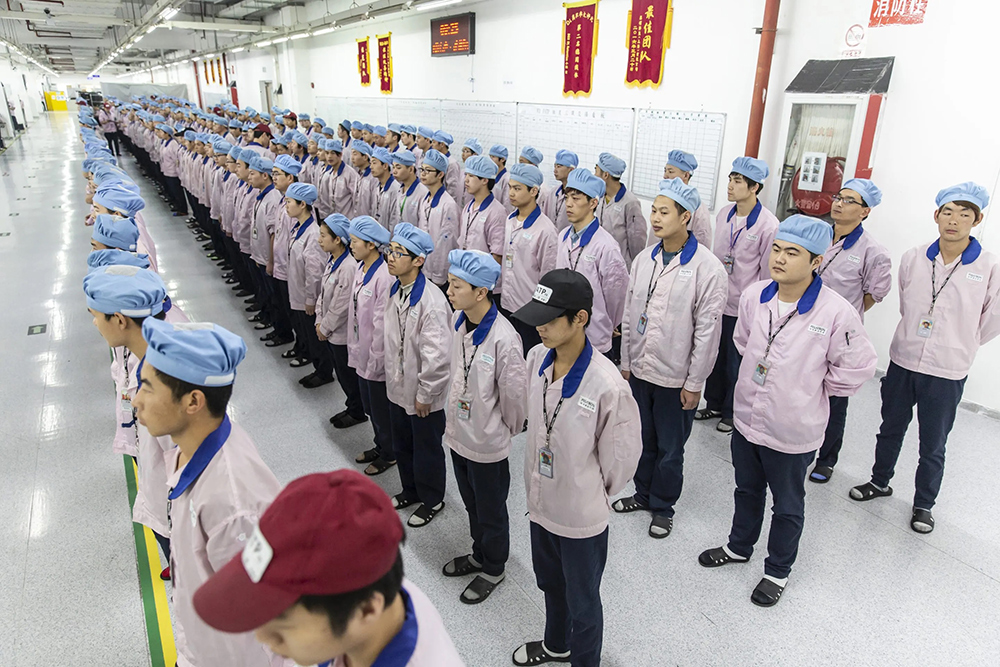
韋弗表示,例如,蘋果公司若在2026年突然需要擴大美國員工規模以生產數百萬部iPhone,可能會面臨災難性后果。為如此龐大的生產計劃培訓足夠的人手需要耗費數年時間。
韋弗表示,成立于2014年的Purism歷經數年才建立起國內供應鏈。由于公司規模較小,零部件需求量有限,因此無法通過大規模生產設備來實現規模經濟效益。在美國制造的成本也高于中國。不過,借助自動化技術,通過將人力保留到生產完成后的焊接、組裝、維修和測試等環節,這些額外成本得以控制在最低水平。
韋弗指出,另一方面,蘋果公司則需要大量零部件來維持組裝線運轉。雖然該公司極有可能與國內供應商達成協議,采購大部分iPhone零部件,但某些零件(如高質量攝像頭)可能無法在美國迅速采購,必須進口。
一位分析師曾表示,考慮到額外成本及諸多麻煩,若在美國生產iPhone,其售價可能高達3500美元。韋弗認為,如果蘋果公司必須迅速轉移生產,在美國生產iPhone的成本將大幅攀升。但若給予足夠時間,通過開發新供應鏈、招募足夠多的工人并借助廣泛的自動化手段,蘋果公司能夠大幅降低成本。
超越細分市場
韋弗表示,對于蘋果公司而言,開設國內制造工廠是一個需耗時數年的漫長過程。這也是他批評特朗普的關稅政策幾乎立即生效的原因。盡管此后諸多關稅已被推遲。但對企業而言,這意味著它們無法提前規劃。然而,將生產轉移到美國這樣復雜的事情恰恰需要提前規劃。
韋弗表示,如果特朗普的關稅政策分多年逐步實施,效果將會更佳。在這種情況下,企業將有明確且不斷增強的動力推動生產回流,而非立刻遭受懲罰。
韋弗認為,他在美國的制造實踐已初見成效,而且隨著時間推移,會獲得更大的發展動力。他希望最近涉及美國官員使用聊天應用Signal討論對也門發動軍事打擊、卻意外邀請一名記者加入的丑聞,能促使聯邦政府更加重視安全問題,進而推動產品銷量提升。
韋弗并未披露Purism的財務細節,僅表示該公司年營收達數百萬美元,并在2023年實現盈利,其最暢銷產品為Liberty Phone。
市場研究公司TechInsights的分析師韋恩·拉姆(Wayne Lam)對Purism的前景作出折中評價。他在一封郵件中表示:“它們或許能成為成功的細分市場參與者,但鑒于大品牌占據主導,成功的幾率較低。他們無法在消費市場競爭,但政府/企業/軍方都是他們可以瞄準的細分市場。”
為拓展業務版圖,韋弗正謀求在過去數年獲得的1600萬美元融資基礎上,進一步籌集資金。其中部分資金將用于彌補其手機的短板。鑒于該手機未采用蘋果的iOS或谷歌的安卓(Android)操作系統,導致其與諸多熱門移動應用(如優步(Uber))存在兼容性問題,為讓這些應用能在其設備上運行,Purism必須針對每個應用進行技術調整。
Purism至少能宣稱相較于主導智能手機行業的巨頭,具備一項微弱優勢。如果特朗普的關稅成為永久性措施,其美國制造機型受影響程度較小,而大型廠商及其在國外制造的設備則可能遭受重創。(財富中文網)
譯者:中慧言-王芳
托德·韋弗向正面臨美國總統唐納德·特朗普施壓、要求將部分智能手機生產遷回美國的蘋果公司傳達了一則重要信息:切莫輕信那些老生常談。
長期以來,專家們一直認為,蘋果公司若不在亞洲而是在美國生產iPhone,從物流層面而言根本無法實現,且成本會高到令人咋舌。然而,韋弗認為,倘若企業能有數年時間應對那些難以避免的復雜狀況,確實有可能成功達成這一目標,而且成本與在亞洲生產相差無幾或僅略高。
韋弗有資格發表意見:他的初創企業Purism是為數不多的、甚至可能是唯一一家在美國本土組裝智能手機的企業。事實上,“美國制造”的血統正是該公司主打設備——Liberty Phone的核心賣點。
韋弗承認:“在美國達成這一目標極具挑戰性,或許正因如此,目前只有我在做這件事。”不過,他表示自家公司已成功實現這一目標,且過去兩年持續盈利,從而為這個常被政治口號與既得利益主導的熱點話題提供了現實案例。
美國總統唐納德·特朗普近期將美國智能手機生產問題推至輿論焦點,作為其全球貿易戰的一部分。5月23日,他通過社交網絡“真相社交”(Truth Social)公開抨擊蘋果公司從國外進口iPhone至美國,而非在美國本土生產,并威脅稱,如果蘋果公司持續這樣做,將對其征收25%的關稅。
鑒于特朗普朝令夕改以及第三方的法庭挑戰,這些進口稅是否會成為永久性措施尚不明朗。
然而,蘋果公司長期以來一直在海外(主要在中國)組裝iPhone,且始終拒絕將任何生產環節遷移至美國。今年4月,當特朗普宣布加征關稅時,蘋果公司甚至將大部分面向美國市場的iPhone采購轉向印度,原因在于該國進口關稅較低。在公開場合,蘋果公司從未提及在美國本土組裝iPhone的可能性。此前,蘋果公司首席執行官庫克解釋稱,海外豐富的熟練勞動力和頂尖供應商資源難以在美國本土復制。
誠然,韋弗的公司無法與蘋果公司相提并論。自2007年推出首款iPhone以來,蘋果公司已在全球售出超20億部iPhone。這些設備引領科技行業邁入全新時代,讓移動設備成為核心焦點。
相比之下,據韋弗稱,Purism自2018年推出首款機型以來,僅售出數萬部手機,且該公司在科技愛好者圈子之外幾乎無人知曉。
其在圣迭戈附近生產的Liberty Phone搭載了美國制造的電子元件,安裝在來自中國的金屬機身上,該機型零售價為1999美元。另一款手機Librem 5設計基本相同,不過采用中國零件且在中國制造,售價為799美元。
該公司還生產平板電腦、筆記本電腦和服務器。
該公司將其“美國制造”機型定位為比蘋果公司等主流廠商產品更安全、更注重隱私保護的選擇。由于所有關鍵零部件和組裝環節均在美國本土完成,故而極易驗證設備未被試圖監聽或植入爆炸物的外國對手篡改。
這些手機搭載的是基于Linux的開源操作系統,任何具備技術知識且擔心安全問題的用戶,均可審查其源代碼——這與更主流的手機不同,后者搭載的操作系統難以輕易進行審查。
此外,Purism手機配備三個物理開關,用戶可借此斷開設備的蜂窩網絡、Wi-Fi、藍牙連接,還能關閉麥克風和攝像頭。韋弗表示,當這些開關被打開時,它們會切斷所控制功能的電路,使黑客無法訪問這些組件。他指出,主流手機常用的“飛行模式”安全性較低,因為這純粹是軟件功能,無法切斷設備芯片的電源。
尤為注重安全的客戶可額外付費,為其設備在運輸時選用“防拆封膠帶”等包裝形式,以此標記運輸途中的任何異常操作。
Purism的主要客戶是政府機構,其中許多機構對安全性要求極高,以及個人消費者。韋弗稱,該公司的客戶包括聯邦調查局和眾議院情報委員會。
韋弗表示,盡管Purism的兩款手機分別在海外和本土生產,但制造成本大體相當。中國制造的機型在零部件、制造和組裝方面的成本約為600美元,而美國制造的機型則為650美元。
韋弗表示,基于自動化程度考量,“中美兩國生產商品的成本差異在正負10%以內”。
兩款手機售價存在差異,部分原因在于Purism對美國制造機型設定了更高的利潤率。韋弗指出,那些追求更高安全性的用戶,通常愿意為此支付溢價。這也覆蓋了部分客戶要求驗證供應鏈安全性所產生的額外管理成本,以及美國制造帶來的少量附加成本。
解決技能短缺問題
Purism的組裝線位于加利福尼亞州卡爾斯巴德,最多配備十幾名工人負責設備組裝。由于當地國防工業和其他移動運營商的制造業基礎,該地區擁有大量熟練勞動力。
這條規模相對較小的組裝線,與由合同制造商運營、且大多位于中國的iPhone工廠形成了鮮明對比,那些工廠規模堪比數個足球場,員工數量超10萬,且實行24小時輪班制。
韋弗指出,在熟練工人方面,美國較中國存在顯著劣勢,而這類人才在智能手機工廠勞動力中占據相當大的比例。他認為,要扭轉人才短缺局面并為企業生產回流奠定基礎,唯一途徑就是鼓勵更多人掌握制造業實用技能。
韋弗表示:“如果你去中國,會看到一棟棟大樓里匯聚著成千上萬的電子工程師;而在美國,你可能總共只能找到5個。”
韋弗表示,例如,蘋果公司若在2026年突然需要擴大美國員工規模以生產數百萬部iPhone,可能會面臨災難性后果。為如此龐大的生產計劃培訓足夠的人手需要耗費數年時間。
韋弗表示,成立于2014年的Purism歷經數年才建立起國內供應鏈。由于公司規模較小,零部件需求量有限,因此無法通過大規模生產設備來實現規模經濟效益。在美國制造的成本也高于中國。不過,借助自動化技術,通過將人力保留到生產完成后的焊接、組裝、維修和測試等環節,這些額外成本得以控制在最低水平。
韋弗指出,另一方面,蘋果公司則需要大量零部件來維持組裝線運轉。雖然該公司極有可能與國內供應商達成協議,采購大部分iPhone零部件,但某些零件(如高質量攝像頭)可能無法在美國迅速采購,必須進口。
一位分析師曾表示,考慮到額外成本及諸多麻煩,若在美國生產iPhone,其售價可能高達3500美元。韋弗認為,如果蘋果公司必須迅速轉移生產,在美國生產iPhone的成本將大幅攀升。但若給予足夠時間,通過開發新供應鏈、招募足夠多的工人并借助廣泛的自動化手段,蘋果公司能夠大幅降低成本。
超越細分市場
韋弗表示,對于蘋果公司而言,開設國內制造工廠是一個需耗時數年的漫長過程。這也是他批評特朗普的關稅政策幾乎立即生效的原因。盡管此后諸多關稅已被推遲。但對企業而言,這意味著它們無法提前規劃。然而,將生產轉移到美國這樣復雜的事情恰恰需要提前規劃。
韋弗表示,如果特朗普的關稅政策分多年逐步實施,效果將會更佳。在這種情況下,企業將有明確且不斷增強的動力推動生產回流,而非立刻遭受懲罰。
韋弗認為,他在美國的制造實踐已初見成效,而且隨著時間推移,會獲得更大的發展動力。他希望最近涉及美國官員使用聊天應用Signal討論對也門發動軍事打擊、卻意外邀請一名記者加入的丑聞,能促使聯邦政府更加重視安全問題,進而推動產品銷量提升。
韋弗并未披露Purism的財務細節,僅表示該公司年營收達數百萬美元,并在2023年實現盈利,其最暢銷產品為Liberty Phone。
市場研究公司TechInsights的分析師韋恩·拉姆(Wayne Lam)對Purism的前景作出折中評價。他在一封郵件中表示:“它們或許能成為成功的細分市場參與者,但鑒于大品牌占據主導,成功的幾率較低。他們無法在消費市場競爭,但政府/企業/軍方都是他們可以瞄準的細分市場。”
為拓展業務版圖,韋弗正謀求在過去數年獲得的1600萬美元融資基礎上,進一步籌集資金。其中部分資金將用于彌補其手機的短板。鑒于該手機未采用蘋果的iOS或谷歌的安卓(Android)操作系統,導致其與諸多熱門移動應用(如優步(Uber))存在兼容性問題,為讓這些應用能在其設備上運行,Purism必須針對每個應用進行技術調整。
Purism至少能宣稱相較于主導智能手機行業的巨頭,具備一項微弱優勢。如果特朗普的關稅成為永久性措施,其美國制造機型受影響程度較小,而大型廠商及其在國外制造的設備則可能遭受重創。(財富中文網)
譯者:中慧言-王芳
Todd Weaver has an important message for Apple as it faces growing demands by President Donald Trump to reshore some of its smartphone production: Don’t listen to the conventional wisdom.
Experts have long said that manufacturing iPhones in the U.S., rather than Asia, as Apple does, would be logistically impossible and ridiculously expensive. But Weaver argues companies can indeed do it successfully, and at a similar or only slightly higher cost—if given several years to navigate the inevitable complications.
Weaver should know: His startup, Purism, is among the few, if not the only business, that assembles smartphones in the U.S. In fact, the U.S. pedigree is the main selling point of his company’s Made in America device, the Liberty Phone.
“It is challenging to do this in the U.S.,” Weaver acknowledges. “It’s probably the reason I’m the only one.” And yet, he says his company has managed to make it work and has been profitable for the last two years—a real world example of what’s possible on a hot-button topic in which political talking points and vested interests often dominate the debate.
President Donald Trump recently put U.S. smartphone production in the spotlight as part of his global trade war. On May 23, he used social network Truth Social to publicly attack Apple for importing iPhones into the U.S., rather than making them domestically, and then threatened the company with a 25% tariff if it continued to do so.
Whether any of the import taxes will become permanent is unclear given Trump’s whiplash decision-making and court challenges by third parties.
Still, Apple has long assembled its iPhones overseas, mainly in China, and has resisted relocating any of that production to the U.S. In April, when Trump announced his tariffs, Apple went so far as to shift the sourcing of most U.S.-bound iPhones to India, which faced lower import taxes. U.S. assembly was never publicly mentioned as a possibility. In the past, Apple CEO Cook explained the reluctance by saying the abundance of skilled labor and top-notch suppliers overseas would be difficult to reproduce at home.
Weaver’s company, of course, is no Apple, which has sold more than 2 billion iPhones globally since introducing the first models in 2007. The devices unleashed a new era in the tech industry in which mobile devices became the prime focus.
Purism, in contrast, has sold just tens of thousands of phones since debuting its first model in 2018, according to Weaver. And the company is barely-known outside the world of tech nerds.
Its Liberty Phone, manufactured near San Diego, comes with U.S.-made electronics installed on a metal chassis from China. It retails for $1,999. Another phone, the Librem 5, is mostly the same design, except it’s made in China with Chinese parts, and costs $799.
The company also produces tablet computers, laptops, and servers.
Purism pitches its Made in America device as more secure and privacy friendly than those from major manufactures like Apple. Because all the critical parts and assembly are domestic, it’s easy to verify that they haven’t been tampered with by a foreign adversary that wants to snoop or stuff them with explosives.
The phones also run on a Linux-based open source operating system. Anyone with technical know-how who is worried about the security can review the code—unlike with more popular phones, which come with operating systems that can’t be easily inspected.
Additionally, Purism’s phones come with three kill switches that lets users physically disconnect their device from cell service, Wi-Fi and Bluetooth, along with its microphone and camera. When turned on, the switches sever the electrical circuit to the features they control and make it impossible for them to be accessed by hackers, Weaver said. Toggling on Airplane Mode, as users often do on more mainstream phones, is less secure, he said, because it’s a purely software feature that doesn’t cut power to the device’s chips.
Customers who are especially security conscious can pay extra to have their devices shipped with “tamper evident tape” on the packaging, among other options, to flag any monkey business during transit.
Purism’s biggest customers are government agencies, many of which require high security, and individual consumers. The company’s clients, Weaver said, include the FBI and the House Select Committee on Intelligence.
Weaver said the cost of manufacturing the Purism’s two phones is largely the same, despite one being made overseas and the other domestically. The phone that’s made in China costs around $600 for parts, manufacturing, and assembly while the U.S.-made one comes in at $650.
“Producing goods in China vs. the U.S. is the same plus or minus 10%,” said Weaver, based mostly on automation.
The difference between what Purism charges customers for its two phones is partly due to the higher profit margin the company collects for its U.S.-made device. People who want stronger security are often willing to pay extra for it, Weaver said. It also covers the extra overhead from some customers wanting to verify that Purism’s supply chain is secure and the small additional cost of U.S. manufacturing.
Solving the skills shortage
Purism’s assembly line is in Carlsbad, Calif., where up to a dozen workers put together devices. The area is home to a pool of skilled labor thanks to the local defense industry and manufacturing for other mobile carriers.
That relatively modest assembly line is a major contrast to the factories that make iPhones, operated by contract manufacturers, mostly in China. Those facilities can be the size of several football fields and employ over 100,000 people who work around-the-clock shifts.
Weaver said the U.S. is at a huge disadvantage to China when it comes to skilled workers, who make up a significant part of the workforce in smartphone factories. The only way to reverse the shortage and lay the groundwork for companies to reshore their production is to encourage more people to learn skills that are useful in the manufacturing process, he said.
“If you go over to China you can find buildings and buildings of thousands of electronics engineers. If you look here, you can find maybe five total,” Weaver said.
Apple, for example, would risk a catastrophe if it suddenly, in 2026, needed to ramp up staffing in the U.S. to produce millions of iPhones, he said. Training enough people for such a massive undertaking would take years.
Weaver said Purism, founded in 2014, took several years to develop its domestic supply chain. The company’s small size means it only needs limited quantities of components, which makes it impossible to achieve the economies of scale that come from producing huge numbers of devices. Manufacturing in the U.S. also comes with higher labor costs than in China. But with the help of automation, those extra costs can be kept to a minimum by reserving human labor for tasks performed after production is complete, such as soldering, assembly, repairs, and testing.
Apple, on the other hand, would need vast amounts of components to keep its assembly line humming. While the company would likely be able to cut deals with domestic suppliers for most iPhone parts, some, such as high-quality cameras, may be impossible to quickly source in the U.S. and it would therefore have to import them, Weaver said.
One analyst has said iPhones could end up costing $3,500 if made in the U.S., to account for the extra costs and hassles. Weaver agrees that it would cost Apple substantially more to produce iPhones in the U.S., if it had to move production quickly. But given enough time, Apple could substantially reduce the cost after developing a new supply chain, finding enough workers, and by relying on extensive automation.
Growing beyond the niche
For Apple, opening a domestic manufacturing plant would therefore need to be a years’ long process, Weaver said. That’s why he criticized Trump’s tariffs for taking effect almost immediately. Yes, many of those tariffs have since been delayed. But the takeaway for businesses is that they can’t plan ahead. And yet, that’s exactly what’s required for something as complex as shifting manufacturing to the U.S.
Trump’s tariffs would be far more effective if phased in over many years, Weaver said. In that scenario, companies would have a clear and increasing incentive to reshore production—without being punished right off the bat.
Weaver argues his U.S. manufacturing effort is already paying off and that it will gain momentum over time. He hopes the recent scandal involving U.S. officials using the chat app Signal to discuss a military strike against Yemen, and then accidentally inviting a journalist to join them, will help lift sales by encouraging the federal government to focus more on security.
Weaver wouldn’t get into the specifics of Purism’s financials other than to say it has millions in annual revenue and turned profitable in 2023. The Liberty Phone is its biggest seller.
Wayne Lam, an analyst with market research firm TechInsights, gave a mixed take on Purism’s prospect. In an email, he said: “They can be a successful niche player, but the odds of success are lower thanks to the bigger brands. They won’t be able to compete in the consumer market but government/enterprise/military are all niche markets they can address.”
To fund the expansion of his business, Weaver is trying to raise additional investment after taking in $16 million in funding over the years. Some of that money would go to fixing a shortcoming with his phones. Because they don’t use Apple’s iOS or Google’s Android operating systems, they are incompatible with many of the most popular mobile apps like Uber. To get such apps work on its devices, Purism must make technical tweaks for each one.
Purism can at least claim one small advantage over the giant companies that dominate the smartphone industry. If Trump’s tariffs become permanent, it won’t feel much impact from its U.S.-made phone, while the big players and their foreign-made devices could be hammered.

請打開財富Plus APP