


以伊沖突對美國能源價格會有哪些影響?
Jordan Blum
2025-06-18
以色列轟炸了油氣設施和油田,但伊朗的石油出口基礎設施無一受損。
 文本設置
文本設置
 Plus(0條)

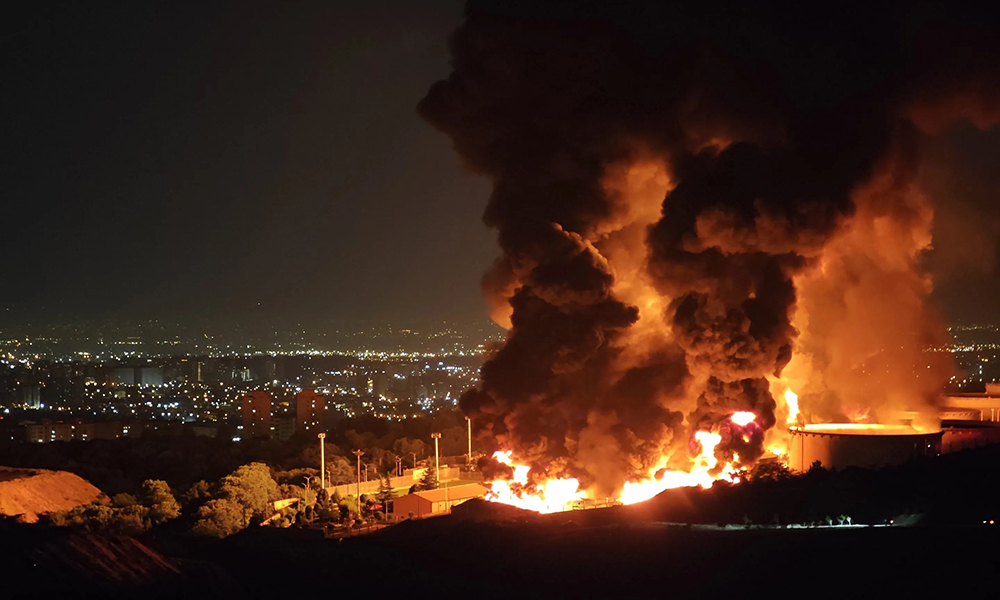
盡管伊朗和以色列仍在互射導彈,沖突短期內似乎難以結束,但原油價格在上周末大幅飆升之后,于周一小幅下跌,這或許令人意外。
美國原油基準價格6月16日徘徊在每桶71美元左右,接近年初水平,但較一周前上漲約9%。當前油價被認為是一個相對健康的水平——能讓大多數石油生產商盈利,又不會導致燃料價格過高。
因此,盡管以色列上周末成功襲擊了伊朗部分石油和天然氣基礎設施,石油市場卻保持了相對平靜。而伊朗盡管目前處于相對劣勢,據報道該國也表現出與美國重啟核談判的意愿。
為什么呢?以下是對這種情況的四點解讀:
盡管以色列轟炸了油氣設施和油田,但伊朗的石油出口基礎設施無一受損
以色列襲擊了伊朗的南帕爾斯天然氣田、沙赫蘭燃料庫和沙赫雷伊煉油廠,但這些目標均服務于國內燃料和電力消費,而非全球出口。這導致伊朗國內出現燃料搶購和潛在的短缺,但對全球石油市場以及伊朗每日約150萬桶的原油出口影響甚微。
能源預測專家、Pickering Energy Partners咨詢研究公司創始人兼首席投資官丹·皮克林表示:“各方都在刻意避開石油[出口]基礎設施,因為這會讓局勢顯著復雜化和升級。以色列不想這么做,我認為伊朗也不想。”
另一方面,皮克林對《財富》雜志表示:“只需一枚誤炸的炸彈就可能引發問題。一旦人們喪失理性,局勢就會迅速失控。”
皮克林指出,這就是結果區間如此巨大的原因:若局勢平息,油價可能跌至每桶55美元(這個低價會損害石油生產商的利潤);若戰爭升級且歐佩克整體產量受影響,油價則可能升至每桶120美元左右。
伊朗毗鄰霍爾木茲海峽,每天有約2,000萬桶石油通過這條相對狹窄的水道出口,約占全球石油消費量的五分之一。這些石油流動受到影響將改變一切。
需要明確的是,每桶120美元或更高的油價對幾乎所有人都不利,因為燃料成本飆升將引發全球范圍內的廣泛需求崩潰。
以色列襲擊伊朗的兩個月前,由沙特領導的歐佩克及其盟友意外宣布增產
這個所謂的歐佩克+組織提高了月度配額,目標是到今年年底將日產量增加逾200萬桶,從而扭轉多年來的自我限產。
雖然該決定未必預見到伊朗與以色列的沖突,但歐佩克的舉措確實讓特朗普總統在美伊核談判中擁有了更多籌碼。
皮克林在評論歐佩克行動時表示:“如果說在當前的局勢中有什么可稱為‘高明’,那就是歐佩克在應對中東風險時相對精妙的布局。產量的恢復似乎精準填補了伊朗的出口量,因此此舉可能更多是針對[通過制裁]減少伊朗出口,而非針對沖突。”
XTB經紀公司研究總監凱瑟琳·布魯克斯強調了特朗普希望維持低油價的意圖,并指出白宮實際上可能對市場產生“安撫效應”。
布魯克斯補充道:“相反,我們認為美國的介入可能使[以色列]對伊朗的襲擊范圍縮小至核設施。此前以色列稱其情報顯示伊朗擁有足夠制造九枚原子彈的鈾。”
美國燃料價格在未來幾天將會上漲,但如果能避免局勢升級,漲幅應該不大且可能是短暫的
然而,任何持久戰都會改變這一局面。
GasBuddy石油分析主管帕特里克·德哈恩表示:“隨著以色列和伊朗互相攻擊,油價已飆升至數月高點,為全國加油站進一步漲價埋下了伏筆。只要中東緊張局勢持續升級,油價進一步受影響的風險仍然很高。”
德哈恩預計,未來每加侖燃料價格可能上漲10至20美分。“駕車者應為目前可能出現的適度漲價做好準備,但局勢隨時可能惡化。”
根據GasBuddy的數據,截至6月16日上午,上周全美每加侖汽油平均價格上漲了1.1美分,均價為每加侖3.08美元。然而,當前全美平均價格較一個月前下降了9.5美分,較一年前下降了32.7美分。
正如皮克林所說:“[伊朗]確實在黑名單上,但其受到的制裁并未被特別嚴厲地執行,因為全世界都在高度關注油價及其對通脹和經濟的影響。發達國家已認定,廉價的汽油價格比真正懲罰不良行為者更重要。”
目前的較高油價不太可能引發美國油氣生產商改變行動
即使去年油價略高于當前水平時,美國石油鉆探商也表現出了克制和資本紀律,并沒有“拼命鉆井、大干快上”這樣的心態。
皮克林表示:“波動性巨大,歐佩克在增加供應,而且伊朗是否會減少供應也存在不確定性。所以,何必貿然增加投機性資本支出呢?或許一個月后醒來,我們會發現油價又回到了55美元。”
那么,從能源角度應如何看待中東局勢?
皮克林總結道:“這場沖突可能產生重大影響,因此人們應予以關注。目前看來,它像是一場帶來潛在短暫價格飆升的麻煩。情況可能變得更糟,所以請密切關注,并祈禱局勢不會升級。”(財富中文網)
譯者:劉進龍
審校:汪皓
盡管伊朗和以色列仍在互射導彈,沖突短期內似乎難以結束,但原油價格在上周末大幅飆升之后,于周一小幅下跌,這或許令人意外。
美國原油基準價格6月16日徘徊在每桶71美元左右,接近年初水平,但較一周前上漲約9%。當前油價被認為是一個相對健康的水平——能讓大多數石油生產商盈利,又不會導致燃料價格過高。
因此,盡管以色列上周末成功襲擊了伊朗部分石油和天然氣基礎設施,石油市場卻保持了相對平靜。而伊朗盡管目前處于相對劣勢,據報道該國也表現出與美國重啟核談判的意愿。
為什么呢?以下是對這種情況的四點解讀:
盡管以色列轟炸了油氣設施和油田,但伊朗的石油出口基礎設施無一受損
以色列襲擊了伊朗的南帕爾斯天然氣田、沙赫蘭燃料庫和沙赫雷伊煉油廠,但這些目標均服務于國內燃料和電力消費,而非全球出口。這導致伊朗國內出現燃料搶購和潛在的短缺,但對全球石油市場以及伊朗每日約150萬桶的原油出口影響甚微。
能源預測專家、Pickering Energy Partners咨詢研究公司創始人兼首席投資官丹·皮克林表示:“各方都在刻意避開石油[出口]基礎設施,因為這會讓局勢顯著復雜化和升級。以色列不想這么做,我認為伊朗也不想。”
另一方面,皮克林對《財富》雜志表示:“只需一枚誤炸的炸彈就可能引發問題。一旦人們喪失理性,局勢就會迅速失控。”
皮克林指出,這就是結果區間如此巨大的原因:若局勢平息,油價可能跌至每桶55美元(這個低價會損害石油生產商的利潤);若戰爭升級且歐佩克整體產量受影響,油價則可能升至每桶120美元左右。
伊朗毗鄰霍爾木茲海峽,每天有約2,000萬桶石油通過這條相對狹窄的水道出口,約占全球石油消費量的五分之一。這些石油流動受到影響將改變一切。
需要明確的是,每桶120美元或更高的油價對幾乎所有人都不利,因為燃料成本飆升將引發全球范圍內的廣泛需求崩潰。
以色列襲擊伊朗的兩個月前,由沙特領導的歐佩克及其盟友意外宣布增產
這個所謂的歐佩克+組織提高了月度配額,目標是到今年年底將日產量增加逾200萬桶,從而扭轉多年來的自我限產。
雖然該決定未必預見到伊朗與以色列的沖突,但歐佩克的舉措確實讓特朗普總統在美伊核談判中擁有了更多籌碼。
皮克林在評論歐佩克行動時表示:“如果說在當前的局勢中有什么可稱為‘高明’,那就是歐佩克在應對中東風險時相對精妙的布局。產量的恢復似乎精準填補了伊朗的出口量,因此此舉可能更多是針對[通過制裁]減少伊朗出口,而非針對沖突。”
XTB經紀公司研究總監凱瑟琳·布魯克斯強調了特朗普希望維持低油價的意圖,并指出白宮實際上可能對市場產生“安撫效應”。
布魯克斯補充道:“相反,我們認為美國的介入可能使[以色列]對伊朗的襲擊范圍縮小至核設施。此前以色列稱其情報顯示伊朗擁有足夠制造九枚原子彈的鈾。”
美國燃料價格在未來幾天將會上漲,但如果能避免局勢升級,漲幅應該不大且可能是短暫的
然而,任何持久戰都會改變這一局面。
GasBuddy石油分析主管帕特里克·德哈恩表示:“隨著以色列和伊朗互相攻擊,油價已飆升至數月高點,為全國加油站進一步漲價埋下了伏筆。只要中東緊張局勢持續升級,油價進一步受影響的風險仍然很高。”
德哈恩預計,未來每加侖燃料價格可能上漲10至20美分。“駕車者應為目前可能出現的適度漲價做好準備,但局勢隨時可能惡化。”
根據GasBuddy的數據,截至6月16日上午,上周全美每加侖汽油平均價格上漲了1.1美分,均價為每加侖3.08美元。然而,當前全美平均價格較一個月前下降了9.5美分,較一年前下降了32.7美分。
正如皮克林所說:“[伊朗]確實在黑名單上,但其受到的制裁并未被特別嚴厲地執行,因為全世界都在高度關注油價及其對通脹和經濟的影響。發達國家已認定,廉價的汽油價格比真正懲罰不良行為者更重要。”
目前的較高油價不太可能引發美國油氣生產商改變行動
即使去年油價略高于當前水平時,美國石油鉆探商也表現出了克制和資本紀律,并沒有“拼命鉆井、大干快上”這樣的心態。
皮克林表示:“波動性巨大,歐佩克在增加供應,而且伊朗是否會減少供應也存在不確定性。所以,何必貿然增加投機性資本支出呢?或許一個月后醒來,我們會發現油價又回到了55美元。”
那么,從能源角度應如何看待中東局勢?
皮克林總結道:“這場沖突可能產生重大影響,因此人們應予以關注。目前看來,它像是一場帶來潛在短暫價格飆升的麻煩。情況可能變得更糟,所以請密切關注,并祈禱局勢不會升級。”(財富中文網)
譯者:劉進龍
審校:汪皓
Crude oil prices, maybe surprisingly, dipped modestly on Monday after spiking at the end of last week, even as Iran and Israel continue firing missiles at each other with no easy end in sight.
The U.S. oil benchmark hovered around $71 per barrel on June 16—about where it started the year—but up roughly 9% from a week prior. The current price tag is considered a relatively healthy value—profitable for most oil producers without creating particularly high fuel prices.
So, even though Israel successfully targeted some of Iran’s oil and gas infrastructure over the weekend, oil markets have stayed relatively calm, and Iran, which is not in a position of strength, is reportedly signaling its interest in returning to nuclear negotiations with the U.S.
Why? Here are four takeaways:
Even though Israel bombed oil and gas facilities and fields, notably, none of Iran’s oil-exporting infrastructure was touched.
Israel struck Iran’s South Pars gas field, the Shahran fuel depot, and the Shahr Rey oil refinery, but all of these targets are for domestic fuel and power consumption, and not global exports. That contributed to a run on fuel and potential shortages within Iran, but it has much less impact on global oil markets and Iran’s roughly 1.5 million barrels per day of crude oil exports.
“Everybody is taking a hands-off approach to oil [exporting] infrastructure because it meaningfully complicates and escalates the situation,” said energy forecaster Dan Pickering, founder and chief and investment officer for Pickering Energy Partners consulting and research firm. “Israel doesn’t want to do that, and I don’t think Iran does either.”
On the other hand, Pickering told Fortune. “You’re one stray bomb away from a problem. If you get to a point where people stop acting rationally, things get crazy quickly.”
That’s why the range of outcomes is vast from $55 per barrel oil if things calm down—a low price that hurts the bottom lines of oil producers—up to $120 or so if war escalates and overall OPEC production is impacted, Pickering said.
Iran sits next to the Strait of Hormuz, and the exports through that relatively narrow body of water account for about 20 million barrels daily, or one-fifth of global consumption. Impacting those flows changes everything.
To be clear, oil at or above $120 per barrel is bad for almost everyone because skyrocketing fuel costs would trigger widespread demand destruction around the world.
Israel’s attack on Iran comes two months after Saudi Arabia-led OPEC and its allies surprisingly announced production increases.
The so-called OPEC+ group increased their monthly quotas, essentially aiming to grow production by more than 2 million barrels daily by the end of the year, and undoing years of self-imposed curtailments.
While the decision didn’t necessarily anticipate a conflict in Iran, the OPEC’s move did give President Trump more leverage in the U.S. nuclear negotiations with Iran.
“If anything in this situation could be called elegant, it is a relatively elegant set up when dealing with the risk of problems in the Middle East,” Pickering said of OPEC’s moves. “It looks like the return of production pretty closely mirrors Iran’s exports, and so it was probably more geared toward a reduction of exports [through sanctions] as opposed to a conflict.”
Kathleen Brooks, research director the the XTB brokerage house, highlighted how Trump wants to keep oil and fuel prices low, and that the White House could actually have a “calming effect” on markets.
“Instead, we think that U.S. involvement could see the [Israeli] attacks on Iran narrow to nuclear sites, after Israel said that it gathered intelligence that Iran had enough uranium to make nine atomic bombs,” Brooks added.
U.S. fuel prices will rise in the days ahead, but the spikes should prove modest and potentially short-lived if escalations are avoided.
However, the math is changed with any prolonged war.
“With Israel and Iran trading attacks, oil prices have surged to multi-month highs—setting the stage for additional price hikes at gas pumps across the country,” said Patrick De Haan, head of petroleum analysis at GasBuddy. “As long as tensions in the Middle East continue to escalate, the risk of further impacts on oil prices remains high.”
De Haan projects fuel prices could rise by 10 to 20 cents per gallon moving forward. “Motorists should prepare for what will likely be modest price increases—for now—but the situation has the potential to worsen at any moment.”
Thus far, the national average price of gasoline has risen 1.1 cents per gallon in the last week, averaging $3.08 per gallon as of the morning of June 16, according to GasBuddy. However, the national average is down 9.5 cents from a month ago and 32.7 cents lower than a year ago.
As Pickering said, “[Iran] is on the naughty list, but their sanctions haven’t been particularly aggressively applied because the world is so focused on oil prices and the impact on inflation and economies. The developed world has decided that cheap gasoline prices are better than truly punishing bad actors.”
The higher-for-now oil prices are unlikely to trigger any changes in the actions of U.S. oil and gas producers.
U.S. oil drillers were showing restraint and capital discipline—and not the ‘drill, baby, drill’ mentality—last year even when prices were a bit higher than today.
“The volatility is dramatic, OPEC is adding supply, and it’s not a given that Iran is going to reduce supply,” Pickering said. “So, why step up and spend capital speculatively when we could wake up in a month and oil is back to $55?”
So, how should everything in the Middle East be viewed from the energy perspective?
“This is a conflict that could have meaningful impacts, so people should be paying attention,” Pickering concluded. “Right now, it looks like an inconvenience with a potentially temporary price spike. It could become much worse, so pay attention and cross your fingers it doesn’t escalate.”

請打開財富Plus APP