


從北京的小玩具店到全球爆款:泡泡瑪特的成功秘訣何在?
Emma Burleigh
2025-06-20
毛茸茸的怪獸玩具正在席卷互聯網,不少人曬出成堆的收藏品,一些稀有款在拍賣會上甚至能拍出17萬美元的高價。
 文本設置
文本設置
 Plus(0條)

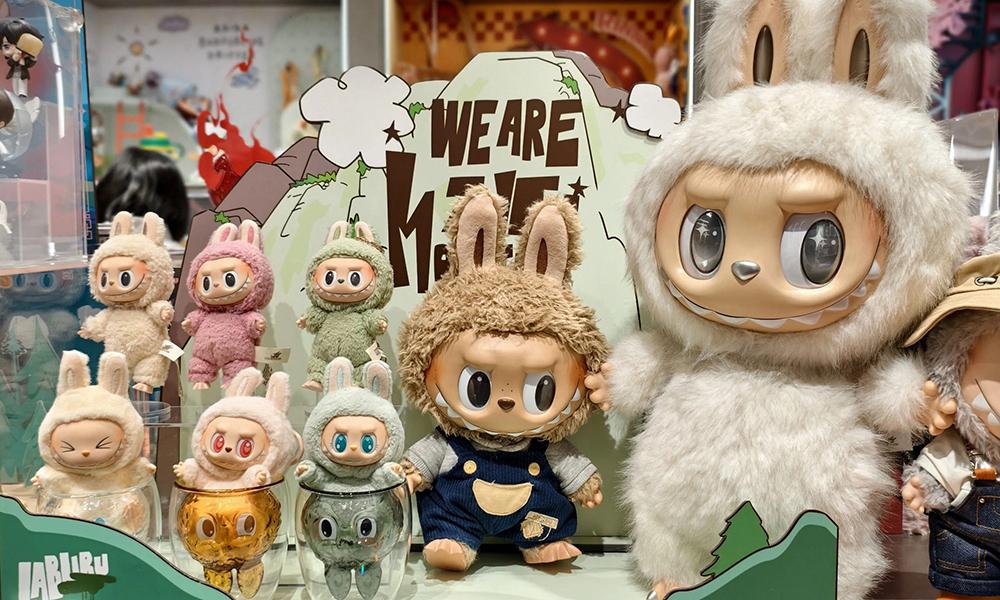
? 拉布布(Labubu)的制造商泡泡瑪特(Pop Mart)起步于北京一家小小的玩具店。十五年過去,這家公司的市值已達461億美元,其38歲的創始人王寧現已成為中國第十大富豪。這場風靡全球的熱潮,很大程度上是由Z世代與千禧一代消費者推動,他們希望借此重拾童年回憶。為了搶購到這些著名的收藏玩具,有些人甚至凌晨兩點就開始排隊。 “盲盒”機制也為消費體驗重新注入了神秘感。
毛茸茸的怪獸玩具正在席卷互聯網,不少人曬出成堆的收藏品,一些稀有款在拍賣會上甚至能拍出17萬美元的高價。“拉布布”玩偶正引發一場價值數十億美元的收藏狂潮,而這一切都始于大學畢業生王寧為成年人開設的一家玩具店。
憑借盲盒、“拉布布”毛絨玩偶、Crybaby手辦、Molly娃娃等潮流玩具的成功,泡泡瑪特迅速占領市場,目前其市值已高達461億美元。這家中國公司去年總營收達18億美元,其中7億美元來自中國大陸以外的消費者。尤其在美國,泡泡瑪特正迎來高光時刻:一只標志性的拉布布玩偶價格從40美元到200美元不等,還常常需要排隊數小時。
泡泡瑪特美洲區IP授權負責人艾米麗·布拉夫對《財富》雜志表示:“在美國,我們見過全家上陣凌晨6點就在排隊等待門店開門的景象。初次收藏者和資深玩家一起搶購盲盒。”
她補充道:“泡泡瑪特今年計劃在美國開設50家門店,品牌社群的規模還在持續壯大。”
泡泡瑪特如今已成為顛覆市場的現象級品牌,在全球擁有超過530家門店,在北京有一座主題樂園,僅在中國就擁有4,600萬名購物會員。而這一切都始于現年38歲的王寧2010年在中國首都北京創辦的一家小小玩具店。
從北京中關村的一家玩具店,到市值461億美元的現象級企業
王寧如今是中國第十大富豪,憑借他在泡泡瑪特的股份,凈資產達227億美元,而這得益于他大學畢業后的一個職業選擇。
2009年從鄭州大學廣告學專業畢業一年后,王寧在被譽為“中國硅谷”的中關村開設了一家小小的泡泡瑪特商店。這位年輕創業者的靈感來自香港的零售連鎖品牌Log-On。這家小店最初主要銷售玩具、漫畫和手機配件,但到了2014年,王寧意識到收藏玩具市場真正大有可為。
兩年后,公司迎來了下一個突破點。泡泡瑪特與中國香港藝術家王信明合作,推出“Molly”系列設計師玩具。這個看似普通的系列有一個別出心裁的設定:藏品以盲盒形式出售,消費者不知道自己會抽中哪款玩具。正是這種驚喜感、神秘感與趣味性,迅速點燃了市場熱情,盲盒玩法隨之風靡。
2020年12月,這家中國玩具巨頭成功上市,市值達到125億美元,首次公開募股募資6.76億美元。上市之后,公司發展勢頭不減。去年,其股價飆升370%,在MSCI中國指數成分股中的表現領先于大多數公司。
Z世代掀起拉布布與盲盒熱潮
拉布布玩偶在美國年輕群體中的走紅,乍看之下令人費解。這款玩具由荷蘭藝術家龍家升設計,造型融合了毛絨猴子的軀體與帶有狡黠笑容的精靈面孔。
公眾對這款玩偶是否可愛看法不一,但無可否認的是,它已成為數百萬人的包袋掛件和隨手可抱的收藏品。
泡泡瑪特的布拉夫表示:“我們看到社群在推動這場熱潮中發揮了巨大的作用,無論是粉絲們曬出陳列架、發布TikTok視頻,還是搭配包袋造型。”她補充道:“明星與玩偶的偶爾亮相,無疑也增加了曝光度。”
當紅歌手杜阿·利帕和蕾哈娜都被拍到在設計師手袋上掛著拉布布,Blackpink成員Lisa也曾被拍到摟著這款玩偶。這些都是拉布布在社交媒體上自然傳播的一部分:有人發布凌晨兩點排隊搶購拉布布的視頻,也有人曬出自己的藏品,引來圍觀者艷羨不已。但在商場排隊的并不是小朋友,而是渴望重拾童趣的年輕人。
布拉夫指出:“我們看到Z世代與千禧一代的興趣激增,尤其是那些熱愛時尚、藝術與懷舊收藏的人群。”(財富中文網)
譯者:劉進龍
審校:汪皓
? 拉布布(Labubu)的制造商泡泡瑪特(Pop Mart)起步于北京一家小小的玩具店。十五年過去,這家公司的市值已達461億美元,其38歲的創始人王寧現已成為中國第十大富豪。這場風靡全球的熱潮,很大程度上是由Z世代與千禧一代消費者推動,他們希望借此重拾童年回憶。為了搶購到這些著名的收藏玩具,有些人甚至凌晨兩點就開始排隊。 “盲盒”機制也為消費體驗重新注入了神秘感。
毛茸茸的怪獸玩具正在席卷互聯網,不少人曬出成堆的收藏品,一些稀有款在拍賣會上甚至能拍出17萬美元的高價。“拉布布”玩偶正引發一場價值數十億美元的收藏狂潮,而這一切都始于大學畢業生王寧為成年人開設的一家玩具店。
憑借盲盒、“拉布布”毛絨玩偶、Crybaby手辦、Molly娃娃等潮流玩具的成功,泡泡瑪特迅速占領市場,目前其市值已高達461億美元。這家中國公司去年總營收達18億美元,其中7億美元來自中國大陸以外的消費者。尤其在美國,泡泡瑪特正迎來高光時刻:一只標志性的拉布布玩偶價格從40美元到200美元不等,還常常需要排隊數小時。
泡泡瑪特美洲區IP授權負責人艾米麗·布拉夫對《財富》雜志表示:“在美國,我們見過全家上陣凌晨6點就在排隊等待門店開門的景象。初次收藏者和資深玩家一起搶購盲盒。”
她補充道:“泡泡瑪特今年計劃在美國開設50家門店,品牌社群的規模還在持續壯大。”
泡泡瑪特如今已成為顛覆市場的現象級品牌,在全球擁有超過530家門店,在北京有一座主題樂園,僅在中國就擁有4,600萬名購物會員。而這一切都始于現年38歲的王寧2010年在中國首都北京創辦的一家小小玩具店。
從北京中關村的一家玩具店,到市值461億美元的現象級企業
王寧如今是中國第十大富豪,憑借他在泡泡瑪特的股份,凈資產達227億美元,而這得益于他大學畢業后的一個職業選擇。
2009年從鄭州大學廣告學專業畢業一年后,王寧在被譽為“中國硅谷”的中關村開設了一家小小的泡泡瑪特商店。這位年輕創業者的靈感來自香港的零售連鎖品牌Log-On。這家小店最初主要銷售玩具、漫畫和手機配件,但到了2014年,王寧意識到收藏玩具市場真正大有可為。
兩年后,公司迎來了下一個突破點。泡泡瑪特與中國香港藝術家王信明合作,推出“Molly”系列設計師玩具。這個看似普通的系列有一個別出心裁的設定:藏品以盲盒形式出售,消費者不知道自己會抽中哪款玩具。正是這種驚喜感、神秘感與趣味性,迅速點燃了市場熱情,盲盒玩法隨之風靡。
2020年12月,這家中國玩具巨頭成功上市,市值達到125億美元,首次公開募股募資6.76億美元。上市之后,公司發展勢頭不減。去年,其股價飆升370%,在MSCI中國指數成分股中的表現領先于大多數公司。
Z世代掀起拉布布與盲盒熱潮
拉布布玩偶在美國年輕群體中的走紅,乍看之下令人費解。這款玩具由荷蘭藝術家龍家升設計,造型融合了毛絨猴子的軀體與帶有狡黠笑容的精靈面孔。
公眾對這款玩偶是否可愛看法不一,但無可否認的是,它已成為數百萬人的包袋掛件和隨手可抱的收藏品。
泡泡瑪特的布拉夫表示:“我們看到社群在推動這場熱潮中發揮了巨大的作用,無論是粉絲們曬出陳列架、發布TikTok視頻,還是搭配包袋造型。”她補充道:“明星與玩偶的偶爾亮相,無疑也增加了曝光度。”
當紅歌手杜阿·利帕和蕾哈娜都被拍到在設計師手袋上掛著拉布布,Blackpink成員Lisa也曾被拍到摟著這款玩偶。這些都是拉布布在社交媒體上自然傳播的一部分:有人發布凌晨兩點排隊搶購拉布布的視頻,也有人曬出自己的藏品,引來圍觀者艷羨不已。但在商場排隊的并不是小朋友,而是渴望重拾童趣的年輕人。
布拉夫指出:“我們看到Z世代與千禧一代的興趣激增,尤其是那些熱愛時尚、藝術與懷舊收藏的人群。”(財富中文網)
譯者:劉進龍
審校:汪皓
? Labubu toy maker Pop Mart started off as a small toy store in Beijing. Fifteen years later, the business is worth $46.1 billion, and its 38-year-old founder, Wang Ning, is now China’s 10th richest man. A huge part of this craze is driven by global Gen Z and millennial shoppers looking to revive their childhoods, with some getting in line as early as 2 a.m. for a chance to score the famous collectible toys. Its “blind boxes” are also bringing mystery back to the consumer experience.
Furry plush monsters are taking over the internet, with people bragging about their stacked collections and some rare collectibles being sold at auction for up to $170,000. Labubu dolls are causing a billion-dollar frenzy, and it all started when college graduate Wang Ning opened a toy store for grownups.
Pop Mart is taking over the market, boasting a $46.1 billion market cap thanks to the success of its “blind boxes,” Labubu plushies, Crybaby figurines, Molly dolls, and other designer collectibles. The Chinese business reeled in $1.8 billion in total revenue last year, with $700 million coming from non-mainland consumers. It’s having a moment in the U.S. in particular: Getting your hands on its signature Labubu doll can set you back anywhere between $40 and $200, alongside an hours-long wait in line.
“In the U.S., we’ve had families queuing at 6 a.m. for store openings and first-time collectors grabbing blind boxes alongside seasoned fans,” Emily Brough, Pop Mart’s head of IP licensing for the Americas, told Fortune.
“With a goal of 50 U.S. store openings this year, Pop Mart’s community is only growing,” she added.
Pop Mart is now a phenomenon shaking up the market—with over 530 stores worldwide, an amusement park in Beijing, and 46 million shopping members in China alone. But it all started when Wang, now 38, launched the company in 2010 as a small toy store in the country’s capital.
From a toy store in Beijing’s Silicon Valley to a $46.1 billion phenomenon
Wang Ning is now the 10th richest man in China—with a net worth of $22.7 billion based on his Pop Mart stake—thanks to a career choice he made right out of high school.
One year after graduating with an advertising degree from Zhengzhou University in 2009, he opened a small Pop Mart store in Zhongguancun, informally known as China’s Silicon Valley. He was a young entrepreneur inspired by Hong Kong’s Log-On retail chain. His original store sold toys, comics, and phone accessories—but by 2014, Wang realized the true market potential of selling collectible toys.
The company’s next breakthrough happened two years later, when it partnered with Hong Kong artist Kenny Wong to launch the “Molly” line of designer toys. But the run-of-the-mill series had an interesting catch: The collection was sold in blind boxes, where shoppers didn’t know which toy they would receive. Igniting a sense of surprise, mystery, and play, consumers heavily bought into the format.
In December 2020, the Chinese toy behemoth went public, achieving a market cap of $12.5 billion and raising $676 million in an initial public offering. And things haven’t slowed down since; last year, its shares skyrocketed 370%, putting Pop Mart ahead of most on the MSCI China Index.
The Gen Z–fueled Labubu and blind-box craze
The popularity of Labubu dolls among young American adults might seem perplexing. Designed by Netherlands-based artist Kasing Lung, the toy merges a plush monkey’s body with the face of an elf bearing a wicked grin.
The public is divided on whether the doll is cute or not—but it’s undoubtedly become a staple purse token and huggable collectible for millions.
“We’ve seen the community play a huge role in fueling this movement—whether it’s fans sharing display shelves, TikTok videos, or styling their bag charms,” Pop Mart’s Brough said, adding that “occasional celebrity moments certainly add visibility.”
Superstars Dua Lipa and Rihanna both have been paparazzied rocking Labubus on their designer bags—and even Blackpink’s Lisa was pictured cuddled up to the toy. It’s all part of the toy’s organic social-media takeover, with people posting videos of themselves waiting in line at 2 a.m. to snag a Labubu, and others showing off their collections to envious viewers. But it’s not little kids queuing at the mall—it’s young adults looking to reconnect with childhood fun.
Noted Brough, “We’re seeing surging interest from Gen Z and millennials, particularly those drawn to fashion, art, and nostalgia-infused collectibles.”

請打開財富Plus APP