


全球變暖讓2500萬美國人更加難以入睡
Ani Freedman
2025-06-21
研究表明,氣溫攀升可能導致阻塞性睡眠呼吸暫停癥狀加重,從而加重健康和經濟負擔。
 文本設置
文本設置
 Plus(0條)

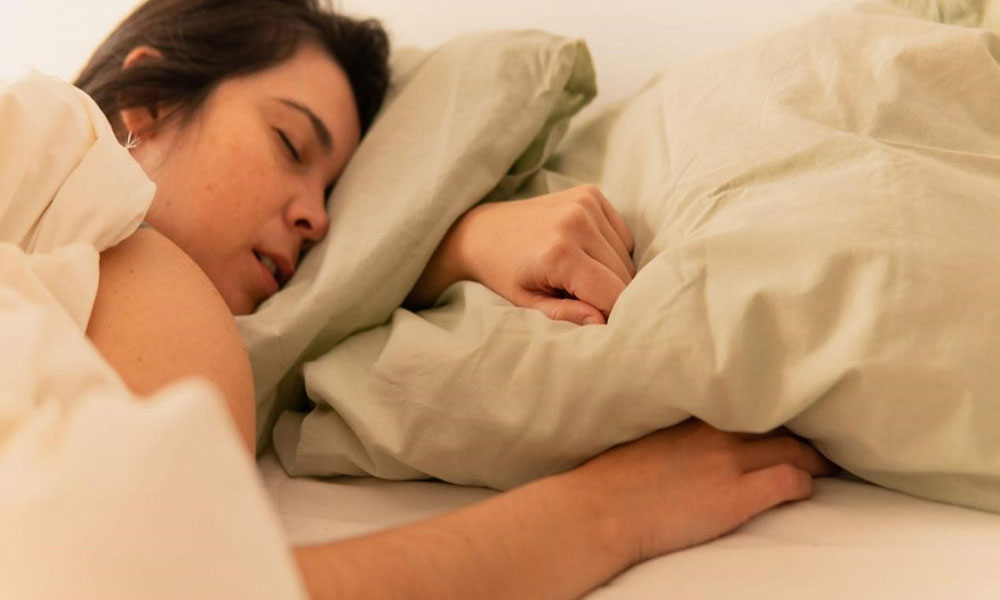
你清楚自己是否有打鼾的習慣嗎?或許伴侶或家人曾告訴你這個令人驚訝(或不足為奇)的消息,又或許你曾因他人的鼾聲而徹夜難眠。梅奧診所指出,打鼾通常是阻塞性睡眠呼吸暫停(obstructive sleep apnea,OSA)的征兆,這種睡眠相關呼吸障礙最為常見,據估算,超2500萬美國成年人受其影響。其病理機制在于咽喉肌肉松弛,致使氣道受阻,患者在睡眠時會反復出現呼吸暫停與恢復的情況。
近期研究揭示,一個乍看之下毫無關聯的現象,或許正在加劇這種潛藏危險的睡眠障礙——氣候變化。發表在《自然-通訊》(Nature Communications)上的一項新研究指出,環境溫度升高會使參與者在特定夜晚罹患阻塞性睡眠呼吸暫停的概率增加45%。
澳大利亞弗林德斯大學(Flinders University)健康與醫學研究所的首席作者巴斯蒂安·勒沙特(Bastien Lechat)在新聞稿中表示:“總體而言,我們對環境溫度與阻塞性睡眠呼吸暫停嚴重程度之間的關聯程度感到驚訝。”
這不僅對健康構成威脅,還會影響經濟,令人擔憂:阻塞性睡眠呼吸暫停與工作場所工作效率顯著下降和缺勤率上升相關。隨著氣溫升高,其患病率不斷上升,全球經濟或將面臨300億美元的生產力損失,以及680億美元的健康惡化成本。
研究人員借助經美國食品藥品監督管理局(FDA)批準的阻塞性睡眠呼吸暫停監測儀,對來自29個國家的116620名參與者長達三年半的睡眠數據展開分析,旨在確定每日環境溫度與夜間阻塞性睡眠呼吸暫停狀況之間的關聯。
“提升診斷率與治療率,將助力我們管控并減少氣候相關阻塞性睡眠呼吸暫停引發的不良健康狀況與生產力問題。”該研究的合著者丹尼·埃克特(Danny Eckert)在新聞稿中表示。
阻塞性睡眠呼吸暫停與氣候變化帶來的健康影響
氣溫攀升會使阻塞性睡眠呼吸暫停癥狀加重,進而引發嚴重健康問題。未經治療或病情嚴重的阻塞性睡眠呼吸暫停,會增加罹患癡呆癥、帕金森病、高血壓、心血管疾病、焦慮癥和抑郁癥的風險,甚至可能縮短壽命。此外,患有阻塞性睡眠呼吸暫停者還可能因呼吸中斷致使睡眠不斷被干擾,難以進入深度恢復性睡眠狀態,從而頻繁出現疲勞與情緒波動。
睡眠質量欠佳還與大腦衰老進程加速、認知功能衰退、心理健康狀況惡化,炎癥、心血管疾病和免疫系統受抑相關。
此外,環境溫度攀升對健康的負面影響已得到證實,涵蓋心理健康狀況惡化、整體睡眠質量下降以及睡眠時長縮短。此前研究顯示,總體而言,氣溫升高會加重阻塞性睡眠呼吸暫停帶來的影響——溫度上升會使睡眠階段變淺,睡眠中斷與覺醒的頻次增多。
阻塞性睡眠呼吸暫停的經濟負擔
在此項研究中,研究人員估算,2023年全球變暖致使阻塞性睡眠呼吸暫停患病率上升,在29個國家造成788198個健康生命年的折損。
鑒于阻塞性睡眠呼吸暫停會因睡眠中斷而影響情緒與精力水平,患者常出現工作效率降低、缺勤次數增多的情況。若其發生頻率與嚴重程度持續攀升,或會對全球經濟造成災難性沖擊。2023年,研究人員發現,阻塞性睡眠呼吸暫停的增多致使29個研究國家的缺勤天數額外增加2500萬天,由此產生的勞動力損失經濟成本高達300億美元。
研究人員警告稱,研究樣本可能低估了潛在的健康和經濟負擔:所有參與者均配備睡眠追蹤設備,且居住在空調等防暑設施普及的高度發達國家,這導致承受高溫負擔最重的低收入群體未能得到充分代表。
隨著全球平均氣溫預計將攀升2.1°C至3.4°C,高溫帶來的影響或將進一步加劇。
“我們的研究結果表明,若缺乏更有效的政策措施來遏制全球變暖,到2100年,由于氣溫上升,阻塞性睡眠呼吸暫停帶來的負擔或將翻倍。”勒沙特表示。
埃克特補充道:“未來,我們期望設計干預研究,探索減輕環境溫度對睡眠呼吸暫停嚴重程度影響的策略,并探究溫度波動與阻塞性睡眠呼吸暫停嚴重程度關聯的潛在生理機制。” (財富中文網)
譯者:中慧言-王芳
你清楚自己是否有打鼾的習慣嗎?或許伴侶或家人曾告訴你這個令人驚訝(或不足為奇)的消息,又或許你曾因他人的鼾聲而徹夜難眠。梅奧診所指出,打鼾通常是阻塞性睡眠呼吸暫停(obstructive sleep apnea,OSA)的征兆,這種睡眠相關呼吸障礙最為常見,據估算,超2500萬美國成年人受其影響。其病理機制在于咽喉肌肉松弛,致使氣道受阻,患者在睡眠時會反復出現呼吸暫停與恢復的情況。
近期研究揭示,一個乍看之下毫無關聯的現象,或許正在加劇這種潛藏危險的睡眠障礙——氣候變化。發表在《自然-通訊》(Nature Communications)上的一項新研究指出,環境溫度升高會使參與者在特定夜晚罹患阻塞性睡眠呼吸暫停的概率增加45%。
澳大利亞弗林德斯大學(Flinders University)健康與醫學研究所的首席作者巴斯蒂安·勒沙特(Bastien Lechat)在新聞稿中表示:“總體而言,我們對環境溫度與阻塞性睡眠呼吸暫停嚴重程度之間的關聯程度感到驚訝。”
這不僅對健康構成威脅,還會影響經濟,令人擔憂:阻塞性睡眠呼吸暫停與工作場所工作效率顯著下降和缺勤率上升相關。隨著氣溫升高,其患病率不斷上升,全球經濟或將面臨300億美元的生產力損失,以及680億美元的健康惡化成本。
研究人員借助經美國食品藥品監督管理局(FDA)批準的阻塞性睡眠呼吸暫停監測儀,對來自29個國家的116620名參與者長達三年半的睡眠數據展開分析,旨在確定每日環境溫度與夜間阻塞性睡眠呼吸暫停狀況之間的關聯。
“提升診斷率與治療率,將助力我們管控并減少氣候相關阻塞性睡眠呼吸暫停引發的不良健康狀況與生產力問題。”該研究的合著者丹尼·埃克特(Danny Eckert)在新聞稿中表示。
阻塞性睡眠呼吸暫停與氣候變化帶來的健康影響
氣溫攀升會使阻塞性睡眠呼吸暫停癥狀加重,進而引發嚴重健康問題。未經治療或病情嚴重的阻塞性睡眠呼吸暫停,會增加罹患癡呆癥、帕金森病、高血壓、心血管疾病、焦慮癥和抑郁癥的風險,甚至可能縮短壽命。此外,患有阻塞性睡眠呼吸暫停者還可能因呼吸中斷致使睡眠不斷被干擾,難以進入深度恢復性睡眠狀態,從而頻繁出現疲勞與情緒波動。
睡眠質量欠佳還與大腦衰老進程加速、認知功能衰退、心理健康狀況惡化,炎癥、心血管疾病和免疫系統受抑相關。
此外,環境溫度攀升對健康的負面影響已得到證實,涵蓋心理健康狀況惡化、整體睡眠質量下降以及睡眠時長縮短。此前研究顯示,總體而言,氣溫升高會加重阻塞性睡眠呼吸暫停帶來的影響——溫度上升會使睡眠階段變淺,睡眠中斷與覺醒的頻次增多。
阻塞性睡眠呼吸暫停的經濟負擔
在此項研究中,研究人員估算,2023年全球變暖致使阻塞性睡眠呼吸暫停患病率上升,在29個國家造成788198個健康生命年的折損。
鑒于阻塞性睡眠呼吸暫停會因睡眠中斷而影響情緒與精力水平,患者常出現工作效率降低、缺勤次數增多的情況。若其發生頻率與嚴重程度持續攀升,或會對全球經濟造成災難性沖擊。2023年,研究人員發現,阻塞性睡眠呼吸暫停的增多致使29個研究國家的缺勤天數額外增加2500萬天,由此產生的勞動力損失經濟成本高達300億美元。
研究人員警告稱,研究樣本可能低估了潛在的健康和經濟負擔:所有參與者均配備睡眠追蹤設備,且居住在空調等防暑設施普及的高度發達國家,這導致承受高溫負擔最重的低收入群體未能得到充分代表。
隨著全球平均氣溫預計將攀升2.1°C至3.4°C,高溫帶來的影響或將進一步加劇。
“我們的研究結果表明,若缺乏更有效的政策措施來遏制全球變暖,到2100年,由于氣溫上升,阻塞性睡眠呼吸暫停帶來的負擔或將翻倍。”勒沙特表示。
埃克特補充道:“未來,我們期望設計干預研究,探索減輕環境溫度對睡眠呼吸暫停嚴重程度影響的策略,并探究溫度波動與阻塞性睡眠呼吸暫停嚴重程度關聯的潛在生理機制。” (財富中文網)
譯者:中慧言-王芳
Do you know if you snore or not? Maybe you had a partner or family member deliver the surprising (or not) news, or perhaps you have had sleepless nights listening to someone else’s snores. Snoring can often be a sign of obstructive sleep apnea, the most common sleep-related breathing disorder estimated to impact over 25 million U.S. adults. It causes people to repeatedly stop and start breathing while they sleep, when the throat muscles relax and block the airway, according to the Mayo Clinic.
A seemingly unrelated phenomenon could be worsening this potentially dangerous sleep disorder, according to recent research: climate change. A new study published in Nature Communications found that warmer temperatures caused participants to have a 45% higher probability of having obstructive sleep apnea (OSA) on a given night.
“Overall, we were surprised by the magnitude of the association between ambient temperature and OSA severity,” said lead author Bastien Lechat at Flinders University Health and Medical Research Institute in Australia in the press release.
That can have worrying implications not only for health, but also the economy: OSA is associated with significant decreases in workplace productivity and absenteeism, and as it becomes more prevalent with rising temperatures, that could cost the global economy $30 billion in lost productivity, and another $68 billion from worsened well-being.
Researchers analyzed sleep data of 116,620 participants across 29 countries over 3.5 years, using an OSA monitor cleared by the Food and Drug Administration to establish the link between daily ambient temperature and nightly OSA status.
“Higher rates of diagnosis and treatment will help us to manage and reduce the adverse health and productivity issues caused by climate related OSA,” coauthor Danny Eckert said in the press release.
The health toll of obstructive sleep apnea and climate change
As OSA is exacerbated by warming temperatures, that can lead to detrimental health impacts. Untreated or severe cases of OSA can increase the risk of dementia, Parkinson’s disease, hypertension, cardiovascular disease, anxiety and depression, and even a shorten your life span. People with OSA may also suffer from frequent fatigue and mood swings, caused by continually disrupted sleep from breathing interruptions that inhibits settling into a deep, restorative sleep.
Poor sleep is also linked to faster brain aging, decreased cognitive functioning, worsened mental health, inflammation, cardiovascular disease, and a suppressed immune system.
Higher ambient temperatures also have well-established negative effects on health, including worsened mental well-being and overall worsened sleep quality and duration. Previous research shows that warmer temperatures overall magnify the impacts of OSA, as warmer temperatures lead to lighter sleep stages and more frequent disruptions and awakenings.
The economic burden of OSA
In the study, researchers estimated that the global warming-related increases in OSA prevalence in 2023 was associated with a loss of 788,198 healthy life years in 29 countries.
Given how OSA impacts mood and energy levels caused by disrupted sleep, it’s common that people experience lower productivity and more frequent missed days at work. But if OSA frequency and severity continues to increase, that could be catastrophic for the global economy. In 2023, researchers observed that the increase in OSA led to an additional 25 million absenteeism days across the 29 studied countries, leading to an economic cost of $30 billion from the lost labor.
Researchers caution that the study population likely underestimates the potential health and economic burden: All participants owned a sleep tracking device and resided in highly developed countries with greater access to heat-mitigating tools like air conditioning, leaving lower socioeconomic groups with the greatest heat burden underrepresented.
With the mean global temperatures projected to increase by 2.1°C to 3.4°C, the impacts of heat are likely to worsen.
“Our findings highlight that without greater policy action to slow global warming, OSA burden may double by 2100 due to rising temperatures,” Lechat said.
“Going forward, we want to design intervention studies that explore strategies to reduce the impact of ambient temperatures on sleep apnea severity as well as investigate the underlying physiological mechanisms that connect temperature fluctuations to OSA severity,” Eckert added.

請打開財富Plus APP