


卡夫亨氏:將從酷樂飲料、Jell-O果凍等產品中淘汰人工色素
美聯社
2025-06-22
卡夫亨氏計劃自2027年起,逐步在其美國市場產品中淘汰人工色素,同時停止推出含此類色素的新品。
 文本設置
文本設置
 Plus(0條)

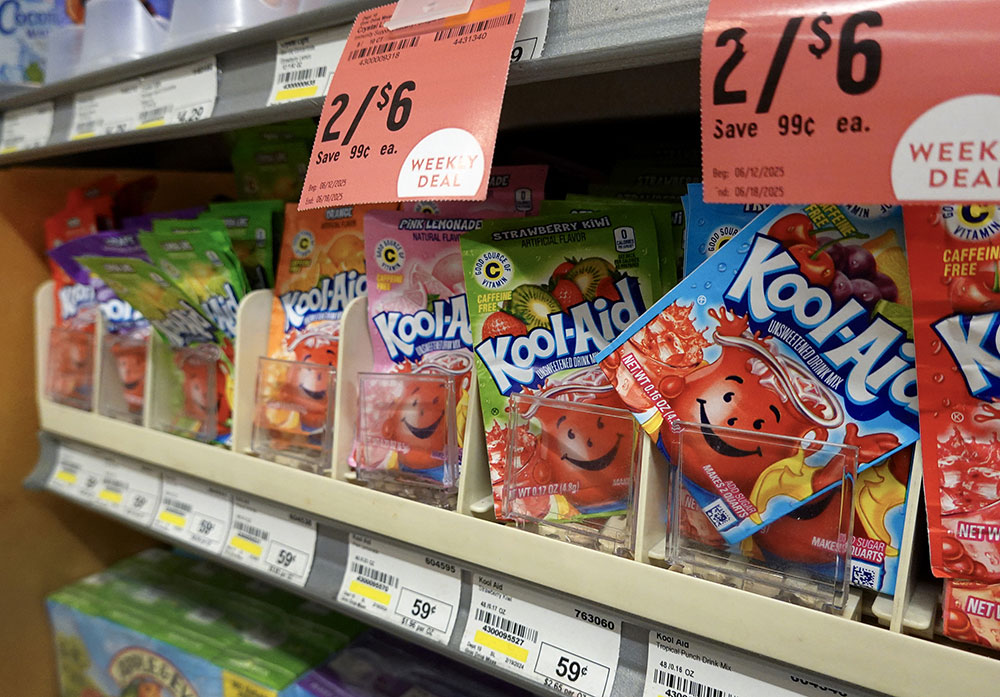
美國衛生官員表示將敦促食品制造商逐步淘汰食品供應中石油基人工色素近兩個月后,這一舉措終于出臺。
卡夫亨氏周二表示,其在美國市場銷售的產品中,已有近九成不含食品、藥品及化妝品用色素(FD&C colors),而剩余仍在使用此類色素的產品將在2027年底前完成色素去除工作。食品、藥品及化妝品用色素是經美國食品藥品監督管理局(FDA)批準用于食品、藥品和化妝品的合成添加劑。
卡夫亨氏指出,目前仍使用食品、藥品及化妝品用色素的美國產品主要集中在飲料和甜點類別,包括Crystal Light、酷樂飲料(Kool Aid)、Jell-O果凍和Jet Puffed等品牌旗下的部分產品。
該公司表示,未來將改用天然色素替代這些產品中的食品、藥品及化妝品用色素。
卡夫亨氏北美區總裁佩德羅·納維奧(Pedro Navio)在一份聲明中表示:“我們絕大多數產品均使用天然色素或不含色素,且始終致力于減少旗下其余產品中食品、藥品及化妝品用色素的使用。”
早在2016年,卡夫亨氏就已從通心粉和奶酪產品中剔除人工色素、香料和防腐劑,并表示其番茄醬從未添加過人工色素。
該公司計劃與旗下品牌的授權商合作,鼓勵他們去除這些色素。
今年4月,美國食品藥品監督管理局局長馬蒂·馬卡里(Marty Makary)在新聞發布會上表示,該機構將采取舉措在2026年底前淘汰合成色素,主要依靠食品行業的自愿行動。
長期以來,健康倡導者一直呼吁從食品中去除人工色素,稱多項研究表明其可能導致部分兒童出現神經行為問題,包括多動癥和注意力障礙。然而,美國食品藥品監督管理局卻堅稱,經其批準使用的色素是安全的,“科學證據總體表明,大多數兒童食用含色素添加劑的食品后無不良反應”。
美國食品藥品監督管理局目前允許使用36種食品色素添加劑,其中包括8種合成色素。今年1月,該機構宣布,用于糖果、蛋糕以及部分藥物的紅3號色素將于2027年起被禁止用于食品,原因是其會致使實驗鼠患癌。
人工色素在美國食品領域的應用極為廣泛。而在加拿大與歐洲(合成色素需標注警告標簽),制造商大多傾向于采用天然替代品。加州、西弗吉尼亞等多個州已頒布法律,對食品中人工色素的使用加以限制。
據全球最大食用色素和香料生產商之一森馨(Sensient Colors)透露,許多美國食品公司已在重新調配食品配方。食品制造商可用甜菜、藻類、碾碎的昆蟲制成的天然色素,以及紫薯、蘿卜、紅球甘藍中的色素來替代合成色素。(財富中文網)
譯者:中慧言-王芳
卡夫亨氏(Kraft Heinz)計劃自2027年起,逐步在其美國市場產品中淘汰人工色素,同時停止推出含此類色素的新品。
美國衛生官員表示將敦促食品制造商逐步淘汰食品供應中石油基人工色素近兩個月后,這一舉措終于出臺。
卡夫亨氏周二表示,其在美國市場銷售的產品中,已有近九成不含食品、藥品及化妝品用色素(FD&C colors),而剩余仍在使用此類色素的產品將在2027年底前完成色素去除工作。食品、藥品及化妝品用色素是經美國食品藥品監督管理局(FDA)批準用于食品、藥品和化妝品的合成添加劑。
卡夫亨氏指出,目前仍使用食品、藥品及化妝品用色素的美國產品主要集中在飲料和甜點類別,包括Crystal Light、酷樂飲料(Kool Aid)、Jell-O果凍和Jet Puffed等品牌旗下的部分產品。
該公司表示,未來將改用天然色素替代這些產品中的食品、藥品及化妝品用色素。
卡夫亨氏北美區總裁佩德羅·納維奧(Pedro Navio)在一份聲明中表示:“我們絕大多數產品均使用天然色素或不含色素,且始終致力于減少旗下其余產品中食品、藥品及化妝品用色素的使用。”
早在2016年,卡夫亨氏就已從通心粉和奶酪產品中剔除人工色素、香料和防腐劑,并表示其番茄醬從未添加過人工色素。
該公司計劃與旗下品牌的授權商合作,鼓勵他們去除這些色素。
今年4月,美國食品藥品監督管理局局長馬蒂·馬卡里(Marty Makary)在新聞發布會上表示,該機構將采取舉措在2026年底前淘汰合成色素,主要依靠食品行業的自愿行動。
長期以來,健康倡導者一直呼吁從食品中去除人工色素,稱多項研究表明其可能導致部分兒童出現神經行為問題,包括多動癥和注意力障礙。然而,美國食品藥品監督管理局卻堅稱,經其批準使用的色素是安全的,“科學證據總體表明,大多數兒童食用含色素添加劑的食品后無不良反應”。
美國食品藥品監督管理局目前允許使用36種食品色素添加劑,其中包括8種合成色素。今年1月,該機構宣布,用于糖果、蛋糕以及部分藥物的紅3號色素將于2027年起被禁止用于食品,原因是其會致使實驗鼠患癌。
人工色素在美國食品領域的應用極為廣泛。而在加拿大與歐洲(合成色素需標注警告標簽),制造商大多傾向于采用天然替代品。加州、西弗吉尼亞等多個州已頒布法律,對食品中人工色素的使用加以限制。
據全球最大食用色素和香料生產商之一森馨(Sensient Colors)透露,許多美國食品公司已在重新調配食品配方。食品制造商可用甜菜、藻類、碾碎的昆蟲制成的天然色素,以及紫薯、蘿卜、紅球甘藍中的色素來替代合成色素。(財富中文網)
譯者:中慧言-王芳
Kraft Heinz will be pulling artificial dyes from its U.S. products starting in 2027 and will no longer roll out new products with the dyes.
The move comes nearly two months after U.S. health officials said that they would urge foodmakers to phase out petroleum-based artificial colors in the nation’s food supply.
Kraft Heinz said Tuesday that almost 90% of its U.S. products already don’t contain food, drug & cosmetic colors, but that the products that do still use the dyes will have them removed by the end of 2027. FD&C colors are synthetic additives that are approved by the U.S. Food and Drug Administration for use in food, drugs and cosmetics.
Kraft Heinz said that many of its U.S. products that still use the FD&C colors are in its beverage and desserts categories, including certain products sold under brands including Crystal Light, Kool Aid, Jell-O and Jet Puffed.
The company said that it will instead use natural colors for the products.
“The vast majority of our products use natural or no colors, and we’ve been on a journey to reduce our use of FD&C colors across the remainder of our portfolio,” Pedro Navio, North America President at Kraft Heinz, said in a statement.
Kraft Heinz stripped artificial colors, flavors and preservatives from its macaroni and cheese in 2016 and said it has never used artificial dyes in its ketchup.
The company plans to work with licensees of its brands to encourage them to remove the dyes.
In April Food and Drug Administration Commissioner Marty Makary said at a news conference that the agency would take steps to eliminate the synthetic dyes by the end of 2026, largely by relying on voluntary efforts from the food industry.
Health advocates have long called for the removal of artificial dyes from foods, citing mixed studies indicating they can cause neurobehavioral problems, including hyperactivity and attention issues, in some children. The FDA has maintained that the approved dyes are safe and that “the totality of scientific evidence shows that most children have no adverse effects when consuming foods containing color additives.”
The FDA currently allows 36 food color additives, including eight synthetic dyes. In January, the agency announced that the dye known as Red 3 — used in candies, cakes and some medications — would be banned in food by 2027 because it caused cancer in laboratory rats.
Artificial dyes are used widely in U.S. foods. In Canada and in Europe — where synthetic colors are required to carry warning labels — manufacturers mostly use natural substitutes. Several states, including California and West Virginia, have passed laws restricting the use of artificial colors in foods.
Many U.S. food companies are already reformulating their foods, according to Sensient Colors, one of the world’s largest producers of food dyes and flavorings. In place of synthetic dyes, foodmakers can use natural hues made from beets, algae and crushed insects and pigments from purple sweet potatoes, radishes and red cabbage.

請打開財富Plus APP