


著名空頭:關稅戰與第一次世界大戰或有相似之處
Sasha Rogelberg
2025-06-24
投資者史蒂夫?艾斯曼表示,貿易戰可能導致全球經濟衰退。
 文本設置
文本設置
 Plus(0條)

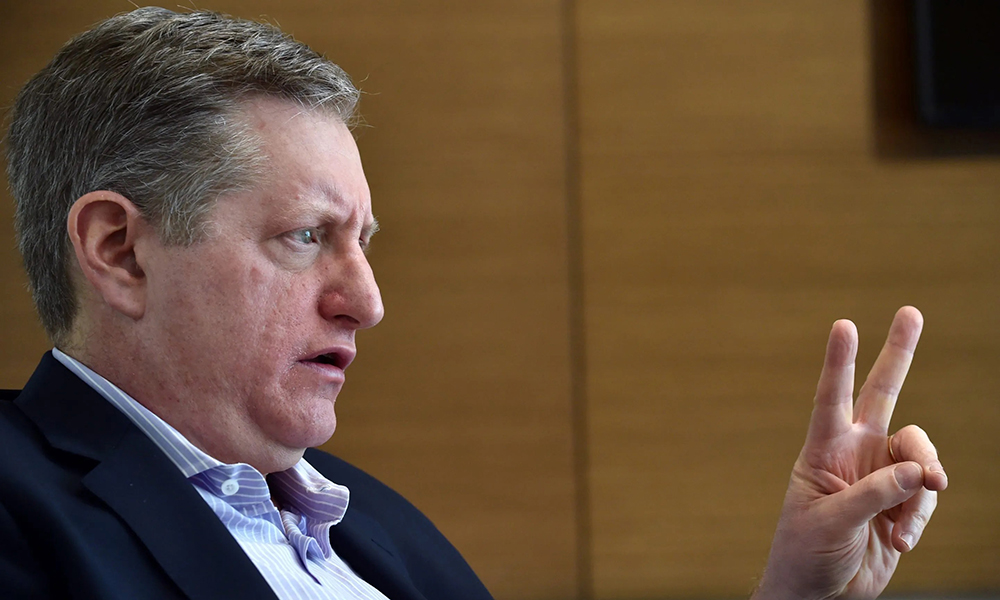
億萬富翁投資者史蒂夫?艾斯曼警告稱,若特朗普總統持續的關稅立場引發全面貿易戰,全球經濟將陷入嚴峻困境。
6月17日,這位Neuberger Berman前任董事總經理在美國消費者新聞與商業頻道(CNBC)采訪中表示,若特朗普政府能夠促成與被征稅各國罷戰息兵,那么美國經濟和市場將蓬勃發展,否則,“迎接我們的或將是全球性的衰退”。艾斯曼曾成功預測2008年股市崩盤并從中獲利,邁克爾?劉易斯書作《大空頭》及2015年同名電影便基于其經歷。
艾斯曼表示:“我認為,關稅及潛在的貿易戰確實是當前市場唯一的風險,這二者是徹徹底底的孿生事物,我實在無力阻止。”
特朗普反復無常的關稅決策令消費者(因關稅大幅削減支出)以及像艾斯曼一樣將關稅視為全球經濟威脅的投資者感到緊張不安。美國銀行上周發布的《全球基金經理調查報告》(Global Fund Manager Survey)顯示,在接受調查的222位基金經理中,47%認為貿易戰導致的全球衰退是市場最大的“尾部風險”。
與英國等國達成的貿易協議以及與中國的臨時止戈讓上述顧慮有所緩解。摩根大通研究部(JPMorgan Research)在5月底將美國和全球衰退的概率從60%下調至40%,并將其歸因于特朗普削減對華關稅導致的貿易緊張局勢緩和。不過,美國尚未解決與歐盟的貿易問題,而截止日期為7月9日,已是迫在眉睫。
艾斯曼認為當前的貿易環境與一戰爆發前的局勢有相似之處,或許意指一戰前數十年間為解決地區沖突而簽署的一系列條約,事實上,這些條約催生了兩個最終對立的龐大聯盟。
他說:“沒有人希望一戰發生,但由于國家間存在的這些互惠條約,沒想到局勢竟以戰爭收尾。我認為沒人想打貿易戰,但可能性依然存在。”
不只是中國
盡管與中國的貿易談判成為了舉世矚目的焦點,但艾斯曼認為,鑒于歐盟對法規及增值稅的關切,鞏固與歐洲貿易關系的進程 “更有看點”。歐盟有27個成員國,需平衡的事項多如牛毛,加劇了這一潛在貿易協議的復雜程度。
艾斯曼說:“鑒于歐盟的架構,與歐洲談判就像試圖放牧一群貓。”
特朗普聲稱歐盟的成立是為了“摧毀”美國,威脅要對歐盟征收50%的關稅,隨后又暫停了這一計劃。作為談判的一部分,美國政府試圖給歐盟施壓,要求其放寬科技法規,因為特朗普稱這些法規阻礙了美國公司的發展。特朗普還反對增值稅,認為它本質上是一種在產品供應鏈每個階段累加的銷售稅,并將其解讀為另一種貿易壁壘,稱該稅給試圖向歐洲出口的美國企業帶來了不當財務壓力。
特朗普已暗示美國對協議條款仍不滿意,他在6月17日對記者說:“我們在談判,但我覺得他們目前開出的條件并不公平。”
特朗普上一任期的商務部長威爾伯?羅斯警告稱,在與中國和英國成功談判后,特朗普政府可能會在與歐盟的談判中過于自信,繼而疏遠歐洲盟友。
羅斯上周對《財富》雜志說:“我擔心,如果美國政府對事情的進展過于自負,就有可能高估自身優勢,提出其他國家難以、甚至不可能讓步的條件。”
他還表示:“雖然這并非易事,但美國的目標應該是幫助歐洲國家變強并與其保持密切關系。”(財富中文網)
譯者:馮豐
審校:夏林
億萬富翁投資者史蒂夫?艾斯曼警告稱,若特朗普總統持續的關稅立場引發全面貿易戰,全球經濟將陷入嚴峻困境。
6月17日,這位Neuberger Berman前任董事總經理在美國消費者新聞與商業頻道(CNBC)采訪中表示,若特朗普政府能夠促成與被征稅各國罷戰息兵,那么美國經濟和市場將蓬勃發展,否則,“迎接我們的或將是全球性的衰退”。艾斯曼曾成功預測2008年股市崩盤并從中獲利,邁克爾?劉易斯書作《大空頭》及2015年同名電影便基于其經歷。
艾斯曼表示:“我認為,關稅及潛在的貿易戰確實是當前市場唯一的風險,這二者是徹徹底底的孿生事物,我實在無力阻止。”
特朗普反復無常的關稅決策令消費者(因關稅大幅削減支出)以及像艾斯曼一樣將關稅視為全球經濟威脅的投資者感到緊張不安。美國銀行上周發布的《全球基金經理調查報告》(Global Fund Manager Survey)顯示,在接受調查的222位基金經理中,47%認為貿易戰導致的全球衰退是市場最大的“尾部風險”。
與英國等國達成的貿易協議以及與中國的臨時止戈讓上述顧慮有所緩解。摩根大通研究部(JPMorgan Research)在5月底將美國和全球衰退的概率從60%下調至40%,并將其歸因于特朗普削減對華關稅導致的貿易緊張局勢緩和。不過,美國尚未解決與歐盟的貿易問題,而截止日期為7月9日,已是迫在眉睫。
艾斯曼認為當前的貿易環境與一戰爆發前的局勢有相似之處,或許意指一戰前數十年間為解決地區沖突而簽署的一系列條約,事實上,這些條約催生了兩個最終對立的龐大聯盟。
他說:“沒有人希望一戰發生,但由于國家間存在的這些互惠條約,沒想到局勢竟以戰爭收尾。我認為沒人想打貿易戰,但可能性依然存在。”
不只是中國
盡管與中國的貿易談判成為了舉世矚目的焦點,但艾斯曼認為,鑒于歐盟對法規及增值稅的關切,鞏固與歐洲貿易關系的進程 “更有看點”。歐盟有27個成員國,需平衡的事項多如牛毛,加劇了這一潛在貿易協議的復雜程度。
艾斯曼說:“鑒于歐盟的架構,與歐洲談判就像試圖放牧一群貓。”
特朗普聲稱歐盟的成立是為了“摧毀”美國,威脅要對歐盟征收50%的關稅,隨后又暫停了這一計劃。作為談判的一部分,美國政府試圖給歐盟施壓,要求其放寬科技法規,因為特朗普稱這些法規阻礙了美國公司的發展。特朗普還反對增值稅,認為它本質上是一種在產品供應鏈每個階段累加的銷售稅,并將其解讀為另一種貿易壁壘,稱該稅給試圖向歐洲出口的美國企業帶來了不當財務壓力。
特朗普已暗示美國對協議條款仍不滿意,他在6月17日對記者說:“我們在談判,但我覺得他們目前開出的條件并不公平。”
特朗普上一任期的商務部長威爾伯?羅斯警告稱,在與中國和英國成功談判后,特朗普政府可能會在與歐盟的談判中過于自信,繼而疏遠歐洲盟友。
羅斯上周對《財富》雜志說:“我擔心,如果美國政府對事情的進展過于自負,就有可能高估自身優勢,提出其他國家難以、甚至不可能讓步的條件。”
他還表示:“雖然這并非易事,但美國的目標應該是幫助歐洲國家變強并與其保持密切關系。”(財富中文網)
譯者:馮豐
審校:夏林
Global markets will enter dire economic straits if President Donald Trump’s ongoing tariff stance leads to an all-out trade war, warns billionaire investor Steve Eisman.
The former managing director of Neuberger Berman—who successfully anticipated and profited from the 2008 stock market crash, and whose profile served as the basis for Michael Lewis’ book (and later, the 2015 film) The Big Short—said in a CNBC interview on Tuesday the U.S. economy and markets will flourish if the Trump administration is able to facilitate truces with the various nations on which he has imposed tariffs. But if that doesn’t happen, “chances are, we go into a global recession.”
“The tariffs and the potential for a trade war, I think, is really the only risk to the market right now,” Eisman said. “It’s completely binary, and I really have no way of handicapping it.”
Trump’s whipsaw tariff decisions have rattled both consumers—who have sharply cut back on spending as a result of the levies—and investors, who, like Eisman, see tariffs as a threat to the global economy. A Bank of America Global Fund Manager Survey published this week found 47% of the 222 fund managers surveyed said they believed a global recession as a result of a trade war was the biggest “tail risk” to markets.
Trade deals, such as with the UK and a tentative truce with China, have tempered these concerns. JPMorgan Research lowered its probability of U.S. and global recessions from 60% to 40% at the end of May, citing decreased trade tensions as a result of Trump slashing Chinese tariffs. The U.S., however, has yet to resolve its trade issues with the European Union ahead of a crucial July 9 deadline.
Eisman drew similarities between the rocky trade environment and lead-up to World War I, likely referring to a series of treaties forged in the decades before the war designed to settle regional skirmishes that, in reality, created two massive, and eventually opposing, alliances.
“Nobody wanted World War I, and yet, because of all the reciprocal treaties that existed between countries, they somehow ended up there,” he said. “I don’t think anybody wants a trade war, but it’s certainly possible.”
Not just China
Though trade talks with China have taken center stage, Eisman argued the process of solidifying trade relations with Europe is “more interesting,” given the EU’s concerns with regulations, as well as value-added tax (VAT). With 27 member states, the EU has to balance myriad agendas, complicating a potential trade deal.
“Negotiating with Europe is like trying to herd cats given the way they’re structured,” Eisman said.
Trump has claimed the EU was created to “screw” the U.S., threatening to impose, then later pausing, a 50% tariff on the union. As part of negotiations, the administration has tried to pressure the EU to loosen tech regulations he claims are inhibiting growth of U.S. companies. Trump also opposes VAT, essentially a sales tax that accumulates through each stage in a product’s supply chain. The president has interpreted VAT as another trade barrier, arguing the tax puts undue financial pressure on U.S. businesses trying to export to Europe.
Trump has signaled that the U.S. is not yet satisfied with provisions of the agreement, telling reporters on Tuesday, “We’re talking, but I don’t feel that they’re offering a fair deal yet.”
Trump’s former commerce secretary Wilbur Ross warned that after successful negotiations with China and the U.K., the Trump administration may become overconfident in negotiations with the EU, pushing away European allies.
“One fear is that if our government feels too chesty with their progress, they may overplay the hand and get to levels that are hard—maybe even impossible—for the other countries to give in,” Ross told Fortune last week.
“This is going to be hard, but our country’s goal should be to help make European nations stronger and keep them close,” he added.

請打開財富Plus APP