


特朗普的“大而美”法案將加速美國能源危機
JORDAN BLUM
2025-07-07
這可能讓美國在人工智能競賽中失利。
 文本設置
文本設置
 Plus(0條)

美國正深陷能源領域的緊迫困局:必須從所有來源擴充電力供應,否則將面臨潛在失敗。
這意味著在與中國爭奪人工智能霸權的競賽中落敗;無法為公民提供充足且價格親民的電力;以及在氣候變化危機愈發嚴峻的情況下,無法實現能源最大程度清潔化的目標。
盡管唐納德·特朗普一直宣揚美國的能源主導地位,還通過行政命令加速推進天然氣發電和新核電站項目,然而監管和供應鏈瓶頸,卻讓這些項目落地仍需數年之久。
與此同時,特朗普的《大而美法案》蓄意阻礙更易于快速建成的風能、太陽能和電池儲能項目,而這些項目本可滿足被稱為“超大規模企業”的大型云服務提供商對數據中心龐大的電力需求。國會于7月3日通過的最終法案(眾議院以218票對214票通過)同意迅速取消清潔能源稅收抵免,而這類抵免本可助力強化已趨于緊張的電網。
共和黨正憑借削減清潔能源稅收抵免來支持化石燃料,同時迎合總統本人對可再生能源的抵觸情緒:特朗普頻繁譴責風能和太陽能存在間歇性問題——即便這種不穩定性正隨著可再生能源電池儲能技術的持續進步而逐步被抵消。誠然,削減稅收抵免也有助于抵消法案中其他方面的聯邦支出。
不出所料,清潔能源行業對《大而美法案》表示強烈反對。太陽能產業協會(Solar Energy Industries Association)總裁兼首席執行官阿比蓋爾·羅斯·霍珀(Abigail Ross Hopper)表示,該法案將導致公用事業賬單上漲、制造工廠關閉、數萬個美國建筑業崗位流失,還會削弱電網。
她說:“這項立法將削弱美國在全球的競爭力,破壞我們的能源未來,還會重創那些為經濟發展注入動力、強化國家安全的行業——同時將21世紀的科技競賽拱手讓給中國。”
另一方面,由于化石燃料利益集團去年為特朗普和共和黨提供資金支持,石油和天然氣游說團體——這些團體常譴責清潔能源稅收抵免不公平——對最終法案表示贊賞。
石油和天然氣行業組織美國西部能源聯盟(Western Energy Alliance)總裁梅麗莎·辛普森(Melissa Simpson)稱贊這是“一項具有里程碑意義的法案,能夠釋放出我們所需的能源”。她特別提及“推動在公共土地上進行石油和天然氣開采的條款”,以及叫停針對天然氣排放實施“過度征稅”的做法。
“能源主導”還是“能源豐裕”?
最終法案規定,將迅速取消所有在2027年底前未能投產的清潔能源項目的稅收抵免,不過對2026年6月前就已開工的項目予以豁免。參議院最初的措辭相對寬松,要求在2027年底前開工即可——對于那些迫切想要啟動項目的人而言,這一看似細微的時間線差異,實則影響巨大。
這不僅是清潔能源開發商或環保倡導者面臨的問題;它可能會大幅延緩美國計劃中迫切需要達成的發電量快速提升進程。簡而言之,這意味著電力需求與日俱增的科技和制造業,以及不斷增長的人口,都將面臨供電不足——這意味著所有人將面臨更高的電費賬單,還可能出現電力短缺乃至停電的狀況。
非營利組織Rewiring America的首席執行官阿里·馬圖西亞克(Ari Matusiak)表示:“這項法案不僅會加重家庭負擔,還會損害國家利益。我們需要低成本、充足的能源來參與全球競爭。我們將集體陷入更貧困、更脆弱的境地,也愈發難以在瞬息萬變的世界中保持領先優勢。”畢竟,根據美國能源部的數據,去年美國新增發電量中近90%來自可再生能源。
標普全球大宗商品洞察預測,將大多數項目的完成期限提前至2027年,會導致未來10年美國清潔能源項目建設量減少約20%。
標普全球(S&P Global)氣候市場與政策分析主管羅曼·克拉馬丘克(Roman Kramarchuk)表示:“這一影響極為重大。這并非占比微小的20%,而是占新增部署量絕對多數的20%。”
他補充道:“情況不容樂觀,最終結果將是推高電力成本。”
科技界、公用事業公司和政治溫和派不再呼吁所謂的“能源主導”,而是愈發迫切地懇請擴大“能源豐裕”局面——這一立場主張接納所有能源形式,以更快提升產能并助力壓低價格。但兩黨都受意識形態束縛,未能對一項同時涵蓋清潔能源與天然氣的戰略予以支持——共和黨將矛頭指向可再生能源,民主黨則抵制化石燃料。
盡管如此,代表全國投資者所有的電力公司的愛迪生電氣研究所(EEI)等組織仍在極力倡導這一策略。愛迪生電氣研究所主席兼愛克斯龍公司(Exelon)首席執行官卡爾文·巴特勒(Calvin Butler)在接受《財富》雜志采訪時表示:“我們行業正處于前所未有的時期,自空調誕生以來,從未經歷過如此規模的負荷增長。我們必須新建發電設施。這需要采取‘全方位’的能源組合策略——涵蓋核能、天然氣、風能、太陽能以及電池儲能等新技術。”
巴特勒表示,如果該法案允許清潔能源項目在2027年前開工(若能再延后些則更為理想),他會支持這項立法。他表示:“我們認為稅收抵免至關重要。我們堅信,如果不將可再生能源納入解決方案,就無法實現能源主導。”
我們為何需要如此多的電力?
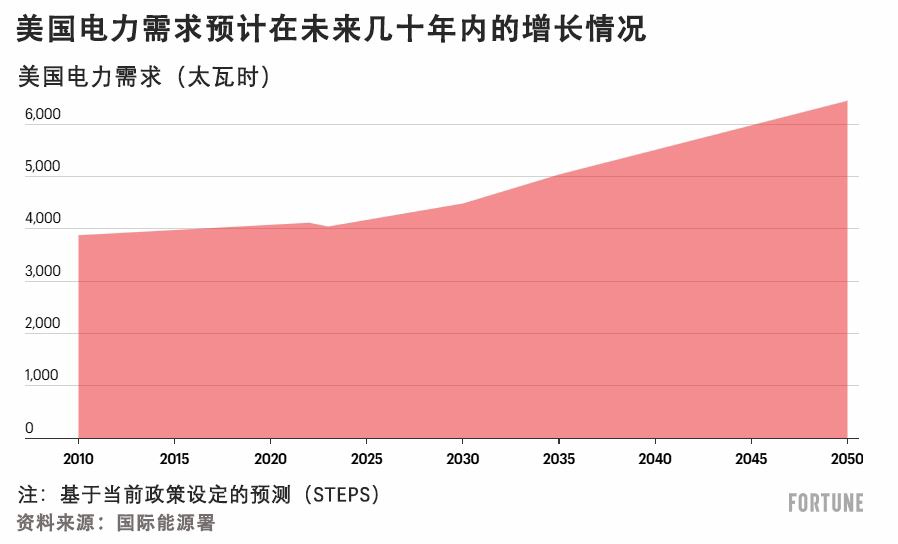
國際能源署的數據顯示,在過去幾十年美國電力需求相對平穩之后,預計2023年至2035年國內電力消費量將激增25%,2023年至2050年將增長約60%。
需求增長中很大一部分源于超大規模企業:亞馬遜(Amazon)、谷歌(Google)和微軟(Microsoft)僅在2025年就計劃分別投入750億至1000億美元用于數據中心建設。
為更直觀地感受這些投資規模之巨,全球石油巨頭英國石油公司(BP)的總市值僅為800億美元。例如,Meta計劃在路易斯安那州建設的超大型數據中心,所需電力相當于新奧爾良全市用電量的兩倍。
新時代能源(NextEra Energy)(《財富》美國500強排名第173位)——這家大型公用事業和電力開發公司的首席執行官約翰·凱奇姆(John Ketchum)估計,預期的燃氣發電量甚至無法滿足2030年前數據中心20%的電力需求。盡管近年來美國國內頁巖氣產量創下紀錄,但將天然氣轉化為電力的渦輪機成本不斷攀升,且受供應鏈挑戰影響,產量不足。
6月,凱奇姆在《政客》能源峰會上談及數據中心剩余80%的電力需求時說:“如果不采用可再生能源,那還能選用什么呢?”
盡管這項法案并未完全阻斷清潔能源的發展之路,仍會建設大量公用事業規模的風能和太陽能項目,但它確實大幅降低了清潔能源獲得稅收減免的可能性,并抬高了成本。
該法案的早期版本不僅計劃逐步取消稅收抵免,還打算對清潔能源項目征收全新的消費稅——即便是可再生能源的反對者也對此感到不滿。部分預測表明,此稅項極有可能致使大多數待建清潔能源項目因經濟上不可行而夭折。不過,在參議院最終投票前,這項稅收被移除了。
另一項在最后關頭作出的修改規定,如果清潔能源項目在2026年6月前開工,即使超出2027年的完工期限,仍可保留稅收抵免資格——盡管這一時間表仍然非常緊迫。
同樣,該法案保留了稅收抵免的“可轉讓性”——取消該條款曾被視為旨在削弱該計劃的秘密“毒丸條款”。可轉讓性使得小型開發商能夠將稅收抵免以折價方式轉讓給大型買家,以此籌集資金,而大型買家則可即刻享受稅收優惠。法案最初的眾議院版本曾取消可轉讓性。
該法案還針對可再生能源項目新增了“受關注外國實體”(FEOC)條款。“受關注外國實體”規則原本僅適用于《通脹削減法案》中的電動汽車稅收抵免,如今將拓展至所有清潔能源稅收抵免領域,這實際上對從中國進口的必要供應鏈材料形成了限制。眾議院版本的法案為項目設定了嚴苛的“受關注外國實體”條款,不過最終版本采用了更為審慎、分階段實施的策略。
無論美國新建多少制造業設施,許多原材料仍只能從中國進口。在這場人工智能主導權的爭奪戰中,任何延誤或失誤都將使中國進一步擴大優勢——因為中國正迅速從煤炭轉向風能和太陽能,擴大發電規模。
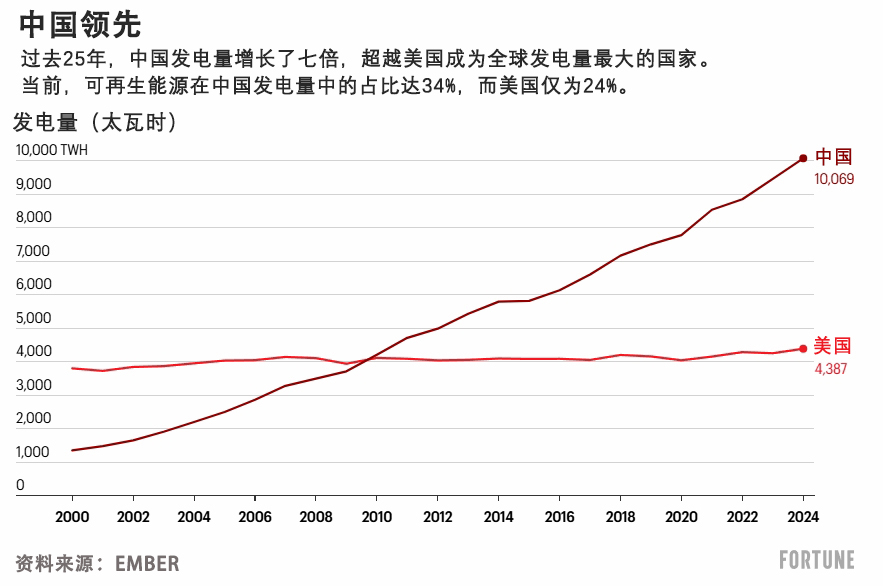
盡管當前中國對煤炭的依賴程度較美國更高,但中國約三分之一的電力源自可再生能源,而美國這一比例約為22%。比如,中國目前的太陽能發電裝機容量已超過世界其他國家之和。隨著中國加速建設更多發電設施,而美國在新電力基礎設施建設上步伐放緩,中國將在人工智能主導權競爭中贏得更大的動力優勢。
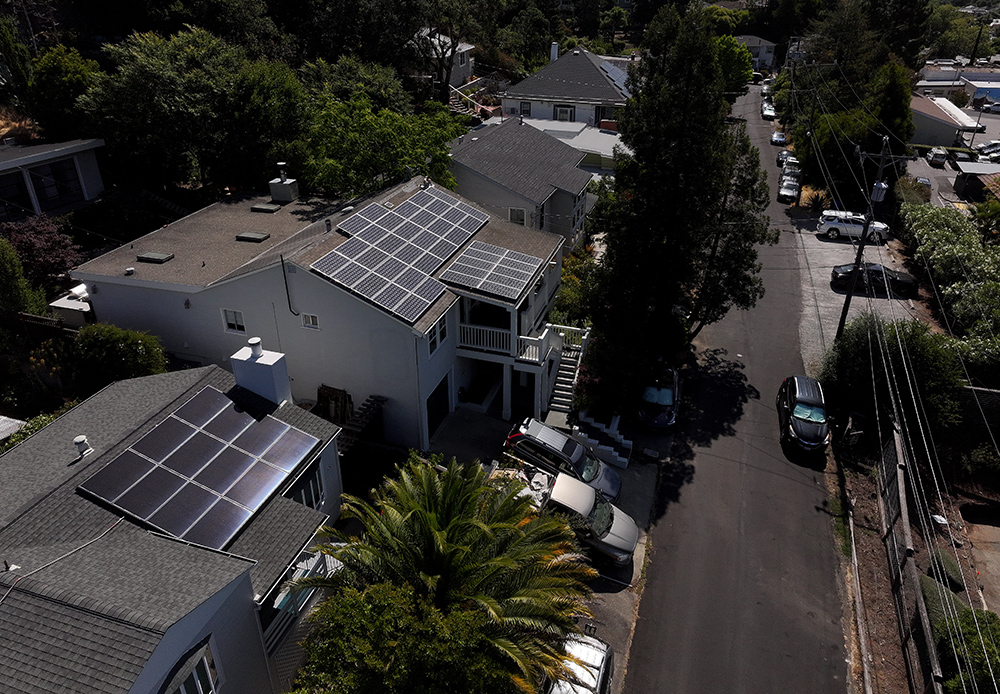
該法案還廢除了多項其他清潔能源和能效相關措施。電動汽車稅收抵免被取消,住宅太陽能項目以及其他家庭能效相關措施的稅收抵免亦未能幸免。該法案出臺之際,特朗普政府正計劃放寬家用電器等產品的能效標準。
“家庭將承受持續攀升的電費壓力,卻幾乎找不到應對之策,”Rewiring America的馬圖西亞克表示。“隨著人工智能、數據中心以及制造業的能源需求激增,家庭被逼入絕境,不得不支付更高費用,卻只能享受更少的服務。”
根據美國能源部數據,自2022年以來,美國家庭用電成本平均已上漲13%。隨著數據中心需求增長及天然氣價格上漲,加之2030年前液化天然氣出口項目相繼投產,用電成本預計將繼續攀升。
接下來會發生什么?
接下來在可再生能源領域,為搶在稅收抵免期限截止前破土動工,各方必將掀起一場激烈角逐。從某種程度上講,時間限制越嚴苛,各方為爭取稅收減免而發起的瘋狂沖刺就越激烈——即便最終建成的項目數量會減少。
克拉馬丘克表示:“該行業此前就曾有過類似情形。總是急于趕在最后期限前完成項目。”
在推動更多化石燃料發電方面,尚未簽訂合同的新型燃氣渦輪機項目需要大約五年時間才能建成。在此期間,這意味著要提高現有燃氣發電廠的利用率,并設法讓更多燃煤電廠延長運營時間。“這需要現有燃氣或燃煤機組加大馬力運轉。”克拉馬丘克說道。不出所料,該法案后期新增了一項針對煤炭出口的稅收減免條款。
到2028年,預計將有50吉瓦的現有燃煤發電產能退役。其中部分電廠必須延長運營時間以填補缺口,但能延長多久尚不明確。“這些電廠大多極為老舊,維持運營需投入巨額資金。”他說道。
需要明確的是,稅收抵免的終止并不意味著可再生能源的終結。與共和黨結盟的超級政治行動委員會ClearPath Action支持應對氣候變化的努力,該組織稱該法案相較于此前部分版本有了極大改進,早期版本曾計劃對可再生能源加征額外稅收,“摧毀”清潔能源行業。“參議院共和黨人和眾議院盟友拒絕了這種做法,并保留了一些金融工具以加速美國創新并推動美國制造業投資。”ClearPath首席執行官杰里米·哈雷爾(Jeremy Harrell)表示。
然而,這確實意味著風能和太陽能項目的成本將上升。許多地區性公用事業公司和小型開發商可能會放棄規劃中的清潔能源項目。不過,超大規模企業顯然預算更為充裕。
克拉馬丘克表示:“那些本就具備建設條件的新風能和太陽能項目,如今仍可推進,只是成本會大幅上升。如果你是超大規模企業,那么或許有更大的余地去承擔更高的成本。”
至于我們其余人?電費和取暖費大概率也會水漲船高。(財富中文網)
譯者:中慧言-王芳
美國正深陷能源領域的緊迫困局:必須從所有來源擴充電力供應,否則將面臨潛在失敗。
這意味著在與中國爭奪人工智能霸權的競賽中落敗;無法為公民提供充足且價格親民的電力;以及在氣候變化危機愈發嚴峻的情況下,無法實現能源最大程度清潔化的目標。
盡管唐納德·特朗普一直宣揚美國的能源主導地位,還通過行政命令加速推進天然氣發電和新核電站項目,然而監管和供應鏈瓶頸,卻讓這些項目落地仍需數年之久。
與此同時,特朗普的《大而美法案》蓄意阻礙更易于快速建成的風能、太陽能和電池儲能項目,而這些項目本可滿足被稱為“超大規模企業”的大型云服務提供商對數據中心龐大的電力需求。國會于7月3日通過的最終法案(眾議院以218票對214票通過)同意迅速取消清潔能源稅收抵免,而這類抵免本可助力強化已趨于緊張的電網。
共和黨正憑借削減清潔能源稅收抵免來支持化石燃料,同時迎合總統本人對可再生能源的抵觸情緒:特朗普頻繁譴責風能和太陽能存在間歇性問題——即便這種不穩定性正隨著可再生能源電池儲能技術的持續進步而逐步被抵消。誠然,削減稅收抵免也有助于抵消法案中其他方面的聯邦支出。
不出所料,清潔能源行業對《大而美法案》表示強烈反對。太陽能產業協會(Solar Energy Industries Association)總裁兼首席執行官阿比蓋爾·羅斯·霍珀(Abigail Ross Hopper)表示,該法案將導致公用事業賬單上漲、制造工廠關閉、數萬個美國建筑業崗位流失,還會削弱電網。
她說:“這項立法將削弱美國在全球的競爭力,破壞我們的能源未來,還會重創那些為經濟發展注入動力、強化國家安全的行業——同時將21世紀的科技競賽拱手讓給中國。”
另一方面,由于化石燃料利益集團去年為特朗普和共和黨提供資金支持,石油和天然氣游說團體——這些團體常譴責清潔能源稅收抵免不公平——對最終法案表示贊賞。
石油和天然氣行業組織美國西部能源聯盟(Western Energy Alliance)總裁梅麗莎·辛普森(Melissa Simpson)稱贊這是“一項具有里程碑意義的法案,能夠釋放出我們所需的能源”。她特別提及“推動在公共土地上進行石油和天然氣開采的條款”,以及叫停針對天然氣排放實施“過度征稅”的做法。
“能源主導”還是“能源豐裕”?
最終法案規定,將迅速取消所有在2027年底前未能投產的清潔能源項目的稅收抵免,不過對2026年6月前就已開工的項目予以豁免。參議院最初的措辭相對寬松,要求在2027年底前開工即可——對于那些迫切想要啟動項目的人而言,這一看似細微的時間線差異,實則影響巨大。
這不僅是清潔能源開發商或環保倡導者面臨的問題;它可能會大幅延緩美國計劃中迫切需要達成的發電量快速提升進程。簡而言之,這意味著電力需求與日俱增的科技和制造業,以及不斷增長的人口,都將面臨供電不足——這意味著所有人將面臨更高的電費賬單,還可能出現電力短缺乃至停電的狀況。
非營利組織Rewiring America的首席執行官阿里·馬圖西亞克(Ari Matusiak)表示:“這項法案不僅會加重家庭負擔,還會損害國家利益。我們需要低成本、充足的能源來參與全球競爭。我們將集體陷入更貧困、更脆弱的境地,也愈發難以在瞬息萬變的世界中保持領先優勢。”畢竟,根據美國能源部的數據,去年美國新增發電量中近90%來自可再生能源。
標普全球大宗商品洞察預測,將大多數項目的完成期限提前至2027年,會導致未來10年美國清潔能源項目建設量減少約20%。
標普全球(S&P Global)氣候市場與政策分析主管羅曼·克拉馬丘克(Roman Kramarchuk)表示:“這一影響極為重大。這并非占比微小的20%,而是占新增部署量絕對多數的20%。”
他補充道:“情況不容樂觀,最終結果將是推高電力成本。”
科技界、公用事業公司和政治溫和派不再呼吁所謂的“能源主導”,而是愈發迫切地懇請擴大“能源豐裕”局面——這一立場主張接納所有能源形式,以更快提升產能并助力壓低價格。但兩黨都受意識形態束縛,未能對一項同時涵蓋清潔能源與天然氣的戰略予以支持——共和黨將矛頭指向可再生能源,民主黨則抵制化石燃料。
盡管如此,代表全國投資者所有的電力公司的愛迪生電氣研究所(EEI)等組織仍在極力倡導這一策略。愛迪生電氣研究所主席兼愛克斯龍公司(Exelon)首席執行官卡爾文·巴特勒(Calvin Butler)在接受《財富》雜志采訪時表示:“我們行業正處于前所未有的時期,自空調誕生以來,從未經歷過如此規模的負荷增長。我們必須新建發電設施。這需要采取‘全方位’的能源組合策略——涵蓋核能、天然氣、風能、太陽能以及電池儲能等新技術。”
巴特勒表示,如果該法案允許清潔能源項目在2027年前開工(若能再延后些則更為理想),他會支持這項立法。他表示:“我們認為稅收抵免至關重要。我們堅信,如果不將可再生能源納入解決方案,就無法實現能源主導。”
我們為何需要如此多的電力?
國際能源署的數據顯示,在過去幾十年美國電力需求相對平穩之后,預計2023年至2035年國內電力消費量將激增25%,2023年至2050年將增長約60%。
需求增長中很大一部分源于超大規模企業:亞馬遜(Amazon)、谷歌(Google)和微軟(Microsoft)僅在2025年就計劃分別投入750億至1000億美元用于數據中心建設。
為更直觀地感受這些投資規模之巨,全球石油巨頭英國石油公司(BP)的總市值僅為800億美元。例如,Meta計劃在路易斯安那州建設的超大型數據中心,所需電力相當于新奧爾良全市用電量的兩倍。
新時代能源(NextEra Energy)(《財富》美國500強排名第173位)——這家大型公用事業和電力開發公司的首席執行官約翰·凱奇姆(John Ketchum)估計,預期的燃氣發電量甚至無法滿足2030年前數據中心20%的電力需求。盡管近年來美國國內頁巖氣產量創下紀錄,但將天然氣轉化為電力的渦輪機成本不斷攀升,且受供應鏈挑戰影響,產量不足。
6月,凱奇姆在《政客》能源峰會上談及數據中心剩余80%的電力需求時說:“如果不采用可再生能源,那還能選用什么呢?”
盡管這項法案并未完全阻斷清潔能源的發展之路,仍會建設大量公用事業規模的風能和太陽能項目,但它確實大幅降低了清潔能源獲得稅收減免的可能性,并抬高了成本。
該法案的早期版本不僅計劃逐步取消稅收抵免,還打算對清潔能源項目征收全新的消費稅——即便是可再生能源的反對者也對此感到不滿。部分預測表明,此稅項極有可能致使大多數待建清潔能源項目因經濟上不可行而夭折。不過,在參議院最終投票前,這項稅收被移除了。
另一項在最后關頭作出的修改規定,如果清潔能源項目在2026年6月前開工,即使超出2027年的完工期限,仍可保留稅收抵免資格——盡管這一時間表仍然非常緊迫。
同樣,該法案保留了稅收抵免的“可轉讓性”——取消該條款曾被視為旨在削弱該計劃的秘密“毒丸條款”。可轉讓性使得小型開發商能夠將稅收抵免以折價方式轉讓給大型買家,以此籌集資金,而大型買家則可即刻享受稅收優惠。法案最初的眾議院版本曾取消可轉讓性。
該法案還針對可再生能源項目新增了“受關注外國實體”(FEOC)條款。“受關注外國實體”規則原本僅適用于《通脹削減法案》中的電動汽車稅收抵免,如今將拓展至所有清潔能源稅收抵免領域,這實際上對從中國進口的必要供應鏈材料形成了限制。眾議院版本的法案為項目設定了嚴苛的“受關注外國實體”條款,不過最終版本采用了更為審慎、分階段實施的策略。
無論美國新建多少制造業設施,許多原材料仍只能從中國進口。在這場人工智能主導權的爭奪戰中,任何延誤或失誤都將使中國進一步擴大優勢——因為中國正迅速從煤炭轉向風能和太陽能,擴大發電規模。
盡管當前中國對煤炭的依賴程度較美國更高,但中國約三分之一的電力源自可再生能源,而美國這一比例約為22%。比如,中國目前的太陽能發電裝機容量已超過世界其他國家之和。隨著中國加速建設更多發電設施,而美國在新電力基礎設施建設上步伐放緩,中國將在人工智能主導權競爭中贏得更大的動力優勢。
該法案還廢除了多項其他清潔能源和能效相關措施。電動汽車稅收抵免被取消,住宅太陽能項目以及其他家庭能效相關措施的稅收抵免亦未能幸免。該法案出臺之際,特朗普政府正計劃放寬家用電器等產品的能效標準。
“家庭將承受持續攀升的電費壓力,卻幾乎找不到應對之策,”Rewiring America的馬圖西亞克表示。“隨著人工智能、數據中心以及制造業的能源需求激增,家庭被逼入絕境,不得不支付更高費用,卻只能享受更少的服務。”
根據美國能源部數據,自2022年以來,美國家庭用電成本平均已上漲13%。隨著數據中心需求增長及天然氣價格上漲,加之2030年前液化天然氣出口項目相繼投產,用電成本預計將繼續攀升。
接下來會發生什么?
接下來在可再生能源領域,為搶在稅收抵免期限截止前破土動工,各方必將掀起一場激烈角逐。從某種程度上講,時間限制越嚴苛,各方為爭取稅收減免而發起的瘋狂沖刺就越激烈——即便最終建成的項目數量會減少。
克拉馬丘克表示:“該行業此前就曾有過類似情形。總是急于趕在最后期限前完成項目。”
在推動更多化石燃料發電方面,尚未簽訂合同的新型燃氣渦輪機項目需要大約五年時間才能建成。在此期間,這意味著要提高現有燃氣發電廠的利用率,并設法讓更多燃煤電廠延長運營時間。“這需要現有燃氣或燃煤機組加大馬力運轉。”克拉馬丘克說道。不出所料,該法案后期新增了一項針對煤炭出口的稅收減免條款。
到2028年,預計將有50吉瓦的現有燃煤發電產能退役。其中部分電廠必須延長運營時間以填補缺口,但能延長多久尚不明確。“這些電廠大多極為老舊,維持運營需投入巨額資金。”他說道。
需要明確的是,稅收抵免的終止并不意味著可再生能源的終結。與共和黨結盟的超級政治行動委員會ClearPath Action支持應對氣候變化的努力,該組織稱該法案相較于此前部分版本有了極大改進,早期版本曾計劃對可再生能源加征額外稅收,“摧毀”清潔能源行業。“參議院共和黨人和眾議院盟友拒絕了這種做法,并保留了一些金融工具以加速美國創新并推動美國制造業投資。”ClearPath首席執行官杰里米·哈雷爾(Jeremy Harrell)表示。
然而,這確實意味著風能和太陽能項目的成本將上升。許多地區性公用事業公司和小型開發商可能會放棄規劃中的清潔能源項目。不過,超大規模企業顯然預算更為充裕。
克拉馬丘克表示:“那些本就具備建設條件的新風能和太陽能項目,如今仍可推進,只是成本會大幅上升。如果你是超大規模企業,那么或許有更大的余地去承擔更高的成本。”
至于我們其余人?電費和取暖費大概率也會水漲船高。(財富中文網)
譯者:中慧言-王芳
America is facing an energy imperative: Grow power from all sources or face potential failure.
That’s failure in the race against China for AI supremacy; failure to provide ample affordable power for its citizens; and failure to make energy as clean as possible while climate change woes mount with each passing year.
As President Donald Trump has touted American energy dominance, he has leaned on executive orders to expedite natural-gas-fired power and new nuclear plants. But regulatory and supply-chain bottlenecks still put those projects several years out.
Meanwhile, Trump’s “One Big Beautiful Bill” is intentionally handicapping more easily and faster-built wind, solar, and battery storage projects that would help satiate the massive data-center power demands of the large-scale cloud-service providers known as hyperscalers. The final legislation approved by Congress on July 3 (the House concurred on a 218–214 vote) agrees to quickly unwind the clean-energy tax credits that could have helped strengthen an already stretched electric grid.
The GOP is leaning on clean-energy cuts to support fossil fuels, while channeling the president’s own anti-renewables sentiments: He has often decried the intermittent nature of wind and solar—even if that unpredictability is increasingly offset by the growth of battery storage for renewable energy. And of course, cutting tax credits helps offset federal spending elsewhere in the bill.
Unsurprisingly, the clean-energy industry is up in arms about the BBB legislation. Abigail Ross Hopper, president and CEO of the Solar Energy Industries Association, said it will increase electricity bills, shut down manufacturing facilities, cost many thousands of U.S. construction jobs, and weaken the grid.
“This legislation [will] set back America’s global competitiveness, destabilize our energy future, and weaken the very industries that power our economy and strengthen our national security—while surrendering the 21st-century tech race to China,” she said.
On the other hand, with money flowing from fossil-fuel interests to support Trump and Republicans last year, oil and gas lobbyists—who frequently decry clean-energy tax credits as unfair—praised the final bill.
Melissa Simpson, president of the oil and gas industry’s Western Energy Alliance, hailed the “monumental bill that’ll unleash the energy we need.” She specifically touted “provisions promoting oil and natural gas production on public lands” and the halting of the emissions-related “excessive tax on natural gas.”
“Energy dominance” or “energy abundance”?
The final legislation rapidly phases out tax credits for all clean energy projects not online by the end of 2027—exempting those that break ground by June 2026. The Senate’s original, less draconian language required starting construction by the end of 2027—a subtle but massive timeline difference for those scrambling to get projects up and running.
This isn’t just a problem for clean energy developers or environmental advocates; it could dramatically slow the country’s planned and much-needed rapid increases in power generation. In simple terms, that means less power for increasingly electricity-hungry tech and manufacturing sectors, and a growing population—meaning higher power bills for everyone, and possible shortfalls and brownouts.
“The bill doesn’t just burden families, it undermines our country,” said Ari Matusiak, CEO of the Rewiring America nonprofit. “We need low-cost, abundant energy to compete globally. We will become collectively poorer, less resilient, and less equipped to lead in a rapidly changing world.” After all, renewables accounted for almost 90% of new power generation installed in the U.S. last year, according to the Department of Energy.
Cutting deadlines back to 2027 for completing most projects will result in about 20% fewer clean-energy projects being built in the U.S. over the next 10 years, according to S&P Global Commodity Insights projections.
“That’s extremely meaningful,” said Roman Kramarchuk, head of climate market and policy analysis for S&P Global. “This isn’t 20% of a small share; this is 20% of the strong majority of the new deployments.
“That’s rough,” he added. “What it will do is increase costs for power.”
Instead of so-called energy dominance, there’s a growing plea from tech, utilities, and political moderates for scaled-up “energy abundance”—a stance that embraces all forms of power to more rapidly build capacity and help push down prices. But both political parties have been tripped up by ideology, failing to support a strategy that includes clean energy and natural gas—with the GOP targeting renewables and Democrats fighting fossil fuels.
That’s despite the urging of the Edison Electric Institute (EEI), an organization representing investor-owned electric utilities nationwide, and many others. “We’re in unprecedented times for our industry; we haven’t seen this type of load growth since the advent of air conditioning,” EEI chairman and Exelon CEO Calvin Butler told Fortune. “We have to get new power generation built. It’s going to take the all-of-the-above portfolio approach—nuclear, gas, wind, solar, and new technologies like battery storage.”
Butler said he would have supported the legislation if it allowed clean energy projects to break ground by 2027, although later was preferred. “We believe the tax credits are key,” he said. “We don’t believe we can get to the energy dominance without having renewables as part of the solution.”
Why do we need so much power?
After a couple of decades during which U.S. power demand has remained relatively stagnant, domestic electricity consumption is expected to spike by 25% from 2023 to 2035 and roughly 60% from 2023 to 2050, according to the International Energy Agency.
A big part of that increase comes from the hyperscalers: Amazon, Google, and Microsoft are investing anywhere from $75 billion to $100 billion each into building data centers for 2025 alone.
To put those dollars in context, the entire market cap of Big Oil giant BP is $80 billion. A planned super-sized Meta data center in Louisiana, for instance, would require twice the power used by the whole city of New Orleans.
John Ketchum, CEO of NextEra Energy (No. 173 on the Fortune 500)—a massive utility and power developer—estimates that anticipated gas-fired generation cannot even meet 20% of the data-center needs from now until 2030. Despite record volumes of shale gas produced domestically in recent years, the turbines required to turn that gas into electricity are getting more costly and there aren’t enough being manufactured because of supply-chain challenges.
“If it’s not renewables, what is it going to be?” Ketchum said of the remaining 80% of data-center power needs, while speaking at the Politico Energy Summit in June.
While the legislation does not cripple clean energy—a lot of utility-scale wind and solar will still be built—it does substantially weaken its access to tax breaks and increase costs.
A prior version of the bill didn’t just phase out the tax credits; it also placed a brand-new excise tax on clean-energy projects—one that even renewable energy opponents bristled at. Some projections estimated the tax easily could have killed most pending clean energy projects, making them economically not viable. That tax was removed just before final Senate voting.
Another last-minute change exempted clean-energy projects from losing the tax credit if they break ground by June 2026, even if they exceed the 2027 completion deadline—although these are still very tight timelines.
Likewise, the legislation keeps the “transferability” of tax credits—the removal of which was considered a backdoor “poison pill” meant to cripple the program. Transferability allows smaller developers to raise capital by transferring tax credits at a discount to larger buyers that can immediately take advantage of the tax benefits. The original House version of the bill had eliminated transferability.
The legislation also places new “foreign entity of concern” (FEOC) provisions on renewable energy projects. The FEOC rules, which only applied to electric vehicle tax credits in the Inflation Reduction Act, would now apply to all clean-energy tax credits, essentially limiting needed supply-chain materials from China. The House bill placed arduous FEOC provisions on projects, but the final version takes a more measured, phased-in approach.
No matter how much new manufacturing is built in the U.S., many of the materials still only come from China and any delays or missteps cede more ground to China in the middle of a brawl for AI dominance as China rapidly builds more power from coal to wind and solar.
While China is currently more reliant on coal than the U.S., China now sources about one-third of its power from renewables—compared to about 22% in the U.S.—and China is currently installing more solar power, for instance, than the rest of the world combined. As China continues to rapidly build more generation, U.S. slowdowns in any forms of new electricity infrastructure will give China more of a power boost in the AI race to supremacy.
The legislation also undoes a bevy of other clean-energy and efficiency efforts. The electric-vehicle tax credit is axed, as are credits for residential solar projects and for other home-energy efficiency efforts. The megabill also comes as the Trump administration aims to roll back energy-efficiency standards for home appliances and more.
“Families will face rising electricity costs with fewer tools to do anything about it,” said Matusiak of Rewiring America. “As energy demand from AI, data centers, and manufacturing explodes, households are boxed in, expected to pay more while getting less.”
Residential electricity costs in the U.S. already have risen by 13% on average from 2022 until now, according to the Department of Energy. And they are projected to keep increasing with demand growth from data centers and higher natural-gas prices as a wave of liquefied natural gas export projects come online between now and 2030.
What happens next?
Next up in the renewables sector is the continuation of a rabid race to break ground on clean-energy projects to beat the tax credit deadlines. In a way, the more stringent the timelines, the bigger and faster is the mad dash to qualify for tax breaks—even if fewer will be built overall
“This sector has done this before,” Kramarchuk said. “There’s always the rush to hit the deadlines.”
In the push for more fossil-fuel-sourced power, new gas-fired turbines that aren’t already contracted will take five years or so to be built. In the meantime, that means increasing the utilization of existing gas-fired power plants and working to keep more coal plants open for longer. “It means running your existing gas or coal units harder,” Kramarchuk said. Not coincidentally, a tax break for coal exports was a late add to the legislation.
By 2028, 50 gigawatts of existing coal capacity are scheduled to be retired. Some of those plants must stay online for longer to bridge the gap, but how much longer is even possible is unclear. “A lot of those plants are very old and require significant capital investments to keep them going,” he said.
To be clear, the end of tax credits does not mean the death of renewables. The GOP-aligned super PAC ClearPath Action, which supports efforts to combat climate change, called the bill a much better draft than some earlier versions that would have imposed additional taxes on renewables and “devasted” the clean energy industry. “Senate Republicans and House allies rejected that approach and preserved some financial tools to accelerate American innovation and invest in American manufacturing,” said ClearPath CEO Jeremy Harrell.
It does mean, however, that wind and solar projects will become more expensive. A lot of regional utilities and smaller developers may kill the clean energy projects on their drawing boards. But the hyperscalers, of course, have bigger budgets.
“New wind and solar that would’ve been built, can be built. It’s just going to cost a lot more,” Kramarchuk said. “If you’re a hyperscaler, then you probably have more latitude to pay more.”
As for the rest of us? Our electricity and heating bills will likely rise too.

請打開財富Plus APP