


Z世代的酒量增加了
Marco Quiroz-Gutierrez
2025-07-08
Z世代飲酒增多,這或許意味著他們的經濟狀況有所改善。
 文本設置
文本設置
 Plus(0條)

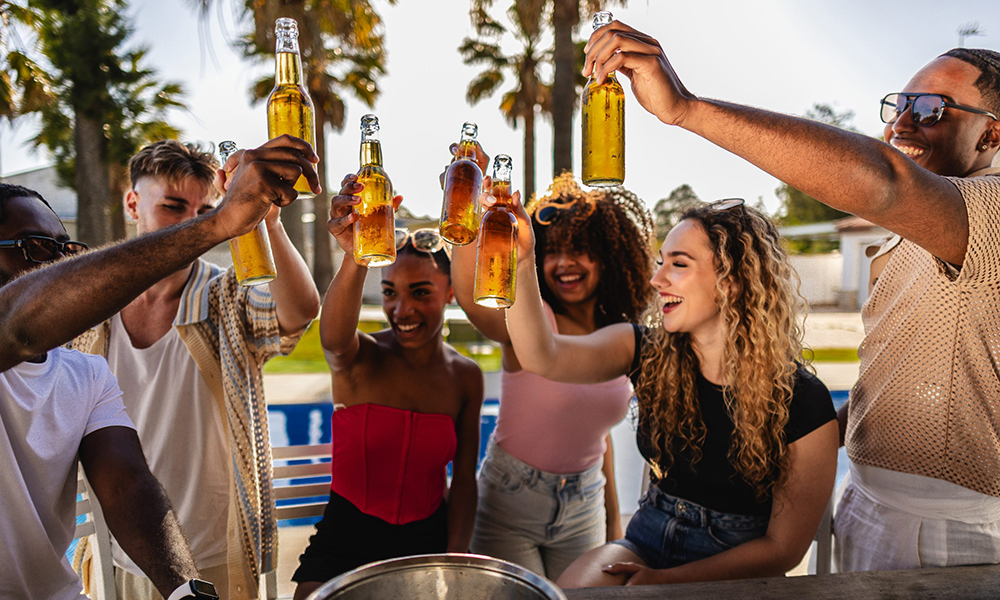
? Z世代的飲酒量較前幾年有所增加,這表明酒類銷量下滑并不能歸咎于Z世代。據IWSR的一項研究顯示,曾掀起“清醒好奇”運動的這一代人,如今比其他任何世代都更有可能表示自己“主動增加飲酒量”。該酒類數據和洞察機構發現,總體而言,73%的Z世代受訪者在過去六個月內飲用過含酒精飲品,較2023年的66%有所上升。
Z世代飲酒量增多,這或許意味著他們的經濟狀況有所改善。
根據酒類數據和洞察機構IWSR對全球15個市場2.6萬名受訪者的調查,曾推動“酷”式清醒和“清醒好奇”運動的Z世代正在改變飲酒習慣。調查發現,總體而言,73%的Z世代受訪者在過去六個月內飲用過含酒精飲品,而2023年這一比例為66%。
研究還發現,飲酒習慣的增長態勢在美國尤為顯著,70%的Z世代受訪者表示在過去六個月內飲用過含酒精飲品,而2023年這一比例不到50%。盡管Z世代在飲酒選擇上并無明顯偏好,調查前六個月平均從五類含酒精飲品中挑選,但更傾向于選擇烈酒。根據報告,Z世代在酒吧、夜店或餐廳飲酒的概率遠高于全體成年飲酒者。
Z世代飲酒習慣的轉變可能與其成員年齡增長和收入提升有關。該群體中年齡最大的成員如今已步入25至29歲的階段。
盡管許多剛畢業的年輕人難以找到入門級工作,但美國銀行(Bank of America)3月發布的一份報告預測,未來十年內,Z世代可能會成為最富有的世代,累計收入將達到36萬億美元。可支配收入的增加或許也意味著Z世代在飲酒方面的支出會隨之增多。
報告顯示,在被問及“你是否主動增加飲酒量”時,Z世代給出肯定回答的比例高于其他任何世代。
值得注意的是,如今這一世代的飲酒量與之前那些在二十多歲時飲酒量出現類似上升趨勢的世代持平。
核心結論?IWSR消費者洞察首席運營官理查德·霍爾斯特德(Richard Halstead)表示,盡管各年齡段均呈現飲酒量減少的趨勢,但酒類銷量下滑并不能歸咎于Z世代。
霍爾斯特德在一份聲明中表示:“隨著時間推移,步入職場的Z世代飲酒者數量日益增多,而已在職場打拼的往往收入更為可觀。我認為,隨著收入提升,他們的飲酒頻率也會相應增加——就如同此前的千禧一代那般。”(財富中文網)
譯者:中慧言-王芳
? Z世代的飲酒量較前幾年有所增加,這表明酒類銷量下滑并不能歸咎于Z世代。據IWSR的一項研究顯示,曾掀起“清醒好奇”運動的這一代人,如今比其他任何世代都更有可能表示自己“主動增加飲酒量”。該酒類數據和洞察機構發現,總體而言,73%的Z世代受訪者在過去六個月內飲用過含酒精飲品,較2023年的66%有所上升。
Z世代飲酒量增多,這或許意味著他們的經濟狀況有所改善。
根據酒類數據和洞察機構IWSR對全球15個市場2.6萬名受訪者的調查,曾推動“酷”式清醒和“清醒好奇”運動的Z世代正在改變飲酒習慣。調查發現,總體而言,73%的Z世代受訪者在過去六個月內飲用過含酒精飲品,而2023年這一比例為66%。
研究還發現,飲酒習慣的增長態勢在美國尤為顯著,70%的Z世代受訪者表示在過去六個月內飲用過含酒精飲品,而2023年這一比例不到50%。盡管Z世代在飲酒選擇上并無明顯偏好,調查前六個月平均從五類含酒精飲品中挑選,但更傾向于選擇烈酒。根據報告,Z世代在酒吧、夜店或餐廳飲酒的概率遠高于全體成年飲酒者。
Z世代飲酒習慣的轉變可能與其成員年齡增長和收入提升有關。該群體中年齡最大的成員如今已步入25至29歲的階段。
盡管許多剛畢業的年輕人難以找到入門級工作,但美國銀行(Bank of America)3月發布的一份報告預測,未來十年內,Z世代可能會成為最富有的世代,累計收入將達到36萬億美元。可支配收入的增加或許也意味著Z世代在飲酒方面的支出會隨之增多。
報告顯示,在被問及“你是否主動增加飲酒量”時,Z世代給出肯定回答的比例高于其他任何世代。
值得注意的是,如今這一世代的飲酒量與之前那些在二十多歲時飲酒量出現類似上升趨勢的世代持平。
核心結論?IWSR消費者洞察首席運營官理查德·霍爾斯特德(Richard Halstead)表示,盡管各年齡段均呈現飲酒量減少的趨勢,但酒類銷量下滑并不能歸咎于Z世代。
霍爾斯特德在一份聲明中表示:“隨著時間推移,步入職場的Z世代飲酒者數量日益增多,而已在職場打拼的往往收入更為可觀。我認為,隨著收入提升,他們的飲酒頻率也會相應增加——就如同此前的千禧一代那般。”(財富中文網)
譯者:中慧言-王芳
? Gen Z is drinking more alcohol than in years past, proving they are not to blame for a trend of declining alcohol sales. The generation that popularized the “sober curious” movement is now more likely than any other generation to say they are “actively choosing to drink more,” according to a study by IWSR. The drinks data and insights provider found that overall, 73% of Gen Zers surveyed had had an alcoholic drink in the previous six months, up from 66% in 2023.
Gen Z is drinking more, and it may be a sign that they are better off.
The generation that popularized “cool” sobriety and the “sober-curious” movement is now changing habits, according to a study of 26,000 respondents across 15 markets worldwide by drinks data and insights provider IWSR. The survey found that, overall, 73% of Gen Zers had consumed alcohol in the past six months, compared to 66% in 2023.
The study also found that the uptick in drinking habits was especially drastic in the U.S., where 70% of Gen Z respondents said they had consumed alcohol in the past six months, compared to under half in 2023. While Gen Z isn’t picky, choosing from, on average, five categories of alcohol in the past six months prior to the survey, they are slightly more likely to turn to spirits as their drink of choice. They are much more likely to drink alcohol at a bar, club, or restaurant, than all adult drinkers as a whole, according to the report.
The shakeup in Gen Z drinking habits may be because its members are getting older and earning more. The oldest members of the generation are now in their mid-to-late 20s.
While many young people right out of college have struggled with finding entry-level jobs, a March report from Bank of America predicted Gen Z could be the richest generation within the next ten years, with a $36 trillion cumulative income. Having more disposable income in hand may also mean Gen Z is putting more money toward alcohol.
More than any other generation, Gen Z respondents were more likely to answer yes to the question, “I am actively choosing to drink more,” according to the report.
And notably, the generation’s alcohol consumption is now in line with previous generations who experienced a similar uptick in drinking in their 20s.
The takeaway? While moderating alcohol consumption is a trend across all ages, Gen Z isn’t to blame for declining alcohol sales, according to Richard Halstead, IWSR’s COO of Consumer Insights.
“With every year that passes, more Gen Z drinkers are entering the workforce, and those already in the workforce are typically earning more. I think we should expect that, as their incomes rise, they will drink more often – just as Millennials did before them,” said Halstead in a statement.

請打開財富Plus APP