


激進投資者想對慧與采取何種行動?
Andrew Nusca
2025-07-13
消息人士指出,有一些顯而易見的線索,可從中看出埃利奧特可能對慧與采取何種行動。
 文本設置
文本設置
 Plus(0條)

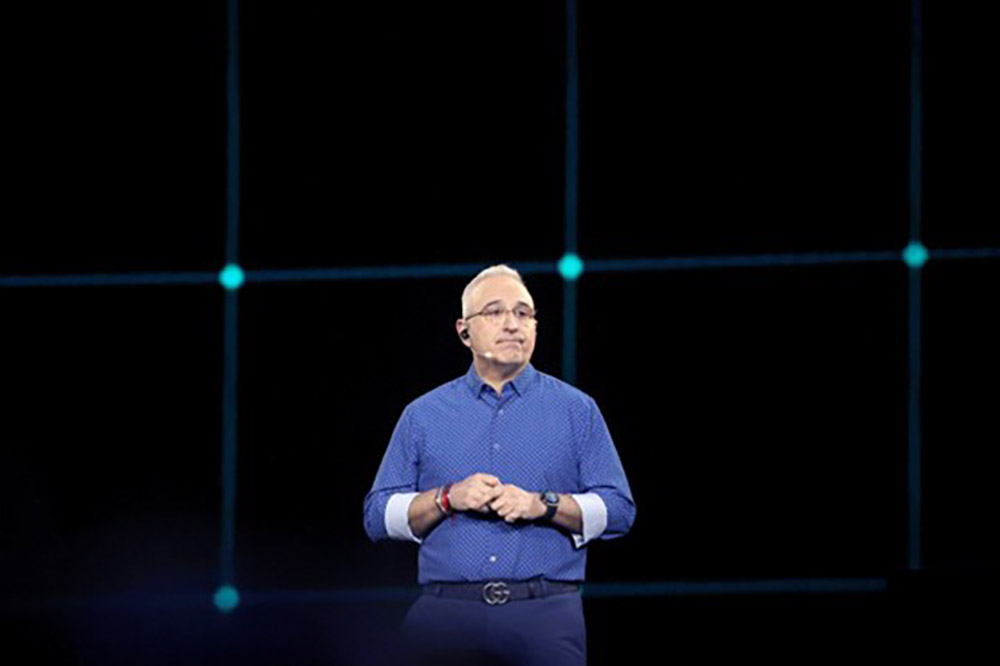
自4月有報道稱激進投資者集團埃利奧特管理公司(Elliott Management)購入慧與價值15億美元的股份以來,雙方未作任何公開回應。
這筆投資對慧與及其首席執行官安東尼奧·內里而言至關重要。據路透社報道,此前有14位首席執行官在埃利奧特購入其所在公司股份并要求與董事會談判后,被迫離職。
內里的職位岌岌可危嗎?《財富》雜志已向兩家公司尋求置評,但雙方均拒絕公開發表意見。
然而,其他消息人士指出,有一些顯而易見的線索,可從中看出埃利奧特可能對慧與采取何種行動。
第一點:提升執行力。第一季度,慧與在庫存成本核算上出現失誤,導致公司股價單日暴跌近16%,公司市值蒸發逾30億美元。
第二點:提高效率(相對于同行)。慧與每名員工創造的收入僅為49.4萬美元,而思科(Cisco)為59.5萬美元,戴爾(Dell)為88.5萬美元。
一種可能的選項是讓內里卸任首席執行官之職,或是促使慧與那些任職時間較長的董事會成員離任。內里擔任首席執行官已有七年之久;慧與12名董事會成員中,有6人任職時長已達十年甚至更久。
不過,埃利奧特傾向于規避代理權之爭。與之相反,慧與可以為埃利奧特提供一個董事會席位,并就公司轉型戰略與對方達成共識。
慧與有必要采取這樣的舉措。自2018年至今,慧與股價雖上漲了48%,每股略高于21美元,然而同期標準普爾500指數卻飆升了135%。對于一家本應從人工智能熱潮中獲得豐厚收益的科技公司而言,這樣的表現實在慘淡。——吉姆·愛德華茲
福特首席執行官:人工智能將淘汰半數白領崗位
福特(Ford)首席執行官吉姆·法利(Jim Farley)近日成為最新一位就人工智能對員工影響發出警告的企業高管。
在上周的阿斯彭思想節上,他強調了“基本經濟”的重要性——他將其定義為所有涉及運輸、建造或維修的工作——同時指出藍領技術工種長期遭到忽視。
法利解釋稱,盡管該車企已加大培訓投入,但美國在職業培訓方面投入不足,且培訓內容更契合20世紀50年代的需求,而非面向2050年代,導致藍領生產力下降。
與此同時,對熟練技工的需求預計將大幅增長,甚至人工智能熱潮也需要工人來建造和維護提供所需算力的設施。
他補充道,當下技術工人短缺問題已然十分嚴峻,估計工廠技術工人缺口達60萬,建筑業技術工人缺口也接近50萬。
“實現美國夢的路徑絕非只有一條,然而我們整個教育體系都聚焦于四年制大學教育,”法利說,“自2019年以來,科技公司入門級員工的招聘量下降了50%。我們當真期望所有孩子都走這條路嗎?”
他指出,美國亟需轉變思維方式,原因是“人工智能將取代美國半數白領工作”。——杰森·馬(財富中文網)
譯者:中慧言-王芳
自4月有報道稱激進投資者集團埃利奧特管理公司(Elliott Management)購入慧與價值15億美元的股份以來,雙方未作任何公開回應。
這筆投資對慧與及其首席執行官安東尼奧·內里而言至關重要。據路透社報道,此前有14位首席執行官在埃利奧特購入其所在公司股份并要求與董事會談判后,被迫離職。
內里的職位岌岌可危嗎?《財富》雜志已向兩家公司尋求置評,但雙方均拒絕公開發表意見。
然而,其他消息人士指出,有一些顯而易見的線索,可從中看出埃利奧特可能對慧與采取何種行動。
第一點:提升執行力。第一季度,慧與在庫存成本核算上出現失誤,導致公司股價單日暴跌近16%,公司市值蒸發逾30億美元。
第二點:提高效率(相對于同行)。慧與每名員工創造的收入僅為49.4萬美元,而思科(Cisco)為59.5萬美元,戴爾(Dell)為88.5萬美元。
一種可能的選項是讓內里卸任首席執行官之職,或是促使慧與那些任職時間較長的董事會成員離任。內里擔任首席執行官已有七年之久;慧與12名董事會成員中,有6人任職時長已達十年甚至更久。
不過,埃利奧特傾向于規避代理權之爭。與之相反,慧與可以為埃利奧特提供一個董事會席位,并就公司轉型戰略與對方達成共識。
慧與有必要采取這樣的舉措。自2018年至今,慧與股價雖上漲了48%,每股略高于21美元,然而同期標準普爾500指數卻飆升了135%。對于一家本應從人工智能熱潮中獲得豐厚收益的科技公司而言,這樣的表現實在慘淡。——吉姆·愛德華茲
福特首席執行官:人工智能將淘汰半數白領崗位
福特(Ford)首席執行官吉姆·法利(Jim Farley)近日成為最新一位就人工智能對員工影響發出警告的企業高管。
在上周的阿斯彭思想節上,他強調了“基本經濟”的重要性——他將其定義為所有涉及運輸、建造或維修的工作——同時指出藍領技術工種長期遭到忽視。
法利解釋稱,盡管該車企已加大培訓投入,但美國在職業培訓方面投入不足,且培訓內容更契合20世紀50年代的需求,而非面向2050年代,導致藍領生產力下降。
與此同時,對熟練技工的需求預計將大幅增長,甚至人工智能熱潮也需要工人來建造和維護提供所需算力的設施。
他補充道,當下技術工人短缺問題已然十分嚴峻,估計工廠技術工人缺口達60萬,建筑業技術工人缺口也接近50萬。
“實現美國夢的路徑絕非只有一條,然而我們整個教育體系都聚焦于四年制大學教育,”法利說,“自2019年以來,科技公司入門級員工的招聘量下降了50%。我們當真期望所有孩子都走這條路嗎?”
他指出,美國亟需轉變思維方式,原因是“人工智能將取代美國半數白領工作”。——杰森·馬(財富中文網)
譯者:中慧言-王芳
It’s been radio silence since it was reported in April that the activist investor group Elliott Management had taken a $1.5 billion stake in Hewlett Packard Enterprise.
The investment is an acute one for HPE and its CEO, Antonio Neri. Fourteen chief executives have been forced out of their jobs after Elliott took a stake in their companies and demanded talks with their boards, according to Reuters.
Is Neri’s neck on the chopping block? Fortune asked both companies for comment, but neither wanted to talk on the record.
However, other sources pointed to several clues, hiding in plain sight, about what Elliott potentially wants from HPE.
The first: Improve its execution. A Q1 mistake in accounting for the cost of its inventory tanked its stock by nearly 16% in a day and wiped more than $3 billion off HPE’s market cap.
The second: Boost its efficiency relative to peers. HPE generates just $494,000 per employee in revenue; that compares to Cisco’s $595,000 and Dell’s $885,000.
One option is ousting Neri or HPE’s longer-serving board members. Neri has been CEO for seven years; six of HPE’s 12 board members have been there for 10 years or more.
But Elliott prefers to avoid proxy battles. HPE could instead give Elliott a seat on the board and to agree on a strategy to turn the company around.
It needs it. Since 2018, HPE stock has risen 48% to just above $21 per share. The S&P 500, meanwhile, rose 135%. That’s a dismal performance for a tech company that ought to be benefiting mightily from the mania around AI. —Jim Edwards
Ford CEO: AI will wipe out half of white-collar jobs
Ford CEO Jim Farley recently became the latest corporate boss to sound the alarm about artificial intelligence’s impact on workers.
During the Aspen Ideas Festival last week, he highlighted the importance of the “essential economy”—which he defined as everything that gets moved, built or fixed—while saying blue-collar skilled trades have been neglected.
The U.S. spends too little on vocational training, which is also geared more toward 1950 than 2050, contributing to a decline in blue-collar productivity, Farley explained, though the carmaker has been investing in training.
Meanwhile, demand for skilled trades is expected to surge, and even the AI boom will require workers to build and service the facilities that provide all the computing capacity that’s needed.
There’s already a massive shortage of trade workers, he added, estimating a deficit of 600,000 in factories and nearly half a million in construction, for example.
“There’s more than one way to the American dream, but our whole education system is focused on four-year [college] education,” Farley said. “Hiring an entry worker at a tech company has fallen 50% since 2019. Is that really where we want all of our kids to go?”
It’s time for a new mindset in the U.S., he said. Because “artificial intelligence is gonna replace literally half of all white-collar workers in the U.S.” —Jason Ma

請打開財富Plus APP