


美聯儲可能會在這種情況下“被迫”降息
Paolo Confino
2025-07-13
如果就業市場意外崩盤,美聯儲將被迫大幅降息。
 文本設置
文本設置
 Plus(0條)

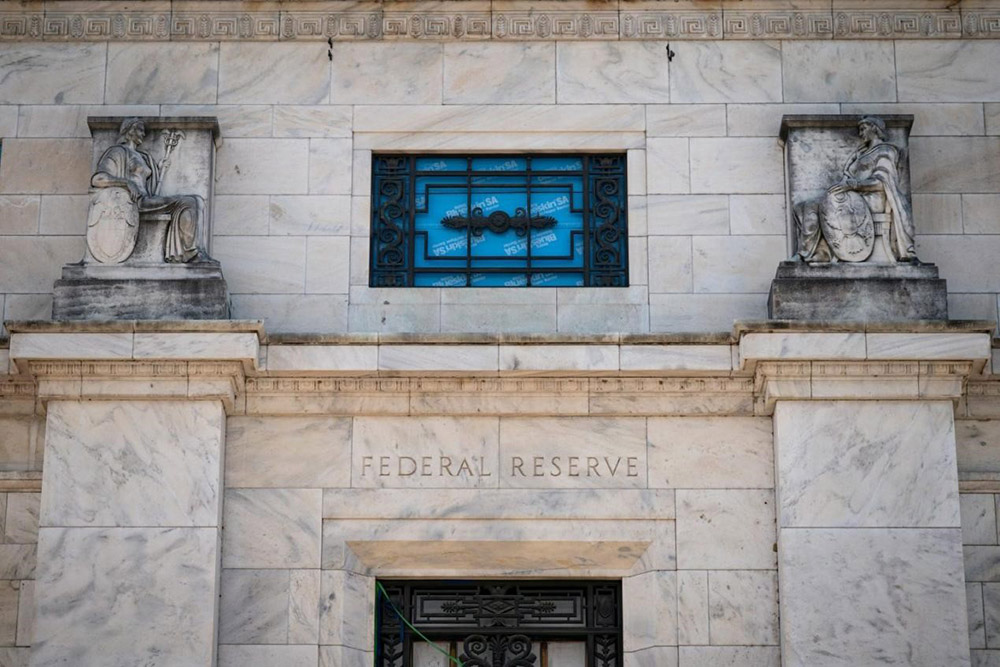
? 牛津經濟研究院(Oxford Economics)指出,美聯儲(Federal Reserve)在今年12月降息50個基點的可能性正在上升。盡管6月的就業報告顯示整體數據表現強勁,但其深層數據卻表明勞動力市場正在走弱。如果就業市場意外崩盤,美聯儲將被迫大幅降息。
降息將成為觀察經濟前景的“晴雨表”。
在前景不明的背景下,利率變動將揭示經濟前景光明,還是陷入衰退。
一方面,降息可能意味著美聯儲終于認為通脹威脅已消退,并且在關稅帶來的不確定性消除之后,經濟預期重新趨于穩定。這是投資者和總統唐納德·特朗普最樂見的結果。但在相關不確定性消除之前,利率將維持當前水平。
然而,還有另外一種情景:降息并非備受期待的解脫信號,而是令人擔憂已久的經濟下行的開端。如果勞動力市場的狀況突然惡化,美聯儲將不得不出手降息。在這種情況下,投資者和總統將得到超出他們預期的結果:降息50個基點。
如此大幅度的降息,相當于通常25個基點的兩倍,只有在失業率飆升、企業在今年晚些時候停止招聘的情況下才會發生。美聯儲此前之所以按兵不動,主要是擔心特朗普的關稅政策重新引發通脹。但近幾周,美聯儲 “雙重使命”中的另一項使命失業問題,已成為關注焦點。投資者同樣擔心,就業市場或已處于搖搖欲墜的邊緣。
牛津經濟研究院美國首席經濟學家南希·范登·霍滕表示:“我們認為,首次降息幅度達到50個基點的風險正在上升。”
牛津經濟研究院仍預測美聯儲將在12月進行一次25個基點的降息。但該機構開始考慮大幅降息的可能性,這顯示出它確實擔心勞動力市場可能會迅速甚至劇烈惡化。勞動力市場衰退的性質比其他任何因素都更重要。
盈透證券(Interactive Brokers)高級經濟學家何塞·托雷斯表示:“如果發生突發性的意外沖擊,將促使美聯儲年底進行一次50個基點的降息。情況在年底時快速惡化,才會發生這種情況。”
如果壞消息勢頭迅猛且嚴重,美聯儲將不得不倉促應對。
范登·霍滕對《財富》雜志表示:“我們確實看到,美聯儲首次降息幅度擴大的風險正在上升,即降息幅度達到50個基點,因為我們認為屆時美聯儲可能需要應對勞動力市場的變化。”
盡管4月關稅政策公布后市場動蕩不安,但當前勞動力市場仍相當穩定。然而,在表象之下已出現了一些微妙變化,顯示市場正逐步走向寬松。根據美國勞工統計局(Bureau of Labor Statistics)的數據,6月失業率從4.2%小幅下降至4.1%,同時新增就業崗位為14.7萬個。這一亮眼數據掩蓋了就業市場增長勢頭放緩的事實。私營部門就業增長創8個月以來新低;13萬人退出勞動力市場;失業者的待業時間延長。
這些細微變化雖不表明勞動力市場危在旦夕,但這種變化正在影響著經濟的運行態勢。
范登·霍滕表示:“這些數據并非糟糕透頂,這使得美聯儲目前可以更專注于通脹問題。最新的數據讓美聯儲稍感寬慰,不過6月的就業數據中確實存在一些特殊因素,可能使勞動力市場看上去比實際情況略好一些。”
托雷斯指出,經濟增速必須大幅低于預期,且10月和11月的月度新增就業崗位低于5萬個,整體經濟形勢才會迅速惡化,從而迫使美聯儲進行一次50個基點的降息。
目前來看,發生這兩種情況的可能性不大。投資者預計,年內經濟增長和勞動力市場將有所放緩,但尚不至于跌至上述水平。華爾街多家機構和經濟學家已下調年末經濟增長預期,同時上調了通脹預期,主要原因在于關稅的影響。隨著特朗普新的關稅最后期限臨近,一些機構再次下調了增長預期。
盡管如此,在特朗普再度掀起關稅風波之際,市場仍保持穩定。市場似乎已經基本消化了華爾街下調2025年剩余時間增長預期的影響。事實上,本周早些時候,特朗普宣布對多個國家實施一系列新的、可能具有決定性意義的關稅措施后,市場基本未受到影響。在此之前,標普500指數剛剛在7月初創下歷史新高。 (財富中文網)
譯者:劉進龍
審校:汪皓
? 牛津經濟研究院(Oxford Economics)指出,美聯儲(Federal Reserve)在今年12月降息50個基點的可能性正在上升。盡管6月的就業報告顯示整體數據表現強勁,但其深層數據卻表明勞動力市場正在走弱。如果就業市場意外崩盤,美聯儲將被迫大幅降息。
降息將成為觀察經濟前景的“晴雨表”。
在前景不明的背景下,利率變動將揭示經濟前景光明,還是陷入衰退。
一方面,降息可能意味著美聯儲終于認為通脹威脅已消退,并且在關稅帶來的不確定性消除之后,經濟預期重新趨于穩定。這是投資者和總統唐納德·特朗普最樂見的結果。但在相關不確定性消除之前,利率將維持當前水平。
然而,還有另外一種情景:降息并非備受期待的解脫信號,而是令人擔憂已久的經濟下行的開端。如果勞動力市場的狀況突然惡化,美聯儲將不得不出手降息。在這種情況下,投資者和總統將得到超出他們預期的結果:降息50個基點。
如此大幅度的降息,相當于通常25個基點的兩倍,只有在失業率飆升、企業在今年晚些時候停止招聘的情況下才會發生。美聯儲此前之所以按兵不動,主要是擔心特朗普的關稅政策重新引發通脹。但近幾周,美聯儲 “雙重使命”中的另一項使命失業問題,已成為關注焦點。投資者同樣擔心,就業市場或已處于搖搖欲墜的邊緣。
牛津經濟研究院美國首席經濟學家南希·范登·霍滕表示:“我們認為,首次降息幅度達到50個基點的風險正在上升。”
牛津經濟研究院仍預測美聯儲將在12月進行一次25個基點的降息。但該機構開始考慮大幅降息的可能性,這顯示出它確實擔心勞動力市場可能會迅速甚至劇烈惡化。勞動力市場衰退的性質比其他任何因素都更重要。
盈透證券(Interactive Brokers)高級經濟學家何塞·托雷斯表示:“如果發生突發性的意外沖擊,將促使美聯儲年底進行一次50個基點的降息。情況在年底時快速惡化,才會發生這種情況。”
如果壞消息勢頭迅猛且嚴重,美聯儲將不得不倉促應對。
范登·霍滕對《財富》雜志表示:“我們確實看到,美聯儲首次降息幅度擴大的風險正在上升,即降息幅度達到50個基點,因為我們認為屆時美聯儲可能需要應對勞動力市場的變化。”
盡管4月關稅政策公布后市場動蕩不安,但當前勞動力市場仍相當穩定。然而,在表象之下已出現了一些微妙變化,顯示市場正逐步走向寬松。根據美國勞工統計局(Bureau of Labor Statistics)的數據,6月失業率從4.2%小幅下降至4.1%,同時新增就業崗位為14.7萬個。這一亮眼數據掩蓋了就業市場增長勢頭放緩的事實。私營部門就業增長創8個月以來新低;13萬人退出勞動力市場;失業者的待業時間延長。
這些細微變化雖不表明勞動力市場危在旦夕,但這種變化正在影響著經濟的運行態勢。
范登·霍滕表示:“這些數據并非糟糕透頂,這使得美聯儲目前可以更專注于通脹問題。最新的數據讓美聯儲稍感寬慰,不過6月的就業數據中確實存在一些特殊因素,可能使勞動力市場看上去比實際情況略好一些。”
托雷斯指出,經濟增速必須大幅低于預期,且10月和11月的月度新增就業崗位低于5萬個,整體經濟形勢才會迅速惡化,從而迫使美聯儲進行一次50個基點的降息。
目前來看,發生這兩種情況的可能性不大。投資者預計,年內經濟增長和勞動力市場將有所放緩,但尚不至于跌至上述水平。華爾街多家機構和經濟學家已下調年末經濟增長預期,同時上調了通脹預期,主要原因在于關稅的影響。隨著特朗普新的關稅最后期限臨近,一些機構再次下調了增長預期。
盡管如此,在特朗普再度掀起關稅風波之際,市場仍保持穩定。市場似乎已經基本消化了華爾街下調2025年剩余時間增長預期的影響。事實上,本周早些時候,特朗普宣布對多個國家實施一系列新的、可能具有決定性意義的關稅措施后,市場基本未受到影響。在此之前,標普500指數剛剛在7月初創下歷史新高。 (財富中文網)
譯者:劉進龍
審校:汪皓
? The chances the Federal Reserve will cut interest rates by 50 basis points in December are growing, according to Oxford Economics. The June jobs report showed strong headline numbers, but the underlying data pointed to a weakening labor market. If it cratered unexpectedly the Fed would be forced into such a large rate cut.
Interest rate cuts will be a crystal ball.
Amid a cloudy outlook, they’ll reveal either good economic fortune or a downturn.
On the one hand, interest rate cuts could mean the Federal Reserve has finally deemed the threat of inflation has passed and economic forecasts stable again after the tariff-induced uncertainty. That is the outcome investors and President Donald Trump would most welcome. But until any of that uncertainty subsides, interest rates will remain where they are.
There is, however, one scenario, in which rate cuts aren’t a sign of eagerly awaited relief but of the start of a long-feared downturn. In the event the labor market suddenly starts to go south, the Fed would have to step in and cut rates. In that case, investors and the president would get more than they bargained for: an interest rate cut of 50 basis points.
A rate cut of that size, double the usual 25 basis points, would only come if unemployment spiked and companies stopped hiring later in the year. The Fed started its holding pattern, largely worried Trump’s tariffs would reignite inflation. But in recent weeks, there has been a greater focus on unemployment—the other side of its dual mandate. Investors, too, are worried the labor market may be teetering.
“We think the risk is growing that the first cut is 50 basis points,” said Nancy Vanden Houten, lead U.S. economist at Oxford Economics.
Oxford Economics still forecasts a single rate cut of 25 basis points in December. But the fact the firm is entertaining a jumbo rate cut points to genuine fears the bottom may fallout from the labor market quickly, even dramatically. It’s the nature of the labor market slump that matters more than anything else.
If it is “unexpected in a shock kind of way, that would motivate a 50-basis-point reduction at the end of the year,” said Jose Torres, senior economist at Interactive Brokers. “You would need things to go bad really quickly towards the end of the year for that to happen.”
If the bad news is swift and severe, then the Fed will have to scramble.
“We do see a growing risk that the first move is larger, i.e. 50 basis points, because we think the Fed at that point may have some catching up to do” with the labor market, Vanden Houten told Fortune.
The current labor market is remarkably stable despite the market turbulence that surrounded the original tariff announcements in April. Under the surface, though, there are some subtle changes indicating it is loosening. In June, the unemployment rate actually ticked down to 4.1% from 4.2%, according to data from the Bureau of Labor Statistics. That headline number—which came alongside 147,000 new jobs—belied slowing momentum in the job market. Private sector jobs grew at the lowest level in eight months; 130,000 people dropped out of the labor force; and individuals out of a job were staying unemployed for longer.
Those nuances don’t point to a labor market in imminent danger, but one that is shifting beneath the economy’s feet.
“The numbers aren’t horrible, allowing the Fed to focus more on inflation right now,” Vanden Houten said. “The latest data allow the Fed to breathe a little easier, although there were definitely some quirks in the June employment data that probably made the labor market look a little better than it is.”
Economic growth would have to significantly underperform expectations and hiring levels would need to be below 50,000 a month in October and November for the economic picture to worsen quickly enough to force a 50 basis point cut, according to Torres.
The possibilities of both happening are unlikely at the moment. Investors expect growth and the labor market to slow later in the year, but not to those levels. Wall Street firms and economists lowered their forecasts for year-end growth and raised those for inflation, mainly citing tariffs. Some have revisited those projections, lowering them further, as Trump’s looming tariff deadline looms.
That said, markets have remained steady amid a renewal of Trump’s tariff whirlwinds. Markets seem to have largely already priced Wall Street’s lower forecasts for the rest of 2025. In fact, markets were largely unmoved earlier this week as Trump announced a series of new and possibly definitive tariffs on a host of countries—all of which came after the S&P 500 hit a new all-time high at the start of July.

請打開財富Plus APP