


扎克伯格打響“搶人大戰”,但未必能保證Meta更有優勢
JEFFREY SONNENFELD,STEVEN TIAN
2025-07-15
僅在過去一周,Meta就從同行企業中挖角了數十位頂尖人工智能研究員。
 文本設置
文本設置
 Plus(0條)

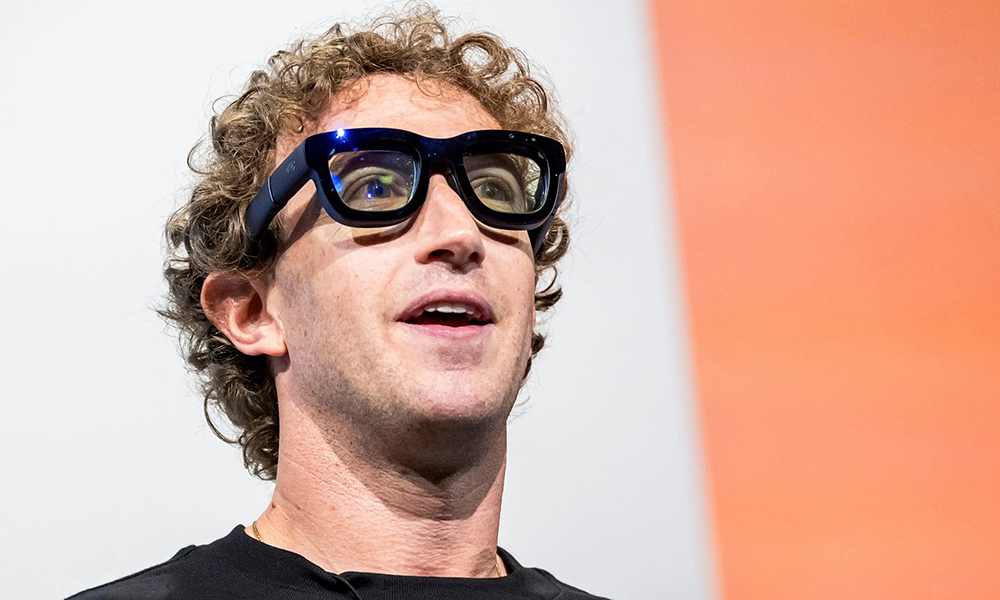
僅在過去一周,Meta就從同行企業中挖角了數十位頂尖人工智能研究員,并為每位研究人員提供最高達1億美元的即時現金獎金,以期在落后于OpenAI和Anthropic等市場領軍者之后,能在這場人工智能軍備競賽中奮起直追。
但或許Meta首席執行官馬克·扎克伯格本應銘記披頭士樂隊60年代的經典歌曲中那句經久不衰的歌詞:金錢“買不來我的愛”——而在當下這一情境中,金錢也買不來業績。
許多人仍對邁克爾·艾斯納(Michael Eisner)在迪士尼(Disney)的慘敗記憶猶新:他豪擲1.4億美元聘請超級經紀人邁克爾·奧維茨(Michael Ovitz),后者入職后不久便以失敗告終。無獨有偶,雅虎(Yahoo)曾以約6000萬美元薪資挖走谷歌明星高管亨利克·德卡斯特羅(Henrique de Castro),可他2014年上任僅一年便黯然離職。
縱觀各行業歷史,眾多案例表明:僅憑巨額資金從競爭對手處挖角頂尖人才,絕非成功之道。從體育界到發明領域,再到投資管理行業——甚至包括我們所在的學術界——在通向衰落的道路上,因盲目相信“砸錢挖角頂尖人才”而失敗的警示案例比比皆是。事實證明,卓越遠非表面那般易于“買到”;除非扎克伯格能解決Meta在人工智能與創新領域停滯不前的根本問題,否則他近期的這場招聘熱潮或許只會淪為又一個警示案例。
從大肆宣揚到慘淡收場——救世者式失誤
從競爭對手處挖角頂尖人才往往結局不佳,原因之一在于:這些公司招攬的頂尖人才,往往已過巔峰期。這一問題在體育界體現得最為明顯——多數運動員年少時達到巔峰,隨后因年齡增長和傷病纏身逐漸狀態下滑。
20世紀80年代,紐約揚基隊老板喬治·斯坦布倫納(George Steinbrenner)因向過氣球星開出天價合約而聲名狼藉——這些球星所享有的盛名,更多源自往昔的輝煌戰績,而非當下表現或未來潛力。隨著斯坦布倫納不斷刷新史上最大合約金額紀錄,洋基隊卻深陷平庸泥沼,這些過氣球星傷病纏身,表現不佳。
自尊心受挫后,許多心灰意冷、放縱自我的球星開始發泄怒火,致使洋基隊淪為內斗不斷、混亂無序、無謂鬧劇頻出的笑柄,球隊長達十余年與冠軍寶座無緣。頗具諷刺意味的是,直到斯坦布倫納因試圖花錢雇傭賭徒挖掘某位過氣球星的黑料以擺脫一份極為苛刻的糟糕合同而被停職,且這些過氣球星最終為冉冉升起的年輕球星騰出位置,洋基隊才得以重振旗鼓。
這種“職業生涯早期高產,后期卻陷入停滯、走向衰落”的現象并非體育界所獨有。在學術界,大量研究表明,從自然科學到數學領域,大學教職人員和研究員的成果產出巔峰期在職業生涯早期,而在獲得終身教職后,其研究產出會大幅下滑。同樣,常春藤盟校也常遭詬病,被指進行“獎杯式招聘”——在諾貝爾獎得主等知名學者的智力貢獻達到巔峰后才將其招致麾下。
從外部引入的“救世主”鮮少能挽救深陷困境的企業。以雷·奧茲(Ray Ozzie)為例,這位備受推崇的軟件先驅曾開發出Lotus Notes、Groove等開創性軟件。21世紀初,比爾·蓋茨(Bill Gates)將奧茲招入微軟,希望他能拯救公司。盡管奧茲履歷無可挑剔,但他在微軟很快便黯然失色——既無法重現職業生涯早期的輝煌,也未能開發出多少新軟件。
薪酬與業績之間的關聯
這不僅僅是職業生涯后期表現下滑的問題。從一開始,薪酬與業績之間的關聯就不如人們所預期的那樣清晰——有時甚至呈現出負相關的態勢。
在商業領域,大量研究表明,首席執行官薪酬越高,對公司長期股價表現產生的正向影響反而越小。事實上,根據摩根士丹利資本國際公司(MSCI)的數據,當公司首席執行官薪酬處于最低的20%區間時,股東平均回報率往往極高;而當首席執行官薪酬處于最高的20%區間時,股價回報率則往往較低。
的確,像沃倫·巴菲特(Warren Buffett)、黃仁勛(Jensen Huang)、杰夫·貝佐斯(Jeff Bezos)等備受尊敬的首席執行官,盡管業績極為出色,卻以相對較低的現金薪酬而聞名。無獨有偶,開市客(Costco)的吉姆·辛內加爾(Jim Sinegal)、家得寶(Home Depot)的伯尼·馬庫斯(Bernie Marcus)、聯合包裹(UPS)的吉姆·凱西(Jim Casey)等傳奇創始人,其薪酬也主要以股票形式體現。另一方面,像WeWork的亞當·諾依曼(Adam Neumann)、泰科國際(Tyco)的丹尼斯·科茲洛夫斯基(Dennis Kozlowski)等飽受爭議的首席執行官,卻拿著豐厚薪酬,挪用公司資金,還將公司拖入絕境。
同樣,在我們此前針對康涅狄格州公共養老金基金相較于全美50個州養老金基金歷史投資表現欠佳所開展的研究里,我們發現,一個州的首席投資官薪酬越高,該州的投資表現就越差強人意。
創新天才往往得不到應有的經濟回報
就Meta而言,扎克伯格顯然寄望于這場“撒錢式”招聘來推動人工智能創新,以彌補公司相較于同行落后的差距。這忽視了創新與創造力背后最為根本的問題:許多創造出顛覆性發明的創新天才,并未從自身智慧結晶中獲得應有的經濟收益,反而是那些更具進取心、更富有創業精神的旁觀者奪走了功勞并攫取了利潤。
這些例子包括蒂姆·伯納斯·李(Tim Berners-Lee),他發明了萬維網,卻未從中賺取分文;伊萊·惠特尼(Eli Whitney),他從發明了軋棉機,但境遇與蒂姆·伯納斯·李相似;馬丁·庫帕(Martin Cooper),這位摩托羅拉工程師是現代手持手機之父,卻從未從中獲利;羅伯特·科恩斯(Robert Kearns),他發明了間歇式雨刮器,卻在余生深陷與汽車制造商的專利維權訴訟;以及斯潘塞·西爾弗(Spencer Silver),這位3M公司的工程師發明了報事貼便條紙,卻被同事奪走功勞,將這一發明成果據為己有。
這些極具創造力的內向者,憑借一系列推動工業和技術革命的發明改變了世界,但他們要么不愿涉足,要么無法參與這場游戲,最終淪為周圍更具進取心、更富有創業精神的人的犧牲品,后者攫取了豐厚的經濟回報。
滑向冰球所在的位置,而非冰球將要移動的方向
若要探尋那些能明顯預示泡沫狂熱即將見頂的跡象,大致有以下幾方面:其一,當出租車司機和理發師都在熱議某事并紛紛投身其中;其二,當所有商學院學生都在爭搶相關工作;其三,當企業為從競爭對手那里挖走人才而開出令人瞠目的現金獎金。
這正是大金融危機爆發前夕,華爾街圍繞抵押貸款交易員展開“軍備競賽”時所上演的真實一幕——對于當下的Meta而言,這無疑有著極為深刻的借鑒意義。彼時,美林證券(Merrill Lynch)首席執行官斯坦·奧尼爾(Stan O’Neal)曾開出約5000萬美元的現金獎金,從瑞士信貸(Credit Suisse)、貝爾斯登(Bear Stearns)等競爭對手處挖角頂尖抵押貸款交易員,并授權這些“雇傭兵”在近乎無人監管的情況下承擔巨大風險。這些交易員隨后構建了規模龐大的抵押貸款投資組合,2008年危機來襲時,該組合迅速崩盤,美林證券幾乎在一夜之間損失數十億美元,并被迫與美國銀行(Bank of America)進行緊急低價并購。
就Meta而言,挖走頂尖人工智能工程師可能類似于“滑向冰球所在的位置,而非冰球將要抵達的位置”。由于人工智能創新的步伐加快,許多真正的人工智能新突破來自初創企業和新興顛覆者,而非傳統巨頭。此外,許多工程師聲稱人工智能的出現導致編碼工作日益趨向商品化,部分軟件開發人員淪為可隨意替換的“零件”。
依賴明星人才與激勵型文化
Meta內部的權威人士已發出警示:Meta在人工智能領域面臨的困境,遠比其表面呈現出的狀況更為嚴峻復雜。一位頂級人工智能研究人員本周剛剛警告稱,在“恐懼文化”和無能領導的影響下,Meta的人工智能開發工作正遭受“轉移癌”的侵蝕。
今年的超級碗賽事宛如一記振聾發聵的警鐘,提醒我們:依賴明星球員存在諸多隱患,而激勵型文化卻能推動不被看好的隊伍實現意想不到的突破。賽前,賠率一邊倒地傾向于堪薩斯城酋長隊,他們擁有帕特里克·馬霍姆斯(Patrick Mahomes)、特拉維斯·凱爾斯(Travis Kelce)等家喻戶曉的超級明星,但最終卻輸給了實力強勁的費城老鷹隊——老鷹隊擁有一支凝聚力極強的上升期明星陣容,或許他們在個人名氣和聲望上不及酋長隊的諸多球員。
對馬克·扎克伯格而言,超級碗無疑是一個極具沖擊力的提醒:金錢能買到許多東西,但并非一切都能用金錢買到。(財富中文網)
本文作者杰弗里·索南菲爾德(Jeffrey Sonnenfeld)是耶魯大學管理實踐萊斯特·克朗教授,同時擔任耶魯首席執行官領導力研究所的創始人兼所長。史蒂文·田(Steven Tian)是耶魯首席執行官領導力研究所的研究主管。
Fortune.com上發表的評論文章中表達的觀點,僅代表作者本人的觀點,不代表《財富》雜志的觀點和立場。
譯者:中慧言-王芳
僅在過去一周,Meta就從同行企業中挖角了數十位頂尖人工智能研究員,并為每位研究人員提供最高達1億美元的即時現金獎金,以期在落后于OpenAI和Anthropic等市場領軍者之后,能在這場人工智能軍備競賽中奮起直追。
但或許Meta首席執行官馬克·扎克伯格本應銘記披頭士樂隊60年代的經典歌曲中那句經久不衰的歌詞:金錢“買不來我的愛”——而在當下這一情境中,金錢也買不來業績。
許多人仍對邁克爾·艾斯納(Michael Eisner)在迪士尼(Disney)的慘敗記憶猶新:他豪擲1.4億美元聘請超級經紀人邁克爾·奧維茨(Michael Ovitz),后者入職后不久便以失敗告終。無獨有偶,雅虎(Yahoo)曾以約6000萬美元薪資挖走谷歌明星高管亨利克·德卡斯特羅(Henrique de Castro),可他2014年上任僅一年便黯然離職。
縱觀各行業歷史,眾多案例表明:僅憑巨額資金從競爭對手處挖角頂尖人才,絕非成功之道。從體育界到發明領域,再到投資管理行業——甚至包括我們所在的學術界——在通向衰落的道路上,因盲目相信“砸錢挖角頂尖人才”而失敗的警示案例比比皆是。事實證明,卓越遠非表面那般易于“買到”;除非扎克伯格能解決Meta在人工智能與創新領域停滯不前的根本問題,否則他近期的這場招聘熱潮或許只會淪為又一個警示案例。
從大肆宣揚到慘淡收場——救世者式失誤
從競爭對手處挖角頂尖人才往往結局不佳,原因之一在于:這些公司招攬的頂尖人才,往往已過巔峰期。這一問題在體育界體現得最為明顯——多數運動員年少時達到巔峰,隨后因年齡增長和傷病纏身逐漸狀態下滑。
20世紀80年代,紐約揚基隊老板喬治·斯坦布倫納(George Steinbrenner)因向過氣球星開出天價合約而聲名狼藉——這些球星所享有的盛名,更多源自往昔的輝煌戰績,而非當下表現或未來潛力。隨著斯坦布倫納不斷刷新史上最大合約金額紀錄,洋基隊卻深陷平庸泥沼,這些過氣球星傷病纏身,表現不佳。
自尊心受挫后,許多心灰意冷、放縱自我的球星開始發泄怒火,致使洋基隊淪為內斗不斷、混亂無序、無謂鬧劇頻出的笑柄,球隊長達十余年與冠軍寶座無緣。頗具諷刺意味的是,直到斯坦布倫納因試圖花錢雇傭賭徒挖掘某位過氣球星的黑料以擺脫一份極為苛刻的糟糕合同而被停職,且這些過氣球星最終為冉冉升起的年輕球星騰出位置,洋基隊才得以重振旗鼓。
這種“職業生涯早期高產,后期卻陷入停滯、走向衰落”的現象并非體育界所獨有。在學術界,大量研究表明,從自然科學到數學領域,大學教職人員和研究員的成果產出巔峰期在職業生涯早期,而在獲得終身教職后,其研究產出會大幅下滑。同樣,常春藤盟校也常遭詬病,被指進行“獎杯式招聘”——在諾貝爾獎得主等知名學者的智力貢獻達到巔峰后才將其招致麾下。
從外部引入的“救世主”鮮少能挽救深陷困境的企業。以雷·奧茲(Ray Ozzie)為例,這位備受推崇的軟件先驅曾開發出Lotus Notes、Groove等開創性軟件。21世紀初,比爾·蓋茨(Bill Gates)將奧茲招入微軟,希望他能拯救公司。盡管奧茲履歷無可挑剔,但他在微軟很快便黯然失色——既無法重現職業生涯早期的輝煌,也未能開發出多少新軟件。
薪酬與業績之間的關聯
這不僅僅是職業生涯后期表現下滑的問題。從一開始,薪酬與業績之間的關聯就不如人們所預期的那樣清晰——有時甚至呈現出負相關的態勢。
在商業領域,大量研究表明,首席執行官薪酬越高,對公司長期股價表現產生的正向影響反而越小。事實上,根據摩根士丹利資本國際公司(MSCI)的數據,當公司首席執行官薪酬處于最低的20%區間時,股東平均回報率往往極高;而當首席執行官薪酬處于最高的20%區間時,股價回報率則往往較低。
的確,像沃倫·巴菲特(Warren Buffett)、黃仁勛(Jensen Huang)、杰夫·貝佐斯(Jeff Bezos)等備受尊敬的首席執行官,盡管業績極為出色,卻以相對較低的現金薪酬而聞名。無獨有偶,開市客(Costco)的吉姆·辛內加爾(Jim Sinegal)、家得寶(Home Depot)的伯尼·馬庫斯(Bernie Marcus)、聯合包裹(UPS)的吉姆·凱西(Jim Casey)等傳奇創始人,其薪酬也主要以股票形式體現。另一方面,像WeWork的亞當·諾依曼(Adam Neumann)、泰科國際(Tyco)的丹尼斯·科茲洛夫斯基(Dennis Kozlowski)等飽受爭議的首席執行官,卻拿著豐厚薪酬,挪用公司資金,還將公司拖入絕境。
同樣,在我們此前針對康涅狄格州公共養老金基金相較于全美50個州養老金基金歷史投資表現欠佳所開展的研究里,我們發現,一個州的首席投資官薪酬越高,該州的投資表現就越差強人意。
創新天才往往得不到應有的經濟回報
就Meta而言,扎克伯格顯然寄望于這場“撒錢式”招聘來推動人工智能創新,以彌補公司相較于同行落后的差距。這忽視了創新與創造力背后最為根本的問題:許多創造出顛覆性發明的創新天才,并未從自身智慧結晶中獲得應有的經濟收益,反而是那些更具進取心、更富有創業精神的旁觀者奪走了功勞并攫取了利潤。
這些例子包括蒂姆·伯納斯·李(Tim Berners-Lee),他發明了萬維網,卻未從中賺取分文;伊萊·惠特尼(Eli Whitney),他從發明了軋棉機,但境遇與蒂姆·伯納斯·李相似;馬丁·庫帕(Martin Cooper),這位摩托羅拉工程師是現代手持手機之父,卻從未從中獲利;羅伯特·科恩斯(Robert Kearns),他發明了間歇式雨刮器,卻在余生深陷與汽車制造商的專利維權訴訟;以及斯潘塞·西爾弗(Spencer Silver),這位3M公司的工程師發明了報事貼便條紙,卻被同事奪走功勞,將這一發明成果據為己有。
這些極具創造力的內向者,憑借一系列推動工業和技術革命的發明改變了世界,但他們要么不愿涉足,要么無法參與這場游戲,最終淪為周圍更具進取心、更富有創業精神的人的犧牲品,后者攫取了豐厚的經濟回報。
滑向冰球所在的位置,而非冰球將要移動的方向
若要探尋那些能明顯預示泡沫狂熱即將見頂的跡象,大致有以下幾方面:其一,當出租車司機和理發師都在熱議某事并紛紛投身其中;其二,當所有商學院學生都在爭搶相關工作;其三,當企業為從競爭對手那里挖走人才而開出令人瞠目的現金獎金。
這正是大金融危機爆發前夕,華爾街圍繞抵押貸款交易員展開“軍備競賽”時所上演的真實一幕——對于當下的Meta而言,這無疑有著極為深刻的借鑒意義。彼時,美林證券(Merrill Lynch)首席執行官斯坦·奧尼爾(Stan O’Neal)曾開出約5000萬美元的現金獎金,從瑞士信貸(Credit Suisse)、貝爾斯登(Bear Stearns)等競爭對手處挖角頂尖抵押貸款交易員,并授權這些“雇傭兵”在近乎無人監管的情況下承擔巨大風險。這些交易員隨后構建了規模龐大的抵押貸款投資組合,2008年危機來襲時,該組合迅速崩盤,美林證券幾乎在一夜之間損失數十億美元,并被迫與美國銀行(Bank of America)進行緊急低價并購。
就Meta而言,挖走頂尖人工智能工程師可能類似于“滑向冰球所在的位置,而非冰球將要抵達的位置”。由于人工智能創新的步伐加快,許多真正的人工智能新突破來自初創企業和新興顛覆者,而非傳統巨頭。此外,許多工程師聲稱人工智能的出現導致編碼工作日益趨向商品化,部分軟件開發人員淪為可隨意替換的“零件”。
依賴明星人才與激勵型文化
Meta內部的權威人士已發出警示:Meta在人工智能領域面臨的困境,遠比其表面呈現出的狀況更為嚴峻復雜。一位頂級人工智能研究人員本周剛剛警告稱,在“恐懼文化”和無能領導的影響下,Meta的人工智能開發工作正遭受“轉移癌”的侵蝕。
今年的超級碗賽事宛如一記振聾發聵的警鐘,提醒我們:依賴明星球員存在諸多隱患,而激勵型文化卻能推動不被看好的隊伍實現意想不到的突破。賽前,賠率一邊倒地傾向于堪薩斯城酋長隊,他們擁有帕特里克·馬霍姆斯(Patrick Mahomes)、特拉維斯·凱爾斯(Travis Kelce)等家喻戶曉的超級明星,但最終卻輸給了實力強勁的費城老鷹隊——老鷹隊擁有一支凝聚力極強的上升期明星陣容,或許他們在個人名氣和聲望上不及酋長隊的諸多球員。
對馬克·扎克伯格而言,超級碗無疑是一個極具沖擊力的提醒:金錢能買到許多東西,但并非一切都能用金錢買到。(財富中文網)
本文作者杰弗里·索南菲爾德(Jeffrey Sonnenfeld)是耶魯大學管理實踐萊斯特·克朗教授,同時擔任耶魯首席執行官領導力研究所的創始人兼所長。史蒂文·田(Steven Tian)是耶魯首席執行官領導力研究所的研究主管。
Fortune.com上發表的評論文章中表達的觀點,僅代表作者本人的觀點,不代表《財富》雜志的觀點和立場。
譯者:中慧言-王芳
In the last week alone, Meta has poached more than a dozen top AI researchers from peer companies, giving each one immediate cash bonuses worth up to $100 million in a frantic effort to keep up with the AI arms race after falling behind market leaders such as OpenAI and Anthropic.
But perhaps Meta CEO Mark Zuckerberg should have remembered the timeless refrain from the classic 1960s hit Beatles song that money “can’t buy me love”—or, in this case, buy performance.
Many remember the implosion of Michael Eisner at Disney soon after losing $140 million hiring super-agent Michael Ovitz, who left in failure soon after joining. Similarly, Yahoo stole the celebrated Google star Henrique de Castro for about $60 million, but he washed out just after his first year in 2014.
There are many examples across sectors and across history which show that throwing up boatloads of money to poach top talent from competitors is never enough on its own. From sports to invention to investment management—and even our own field, academia—the road to decline is littered with cautionary tales of misplaced confidence from throwing money at top talent unsuccessfully. Greatness, it turns out, is harder to buy than it looks, and unless Zuckerberg can stem the underlying drivers of AI and innovation stagnation at Meta, then his recent hiring spree may only turn into another cautionary tale.
Fanfare to failure—messianic misfires
One reason poaching top talent from rivals frequently ends poorly is because oftentimes these firms are getting top talent after they have already hit their peak. Nowhere is this challenge more evident than in the world of sports, where most athletes peak young and deteriorate with age and injuries.
In the 1980s, New York Yankees owner George Steinbrenner became infamous for showering lavish megadeals on aging stars more famous for their decorated pasts than their current performance or future potential. As Steinbrenner established record after record for the largest contracts ever doled out, the Yankees languished in mediocrity as these aging stars turned into injury-plagued busts.
Their egos hurt, many of these frustrated, self-indulgent stars lashed out, turning the Yankees into a laughingstock of infighting, dysfunction, and needless drama amidst a championship drought of more than a decade. Ironically, it was only after Steinbrenner was suspended—after he tried to pay a gambler to dig up dirt on an aging star to get out of a particularly onerous bad contract—and after had-beens finally got out of the way of younger stars on the ascent that the Yankees finally rebounded.
That phenomenon of early-career productivity followed by late-career stagnation and decline is prevalent beyond sports. In academia, numerous studies have shown that university faculty and researchers, in fields ranging from the sciences to mathematics, publish most prolifically early in their careers, and that their research output declines dramatically after they achieve tenure. Similarly, Ivy League schools are often accused of trophy hiring, bringing in Nobel Prize winners and other high-profile scholars after they have already reached the peak of their intellectual contributions.
Messiahs brought in from the outside to rescue flailing enterprises rarely live up to expectations. Consider the case of Ray Ozzie, the widely admired software visionary who created groundbreaking software such as Lotus Notes and Groove. Ozzie was brought in by Bill Gates to rescue Microsoft in the early 2000s, but despite Ozzie’s peerless pedigree, he quickly flamed out at the company as he was unable to recreate his early-career magic and failed to develop much in the way of new software.
Correspondence between pay and performance
It’s not just about late-career decline. From the outset, the correspondence between pay and performance is less clear than one would expect—and sometimes even resembles a negative correlation.
In the business world, numerous studies have found that higher CEO pay has little impact on the long-term stock performance of companies. In fact, according to MSCI, average shareholder returns tend to be significantly higher when a company’s CEO is in the bottom 20% of pay, while share returns tend to be lower when a company’s CEO is in the top 20% of earners.
Indeed, revered CEOs such as Warren Buffett, Jensen Huang, and Jeff Bezos have been notorious for drawing comparatively low cash salaries despite extremely strong performance, similar to legendary founders such as Jim Sinegal of Costco, Bernie Marcus of Home Depot, and Jim Casey of UPS, who took their compensation largely in stock. On the other hand, far more controversial CEOs such as Adam Neumann at WeWork and Dennis Kozlowski at Tyco made out lavishly, misappropriating funds from their corporate treasuries while steering their companies into the ground.
Similarly, in our prior research on the historical investment underperformance of Connecticut’s public pension funds relative to all 50 state pension funds, we found that the more a state’s chief investment officer is paid, the worse their performance.
Innovative geniuses often go unrewarded financially
In Meta’s case, it’s clear that Zuckerberg is counting on his spending spree to fuel AI innovation as Meta falls behind its peers. This ignores a fundamental problem of innovation and inventiveness, which is that many of the innovative geniuses who devised transformative inventions failed to profit financially from their own ingenuity while more aggressive, entrepreneurial bystanders claimed credit and profit.
These examples include Tim Berners-Lee, who never earned a penny from the creation of the World Wide Web; Eli Whitney, who fared similarly from his invention of the cotton gin; Martin Cooper, the Motorola engineer who was the father of the modern handheld cellphone yet never profited from it; Robert Kearns, who invented the intermittent windshield wiper but was stuck in litigation for the rest of his life against the automakers to protect his patent; and Spencer Silver, a 3M engineer whose creation, the Post-it note, was requisitioned by colleagues who claimed credit for his invention.
Such inventive introverts transformed the world with inventions undergirding the industrial and technological revolutions, yet they were either unwilling or unable to play the game, falling prey to more aggressive and entrepreneurial personalities around them who commandeered the lucrative financial rewards.
Skating to where the puck is, not where the puck is going
If there were ever telltale signs of when the top of a bubble frenzy could be near, it would be the following: First, when every taxi driver and hairdresser is talking about it and diving in; second, when all the business school students are trying to get related jobs; and third, when firms are dishing out eye-popping cash bonuses to poach talent from competitors.
That is exactly what happened with Wall Street’s arms race for mortgage traders in the lead-up to the Great Financial Crisis, which offers some striking lessons for Meta. The then-CEO of Merrill Lynch, Stan O’Neal, offered cash bonuses of about $50 million to poach elite mortgage traders from competitors such as Credit Suisse and Bear Stearns, and authorized those mercenaries to take tremendous risks with little oversight. These traders then built a massive mortgage portfolio which quickly blew up when the 2008 crisis hit, with Merrill losing billions practically overnight and forced into a fire-sale merger with Bank of America.
In Meta’s case, poaching top AI engineers could represent a similar case of skating to where the puck is, not where the puck is going, as the rapid pace of innovation in AI has led to many of genuinely new AI breakthroughs coming from startups and upstart disruptors rather than entrenched incumbents. Furthermore, many engineers claim the advent of AI has resulted in coding becoming increasingly commoditized, turning some software developers into interchangeable parts.
Reliance on stars vs. cultures of inspiration
Already, leading voices within Meta are warning that Meta’s AI woes run much deeper, with a top AI researcher warning just this week of the “metastatic cancer” afflicting Meta’s AI development amidst a “culture of fear” and inept leadership.
This year’s Super Bowl offers a potent reminder of the pitfalls of relying on stars versus the potential for cultures of inspiration to propel underdogs toward unexpected heights. The odds favored the Kansas City Chiefs, with recognizable superstars such as Patrick Mahomes and Travis Kelce, but they fell to a dominant Philadelphia Eagles boasting a cohesive unit of ascendant stars who perhaps lacked the grandiosity and individual stature of any number of Chiefs players.
For Mark Zuckerberg, the Super Bowl is a potent reminder that money can buy lots of things—but it can’t buy everything.
Jeffrey Sonnenfeld is the Lester Crown Professor in Management Practice and president and founder of the Yale Chief Executive Leadership Institute. Steven Tian is the director of research at the Yale Chief Executive Leadership Institute.

請打開財富Plus APP