


ASML一句話致使市值蒸發300億美元
Nick Lichtenberg, Fortune Intelligence
2025-07-18
荷蘭半導體設備巨頭ASML周三股價暴跌11%,此前該公司宣稱無法確定2026年能否實現增長。
 文本設置
文本設置
 Plus(0條)

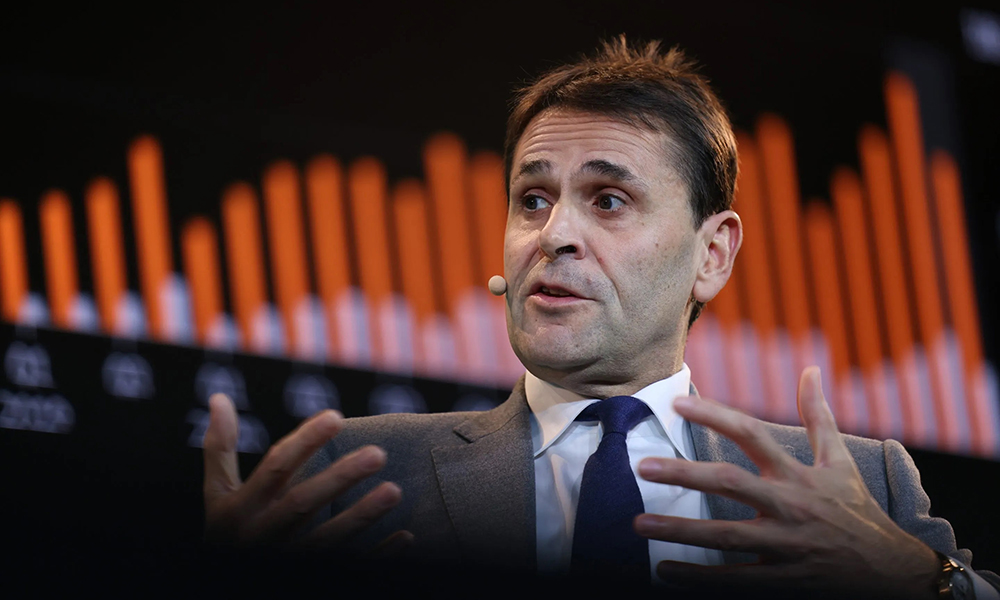
荷蘭半導體設備巨頭ASML本周三股價暴跌11%,此前該公司宣稱無法確定2026年能否實現增長。此次股價暴跌導致公司市值蒸發逾300億美元,并引發全球科技市場震動,投資者正消化這一消息對更廣泛的半導體和人工智能行業的影響。此次拋售發生在ASML公布第二季度財報之后,彼時其營收和凈利潤均超預期,訂單額達64億美元。然而,首席執行官克里斯托夫·富凱的評論卻讓這份亮眼業績黯然失色:“盡管我們仍在為2026年實現增長做準備,但現階段無法確認。”他指出,宏觀經濟和地緣政治不確定性加劇,尤其是半導體設備面臨新關稅威脅。
精明的投資者向來通過ASML的動態判斷科技周期的健康狀況;此次增長預警可能是市場釋放的早期信號——人工智能和半導體的超級周期即將觸頂,或至少正為動蕩做準備。
為何ASML的前景比大多數公司更重要
這絕非僅是公司層面的事件——可能是全球科技和人工智能生態系統的“預警信號”。原因何在?ASML是全球唯一的極紫外(EUV)光刻機供應商——這種超精密制造設備使尖端半導體的生產成為可能。每款最先進的人工智能加速器、每顆為生成式人工智能提供動力的數據中心芯片,其技術源頭都可追溯至ASML的設備。
因此,即便ASML當前盈利超預期,卻仍向市場表示“無法確認”2026年的增長前景,這不僅表明其對自身產品線持謹慎態度,更可能預示著電子供應鏈中最關乎未來的環節即將迎來拐點。換言之,倘若ASML的訂單量放緩,那就意味著下游芯片制造商可能預期需求疲軟、對資本支出回報的不確定性上升,或是在為政策阻力做準備。
背景至關重要:當前人工智能需求激增,但2025年,這一趨勢正遭遇宏觀不確定性的沖擊——尤其是特朗普政府威脅對歐盟加征關稅、中國實施出口限制,以及歷史性科技投資浪潮后資本支出疲軟。ASML的交貨周期為12至18個月——當前訂單反映的是對2026年全球芯片需求的信心。倘若這種信心出現動搖,將對整個創新經濟產生連鎖反應。
ASML絕非尋常意義上的科技股,而是全球半導體供應鏈的關鍵所在。該公司是全球唯一的極紫外光刻機供應商,這種關鍵設備為生產最先進芯片提供了支撐,而該類芯片廣泛應用于人工智能加速器、智能手機及數據中心等場景。
增長預警背后的原因是什么?
多重因素交織疊加,為ASML的前景蒙上了陰影。關稅不確定性便是其中之一,特朗普威脅對包括半導體設備在內的歐洲進口商品加征30%的關稅,這讓ASML的客戶陷入不安。該公司發出警示,對運往美國的全新系統及零部件加征關稅,再加上可能引發的報復性措施,或將直接沖擊其毛利率,致使客戶的投資決策推遲。
持續的貿易爭端和出口管制,尤其是涉及中國和美國,使得ASML難以預測需求。客戶愈發謹慎,部分客戶可能推遲或削減訂單。盡管第二季度訂單表現強勁,但巴克萊(Barclays)分析師指出,ASML需將當前的訂單增速提升一倍,方能實現此前設定的2026年增長目標。2026年的訂單積壓覆蓋率已降至三年來的最低水平,這引發了對短期增長動能的質疑。
市場反應
市場反應迅速且劇烈:ASML股價暴跌11%,創下自2024年10月以來的最大單日跌幅紀錄(彼時因第三季度財報不及預期,股價下跌16%)。周三的拋售不僅拖累了整個歐洲科技板塊,還對美國半導體設備同行造成沖擊,如泛林(Lam Research)和應用材料公司(Applied Materials)。
相比之下,得益于美國對華出口政策利好消息,人工智能芯片制造商如英偉達(Nvidia)和AMD股價上漲,這凸顯了芯片設計公司與設備供應鏈之間的差異。(財富中文網)
Fortune Intelligence使用生成式人工智能來幫助撰寫初稿,從而更快地為您帶來突發商業新聞,同時保持我們高標準的準確性和質量。這些故事由《財富》雜志的高級商業編輯進行編輯,以在發布前驗證信息的準確性。
譯者:中慧言-王芳
荷蘭半導體設備巨頭ASML本周三股價暴跌11%,此前該公司宣稱無法確定2026年能否實現增長。此次股價暴跌導致公司市值蒸發逾300億美元,并引發全球科技市場震動,投資者正消化這一消息對更廣泛的半導體和人工智能行業的影響。此次拋售發生在ASML公布第二季度財報之后,彼時其營收和凈利潤均超預期,訂單額達64億美元。然而,首席執行官克里斯托夫·富凱的評論卻讓這份亮眼業績黯然失色:“盡管我們仍在為2026年實現增長做準備,但現階段無法確認。”他指出,宏觀經濟和地緣政治不確定性加劇,尤其是半導體設備面臨新關稅威脅。
精明的投資者向來通過ASML的動態判斷科技周期的健康狀況;此次增長預警可能是市場釋放的早期信號——人工智能和半導體的超級周期即將觸頂,或至少正為動蕩做準備。
為何ASML的前景比大多數公司更重要
這絕非僅是公司層面的事件——可能是全球科技和人工智能生態系統的“預警信號”。原因何在?ASML是全球唯一的極紫外(EUV)光刻機供應商——這種超精密制造設備使尖端半導體的生產成為可能。每款最先進的人工智能加速器、每顆為生成式人工智能提供動力的數據中心芯片,其技術源頭都可追溯至ASML的設備。
因此,即便ASML當前盈利超預期,卻仍向市場表示“無法確認”2026年的增長前景,這不僅表明其對自身產品線持謹慎態度,更可能預示著電子供應鏈中最關乎未來的環節即將迎來拐點。換言之,倘若ASML的訂單量放緩,那就意味著下游芯片制造商可能預期需求疲軟、對資本支出回報的不確定性上升,或是在為政策阻力做準備。
背景至關重要:當前人工智能需求激增,但2025年,這一趨勢正遭遇宏觀不確定性的沖擊——尤其是特朗普政府威脅對歐盟加征關稅、中國實施出口限制,以及歷史性科技投資浪潮后資本支出疲軟。ASML的交貨周期為12至18個月——當前訂單反映的是對2026年全球芯片需求的信心。倘若這種信心出現動搖,將對整個創新經濟產生連鎖反應。
ASML絕非尋常意義上的科技股,而是全球半導體供應鏈的關鍵所在。該公司是全球唯一的極紫外光刻機供應商,這種關鍵設備為生產最先進芯片提供了支撐,而該類芯片廣泛應用于人工智能加速器、智能手機及數據中心等場景。
增長預警背后的原因是什么?
多重因素交織疊加,為ASML的前景蒙上了陰影。關稅不確定性便是其中之一,特朗普威脅對包括半導體設備在內的歐洲進口商品加征30%的關稅,這讓ASML的客戶陷入不安。該公司發出警示,對運往美國的全新系統及零部件加征關稅,再加上可能引發的報復性措施,或將直接沖擊其毛利率,致使客戶的投資決策推遲。
持續的貿易爭端和出口管制,尤其是涉及中國和美國,使得ASML難以預測需求。客戶愈發謹慎,部分客戶可能推遲或削減訂單。盡管第二季度訂單表現強勁,但巴克萊(Barclays)分析師指出,ASML需將當前的訂單增速提升一倍,方能實現此前設定的2026年增長目標。2026年的訂單積壓覆蓋率已降至三年來的最低水平,這引發了對短期增長動能的質疑。
市場反應
市場反應迅速且劇烈:ASML股價暴跌11%,創下自2024年10月以來的最大單日跌幅紀錄(彼時因第三季度財報不及預期,股價下跌16%)。周三的拋售不僅拖累了整個歐洲科技板塊,還對美國半導體設備同行造成沖擊,如泛林(Lam Research)和應用材料公司(Applied Materials)。
相比之下,得益于美國對華出口政策利好消息,人工智能芯片制造商如英偉達(Nvidia)和AMD股價上漲,這凸顯了芯片設計公司與設備供應鏈之間的差異。(財富中文網)
Fortune Intelligence使用生成式人工智能來幫助撰寫初稿,從而更快地為您帶來突發商業新聞,同時保持我們高標準的準確性和質量。這些故事由《財富》雜志的高級商業編輯進行編輯,以在發布前驗證信息的準確性。
譯者:中慧言-王芳
Shares of ASML, the Dutch semiconductor equipment giant, tumbled 11% on Wednesday after the company announced it could no longer confirm that it will grow in 2026. The drop wiped out over $30 billion in market value and sent shockwaves through global tech markets, as investors digested the implications for the broader semiconductor and AI industries. The selloff followed ASML’s second-quarter earnings report, which beat expectations on revenue and net profit, with robust bookings of $6.4 billion. However, CEO Christophe Fouquet’s comments overshadowed the strong results: “While we still prepare for growth in 2026, we cannot confirm it at this stage,” he said, citing escalating macroeconomic and geopolitical uncertainty, especially the threat of new tariffs on semiconductor equipment.
Smart money watches ASML for signals on the tech cycle’s health; a growth warning here may be the market’s early clue that the AI and semiconductor supercycle is reaching a plateau—or at least preparing for turbulence.
Why ASML’s outlook matters more than most
This isn’t just a company-specific event—it could be a canary in the coal mine for the global tech and AI ecosystem. Why? ASML is the world’s exclusive supplier of EUV lithography machines—the ultra-precise fabrication equipment that makes cutting-edge semiconductors possible. Every state-of-the-art AI accelerator, every data-center chip that powers generative AI, traces its technological lineage back to ASML’s tools.
So when ASML tells the market it “cannot confirm” growth for 2026—despite beating on current earnings—it’s signaling not just caution about its own pipeline, but a potential inflection point in the most future-critical segment of the electronics supply chain. In other words: if ASML’s order book slows, it means that downstream chipmakers may anticipate softer demand, have rising uncertainty about capex returns, or are bracing for policy headwinds.
The context matters: This is a moment when AI demand has been surging, but in 2025 it’s now colliding with macro uncertainty, particularly driven by U.S.-EU tariff threats, China export restrictions, and capex fatigue after a historic tech investment wave. ASML’s lead times are 12 to 18 months—with orders today reflecting confidence in global chip demand well into 2026. If that confidence is wavering, it ripples through the entire innovation economy.
ASML is not just another tech stock—it is the linchpin of the global semiconductor supply chain. The company is the world’s sole supplier of extreme ultraviolet (EUV) lithography machines, the critical technology that enables the production of the most advanced chips used in everything from AI accelerators to smartphones and data centers.
What’s behind the growth warning?
Several factors converged to cloud ASML’s outlook. One was tariff uncertainty. President Trump’s threat of 30% tariffs on European imports, including semiconductor equipment, has rattled ASML’s customers. The company warned that tariffs on new systems and parts shipped to the U.S., as well as possible retaliatory measures, could directly hit its gross margins and delay customer investment decisions.
Ongoing trade disputes and export controls, especially involving China and the U.S., have made it harder for ASML to forecast demand. Clients are increasingly cautious, with some potentially postponing or scaling back orders. While Q2 bookings were strong, Barclays analysts noted ASML would need to double its current order pace to meet previous 2026 growth forecasts. The backlog coverage for 2026 is at its lowest in three years, raising doubts about near-term momentum.
Market reaction
The market’s response was swift and severe as ASML shares fell 11%, their steepest single-day drop since October 2024, when a disappointing third-quarter earnings report led to the stock price falling 16%. Wednesday’s selloff dragged down the broader European tech sector and hit U.S. semiconductor equipment peers such as Lam Research and Applied Materials.
In contrast, AI chipmakers such as Nvidia and AMD rose, buoyed by positive news on U.S. export policy to China, highlighting a divergence between chip designers and the equipment supply chain.

請打開財富Plus APP