


一位《財富》美國500強CEO給應畢業生的建議:保持謙遜
Eleanor Pringle
2025-07-30
這位擁有4100名員工的《財富》美國500強企業老板在20多歲時曾試圖拒絕晉升為首席執行官。
 文本設置
文本設置
 Plus(0條)

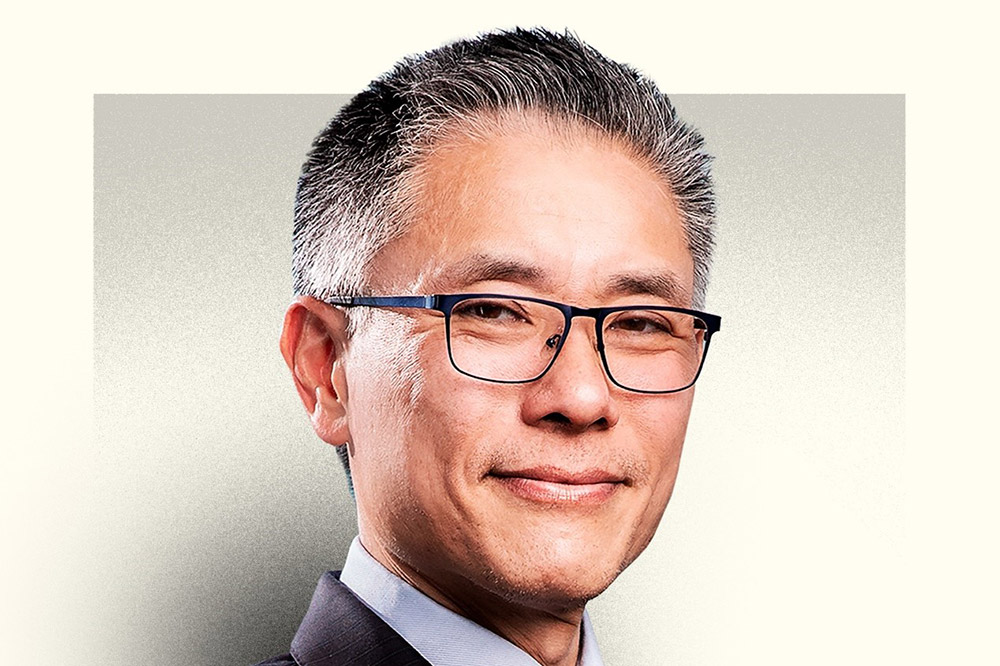
? 獨家專訪:托尼·程早年便承擔挑戰性重任,在美國再保險集團一路晉升。他將數十年職業生涯的穩健進階,歸功于不懈學習、永葆謙遜與勇擔責任。在他的領導下,美國再保險集團在亞洲及其他地區不斷擴大業務版圖,激勵那些有志于領導企業的人始終保持開放心態,追求持續成長。
獲得重大晉升卻選擇推拒的情況實屬罕見,但更罕見的是,向上級坦承自己尚未準備好承擔該角色,卻仍被委以重任。
然而,這正是美國再保險集團總裁托尼·程在職業生涯早期經歷的非凡際遇。過去三十年間,托尼·程在美國再保險集團一路晉升,助力公司發展成如今為活躍保單持有人提供3.9萬億美元再保險保障的業界巨擘。
2025年,美國再保險集團宣布與公平控股公司(Equitable)達成一項價值15億美元的里程碑式協議:為后者價值320億美元的人壽保險保單提供再保險服務。這一交易鞏固了美國再保險集團的行業領軍地位,并有望為其未來多個季度的盈利增長注入動力。
今年夏天,托尼·程在接受《財富》雜志獨家專訪時,回顧了自己升任首席執行官這一至關重要的時刻,并談到即便躋身高管之列,仍須保持謙遜的重要性。
為力求簡潔,以下內容已作編輯刪減。
托尼,在這個將頻繁跳槽視作職業快速晉升捷徑的時代,你選擇了不同的路徑——自1997年起一直在美國再保險集團內部晉升。職業操守的根源何在?是什么激勵你長期堅守這家公司?
我出生于中國香港,父母都是教師。他們為四個孩子(我是最小的)的未來考慮,認為澳大利亞能提供他們期望的西式教育。因此,我從九個月大到二十歲的成長時光都在澳大利亞度過,很少出國旅行。
父母工作極其辛苦。母親照料四個孩子,父親則因教職薪資微薄、難以維系生計,而遺憾地放棄了他所鐘愛的教書事業。后來,他們經營起一些小本生意,每逢周末,我們四個孩子都會去店里幫忙,每天工作12小時,卻從未覺得有何不妥之處。父母的犧牲與辛勤付出深深影響了我,這些品質都是我希望傳承給下一代的。
像許多在西方國家長大卻有著亞洲家庭背景的人一樣,我人生中可能只去過亞洲一次,因此,我在1997年抓住機會加入了美國再保險集團馬來西亞分公司。
1999年至2002年期間,你返回美國攻讀工商管理碩士學位,同時繼續為美國再保險集團工作,而后離開美國赴香港辦事處履新。你剛到任時,團隊僅有10人。如今,亞太地區已有超過1000名員工,營收達40億美元。與在成熟市場發展相比,新興市場是否存在未被發掘的職業機會?
我們當時的業務規模很小,但實際上覆蓋了約5億人口——涵蓋中國香港及馬來西亞、泰國等地。我以精算師的身份加入,一年半后便被提拔為該業務板塊的首席執行官。這著實令人心生忐忑,不是嗎?
老板初次讓我接任此職時,我大概是這樣回應的:“不行,我年紀尚輕。”彼時我才29歲,可老板卻并未將我的推辭放在心上。
我暗自思忖,成功的概率或許僅有10%,可這已然十分難得;而失敗的幾率卻高達90%,但無論如何,我都能從中汲取諸多經驗。彼時我既無房貸的重負,亦無子女的牽絆,滿心所想的唯有學習。或許,這種持續學習的本能、熱忱與動力,正源自我的父母皆為教師這一背景。
在美國再保險集團最新公布的財報中,公司營收達221億美元。您在亞洲學到的創業精神,是如何助力公司實現全球業務增長的呢?
我們拼盡全力才將業務逐步做大。我在內部時常打趣道,大約每月一次,蟲害防治公司的人會來,這便意味著我們能五點準時下班,不然除此之外,我們還能做什么呢?這彰顯了我們的精神風貌。創業初期,就是要解決問題。我會對團隊說:“咱們不妨一試。雖說深知此事艱難萬分,但讓我們放手一試。”
在美國,人們通常不會開發新產品或新事物,因為市場體量龐大,諸多領域已高度成熟、應有盡有。任何不錯的點子似乎都已被前人想到,這倒也無可厚非。
在美國,人們更多聚焦于串聯信息點,但其驅動力遠不止于:“嘿,這里有個市場,我們想分一杯羹”,而在于創造新事物或是將現有元素重新組合,這樣我們才能把“蛋糕”做大,進而在更廣闊的價值創造空間里分得一杯羹。這一理念始終是公司的精神內核,如今不過是需要再度將其推向臺前。
和我們采訪過的許多其他《財富》美國500強企業首席執行官一樣,您顯然熱愛學習。在人工智能有望顛覆勞動力市場的當下,您在招聘新人才時最看重哪些技能?
我只能想到我給正在讀大學二年級的兒子的建議。正如年輕一代所了解的,人工智能將加速發展,因此首先他們必須具備使用人工智能并與之協同合作的能力。
歸根結底,人們認為,人工智能可能取代那些在數學層面容易被取代的工作。上周在美國的一場員工大會上,我與一些風險管理專業人士交談時提到,所有這些軟技能都至關重要:你仍然需要掌握硬技能,無論技術如何發展,都要精通自己的專業技能;但愈發關鍵的是互動、溝通、串聯信息點的能力,是理解信息、傳達信息并將零散點串聯起來的能力——這些顯然是人工智能更難復制的。
或許終有一日人工智能能夠達成這些,但到那時,你必須持續精進、自我提升。那么,這能給我們帶來怎樣的啟示呢?它啟示我們要不斷適應、不斷學習,有點像運動員——當他們失去比賽和拼搏的熱情,就該退役了。
于我而言,一旦失去對學習與成長的熱忱,便難以全力以赴了,因此學習或許僅僅是驅使我不斷前行的動力。我從未說過“嘿,我想成為公司的首席執行官”,畢竟那時的我離這個目標尚有遙遠的距離,我只是期望能得到公平對待,享受這段旅程以及成長的過程。
因此,對個人的啟示是,你必須不斷學習,保持謙遜。倘若缺乏謙遜,你就無法正視自身的短板與失敗,只會將問題歸咎于外部因素,而不會反思“在這件事里我有什么責任”。唯有如此,才能從中汲取教訓。(財富中文網)
譯者:中慧言-王芳
美國再保險集團的托尼·程接受《財富》雜志獨家專訪
? 獨家專訪:托尼·程早年便承擔挑戰性重任,在美國再保險集團一路晉升。他將數十年職業生涯的穩健進階,歸功于不懈學習、永葆謙遜與勇擔責任。在他的領導下,美國再保險集團在亞洲及其他地區不斷擴大業務版圖,激勵那些有志于領導企業的人始終保持開放心態,追求持續成長。
獲得重大晉升卻選擇推拒的情況實屬罕見,但更罕見的是,向上級坦承自己尚未準備好承擔該角色,卻仍被委以重任。
然而,這正是美國再保險集團總裁托尼·程在職業生涯早期經歷的非凡際遇。過去三十年間,托尼·程在美國再保險集團一路晉升,助力公司發展成如今為活躍保單持有人提供3.9萬億美元再保險保障的業界巨擘。
2025年,美國再保險集團宣布與公平控股公司(Equitable)達成一項價值15億美元的里程碑式協議:為后者價值320億美元的人壽保險保單提供再保險服務。這一交易鞏固了美國再保險集團的行業領軍地位,并有望為其未來多個季度的盈利增長注入動力。
今年夏天,托尼·程在接受《財富》雜志獨家專訪時,回顧了自己升任首席執行官這一至關重要的時刻,并談到即便躋身高管之列,仍須保持謙遜的重要性。
為力求簡潔,以下內容已作編輯刪減。
托尼,在這個將頻繁跳槽視作職業快速晉升捷徑的時代,你選擇了不同的路徑——自1997年起一直在美國再保險集團內部晉升。職業操守的根源何在?是什么激勵你長期堅守這家公司?
我出生于中國香港,父母都是教師。他們為四個孩子(我是最小的)的未來考慮,認為澳大利亞能提供他們期望的西式教育。因此,我從九個月大到二十歲的成長時光都在澳大利亞度過,很少出國旅行。
父母工作極其辛苦。母親照料四個孩子,父親則因教職薪資微薄、難以維系生計,而遺憾地放棄了他所鐘愛的教書事業。后來,他們經營起一些小本生意,每逢周末,我們四個孩子都會去店里幫忙,每天工作12小時,卻從未覺得有何不妥之處。父母的犧牲與辛勤付出深深影響了我,這些品質都是我希望傳承給下一代的。
像許多在西方國家長大卻有著亞洲家庭背景的人一樣,我人生中可能只去過亞洲一次,因此,我在1997年抓住機會加入了美國再保險集團馬來西亞分公司。
1999年至2002年期間,你返回美國攻讀工商管理碩士學位,同時繼續為美國再保險集團工作,而后離開美國赴香港辦事處履新。你剛到任時,團隊僅有10人。如今,亞太地區已有超過1000名員工,營收達40億美元。與在成熟市場發展相比,新興市場是否存在未被發掘的職業機會?
我們當時的業務規模很小,但實際上覆蓋了約5億人口——涵蓋中國香港及馬來西亞、泰國等地。我以精算師的身份加入,一年半后便被提拔為該業務板塊的首席執行官。這著實令人心生忐忑,不是嗎?
老板初次讓我接任此職時,我大概是這樣回應的:“不行,我年紀尚輕。”彼時我才29歲,可老板卻并未將我的推辭放在心上。
我暗自思忖,成功的概率或許僅有10%,可這已然十分難得;而失敗的幾率卻高達90%,但無論如何,我都能從中汲取諸多經驗。彼時我既無房貸的重負,亦無子女的牽絆,滿心所想的唯有學習。或許,這種持續學習的本能、熱忱與動力,正源自我的父母皆為教師這一背景。
在美國再保險集團最新公布的財報中,公司營收達221億美元。您在亞洲學到的創業精神,是如何助力公司實現全球業務增長的呢?
我們拼盡全力才將業務逐步做大。我在內部時常打趣道,大約每月一次,蟲害防治公司的人會來,這便意味著我們能五點準時下班,不然除此之外,我們還能做什么呢?這彰顯了我們的精神風貌。創業初期,就是要解決問題。我會對團隊說:“咱們不妨一試。雖說深知此事艱難萬分,但讓我們放手一試。”
在美國,人們通常不會開發新產品或新事物,因為市場體量龐大,諸多領域已高度成熟、應有盡有。任何不錯的點子似乎都已被前人想到,這倒也無可厚非。
在美國,人們更多聚焦于串聯信息點,但其驅動力遠不止于:“嘿,這里有個市場,我們想分一杯羹”,而在于創造新事物或是將現有元素重新組合,這樣我們才能把“蛋糕”做大,進而在更廣闊的價值創造空間里分得一杯羹。這一理念始終是公司的精神內核,如今不過是需要再度將其推向臺前。
和我們采訪過的許多其他《財富》美國500強企業首席執行官一樣,您顯然熱愛學習。在人工智能有望顛覆勞動力市場的當下,您在招聘新人才時最看重哪些技能?
我只能想到我給正在讀大學二年級的兒子的建議。正如年輕一代所了解的,人工智能將加速發展,因此首先他們必須具備使用人工智能并與之協同合作的能力。
歸根結底,人們認為,人工智能可能取代那些在數學層面容易被取代的工作。上周在美國的一場員工大會上,我與一些風險管理專業人士交談時提到,所有這些軟技能都至關重要:你仍然需要掌握硬技能,無論技術如何發展,都要精通自己的專業技能;但愈發關鍵的是互動、溝通、串聯信息點的能力,是理解信息、傳達信息并將零散點串聯起來的能力——這些顯然是人工智能更難復制的。
或許終有一日人工智能能夠達成這些,但到那時,你必須持續精進、自我提升。那么,這能給我們帶來怎樣的啟示呢?它啟示我們要不斷適應、不斷學習,有點像運動員——當他們失去比賽和拼搏的熱情,就該退役了。
于我而言,一旦失去對學習與成長的熱忱,便難以全力以赴了,因此學習或許僅僅是驅使我不斷前行的動力。我從未說過“嘿,我想成為公司的首席執行官”,畢竟那時的我離這個目標尚有遙遠的距離,我只是期望能得到公平對待,享受這段旅程以及成長的過程。
因此,對個人的啟示是,你必須不斷學習,保持謙遜。倘若缺乏謙遜,你就無法正視自身的短板與失敗,只會將問題歸咎于外部因素,而不會反思“在這件事里我有什么責任”。唯有如此,才能從中汲取教訓。(財富中文網)
譯者:中慧言-王芳
EXCLUSIVE: Tony Cheng rose up the corporate ladder at Reinsurance Group of America by embracing challenging roles early and credits his steady, decades-long career growth to continual learning, humility, and a willingness to take on responsibility. His leadership helped expand RGA’s presence in Asia and beyond, encouraging individuals looking to lead companies to always be open to continued growth.
It’s rare to be offered a big promotion and turn it down, but it’s even rarer to warn superiors you don’t feel prepared for the role and be appointed anyway.
Yet that’s precisely what happened to Reinsurance Group of America boss, Tony Cheng, in his early years with the business. Cheng has worked his way up the ranks of RGA over the past three decades, helping grow the company to its current position of $3.9 trillion of reinsurance covering active policyholders.
In 2025, RGA announced a landmark $1.5 billion deal with Equitable to reinsure $32 billion worth of life insurance policies, securing its place as an industry leader and expected to boost earnings for quarters come.
Sitting down for an exclusive interview with Fortune this summer, Cheng reflected on that all-important promotion to CEO, and the value of staying humble even in the C-suite.
The following has been condensed and edited for clarity.
Tony, in an era where job-hopping is often seen as the fast track to career growth, you’ve chosen a different tactic—working up through RGA since 1997. Where did your work ethic come from, and what’s inspired your long-standing commitment to the company?
I was born in Hong Kong, and my parents—both teachers—felt for the future of their four kids (of which I was the youngest) Australia would provide the Western education they wanted. So I grew up in Australia from nine months to the age of 20 and didn’t travel overseas much.
My parents worked incredibly hard. Mom looked after the four kids and Dad unfortunately had to give up his love for teaching because it just wouldn’t pay the bills. Eventually they opened up small businesses and then we, the four kids, on the weekend would go work there—12 hour days—and didn’t think otherwise. That really bred in the sacrifice of the parents, the hard work, all things I’d wish to pass onto my kids.
Growing up as many of us in a Western country but very Asian family do, I think I went to Asia once in my life, so [I took] an opportunity to join RGA in 1997 in Malaysia.
Between 1999 and 2002 you returned to the States to earn an MBA while working for RGA, before leaving to head up the Hong Kong office. When you arrived, you had a team of 10. The Asia Pacific region now has more than 1,000 employees and revenues of $4 billion. Are there untapped career opportunities in emerging markets as opposed to progressing in established regions?
We had a very small operation, but we were actually covering about 500 million people. It was Hong Kong and Southeast Asia so Malaysia, Thailand, all those countries. I went there as the actuary, and a year and a half later they promoted me to be the CEO of that business. It was daunting, right?
The first time I was asked to take it by my boss, I sort of said, ‘No, I’m too young.’ At the time I was 29. He ignored that.
The equation in my mind was I’ve probably got a 10% chance of success—and that would be great—or a 90% chance of failure, but hey, I’m gonna learn a hell of a lot. I had no mortgage, no kids, so just wanted to learn. Maybe that instinct, that desire and drive to keep learning was from my parents being teachers.
In its latest financial results RGA reported revenues of $22.1 billion. How has the start-up mentality you learned in Asia helped grow the business globally?
We built that business up with incredible hard work. I’d joke internally that once every month or so pest control would come in, and that meant we could go home at 5 o’clock because what else were we going to do with ourselves? That was the spirit. In the early days, you solve problems. I’d say to the team: ‘Let’s just try. We know it’s really hard, but let’s just try.’
In the U.S., people usually don’t create new products or create new things because the market’s so big, a lot of it’s already played out and it’s been created. Any good idea has been thought of, and that’s truly okay.
It’s actually more connecting the dots in the U.S., but with a drive to not just settle on: ‘Hey, here’s the market, we want a share of it’ it’s a drive to create new things or a new combination of things so that we [can] increase the pie and share in that greater value creation. That’s always been in the company spirit, it was just really about bringing that out again to the forefront.
Like a lot of other Fortune 500 CEOs we speak to, you clearly have a love for learning. In a world where AI is expected to disrupt the labor market, what are the skills you’re looking for in new talent?
I can only think of what I advise my son, who’s in his second year of college. As the younger generation already knows, AI is gonna accelerate, and therefore number one they’ve absolutely got to be able to use it and partner with it.
Ultimately AI, one would think, is gonna replace whatever is mathematically easier to replace. Had a conversation at one of the town halls with some risk professionals in the U.S. last week and I said all those soft skills really matter, you’ve still got to learn the hard skills, you’ve got to understand your subject matter expertise regardless of technology, but increasingly all those abilities to interact, to communicate, to join the dots, to be able to understand information, communicate it, and just put those dots together is the stuff that’s gonna be obviously harder for AI to replicate.
Maybe it will one day, but then you’ve just got to keep elevating yourself. So, what is that a lesson of? It is a lesson of continually adapting, continually learning, a bit like a sports person. When they’ve lost their passion to play and fight, it’s time to retire.
For me, when I’ve lost that passion to learn and grow, you’re probably not gonna give it your full go, hence maybe the learning really just keeps me going. It’s not like I ever said, ‘Hey, I want to be the CEO of the company.’ I was so far away, I just wanted to be treated right and enjoy the journey and the growth,
So the lesson to individuals is you’ve just got to keep learning, you’ve got to be humble. If you’re not humble, you’re not gonna listen to yourself or your failings, you’re gonna blame them on something else as opposed to, ‘Well, what was my role in that?’ so I can learn.

請打開財富Plus APP